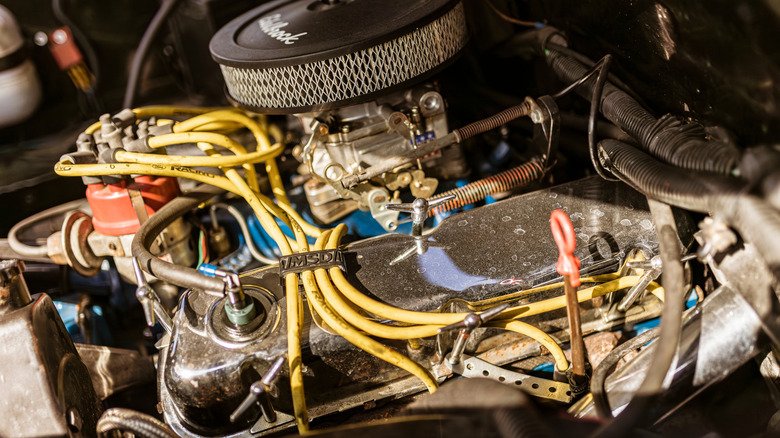
Are you wondering how often to replace your spark plug wires? These small but crucial parts play a big role in keeping your engine running smoothly.
If your spark plug wires are worn out, your car might struggle to start, lose power, or waste fuel. But how do you know when it’s time to change them? You’ll discover clear signs to watch for and simple tips to keep your engine firing strong.
Keep reading to avoid costly repairs and keep your car performing at its best.
Signs Of Worn Spark Plug Wires
Spark plug wires play a crucial role in your vehicle’s performance. They deliver electricity from the ignition coil to the spark plugs. Over time, these wires wear out and cause issues. Recognizing the signs of worn spark plug wires helps avoid bigger car problems. Watch for changes in engine behavior and visible damage to the wires.
Engine Misfires And Rough Idling
Worn spark plug wires can cause engine misfires. The engine may run unevenly or jerk while driving. Rough idling is another symptom. The car may shake or feel unstable when stopped. These problems happen because the spark plugs do not get enough spark. The wires fail to deliver the electric current properly.
Visible Wire Damage
Inspect the spark plug wires for cracks or wear. Look for signs like:
- Cracks or splits in the wire coating
- Burn marks or melting spots
- Corrosion on the connectors
- Loose or broken connections
Damaged wires lose their ability to carry electricity. This causes poor engine performance. Replace wires that look worn or damaged.
Decreased Fuel Efficiency
Worn spark plug wires affect fuel consumption. The engine burns more fuel to compensate for weak sparks. This lowers miles per gallon and costs more money. Poor fuel efficiency signals that the ignition system needs attention. Replacing spark plug wires can restore normal fuel use.

Credit: motorist.org
Recommended Replacement Intervals
Knowing when to replace your spark plug wires can save you from unexpected engine troubles and keep your car running smoothly. Recommended replacement intervals offer a guideline to maintain optimal engine performance and fuel efficiency. But these intervals can vary widely depending on several factors.
Manufacturer Guidelines
Most car manufacturers suggest replacing spark plug wires every 30,000 to 50,000 miles. This range depends on the vehicle model and the quality of the wires installed. Always check your owner’s manual for the specific recommendation tailored to your car.
Ignoring these guidelines can lead to misfires, rough idling, and reduced fuel economy. Have you ever noticed a drop in performance after a certain mileage? That might be your wires signaling it’s time for a change.
Impact Of Driving Conditions
Your driving habits heavily influence how often spark plug wires need replacement. Frequent stop-and-go traffic, driving in extreme temperatures, or dusty environments accelerate wire wear. If you often drive under such conditions, consider inspecting your wires more frequently.
For example, city drivers might need to replace wires closer to 30,000 miles, while highway drivers could stretch that interval further. Do you drive mostly on highways or through busy city streets? That answer can guide your maintenance schedule.
Differences Between Wire Types
Spark plug wires come in various materials and designs, each with a different lifespan. Copper core wires generally wear out faster than platinum or silicone-insulated wires. Premium wires might last up to 60,000 miles or more but come at a higher upfront cost.
Choosing the right wire type affects both replacement frequency and engine performance. Have you checked what kind of wires your vehicle uses? Upgrading wires could mean fewer replacements and smoother rides over time.
Tools Needed For Replacement
Replacing spark plug wires isn’t just about swapping old parts for new ones; having the right tools makes the job smoother and safer. Before you start, gather everything you need to avoid frustration and delays. Here’s a clear breakdown of essential tools that will help you get the replacement done efficiently.
Basic Hand Tools
Start with common hand tools you likely already own. A good set of ratchets and socketsis crucial for removing engine covers or components blocking access to the wires.
- Screwdrivers:Both flathead and Phillips to remove clamps or clips holding wires in place.
- Needle-nose pliers:Helpful for gripping and pulling wires gently without damaging them.
- Wire cutters:Sometimes needed to trim or clean up old wires.
Having these tools ready saves you from unnecessary trips to the store mid-job.
Specialized Equipment
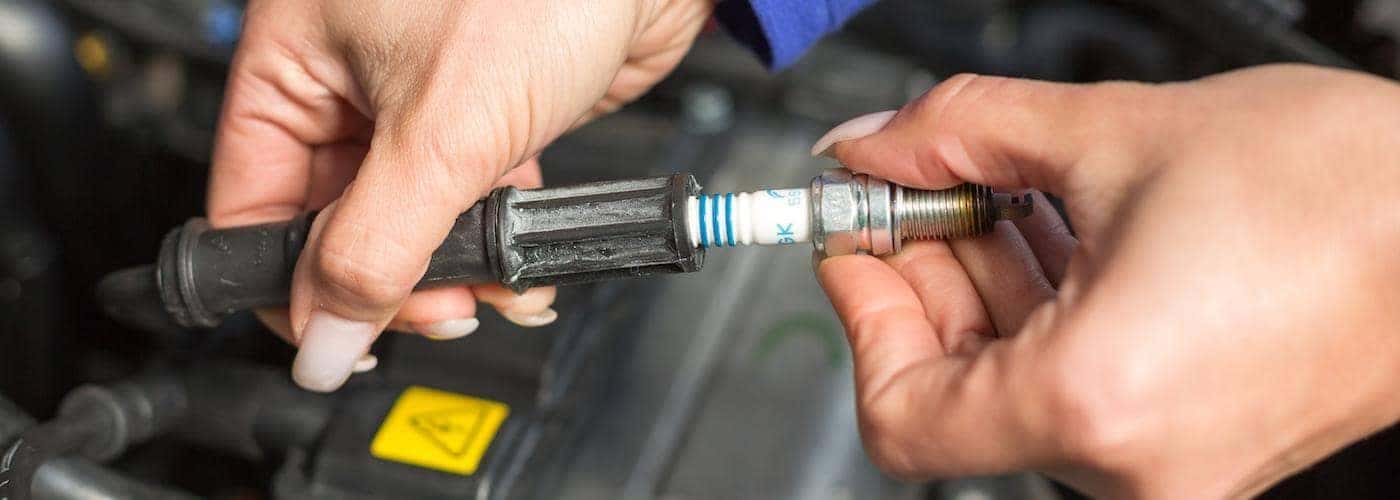
Some tasks require more than just basic tools. A spark plug wire pulleris a small but valuable gadget designed to remove wires without tearing the insulation. It protects both you and the wires during removal.
Additionally, a multimetercan test wire resistance. This helps verify if your new wires are working correctly before reassembly. It’s a step often overlooked but can prevent future headaches.
Do you own these specialized tools, or have you relied on basic ones alone? Investing in them can make a big difference in your repair experience.
Safety Precautions
Working around your engine requires caution. Always make sure the engine is cool before starting to avoid burns. Disconnect the battery to eliminate any electrical shock risk.
Wear protective glovesto shield your hands from sharp edges and chemicals. Eye protection is equally important since debris or sparks can cause injury.
Taking these safety steps might seem simple, but they keep you safe and ensure the job goes smoothly without unexpected accidents.
Credit: www.terrylabontechevy.com
Step-by-step Replacement Process
Replacing spark plug wires might seem intimidating, but breaking it down into clear steps makes the process manageable. Knowing exactly where to start and how to handle each wire ensures your engine runs smoothly. Let’s walk through the key actions you’ll take to replace these vital components effectively.
Locating Spark Plug Wires
Open your car’s hood and look for the spark plug wires, which connect the ignition coil or distributor to each spark plug. These wires are usually thick and rubber-coated, running along the engine block. If you’re unsure, check your vehicle’s manual to identify the exact location—finding them is the first step to avoid confusion later.
Removing Old Wires
Before pulling any wire, gently twist the boot at the end of the wire near the spark plug to loosen it. Pull the wire straight out without yanking on the wire itself to avoid damage. Remove each wire one at a time, so you keep track of where each connects, preventing mix-ups during installation.
Installing New Wires
Match each new wire to the old one by length to ensure it fits perfectly. Attach the wire boot securely onto the spark plug until you feel it snap into place. Then, connect the other end to the ignition coil or distributor, ensuring it’s firmly seated.
Ensuring Proper Connection
Once all wires are installed, double-check each connection by gently tugging on the boots—they should not come loose. Make sure the wires are routed away from hot engine parts and sharp edges to prevent damage. Have you noticed any improvement in engine performance after replacing the wires? This quick check can save you from future misfires.
Tips For Maintaining Spark Plug Wires
Maintaining spark plug wires helps your engine run smoothly and last longer. Good care prevents misfires and improves fuel efficiency. Simple habits keep wires in top shape and avoid costly repairs.
Regular Inspections
Check spark plug wires every few months for cracks or wear. Look for signs of corrosion or burning spots. Replace wires that show damage to avoid engine problems. Use a flashlight to see hard-to-reach areas clearly.
Avoiding Wire Damage
Keep wires away from sharp edges and hot engine parts. Do not pull wires roughly or bend them too much. Avoid contact with oil or chemicals that break down the wire coating. Secure wires neatly to prevent rubbing against moving parts.
Proper Handling Techniques
- Always pull wires by the boot, not the wire itself.
- Use special spark plug wire pliers for safe removal.
- Keep wires clean and dry before installation.
- Match wires with the correct length and type for your vehicle.
Common Mistakes To Avoid
Replacing spark plug wires may seem straightforward, but there are common mistakes that can cause more harm than good. Avoiding these errors ensures your engine runs smoothly and saves you time and money. Let’s look at some critical pitfalls you should watch out for.
Mixing Up Wire Order
One of the easiest mistakes to make is confusing the firing order by mixing up the spark plug wires. Each wire must connect to the correct spark plug and distributor terminal. If you swap them, your engine can misfire, run rough, or even fail to start.
Always label the wires before removal or take a clear photo. This simple step can prevent hours of troubleshooting later. Have you ever faced an engine that suddenly felt off after a wire change? Chances are, this was the cause.
Neglecting Wire Condition
Ignoring the condition of your spark plug wires is a common oversight. Cracks, corrosion, or worn insulation can lead to weak sparks and poor engine performance. Regularly inspect your wires for visible damage or stiffness.
Don’t wait for your engine to show signs of trouble before checking. Spark plug wires wear out gradually, so catching issues early can keep your car running efficiently. How often do you check your wires during routine maintenance?
Using Low-quality Replacements
Choosing cheap or incompatible spark plug wires can cause more problems than it solves. Low-quality wires may not provide proper resistance or fit correctly, leading to engine misfires or interference with electronics. Investing in high-quality, brand-specific wires ensures durability and optimal performance.
Think of it this way: would you use a generic charger for your smartphone? The same principle applies to spark plug wires. Prioritize quality to avoid frequent replacements and engine issues.

Credit: motorist.org
Frequently Asked Questions
How Often Should Spark Plug Wires Be Replaced?
Spark plug wires should typically be replaced every 30,000 to 50,000 miles. Check your vehicle’s manual for specific intervals. Regular replacement prevents misfires and maintains engine performance. Inspect wires for wear or damage to decide if earlier replacement is needed.
What Are Signs Of Failing Spark Plug Wires?
Common signs include engine misfires, rough idling, decreased fuel efficiency, and difficulty starting. You might also notice a loss of power or unusual engine noises. These symptoms indicate spark plug wires may be worn or damaged and need replacement.
Can I Replace Spark Plug Wires Myself?
Yes, replacing spark plug wires is a simple DIY task for most vehicles. Ensure you buy the correct wire set and follow your vehicle’s manual. Proper installation is crucial to avoid engine performance issues and ensure safety.
Why Is Replacing Spark Plug Wires Important?
Replacing spark plug wires ensures efficient engine performance and fuel economy. Old wires can cause misfires and engine damage. Timely replacement helps maintain smooth engine operation and prevents costly repairs.
Conclusion
Regular maintenance keeps your car running smoothly. Spark plug wires need attention too. Replace them every 30,000 to 50,000 miles. Check them for wear or damage often. New wires boost engine performance. They also improve fuel efficiency. Never ignore signs of trouble.
Misfires or rough idling need quick action. A small investment in wires saves money. It prevents bigger engine problems later. Remember, your car’s performance depends on you. Keep it in top shape. Stay on top of maintenance schedules. Your vehicle will thank you with a smooth ride.
Happy driving!





