Have you ever wondered when your spark plugs need to be replaced? These small parts play a big role in keeping your engine running smoothly.
If they wear out, your car might start to misfire, lose power, or even use more fuel. Knowing the right time to change your spark plugs can save you money and prevent bigger problems down the road. Keep reading to discover the signs that tell you it’s time for new spark plugs and how to spot them before they cause trouble.
Your car will thank you!
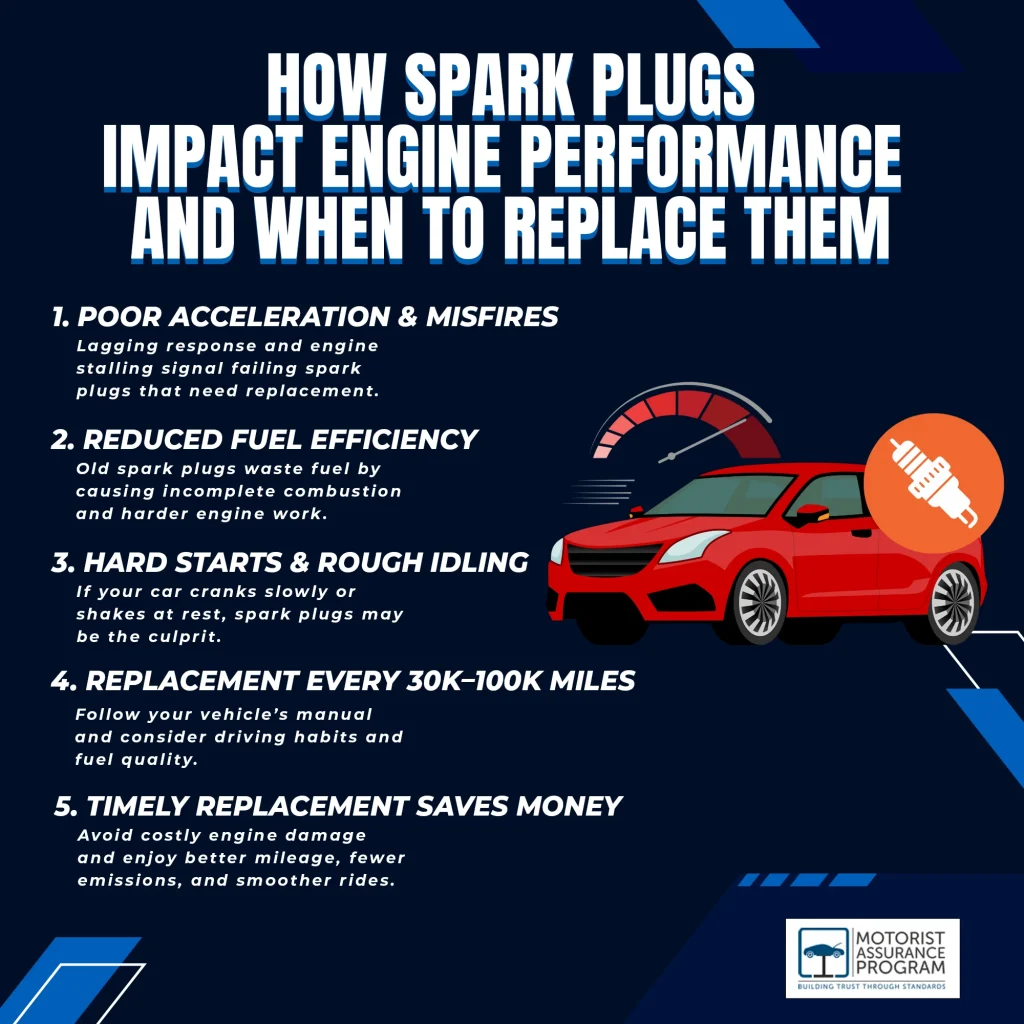
Signs Of Worn Spark Plugs
Worn spark plugs affect engine performance in many ways. They cause noticeable problems that signal the need for replacement. Recognizing these signs early helps avoid costly repairs and keeps your vehicle running smoothly.
Engine Misfires And Rough Idle
Worn spark plugs often cause engine misfires. The engine may hesitate or jerk during acceleration. A rough idle means the engine runs unevenly when stopped. These issues lead to an unstable driving experience and may damage other parts.
Poor Fuel Efficiency
Bad spark plugs reduce fuel efficiency. They fail to ignite fuel properly, wasting gas. You may notice more frequent trips to the pump. Lower fuel economy increases driving costs and harms the environment.
Difficulty Starting The Engine
Old spark plugs make starting the engine hard. The engine may crank longer or fail to start. This happens because the spark needed for ignition weakens. Consistent starting trouble signals it is time for new plugs.
Reduced Acceleration And Power
Worn spark plugs decrease engine power. The vehicle feels sluggish and slow to respond. Acceleration becomes weak during overtaking or climbing hills. Performance loss affects driving safety and comfort.
Unusual Engine Noises
Faulty spark plugs cause strange engine noises. You might hear knocking, pinging, or rattling sounds. These noises indicate improper combustion inside cylinders. Ignoring these sounds can lead to serious engine damage.
Credit: modernautoparts.co.za
Factors Affecting Spark Plug Life
Spark plugs play a vital role in your vehicle’s engine performance. Their lifespan depends on many factors. Understanding these factors helps you know when to replace them. Some conditions wear out spark plugs faster than others. Here are key elements that affect spark plug life.
Driving Conditions
Driving style impacts spark plug wear. Frequent short trips cause more buildup. Stop-and-go traffic heats plugs unevenly. High-speed driving puts extra stress on plugs. Rough roads can shake parts loose. Harsh conditions shorten spark plug lifespan.
Type Of Spark Plugs
Different spark plugs last different lengths. Copper plugs wear out quickly but cost less. Platinum plugs last longer with better performance. Iridium plugs offer the longest life and durability. Your choice affects how often you replace plugs.
Vehicle Make And Model
Each car has specific spark plug needs. Some engines work harder and wear plugs faster. Manufacturer recommendations vary by model. Using the right plug type ensures better engine health. Check your owner’s manual for guidance.
Fuel Quality
Poor fuel creates deposits on spark plugs. Low-quality fuel burns dirty and leaves residue. This residue can cause misfires and reduce plug life. High-quality fuel burns cleaner and protects plugs. Fuel type influences how soon plugs need change.
Recommended Replacement Intervals
Knowing the recommended replacement intervals for spark plugs helps keep your engine running smoothly. Different types of spark plugs last for different lengths of time. Replacing them on time can prevent engine problems and save money.
Check your vehicle’s manual for exact recommendations. Here is a general guide for common spark plug types.
Standard Copper Spark Plugs
Copper spark plugs wear out faster than other types. They usually need replacement every 20,000 to 30,000 miles. Copper plugs conduct electricity well but have a shorter lifespan. They are best for older vehicles or engines designed for copper plugs.
Platinum And Iridium Spark Plugs
Platinum and iridium plugs last longer than copper ones. These can often last between 60,000 and 100,000 miles. Their fine wire center electrodes resist wear better. These plugs improve fuel efficiency and reduce emissions. Many modern cars use these spark plugs.
High-performance Spark Plugs
High-performance plugs are designed for sports or racing vehicles. Their replacement intervals vary widely based on use and engine type. Some need changing as often as every 20,000 miles. Others can last up to 50,000 miles. Check specific recommendations for your performance plug model.
How To Check Spark Plug Condition
Checking the condition of spark plugs helps keep your engine running well. A quick inspection reveals if plugs need replacing. Simple tools and basic knowledge make this task easy.
Regular checks prevent engine misfires and poor fuel economy. Follow these tips to assess your spark plugs effectively.
Visual Inspection Tips
Remove the spark plug carefully using a wrench. Look at the plug’s tip and threads for damage or wear. Check for cracks, corrosion, or heavy deposits.
- A clean, light tan color indicates good condition.
- Black, oily, or sooty plugs suggest engine problems.
- White or blistered plugs show overheating.
Measuring Spark Plug Gap
The gap between the center and ground electrode affects performance. Use a feeler gauge to measure the gap.
- Compare with the vehicle’s manual specifications.
- Adjust the gap gently with a gap tool if needed.
- An incorrect gap causes weak sparks and misfires.
Signs Of Carbon Or Oil Deposits
Carbon deposits appear as dry black soot on the plug tip. Oil deposits make the plug wet and oily.
- Carbon buildup points to a rich fuel mixture or weak ignition.
- Oil deposits indicate worn piston rings or valve seals.
- Both conditions reduce engine efficiency and need fixing.
Consequences Of Delaying Replacement
Delaying the replacement of spark plugs can lead to a chain reaction of problems that affect your car’s performance and your wallet. Ignoring worn-out spark plugs doesn’t just reduce engine efficiency—it can cause serious damage over time. Understanding these consequences can help you avoid unexpected breakdowns and costly repairs.
Engine Damage Risks
Worn spark plugs cause incomplete combustion, which forces your engine to work harder than it should. This extra strain can lead to overheating and damage to critical engine components, such as the pistons and catalytic converter.
Have you ever noticed your engine misfiring or struggling to start? These are early signs that your spark plugs might be failing and causing internal stress. Fixing spark plugs early can prevent expensive engine repairs down the line.
Increased Emissions
When spark plugs don’t ignite the fuel-air mixture efficiently, your vehicle emits more harmful pollutants. This not only harms the environment but can also cause your car to fail emissions tests.
Higher emissions mean your car is wasting fuel and releasing more carbon monoxide and unburned hydrocarbons. Are you willing to risk fines or restrictions due to poor emission performance?
Higher Repair Costs
Ignoring spark plug replacement may seem like saving money now, but it can lead to expensive repairs later. Damaged ignition coils, fuel injectors, and even the engine itself can result from prolonged spark plug issues.
Think about the last time you delayed maintenance on your car—did it end up costing more? Replacing spark plugs on time is a small investment that saves you from larger bills.

Credit: www.acg.aaa.com
Tips For Maintaining Spark Plugs
Keeping your spark plugs in top shape is key to your vehicle’s smooth performance. Neglect can lead to misfires, poor fuel efficiency, and engine trouble. Here are some practical tips to help you maintain your spark plugs effectively and avoid unexpected breakdowns.
Regular Maintenance Schedule
Stick to the maintenance schedule recommended by your vehicle’s manufacturer. Checking your spark plugs every 30,000 miles or during routine oil changes can catch early signs of wear.
Replacing worn spark plugs on time helps your engine start easily and run efficiently. Have you ever experienced rough idling or difficulty starting your car? These could be signs your spark plugs need attention.
Using Quality Fuel And Additives
Your choice of fuel directly affects spark plug health. Using high-quality fuel reduces carbon deposits on the plugs and prevents fouling.
Consider adding fuel additives designed to clean the fuel system and combustion chamber. They keep spark plugs cleaner longer, improving ignition and fuel economy.
Professional Inspection
Even if you’re good with DIY checks, a professional inspection can uncover issues you might miss. Mechanics can examine the spark plug gap, electrode wear, and deposits with specialized tools.
During your next service, ask your mechanic to inspect your spark plugs and explain their condition. This insight helps you make informed decisions about replacement or cleaning.
Credit: beachautomotive.com
Frequently Asked Questions
When Should Spark Plugs Be Replaced?
Spark plugs typically need replacement every 30,000 to 100,000 miles. Check your vehicle’s manual for exact intervals. Signs like misfires or poor fuel economy also indicate replacement time.
What Are Common Signs Of Bad Spark Plugs?
Bad spark plugs cause engine misfires, rough idling, and decreased fuel efficiency. You may also notice difficulty starting your car or reduced acceleration.
Can Spark Plugs Affect Fuel Efficiency?
Yes, worn spark plugs reduce combustion efficiency, leading to higher fuel consumption. Replacing them ensures optimal engine performance and better gas mileage.
How Do I Know If Spark Plugs Are Fouled?
Fouled spark plugs appear black, oily, or covered with carbon deposits. This affects engine performance and signals the need for cleaning or replacement.
Conclusion
Regular spark plug replacement ensures smooth engine performance. Ignoring them can lead to engine issues. Check your owner’s manual for specific intervals. Symptoms like rough idling or poor fuel economy signal a change. Always use the right type for your vehicle.
Consult a mechanic if unsure. Keeping spark plugs in top shape boosts your car’s lifespan. Simple maintenance saves costly repairs later. Stay proactive with vehicle care. Your engine will thank you for it. Remember, a small effort goes a long way.
Prioritize it in your routine car maintenance. Safe driving depends on it.





