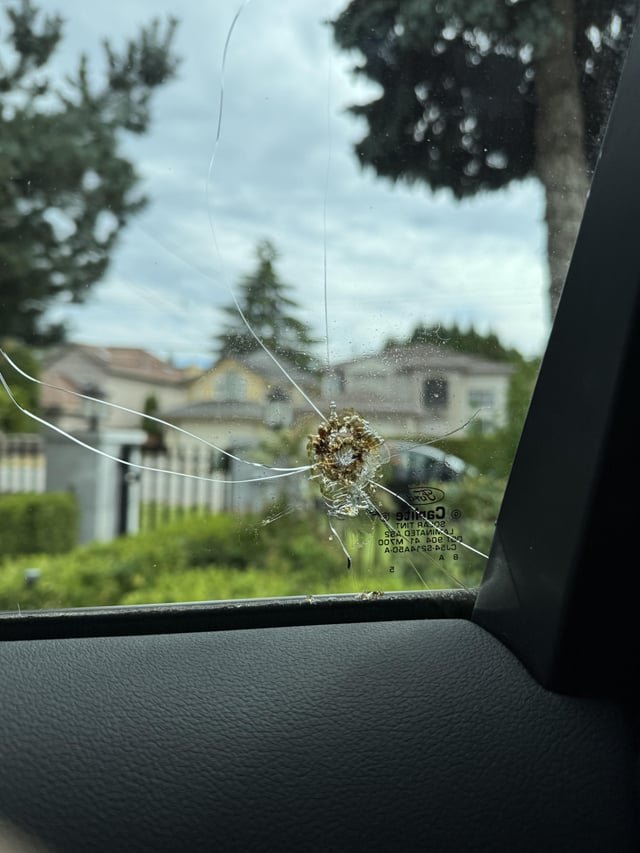
Have you ever wondered why a tiny spark plug can shatter glass with just a quick touch? It sounds surprising, right?
But there’s a clear science behind this unexpected reaction. Understanding why this happens can keep you safe and help you handle spark plugs with more confidence. Keep reading, and you’ll discover the fascinating reasons that explain this surprising effect—and why it matters to you.
How Spark Plugs Work
Spark plugs play a vital role in engines. They create the spark needed for combustion. This process powers vehicles and machines. Understanding how spark plugs work helps explain why they can shatter glass under certain conditions. Let’s explore their function and the role of electrical energy in spark creation.
Basic Function Of Spark Plugs
Spark plugs ignite the air-fuel mixture inside engine cylinders. They sit at the top of each cylinder. When the engine runs, the spark plug creates a tiny spark. This spark lights the fuel, causing combustion. Combustion pushes the piston, making the engine move. Without spark plugs, engines cannot start or run efficiently.
Electrical Energy And Sparks
Spark plugs use electrical energy from the ignition system. High voltage travels through the plug’s center electrode. The voltage jumps across a small gap to the ground electrode. This jump creates a spark. The spark is hot and intense, reaching thousands of degrees Celsius. It lasts only milliseconds but is powerful enough to ignite fuel.
This intense spark can sometimes cause glass to shatter. The sudden heat and pressure near the spark create shock waves. Glass is brittle and can crack or break under this shock. Understanding this helps explain why a small spark plug spark might break glass nearby.

Credit: www.reddit.com
Properties Of Glass
Glass is a common material in windows, screens, and many household items. Its unique properties make it both useful and fragile. Understanding these properties helps explain why a spark plug can shatter glass.
Glass Composition And Structure
Glass is mainly made from silica, or sand, mixed with other ingredients like soda and lime. These materials melt together and cool quickly without forming crystals. This creates an amorphous solid, meaning the atoms are not arranged in a regular pattern.
This irregular structure makes glass transparent and hard. Yet, it also makes glass brittle. It cannot bend or absorb strong impacts well. This brittleness is a key reason glass breaks easily under sudden stress.
Thermal And Mechanical Characteristics
Glass has low thermal conductivity. It does not spread heat quickly, causing hot spots. When a spark plug touches glass, it creates a sudden, intense heat point. This rapid heating causes the glass to expand unevenly.
Uneven expansion creates stress inside the glass. Glass cannot relieve this stress by bending. Instead, it cracks or shatters. Mechanical stress from a sharp impact or vibration also causes glass to break.
Glass also has a low tolerance for impact. Even a small, sharp force can cause fractures. A spark plug’s tip is small and hard, concentrating force on a tiny area. This makes it easy for glass to shatter at that point.
Impact Of A Spark On Glass
When a spark from a spark plug hits glass, the impact is far from harmless. This interaction triggers physical and thermal forces that glass cannot easily handle. Understanding how these forces work helps explain why glass shatters so quickly and dramatically.
Thermal Shock Effects
Glass is sensitive to sudden temperature changes. A spark generates intense heat in a tiny spot almost instantly.
This rapid heating causes the glass to expand quickly in that area, while the surrounding cooler glass stays the same size. The uneven expansion creates stress inside the glass.
If the stress exceeds the glass’s strength, it cracks. Have you ever noticed how a hot cup placed on a cold surface can cause the glass to crack? The spark’s heat acts similarly but even more abruptly.
Stress And Fracture Patterns
The way glass breaks after a spark hits it follows distinct patterns. The initial point where the spark contacts the glass becomes the origin of cracks.
From this point, cracks radiate outward like spokes on a wheel. Secondary cracks may form circles around the impact, creating a spiderweb effect.
These fracture patterns reveal the direction and intensity of the stress. Next time you see shattered glass, try spotting these patterns—they tell a story of sudden force and failure.
Scientific Experiments And Evidence
Understanding why a spark plug can shatter glass requires scientific proof. Researchers have used experiments to see if sparks can break glass and how it happens. These tests help explain the forces involved and the conditions that cause glass to break.
Laboratory Tests
Scientists tested spark plugs in controlled labs with different glass types. They produced sparks near glass surfaces to watch the effect. High-speed cameras recorded the moment sparks hit the glass.
- Sparks create intense heat and shock waves.
- Heat causes glass to expand quickly in small areas.
- Shock waves create stress that glass cannot handle.
- Small cracks form and spread rapidly.
- Eventually, the glass shatters from the stress.
These tests showed that even tiny sparks can cause enough heat and force to break glass. The glass’s thickness and type affect how easily it shatters.
Real-world Observations
Mechanics and car enthusiasts noticed spark plugs breaking nearby glass in practical settings. Experiments outside the lab confirmed the lab results. Sparks flying from faulty spark plugs sometimes hit car windows or windshields.
- Glass near the spark plug sometimes cracks or breaks.
- High heat spots on glass match spark impact points.
- Repeated sparks increase the chance of shattering.
These real-world cases support the lab findings. They prove sparks can cause glass to break through heat and shock, not just physical impact.
Safety Precautions Around Spark Plugs
Handling spark plugs near glass requires careful attention. Spark plugs can generate sparks and intense heat, which pose a real risk to nearby glass surfaces. Understanding how to protect both yourself and your surroundings is essential to prevent accidents and damage.
Handling Spark Plugs Near Glass
Always keep spark plugs at a safe distance from windows, mirrors, and other glass objects. Even a small spark can cause glass to crack or shatter unexpectedly. Imagine working on your car near a garage window—one wrong move could send a spark flying right into the glass.
Wear gloves and avoid touching the ceramic part of the spark plug unnecessarily. This reduces the chance of slipping and accidentally striking glass. Also, place your tools and spark plugs on a non-reflective, stable surface away from glass.
Protective Measures
- Use protective screens or covers:Shield glass surfaces with heat-resistant blankets or covers to absorb any stray sparks.
- Wear safety glasses:Protect your eyes from flying debris or glass shards in case of breakage.
- Work in a well-lit and uncluttered area:Clear surroundings reduce the risk of accidental collisions with glass.
- Have a fire extinguisher nearby:Sparks can ignite materials; being prepared prevents escalation.
Have you ever experienced a sudden glass break when working with spark plugs? Taking these protective steps can save you from unexpected damage and injury. Your safety and the integrity of your workspace depend on how cautious you are around these small but powerful components.

Credit: www.youtube.com

Credit: www.youtube.com
Frequently Asked Questions
Why Does A Spark Plug Cause Glass To Shatter?
A spark plug creates a sudden, intense spark with high energy. This rapid heat and pressure can generate shock waves that stress the glass. The glass cannot handle this sudden energy, causing it to crack or shatter instantly.
Can A Spark Plug Break Car Windshield Glass?
Yes, a spark plug’s strong electrical spark can fracture car windshield glass. Windshields are tempered but not immune to sharp, sudden impacts or thermal stress. The spark’s heat and pressure create microfractures that lead to shattering.
What Types Of Glass Are Vulnerable To Spark Plugs?
Tempered and laminated glasses can be vulnerable to spark plugs. Thin or untreated glass is especially at risk. The rapid heat and shock from the spark can cause cracks or total breakage in these types.
How Does The Spark Plug’s Energy Affect Glass?
The spark plug releases electrical energy as heat and pressure. This creates shock waves that glass cannot absorb. The sudden energy causes internal stress, leading to cracks or shattering of fragile glass surfaces.
Conclusion
Understanding why a spark plug shatters glass can be intriguing. It’s all about the ceramic’s hardness. This material can easily break glass. The science behind it is fascinating. Such knowledge can be useful and enlightening. Always handle spark plugs with care.
Avoid accidental damage. This topic combines science with everyday life. It shows how simple things work. Now, you know more about spark plugs and glass. Keep exploring such interesting facts. Stay curious and informed. Everyday objects hold hidden wonders. Discover them!





