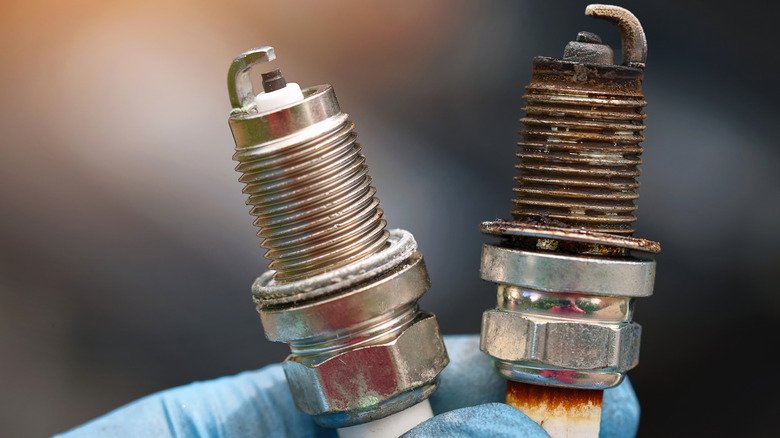
Have you ever wondered how long your spark plugs actually last? Knowing the answer can save you from unexpected car troubles and costly repairs.
Your spark plugs play a crucial role in keeping your engine running smoothly, but they don’t last forever. If you ignore their wear and tear, your car’s performance could drop, and fuel efficiency might suffer. You’ll discover clear signs that indicate when it’s time to replace your spark plugs and how to extend their lifespan.
Keep reading to ensure your vehicle stays reliable and powerful on every drive.
Spark Plug Lifespan
Understanding your spark plug’s lifespan is key to keeping your engine running smoothly. Spark plugs ignite the air-fuel mixture inside the engine, so their condition directly affects performance and fuel efficiency. Knowing how long they last helps you avoid unexpected breakdowns and costly repairs.
Typical Mileage Range
Spark plugs usually last between 20,000 and 100,000 miles, depending on their type. Copper plugs tend to wear out faster, often needing replacement around 20,000 to 30,000 miles. Platinum and iridium plugs, on the other hand, can last up to 60,000 to 100,000 miles due to their durability.
If you’ve ever ignored a worn spark plug, you know how it can cause rough idling or poor acceleration. Replacing them before they fail keeps your vehicle responsive and fuel-efficient.
Factors Affecting Longevity
Several factors influence how long your spark plugs last. The quality of fuel you use, driving habits, and engine condition all play a role. For example, frequent short trips prevent plugs from reaching optimal operating temperature, leading to faster wear.
Harsh environments with extreme temperatures or dusty roads also shorten spark plug life. Additionally, if your engine runs too rich or too lean, it can cause deposits or overheating on the plugs, reducing their effectiveness.
Have you checked your spark plugs during routine maintenance? Simple inspections can reveal early signs of wear, such as fouling or electrode erosion, saving you time and money in the long run.
Types Of Spark Plugs
Spark plugs come in different types that affect their performance and lifespan. Choosing the right spark plug helps your engine run smoothly. Each type has unique materials and features.
Copper Plugs
Copper spark plugs have a solid copper core. They conduct heat well and provide good performance. These plugs wear out faster than others. They usually last about 20,000 to 30,000 miles. Copper plugs are cost-effective but need frequent replacement.
Platinum Plugs
Platinum spark plugs use a platinum disc on the electrode tip. They last longer than copper plugs, typically 60,000 miles. Platinum resists corrosion and wear better. These plugs help improve fuel efficiency and reduce emissions. They cost more but need fewer replacements.
Iridium Plugs
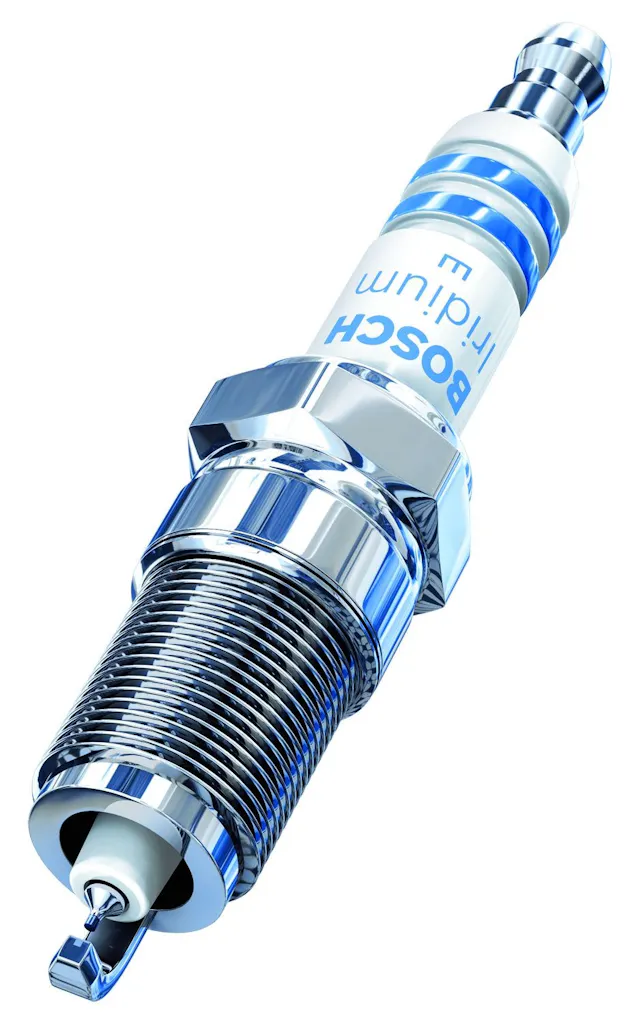
Iridium plugs have a fine iridium tip. Iridium is very hard and durable. These plugs last the longest, often up to 100,000 miles. They provide strong sparks and better ignition. Iridium plugs work well in modern engines. They cost the most but offer excellent value over time.
Signs Of Worn Spark Plugs
Worn spark plugs can cause many car problems. They affect engine performance and overall driving comfort. Recognizing the signs early helps avoid costly repairs. These signs usually show up as engine issues and fuel problems.
Engine Misfires
Engine misfires happen when spark plugs fail to ignite fuel properly. The engine may jerk or hesitate during acceleration. You might hear unusual sounds like popping or coughing. This reduces engine power and smoothness.
Poor Fuel Economy
Old spark plugs burn more fuel than needed. This lowers your car’s fuel efficiency. You may notice more frequent visits to the gas station. Fuel waste increases your driving costs over time.
Starting Issues
Worn spark plugs make it harder to start the engine. The car may crank longer before starting. Sometimes, it might not start at all. This causes frustration, especially in cold weather.
Credit: www.youtube.com
Maintaining Spark Plug Performance
Maintaining your spark plug’s performance is key to keeping your engine running smoothly and efficiently. Neglecting this small but vital part can lead to poor fuel economy, rough idling, or even engine misfires. By regularly checking and caring for your spark plugs, you can extend their lifespan and improve your vehicle’s overall performance.
Regular Inspection Tips
Check your spark plugs every 20,000 to 30,000 miles or as recommended by your vehicle’s manual. Look for signs like worn electrodes, heavy deposits, or cracks in the ceramic insulator. These issues can cause weak sparks and affect engine power.
Use a flashlight and a spark plug socket to remove and examine each plug carefully. Don’t overlook unusual colors—black soot means a rich fuel mixture, while white deposits suggest overheating. Spotting these early helps you address underlying engine problems before they worsen.
Proper Cleaning Methods
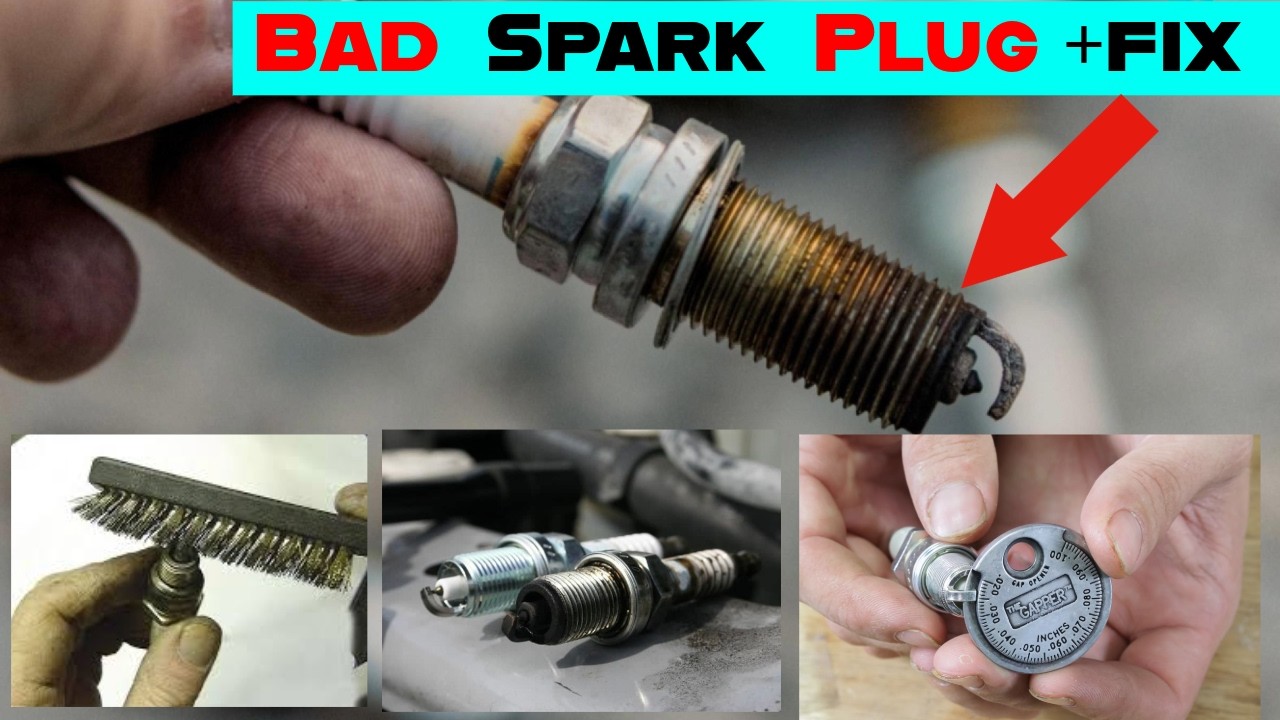
Cleaning spark plugs can restore their efficiency if they aren’t too worn out. Use a wire brush or spark plug cleaner to gently remove carbon buildup from the electrodes and threads. Avoid sandblasting or harsh abrasives that can damage the plug’s surface.
After cleaning, wipe the plug with a clean cloth and inspect again for any cracks or erosion. If the deposits return quickly, it might be a sign of deeper engine issues or the need for a replacement. Have you tried cleaning your plugs yourself? It’s easier than most people think and can save you money.
Correct Gap Adjustment
The gap between the center and ground electrodes affects the spark’s strength. Use a feeler gauge to measure the gap according to your vehicle’s specifications found in the owner’s manual. Too wide or too narrow a gap can cause misfires or poor fuel combustion.
If the gap is off, gently bend the ground electrode with a spark plug gap tool until it matches the recommended measurement. Be careful not to damage the electrode while adjusting. Proper gap adjustment ensures each spark ignites the fuel-air mixture efficiently, improving engine start-up and acceleration.
Replacing Spark Plugs
Replacing spark plugs is an important part of car maintenance. Old or worn spark plugs can cause poor engine performance and lower fuel efficiency. Knowing when and how to replace them helps keep your vehicle running smoothly.
When To Replace
Spark plugs usually last between 30,000 and 100,000 miles. Check your car’s manual for specific recommendations. Signs like rough idling, trouble starting, or poor fuel economy suggest it is time to replace them. Regular inspection can prevent engine problems.
Step-by-step Replacement Guide
Start by letting the engine cool down. Locate the spark plugs using the manual. Remove the spark plug wires carefully. Use a spark plug socket to unscrew the old plugs. Check the gap on the new plugs before installing. Screw in the new plugs by hand to avoid cross-threading. Tighten them with a socket wrench, but do not overtighten. Reattach the spark plug wires firmly. Test the engine to ensure it runs well.
Choosing The Right Spark Plug
Select spark plugs that match your vehicle’s specifications. Use the type recommended in the owner’s manual. Consider the heat range, thread size, and electrode gap. Iridium and platinum plugs last longer but cost more. Copper plugs are cheaper but wear out faster. Choosing the right plug improves engine performance and fuel efficiency.
Credit: www.moderntiredealer.com
Impact On Engine Performance
The condition of your spark plugs directly affects how well your engine performs. Worn or damaged spark plugs can cause your engine to misfire, reduce power, and increase fuel consumption. Understanding the impact on engine performance helps you recognize why timely spark plug replacement matters.
Fuel Efficiency
Old spark plugs can cause incomplete combustion, meaning your fuel doesn’t burn as efficiently as it should. This leads to higher fuel usage and more trips to the gas station. Have you noticed your mileage dropping unexpectedly? It might be time to check your spark plugs.
Power Output
Engine power depends on precise ignition timing. Faulty spark plugs can cause weak or inconsistent sparks, which lowers the engine’s power output. You might feel your car struggling during acceleration or climbing hills — these are clear signs your spark plugs may need attention.
Emission Control
Bad spark plugs can increase harmful emissions by causing incomplete fuel burning. This not only affects the environment but can also cause your car to fail emissions tests. Keeping your spark plugs in good shape helps your vehicle run cleaner and meet environmental standards.

Credit: www.toyotanation.com
Frequently Asked Questions
How Long Do Spark Plugs Usually Last?
Spark plugs typically last between 30,000 to 100,000 miles. Their lifespan depends on the type and driving conditions. Regular maintenance helps ensure they function properly and last longer.
What Affects The Lifespan Of Spark Plugs?
Factors like engine type, driving habits, and spark plug material affect lifespan. Frequent short trips and poor fuel quality can shorten their durability.
When Should I Replace My Spark Plugs?
Replace spark plugs if you notice engine misfires, poor fuel economy, or rough idling. Follow your vehicle’s maintenance schedule for timely replacement.
Can Worn Spark Plugs Cause Engine Problems?
Yes, worn spark plugs can lead to misfires, reduced power, and higher emissions. Timely replacement keeps your engine running smoothly and efficiently.
Conclusion
Spark plugs play a key role in your car’s performance. Regular checks ensure they last longer. Replace them every 20,000 to 100,000 miles. This depends on your vehicle and spark plug type. Keep an eye on engine performance. Misfires or hard starts signal spark plug issues.
Ignoring these signs can lead to bigger problems. Regular maintenance saves time and money. Your car’s manual is a great guide. Follow it closely. Enjoy smooth drives and peace of mind. Stay proactive with your car care. Your engine will thank you.





