Have you ever wondered why your car’s engine feels sluggish or why it’s harder to start some mornings? One common hidden culprit could be carbon buildup on your spark plugs.
This buildup can silently affect your engine’s performance, fuel efficiency, and even lead to costly repairs if left unchecked. Understanding what causes carbon buildup on spark plugs can help you keep your vehicle running smoothly and save you money in the long run.
Keep reading to discover the key reasons behind this issue and how you can prevent it from happening to your car.

Credit: craigscarcare.com
Fuel Mixture Impact
The fuel mixture in your engine plays a crucial role in how well your spark plugs perform. If the balance between fuel and air isn’t right, it can lead to carbon buildup that affects engine efficiency and fuel economy. Understanding how this mixture impacts your spark plugs helps you spot problems early and keep your engine running smoothly.
Rich Fuel Mixture Effects
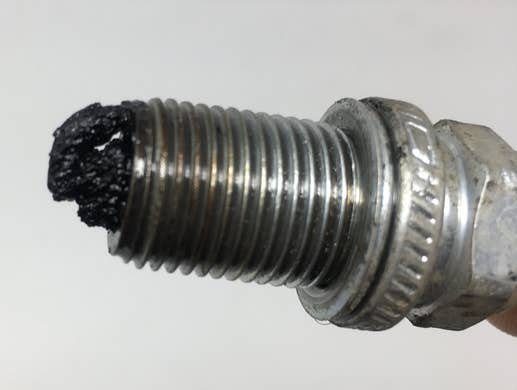
A rich fuel mixture means there’s too much fuel and not enough air in the combustion chamber. This causes incomplete combustion, leaving behind unburned fuel that sticks to your spark plugs as carbon deposits.
Have you noticed your engine running rough or your fuel mileage dropping? These can be signs of a rich mixture causing spark plug fouling. Over time, thick carbon buildup creates a barrier that stops the spark plug from firing properly, leading to misfires and poor performance.
Role Of Low-quality Fuel
Using low-quality fuel can worsen carbon buildup on spark plugs. Cheap fuel often contains impurities and additives that don’t burn cleanly. These residues settle on the spark plug surface, accelerating fouling and damaging the engine.
Imagine filling your tank with fuel that leaves behind sticky deposits every time you drive. This not only clogs your spark plugs but can also clog fuel injectors and reduce engine lifespan. Opting for higher-quality fuel or adding fuel system cleaners might save you from costly repairs down the road.

Credit: www.piloteers.org
Engine Oil Influence
Engine oil plays a significant role in the formation of carbon buildup on spark plugs. When oil enters the combustion chamber, it can leave behind carbon deposits that affect spark plug performance. Understanding how engine oil influences this process helps prevent damage and maintain engine efficiency.
Oil Leaks And Seal Issues
Oil leaks often start from worn or damaged seals. These seals stop engine oil from entering unwanted areas, like the combustion chamber. When seals fail, oil seeps past and coats the spark plugs.
Common seal problems include:
- Valve cover gasket leaks
- Valve stem seal wear
- Piston ring failure
Each issue allows oil to reach the combustion area, causing spark plugs to foul quickly. This leads to poor engine performance and misfires.
Burning Oil Consequences
Burning oil creates thick carbon deposits on spark plugs. These deposits build up over time and block spark plug gaps. Blocked gaps reduce spark efficiency, making the engine harder to start.
Additional consequences include:
- Increased fuel consumption
- Rough idling and engine knocking
- Higher emissions
Addressing oil burning early prevents severe engine damage and costly repairs.
Driving Habits
Driving habits play a big role in the buildup of carbon on spark plugs. The way a car is driven affects how the engine burns fuel. Poor burning creates deposits that stick to spark plugs. These deposits reduce engine performance and fuel efficiency.
Short Trips And Cold Starts
Short trips cause the engine to stay cold. A cold engine does not burn fuel completely. This incomplete combustion leaves carbon deposits on spark plugs. Cold starts also produce more unburned fuel. The fuel turns into carbon and clogs the spark plugs. Over time, this buildup grows and harms engine function.
Frequent Idling Effects
Idling for long periods leads to poor fuel burn. The engine runs at low temperature during idling. Low temperature causes fuel to burn slowly. Slow burning means more carbon is left behind. This carbon sticks to the spark plugs and builds up. Frequent idling can quickly reduce spark plug life.
Ignition System Problems
Ignition system problems can cause carbon buildup on spark plugs. The ignition system creates the spark needed for combustion. If this spark is weak or inconsistent, fuel may not burn completely. Unburned fuel then deposits as carbon on the spark plugs. This buildup affects engine performance and fuel efficiency.
Weak Spark Impact
A weak spark fails to ignite the air-fuel mixture properly. This incomplete combustion leaves carbon deposits on the spark plugs. Causes of a weak spark include:
- Worn ignition coils
- Damaged spark plug wires
- Faulty ignition control modules
These issues reduce spark intensity, leading to more carbon buildup. The engine may misfire and run rough as a result.
Faulty Spark Plug Issues
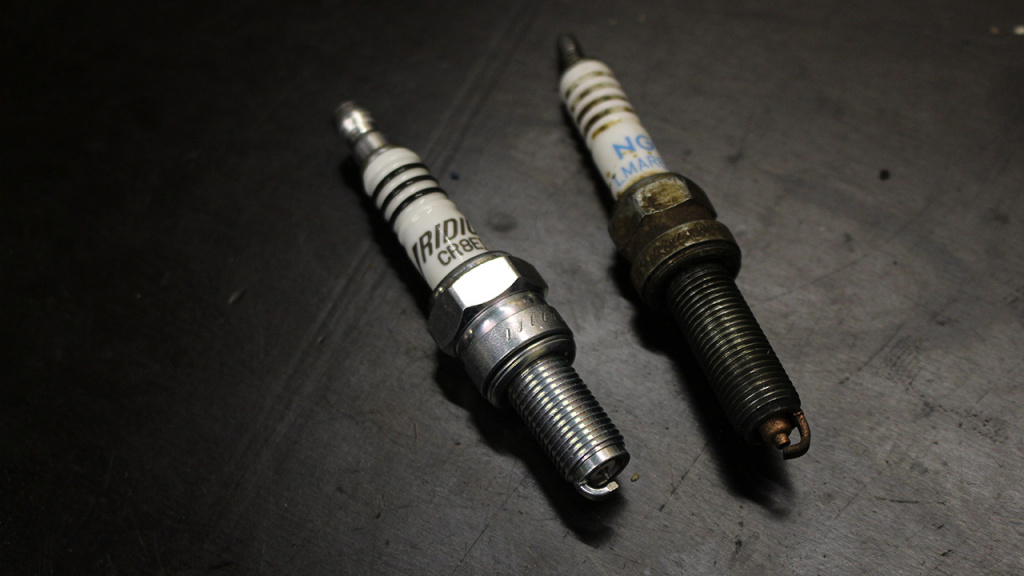
Spark plugs that are old or damaged contribute to carbon deposits. Worn electrodes create a larger gap, weakening the spark. This incomplete ignition leaves fuel residues on the plugs.
- Incorrect spark plug heat range
- Improper spark plug gap
- Use of low-quality spark plugs
These problems reduce combustion efficiency and increase carbon buildup. Regular inspection and replacement prevent these issues.
Air Filter Role
The air filter plays a crucial role in keeping your engine clean and efficient. It stops dirt, dust, and debris from entering the combustion chamber where your spark plugs fire. When the air filter isn’t working properly, it can lead to carbon buildup on your spark plugs, affecting performance and fuel economy.
Clogged Air Filters
Over time, air filters collect dirt and particles, which can cause them to clog. A clogged air filter reduces the amount of air reaching the engine. This imbalance causes the engine to run rich, meaning there’s more fuel than air in the mixture.
Have you ever noticed your car feeling sluggish or stalling? That could be a sign your air filter is clogged. Replacing or cleaning the air filter regularly can prevent this issue and keep your spark plugs cleaner.
Airflow Restriction Effects
When airflow is restricted, combustion becomes incomplete. This incomplete burning leaves carbon deposits on the spark plugs, which interfere with their ability to ignite the fuel efficiently. The result is poor engine performance and increased emissions.
Think about how hard it is to breathe through a blocked nose. Your engine experiences something similar with restricted airflow. Ensuring your air filter allows proper air intake helps maintain the right air-fuel balance and keeps carbon buildup at bay.
Credit: finntrail.com
Fuel Additives And Contaminants
Fuel additives are designed to improve engine performance and fuel efficiency, but they can sometimes contribute to carbon buildup on spark plugs. These additives often contain chemicals that leave behind residues after combustion. Over time, this residue can accumulate and affect the spark plug’s ability to ignite the fuel-air mixture properly.
Contaminants in the fuel or air supply can also play a significant role. Dirt, dust, and other impurities may enter the combustion chamber and settle on the spark plugs. This leads to deposits that interfere with the spark’s strength and consistency, causing misfires or rough engine operation.
Additive Residue Buildup
Many fuel additives contain detergents and stabilizers that help clean the engine, but they don’t always burn off completely. These chemicals can leave a sticky film on the spark plug’s surface.
When this film hardens, it forms a layer of carbon that reduces the spark’s efficiency. If you notice your spark plugs looking darker and dirtier even after regular maintenance, additive residue could be the cause.
Have you ever switched to a different brand of fuel and noticed changes in your engine’s smoothness? That might be due to varying additive formulas impacting residue buildup.
Contaminant Deposits
Contaminants such as dirt, water, or even oil vapors can enter the combustion chamber through the air intake or leaking seals. These impurities don’t burn cleanly and leave deposits on the spark plug.
Deposits from contaminants often appear as rough, crusty layers that disrupt the spark plug’s gap and firing ability. These deposits can cause your engine to hesitate or stall unexpectedly.
Pay attention to your air filter’s condition and your engine’s seals; neglecting them might let more contaminants reach your spark plugs. How often do you check these parts during routine maintenance?
Frequently Asked Questions
What Causes Carbon Buildup On Spark Plugs?
Carbon buildup on spark plugs occurs due to incomplete fuel combustion. Excess fuel, oil leaks, and poor engine maintenance can also cause deposits.
How Does Carbon Buildup Affect Engine Performance?
Carbon deposits reduce spark plug efficiency, causing misfires and poor combustion. This leads to decreased fuel economy and engine power.
Can Using Wrong Fuel Cause Carbon Buildup?
Yes, using low-quality or incorrect fuel can increase carbon deposits. It burns unevenly and leaves more residue on spark plugs.
How Often Should Spark Plugs Be Cleaned Or Replaced?
Spark plugs should be checked every 30,000 miles. Clean or replace them if carbon buildup or wear is visible.
Conclusion
Understanding carbon buildup on spark plugs is crucial for engine health. Regular maintenance helps prevent buildup issues. Inspect spark plugs often. Replace them when necessary. This keeps the engine running smoothly. Poor fuel quality can also cause buildup. Use quality fuel to reduce this risk.
Ensure your engine’s air-fuel mixture is balanced. This prevents carbon deposits. Remember, a well-maintained engine saves money and time. It also extends vehicle life. Keep these tips in mind for a trouble-free driving experience. Always consult a mechanic if unsure.
Your car will thank you. Safe driving!





