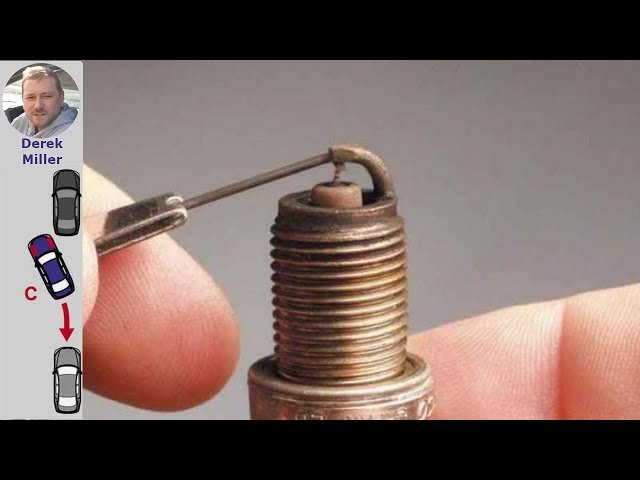
Are you noticing your car misfiring or having trouble starting? Your spark plug cables might be the hidden culprit.
Knowing how to check spark plug cables can save you time, money, and a lot of frustration. In this guide, you’ll learn simple, step-by-step ways to inspect your cables and spot problems before they turn into expensive repairs. Keep reading to take control of your car’s performance and avoid unexpected breakdowns.

Credit: www.youtube.com
Signs Of Faulty Spark Plug Cables
Faulty spark plug cables can cause several issues in your vehicle’s performance. Recognizing the signs early can save you from costly repairs and keep your engine running smoothly. Below are some common symptoms that indicate your spark plug cables might need a closer look.
Engine Misfires And Rough Idling
If your engine misfires or idles roughly, it could be a sign that your spark plug cables are failing. The cables carry the electrical current needed to ignite the fuel-air mixture, so any disruption can cause inconsistent firing.
You might notice your car jerking or hesitating during acceleration. Have you ever felt your engine stumble just after starting? That hesitation often points to spark plug cable issues.
Decreased Fuel Efficiency
When spark plug cables don’t deliver a strong spark, your engine burns more fuel to compensate. This leads to decreased fuel efficiency, meaning you’ll be stopping at the gas station more often than usual.
Pay attention if your fuel consumption suddenly rises without any change in driving habits. This subtle clue can indicate your cables are not performing properly and need checking or replacement.
Visible Wear And Damage
Sometimes, the problem is visible right on the cables. Look for cracks, burns, or corrosion on the cable insulation. These signs mean the cables are exposed and losing their ability to conduct electricity efficiently.
Have you ever noticed oily or dirty cables? Dirt and grime can cause resistance, affecting performance. Taking a moment to inspect your spark plug cables can reveal problems before they affect your drive.
Tools Needed For Inspection
Checking spark plug cables requires a few simple tools. These tools help spot wear, damage, or electrical problems quickly. Having the right tools makes the inspection easier and more accurate.
Some tools help with visual checks, while others test electrical resistance. Both types of tools are important for a full inspection.
Basic Hand Tools
- Screwdrivers: For removing cable covers or clips.
- Pliers: To carefully pull out spark plug cables.
- Flashlight: To see cracks or wear on cables clearly.
- Gloves: To protect your hands from dirt and heat.
- Cleaning cloth: To wipe cables and connectors clean.
Multimeter For Testing Resistance
A multimeter measures the electrical resistance in spark plug cables. This test shows if the cables conduct electricity properly.
Set the multimeter to the ohms (Ω) setting. Touch the probes to each end of the cable. A high resistance reading means the cable may be faulty.
Using a multimeter helps find hidden faults that visual checks miss. It is a key tool for electrical testing.
Step-by-step Cable Inspection
Inspecting your spark plug cables carefully can save you from unexpected engine trouble. A thorough check helps spot issues before they cause misfires or rough idling. Let’s walk through the essential steps to make sure your cables are in top shape.
Locate The Spark Plug Cables
First, find the spark plug cables in your engine bay. They usually run from the ignition coil or distributor to each spark plug. Take your time tracing each cable—it’s easy to miss hidden or tangled wires.
Pay attention to how the cables connect to the spark plugs. Are the ends snug and secure? Loose connections can cause weak sparks and poor performance.
Check For Cracks And Corrosion
Now, examine the cables closely for any visible damage. Look for cracks, splits, or worn spots in the insulation. These flaws allow moisture in, which can disrupt the electrical flow.
Also, check the metal connectors for corrosion or rust. Corroded connections reduce conductivity and can lead to engine misfires. Gently wipe the connectors clean if you spot any buildup.
Test Cable Resistance
Measuring the resistance of your spark plug cables reveals their internal condition. You’ll need a multimeter set to the ohms setting for this test.
- Disconnect the cable from both ends.
- Place one probe on each terminal of the cable.
- Read the resistance value displayed on the multimeter.
High resistance means the cable is deteriorating and should be replaced. Low resistance indicates the cable is still conducting electricity properly. Have you checked the resistance on your cables recently?

Credit: www.youtube.com
Cleaning And Maintenance Tips
Keeping your spark plug cables clean and well-maintained is key to ensuring your engine runs smoothly. Dirt and grime can cause poor connections, leading to misfires or reduced performance. Regular care extends the life of your cables and prevents unexpected breakdowns.
Removing Dirt And Debris
Start by inspecting your spark plug cables for any visible dirt or buildup. Use a soft cloth or a brush to gently wipe away dust and grease. Avoid using harsh chemicals that might damage the cable’s insulation.
If you notice stubborn grime, dampen the cloth with a mild soap solution and carefully clean the cables. Make sure to dry them thoroughly before reattaching to prevent moisture-related issues. Have you checked how clean your cables are lately? Even a thin layer of dirt can interfere with their performance.
Proper Cable Handling
Handling spark plug cables with care is crucial to avoid damage. Always pull the boot, not the cable itself, when disconnecting to prevent internal wire breakage. Twisting or bending the cables sharply can cause cracks in the insulation that lead to shorts.
Store cables away from extreme heat sources and avoid contact with oil or fuel spills. Simple habits like these can save you from costly replacements. How gentle are you when working around your engine’s wiring? A little care goes a long way in maintaining cable integrity.
When To Replace Spark Plug Cables
Knowing exactly when to replace your spark plug cables can save you from unexpected engine trouble and costly repairs. These cables play a crucial role in delivering the electrical current needed to ignite the fuel-air mixture in your engine. Ignoring worn or damaged cables can lead to poor engine performance, misfires, and reduced fuel efficiency.
Signs Replacement Is Needed
One clear sign you need new spark plug cables is engine misfiring. If your car hesitates or stumbles during acceleration, it could mean the cables are failing to deliver consistent spark.
Another indicator is visible damage. Cracks, corrosion, or worn insulation on the cables are red flags. You might also notice a strong smell of gasoline or hear unusual engine noises, which signal incomplete combustion.
If your engine’s idle feels rough or you experience difficulty starting your car, don’t ignore it. These symptoms often point to deteriorated cables that need immediate attention.
Choosing The Right Replacement Cables
Selecting the proper spark plug cables is key to restoring your engine’s performance. Always match the replacement cables to your car’s make, model, and engine specifications.
Look for cables with good insulation and low resistance to ensure efficient current flow. Silicone-coated cables are often durable and heat-resistant, making them a solid choice for most vehicles.
Consider brands with strong warranties and positive user reviews. Quality cables might cost a bit more but save you money by lasting longer and preventing engine issues.

Credit: www.youtube.com
Tips For Ensuring Engine Performance
Maintaining your engine’s performance means paying close attention to every component, and spark plug cables are no exception. These cables deliver the electrical current necessary for ignition, directly affecting how smoothly your engine runs. Neglecting their condition can lead to misfires, poor fuel efficiency, or even engine damage.
Regular Cable Checks
Check your spark plug cables regularly for cracks, wear, or corrosion. Look for any signs of brittleness or damage on the insulation, which can cause electrical leaks. You can do this yourself by gently bending the cables and inspecting their entire length under good lighting.
Also, feel for any soft spots or areas that seem thinner than others. These might indicate internal damage. If you spot any issues, replacing the cables promptly can save you from costly repairs later.
Complementary Engine Maintenance
Checking spark plug cables is just one part of keeping your engine in top shape. Make sure you also inspect and replace spark plugs, air filters, and fuel filters on schedule. These elements work together to ensure efficient combustion and smooth engine operation.
Have you noticed your engine running rough or stalling? It might not just be the cables but a combination of neglected parts. Keeping a maintenance log helps track when each component was last serviced, so you never miss a crucial check.
Frequently Asked Questions
How Do I Identify Faulty Spark Plug Cables?
Look for cracks, burns, or corrosion on cables. Check for engine misfires or rough idling, which indicate cable issues.
What Tools Are Needed To Check Spark Plug Cables?
You need a multimeter to test resistance and a spark tester to check spark strength safely.
How Often Should Spark Plug Cables Be Inspected?
Inspect spark plug cables every 30,000 miles or during regular tune-ups to ensure optimal engine performance.
Can Damaged Spark Plug Cables Cause Engine Problems?
Yes, damaged cables can cause misfires, poor fuel economy, and difficulty starting the engine.
Conclusion
Checking spark plug cables is crucial for car performance. It ensures a smooth ride. Regular maintenance prevents unexpected breakdowns. Inspect cables for wear and tear. Replace damaged ones promptly. This simple step extends engine life. Always prioritize safety during inspections.
Use proper tools and follow guidelines. Stay informed about your vehicle’s needs. Save on costly repairs by acting early. Remember, a well-maintained car offers peace of mind. Keep your vehicle in top shape with routine checks. It’s worth the effort and time.
Enjoy a reliable driving experience every day.





