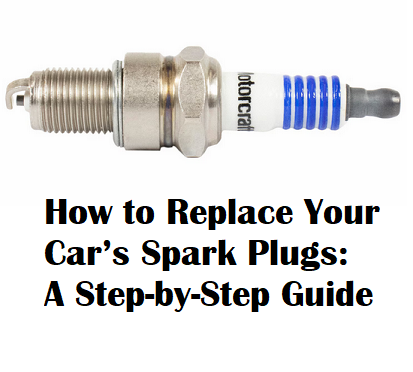
Replacing your car’s spark plugs might sound tricky, but it’s easier than you think—and it can save you money and boost your car’s performance. If your engine is misfiring, running rough, or struggling to start, worn-out spark plugs could be the cause.
In this guide, you’ll learn simple, step-by-step instructions to replace your spark plugs yourself, even if you have little experience. By the end, you’ll feel confident under the hood and know exactly how to keep your engine running smoothly. Ready to get started?
Let’s dive in.
Signs Of Worn Spark Plugs
Worn spark plugs can cause many car problems. Recognizing these signs helps maintain your engine’s health. Catching issues early saves money and time. Here are the main signs that your spark plugs need replacement.
Poor Fuel Economy
Worn spark plugs do not ignite fuel efficiently. This wastes fuel and lowers miles per gallon. You may notice filling your tank more often. Your car may feel less responsive during drives.
Engine Misfires
Misfires happen when spark plugs fail to ignite the fuel-air mix. The engine may jerk or hesitate while driving. You might hear unusual popping or sputtering sounds. Misfires can damage other engine parts over time.
Difficulty Starting
Old spark plugs make it harder to start the engine. The engine may crank longer before it runs. Cold weather can make starting even more difficult. Replacing spark plugs improves startup performance and reliability.
Tools And Materials Needed
Replacing car spark plugs requires specific tools and materials. Having the right items makes the job easier and safer. Each tool has a special role in the process.
Preparing these tools before starting saves time and avoids frustration. Here are the main tools and materials needed for the task.
Spark Plug Socket
A spark plug socket fits snugly over the spark plug. It helps remove and install plugs without damage. These sockets usually have rubber inside to hold the plug tight. Sizes vary, so check your car’s manual for the correct one.
Ratchet And Extension
The ratchet drives the spark plug socket to loosen or tighten plugs. An extension bar helps reach deep or tight spots in the engine. Using the right length extension makes the task comfortable and efficient.
Gap Gauge
The gap gauge measures the space between the spark plug’s electrodes. Correct gap size is crucial for engine performance. Adjusting the gap ensures better ignition and fuel efficiency. Carry a simple wire or feeler gauge for this step.
Anti-seize Compound
Anti-seize compound prevents spark plugs from sticking in the cylinder head. It makes future removal easier and protects threads from damage. Apply a small amount on the spark plug threads before installation.
Preparing Your Vehicle
Preparing your vehicle is the first important task before replacing spark plugs. Proper preparation keeps you safe and makes the job easier. Taking simple precautions avoids damage to the engine and parts. Follow these steps carefully for a smooth spark plug replacement experience.
Ensure Engine Is Cool
Never work on a hot engine. Let the car rest for at least 30 minutes. A cool engine prevents burns and protects spark plug threads. Touch the engine block to check the temperature before starting.
Disconnect The Battery
Remove the negative battery cable using a wrench. This stops electrical current and prevents shocks. Disconnecting the battery also avoids accidental engine starts. Keep the cable away from the battery terminal while working.
Locate The Spark Plugs
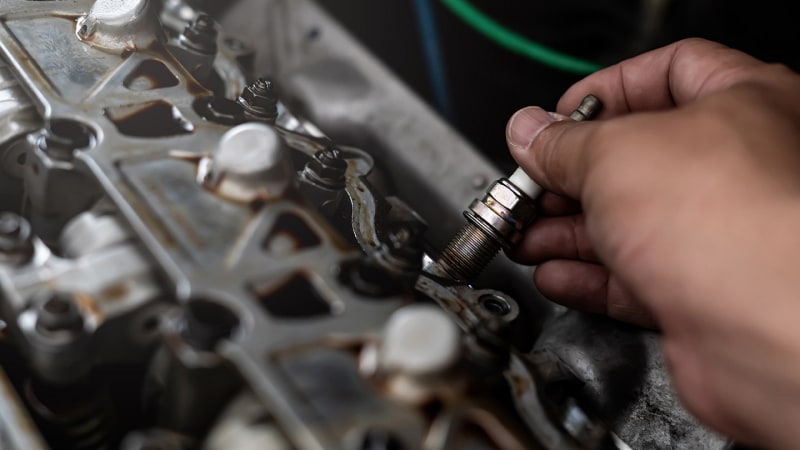
Open the hood and find the spark plug wires or ignition coils. Spark plugs sit in the engine cylinder head. Use a flashlight to see clearly in tight spaces. Counting the wires helps you find all spark plugs correctly.
Credit: www.chase.com
Removing Old Spark Plugs
Removing old spark plugs is an essential part of maintaining your car’s engine health. It gives you a chance to check how well your engine is running and prevents future problems. Taking out the old plugs carefully will make installing the new ones much easier and safer.
Remove Ignition Coils Or Wires
Start by locating the ignition coils or spark plug wires attached to each plug. Gently pull the wire boot or coil straight off without twisting to avoid damage. If your car has ignition coils, you might need a socket or screwdriver to remove the bolts holding them in place.
Did you know that pulling the wires incorrectly can cause internal damage? Handle them with care to save yourself from extra repairs later.
Use The Socket To Extract Plugs
Use a spark plug socket attached to a ratchet to loosen each plug. Turn counterclockwise slowly until the plug is free. Avoid rushing this step; applying too much force can strip the threads in your engine’s cylinder head.
Sometimes, the plugs may feel stuck. A little penetrating oil and patience can help loosen them without damage.
Inspect Old Spark Plugs
Once removed, look closely at the old spark plugs. Check for signs like heavy carbon deposits, oil fouling, or worn electrodes. These clues tell you a lot about your engine’s condition and whether other maintenance is needed.
Have you ever noticed odd patterns on your spark plugs? They can reveal if your engine is running too rich, too lean, or if there’s a mechanical issue brewing.
Installing New Spark Plugs
Installing new spark plugs is a crucial part of car maintenance. Proper installation ensures your engine runs smoothly and efficiently. Careful attention during this step helps avoid engine problems and saves money on repairs.
Check And Adjust Spark Plug Gap
Check the gap on each new spark plug using a gap tool. The gap is the space between the center and side electrodes. Your car manual lists the correct gap size. If the gap is too wide or narrow, adjust it gently with the tool. Proper gap helps the spark ignite fuel properly.
Apply Anti-seize Compound
Apply a small amount of anti-seize compound to the spark plug threads. This prevents the plugs from sticking in the cylinder head. Use only a thin layer to avoid over-tightening. Anti-seize makes future spark plug removal easier and protects against corrosion.
Hand-tighten And Torque Correctly
Insert the spark plug into the cylinder by hand first. This prevents cross-threading and damage to the threads. Once hand-tight, use a torque wrench to tighten the plug to the manufacturer’s specified torque. Correct torque ensures a secure fit without damaging the spark plug or engine.

Credit: www.youtube.com
Reassembling And Testing
After replacing the spark plugs, reassembling and testing the engine is crucial. This stage ensures your work is done correctly. Proper reassembly avoids damage and confirms the engine runs smoothly. Follow the steps carefully for a safe and effective process.
Reconnect Ignition Components
Attach all ignition wires to the new spark plugs. Match each wire to the correct plug to avoid misfires. Press firmly until each wire clicks into place. Check for loose connections that might cause problems later.
Reconnect Battery
Securely reconnect the battery cables. Connect the positive cable first, then the negative. Tighten the clamps to prevent any electrical issues. Make sure the battery terminals are clean before reconnecting.
Start Engine And Check Performance
Turn on the engine and listen carefully to its sound. The engine should run smoothly without hesitation or knocking. Watch for warning lights on the dashboard. If the engine misfires, recheck spark plug wires and connections.
Maintenance Tips For Longevity
Maintaining your car’s spark plugs is key to keeping your engine running smoothly and efficiently. Regular care not only extends the life of the spark plugs but also improves fuel economy and reduces emissions. Here are some practical tips to help you get the most out of your spark plugs.
Regular Inspection Schedule
Set a clear schedule for inspecting your spark plugs—every 30,000 miles is a good rule of thumb, but check your owner’s manual for specific recommendations. Look for signs of wear like deposits, cracks, or corrosion on the electrodes. Catching these early can prevent engine misfires and rough idling.
Have you ever noticed your car hesitating or struggling to start? These symptoms often point to spark plug issues that a simple inspection could have prevented. Use a spark plug socket and a gap tool to check both condition and gap size regularly.
Choosing Quality Spark Plugs
Not all spark plugs are created equal. Opt for plugs that match your vehicle’s specifications and consider brands known for durability and performance. Iridium and platinum plugs, for example, last longer and provide better ignition than standard copper plugs.
Investing in quality spark plugs means fewer replacements and better engine performance. It might cost a bit more upfront but saves you time and money in the long run. Have you checked if your current plugs are the right fit for your car?
Avoiding Common Mistakes
Many people overtighten spark plugs during installation, which can damage the threads or the plug itself. Use a torque wrench to apply the correct tightness as specified in your vehicle’s manual. Also, avoid reusing old spark plugs as they lose efficiency over time.
Another common error is neglecting to check the gap before installation. Even new plugs sometimes come with incorrect gaps from the factory. Taking a moment to adjust the gap ensures proper spark and better engine performance. How confident are you in your spark plug installation skills?

Credit: www.youtube.com
Frequently Asked Questions
How Often Should Car Spark Plugs Be Replaced?
Car spark plugs typically need replacement every 30,000 to 100,000 miles. Check your vehicle’s manual for specific intervals. Regular replacement ensures optimal engine performance and fuel efficiency. Worn plugs can cause misfires and poor acceleration.
What Tools Are Needed To Replace Spark Plugs?
You need a spark plug socket, ratchet, extension bar, and a gap gauge. A torque wrench ensures proper tightening. These tools help safely remove and install spark plugs without damaging them.
How Do You Check Spark Plug Condition?
Inspect spark plugs for wear, carbon buildup, or oil deposits. A clean, light tan color indicates good condition. Dark, oily, or damaged plugs suggest replacement is necessary for better engine performance.
Can I Replace Spark Plugs Myself Safely?
Yes, with basic tools and knowledge, you can replace spark plugs safely. Follow your car manual instructions and work in a well-ventilated area. Take care to avoid cross-threading or over-tightening the plugs.
Conclusion
Replacing car spark plugs is easier than it seems. With proper tools, anyone can do it. Follow each step carefully. Ensure the engine is cool before starting. Take your time. Spark plugs impact your car’s performance. Regular replacement is important.
This simple task saves money on mechanic bills. It also boosts your car’s efficiency. Enjoy smoother rides with new spark plugs. Feel the difference instantly. Keep this guide handy. You’re now ready to tackle spark plug replacements confidently. Happy driving!





