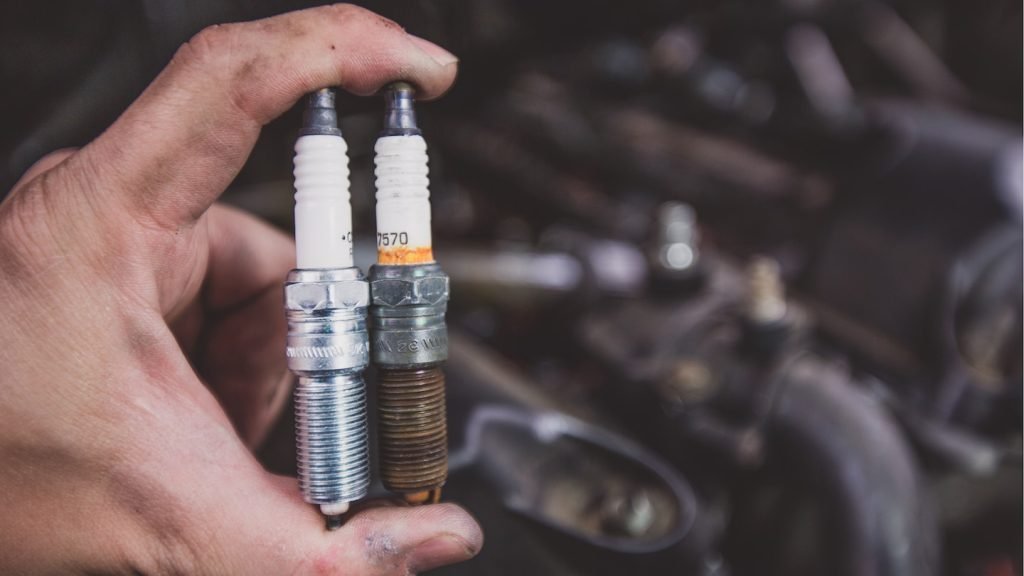
Have you ever wondered what makes your car’s engine come to life the moment you turn the key? The answer lies in a small but powerful part called the spark plug.
Understanding what spark plugs do can help you keep your vehicle running smoothly and avoid unexpected breakdowns. You’ll discover how spark plugs work, why they matter, and simple tips to know when it’s time to replace them. Keep reading to unlock the secret behind your car’s ignition and take better care of your ride.
Role Of Spark Plugs
The role of spark plugs in your vehicle is crucial yet often overlooked. These small components are the key players in the engine’s ability to run smoothly. Understanding what spark plugs do can help you maintain your car better and even improve its performance.
Igniting The Air-fuel Mix
Your engine relies on a precise combination of air and fuel to generate power. The spark plug’s job is to create a tiny but powerful spark at just the right moment. This spark ignites the air-fuel mixture inside the engine’s cylinders, setting the stage for energy production.
Without this ignition, your engine would simply stall. Have you ever noticed how a misfiring spark plug can cause rough idling or poor acceleration? That’s because the air-fuel mix isn’t igniting properly, disrupting the entire process.
Starting The Combustion Process
Once the spark plug ignites the air-fuel mix, it triggers the combustion process that powers your car. This combustion generates a rapid expansion of gases, pushing the piston down and creating mechanical energy.
This process happens thousands of times per minute while your engine runs. If the spark plug fails to deliver a strong spark, combustion becomes weak or inconsistent, leading to lower fuel efficiency and engine power.
Think about the last time your car struggled to start or felt sluggish. Chances are, the spark plugs needed attention. Paying attention to their condition can save you from costly repairs down the road.
Credit: www.youtube.com
Types Of Spark Plugs
Understanding the types of spark plugs can help you choose the right one for your vehicle and driving style. Each type offers different benefits and lifespans. Knowing these differences can improve your engine’s performance and save you money on maintenance.
Copper Spark Plugs
Copper spark plugs have a solid copper core that conducts electricity well. They provide excellent performance and quick heat dissipation. However, they tend to wear out faster than other types, usually lasting around 20,000 miles.
If you drive an older car or want a budget-friendly option, copper plugs might suit you. But ask yourself, do you prefer frequent replacements for better spark or longer intervals with less performance?
Platinum Spark Plugs
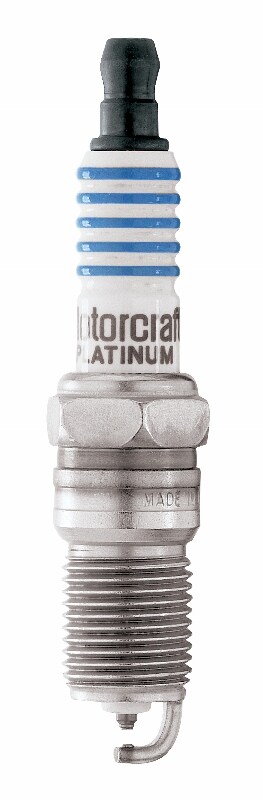
Platinum spark plugs have a platinum disc welded to the center electrode. This metal is harder and lasts longer than copper, typically up to 60,000 miles. They offer better durability and are more resistant to fouling.
Platinum plugs work well in modern engines and provide a good balance of performance and lifespan. Think about whether your car’s manufacturer recommends platinum plugs for optimal fuel efficiency.
Iridium Spark Plugs
Iridium spark plugs feature an iridium alloy tip, which is extremely durable and has a higher melting point. They can last over 100,000 miles and provide strong, consistent sparks. This makes them ideal for high-performance engines.
Though more expensive, iridium plugs reduce misfires and improve ignition, especially in tough conditions. Ask yourself if investing in a premium spark plug fits your driving habits and vehicle needs.
Impact On Engine Performance
The impact of spark plugs on engine performance is more significant than many realize. These small components play a critical role in how efficiently your engine runs. Understanding their effect can help you maintain your vehicle better and avoid unnecessary repairs.
Enhancing Power Output
Spark plugs ignite the air-fuel mixture inside the engine cylinders, creating the explosion that powers your car. If the spark is weak or inconsistent, your engine can lose power and responsiveness. Replacing worn-out spark plugs can restore that lost power, making your car feel sharper and more responsive on the road.
Have you noticed your car hesitating during acceleration? It might be time to check your spark plugs. Clean, well-functioning plugs ensure each combustion cycle delivers maximum force to the pistons, directly boosting your engine’s power output.
Improving Fuel Efficiency
Efficient combustion means your engine uses fuel more effectively. Faulty spark plugs can cause incomplete burning of fuel, leading to wasted gasoline and higher fuel costs. By maintaining good spark plugs, you can improve your car’s fuel mileage without changing your driving habits.
Think about how much you spend on gas each month. Could better spark plugs help you save money? Many drivers find that after replacing old plugs, they get noticeable improvements in miles per gallon, proving that spark plugs impact more than just engine power.

Credit: carfromjapan.com
Signs Of Worn Spark Plugs
Worn spark plugs can cause several problems in your vehicle’s engine. They affect how well the engine runs and how much fuel it uses. Recognizing the signs of worn spark plugs helps you fix issues early. This keeps your car running smoothly and saves money on repairs.
Engine Misfires
One common sign is engine misfires. The engine may shake or hesitate while driving. This happens because the spark plugs fail to ignite the fuel properly. Misfires reduce engine power and cause rough idling.
Poor Fuel Economy
Worn spark plugs make your car use more fuel. The engine burns fuel less efficiently without a strong spark. This leads to higher fuel costs over time. You may notice you need to fill the tank more often.
Difficulty Starting
Old spark plugs can make your car hard to start. The engine may take longer to turn over or not start at all. Weak sparks cause slow or failed ignition. This problem gets worse as plugs wear out more.
Spark Plug Maintenance Tips
Proper spark plug maintenance keeps your engine running smoothly and efficiently. Neglect can cause poor fuel economy, rough idling, and starting problems. Regular care extends spark plug life and improves performance. Here are essential tips for maintaining spark plugs.
When To Replace Spark Plugs
Spark plugs wear out over time and need replacement. Check your vehicle manual for the recommended interval. Usually, spark plugs last between 30,000 and 100,000 miles. Signs of worn plugs include engine misfires, poor acceleration, and increased fuel use. Replace plugs if you notice these symptoms or reach the mileage limit.
Cleaning And Inspection
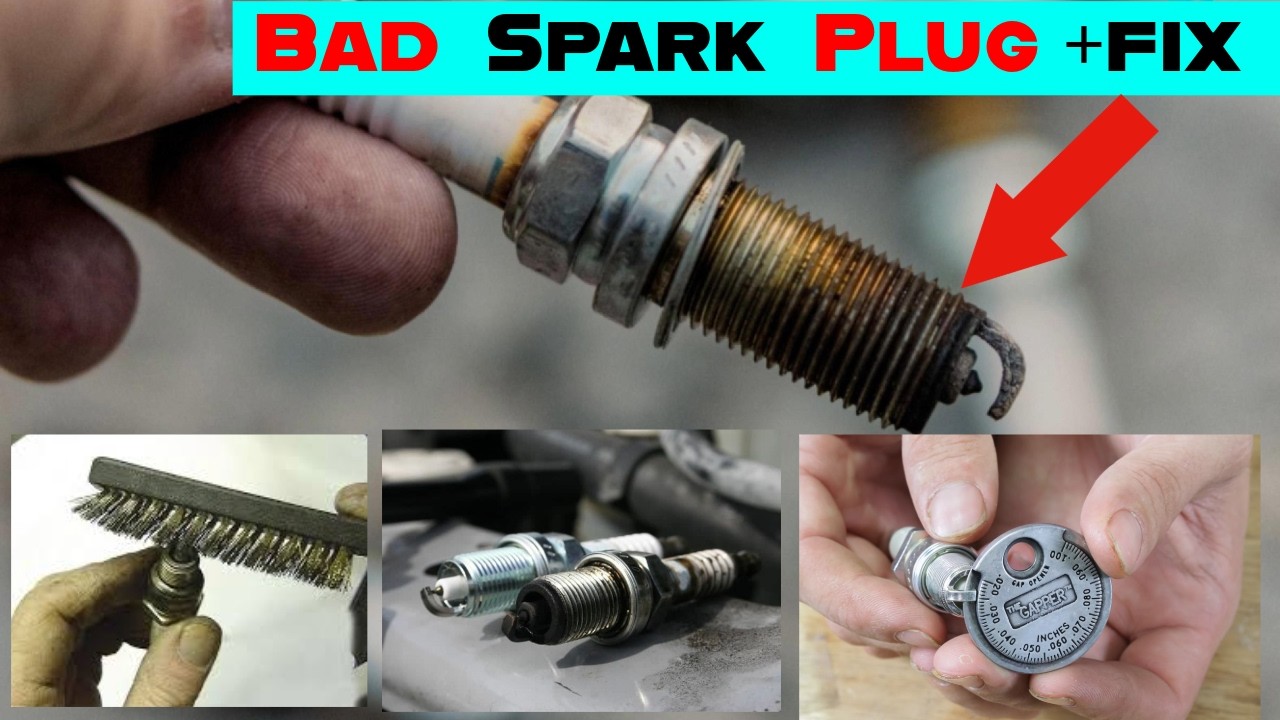
Remove spark plugs carefully for inspection. Look for carbon buildup, oil deposits, or damage. Use a wire brush or spark plug cleaner to remove dirt and carbon. Check the electrode gap with a gauge and adjust if necessary. Clean plugs can improve ignition and fuel efficiency. Avoid harsh cleaning that can damage the plug.
Choosing The Right Spark Plug
Select spark plugs that match your engine’s requirements. Consider the plug type, heat range, and size. Use the manufacturer’s recommended spark plug for best results. Using the wrong plug can cause engine problems and reduce performance. Always buy from trusted brands and avoid cheap substitutes.
Upgrading Spark Plugs For Performance
Upgrading spark plugs can improve your engine’s performance and fuel efficiency. Better spark plugs ensure a stronger, more consistent spark. This leads to improved combustion and smoother engine operation. Choosing the right spark plugs can make a noticeable difference in power and response.
Performance Spark Plug Options
Several types of spark plugs offer performance benefits:
- Iridium Spark Plugs:Durable and provide a strong spark. They last longer and improve ignition.
- Platinum Spark Plugs:More heat resistant than standard plugs. They offer steady performance and longer life.
- Double Platinum Spark Plugs:Both electrodes are platinum. They provide better wear resistance.
- Copper Spark Plugs:Good for older engines. They have excellent conductivity but wear faster.
Selecting the correct plug depends on your engine and driving needs. Check your vehicle manual or consult an expert for best results.
Benefits Of High-quality Plugs
- Improved fuel efficiency. Better combustion uses less fuel.
- Smoother engine start. High-quality plugs ignite fuel quickly.
- Reduced emissions. Efficient burning lowers harmful gases.
- Longer spark plug life. Less frequent replacements save money.
- Enhanced engine power. Strong sparks create better combustion.
High-quality spark plugs provide reliable performance over time. They help maintain your engine’s health and improve driving experience.
Credit: www.billcolwellford.com
Frequently Asked Questions
What Do Spark Plugs Do In An Engine?
Spark plugs ignite the air-fuel mixture inside the engine’s cylinders. This ignition creates the explosion needed to power the engine and move the vehicle.
How Often Should Spark Plugs Be Replaced?
Spark plugs typically need replacement every 30,000 to 100,000 miles. Check your vehicle’s manual for specific intervals and signs of wear.
Can Faulty Spark Plugs Affect Fuel Efficiency?
Yes, faulty spark plugs cause incomplete combustion, reducing fuel efficiency. Replacing them can improve mileage and overall engine performance.
Why Does A Car Misfire Relate To Spark Plugs?
Misfires often occur when spark plugs fail to ignite the fuel correctly. Worn or damaged plugs disrupt engine timing and smooth running.
Conclusion
Understanding spark plugs is vital for your vehicle’s performance. They ignite the air-fuel mix in the engine. This process powers your car. Regular checks can prevent future issues. Faulty spark plugs can lower engine efficiency. They can cause misfires and reduce fuel economy.
Replace them as needed for smooth driving. Keep your vehicle in top shape with healthy spark plugs. They play a small but crucial role. A little attention goes a long way. Your car will thank you for it.





