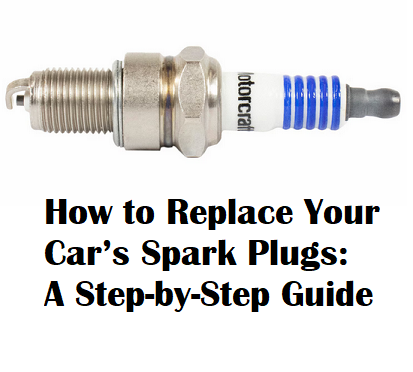
Your car’s spark plugs play a small but powerful role in keeping your engine running smoothly. But how do you know when it’s time to replace them?
Ignoring worn-out spark plugs can lead to poor fuel efficiency, rough idling, and even engine misfires. You’ll discover the clear signs that tell you it’s time for a change. By knowing exactly when to replace your spark plugs, you’ll save money, avoid breakdowns, and keep your car performing at its best.
Keep reading to find out what to watch for and how to stay ahead of costly repairs.
Signs Of Worn Spark Plugs
Worn spark plugs can quietly undermine your vehicle’s performance before you even realize it. Recognizing the signs early can save you from costly repairs and frustrating breakdowns. Watch out for these common symptoms that signal it’s time to replace your spark plugs.
Engine Misfires And Rough Idling
Have you noticed your engine jerking or hesitating during acceleration? This often points to worn spark plugs failing to ignite the fuel-air mixture properly. Your engine might also idle roughly or unevenly, causing vibrations you can feel inside the car.
These issues don’t just reduce driving comfort; they can damage other engine parts over time. If your car feels less smooth when stopped or slows down unexpectedly, it’s worth checking the spark plugs first.
Poor Fuel Efficiency
Are you filling up the gas tank more often than usual? Worn spark plugs can cause incomplete combustion, wasting fuel and lowering your miles per gallon. This means your car burns more fuel to cover the same distance.
Tracking your fuel usage over time can reveal gradual drops in efficiency. If you notice a sudden change without other obvious reasons, worn spark plugs might be the culprit.
Difficulty Starting The Engine
Does your car struggle to start or require multiple attempts before the engine catches? Faulty spark plugs can weaken the spark needed to ignite the engine’s fuel. This makes starting your vehicle harder, especially in cold weather.
Pay attention if starting problems become more frequent or last longer. Promptly replacing spark plugs can restore quick starts and avoid leaving you stranded unexpectedly.
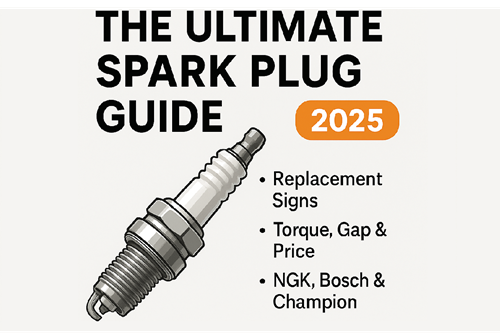
Credit: modernautoparts.co.za
Manufacturer Recommendations
Manufacturer recommendations are your best guide for deciding when to replace spark plugs. These guidelines come from extensive testing and are tailored to your vehicle’s specific engine design. Ignoring them can lead to reduced performance, lower fuel efficiency, and even engine damage.
Checking The Owner’s Manual
Your owner’s manual is the first place to look for spark plug replacement intervals. It provides exact mileage or time frames recommended by the manufacturer. Have you ever skipped checking the manual only to regret it later when your car started misfiring?
Besides mileage, the manual often suggests the right type of spark plug for your engine. Using the wrong type can cause issues like poor combustion or increased wear. Keep your manual handy or save a digital copy on your phone for quick reference.
Differences Between Spark Plug Types
Not all spark plugs are the same. Manufacturers specify types such as copper, platinum, or iridium based on your engine’s needs. Each type has different durability and performance characteristics.
- Copper plugsoffer good conductivity but wear out faster.
- Platinum plugslast longer and provide better performance in modern engines.
- Iridium plugsare the most durable and efficient but cost more.
Choosing the right type affects how often you need to replace them. Have you checked if your current plugs match the manufacturer’s recommendation?
Mileage Guidelines
Manufacturers often suggest replacing spark plugs within a specific mileage range, typically between 30,000 to 100,000 miles. This range varies depending on the spark plug type and engine design.
For example, copper plugs usually need replacement around 30,000 miles, while iridium plugs can last up to 100,000 miles. Tracking your mileage and planning replacements can save you from sudden engine trouble.
Do you keep a maintenance log for your vehicle? Recording your spark plug changes can help you stick to these guidelines and maintain smooth engine performance.
Impact On Engine Performance
The impact of replacing spark plugs on engine performance is significant. Spark plugs play a key role in igniting the fuel-air mixture inside the engine cylinders. Over time, worn or dirty spark plugs reduce this ignition efficiency. This leads to poor engine function, lower fuel economy, and higher emissions.
Regular replacement ensures the engine runs smoothly and efficiently. It helps maintain optimal combustion, power output, and cleaner exhaust gases.
Effect On Combustion
Fresh spark plugs create a strong spark for complete fuel ignition. This improves combustion quality. Worn plugs cause weak or inconsistent sparks, leading to partial combustion. Partial combustion wastes fuel and causes engine misfires. Clean plugs help the engine burn fuel evenly and fully.
Influence On Power Output
New spark plugs contribute to steady engine power. They allow the engine to produce maximum torque and horsepower. Old plugs reduce engine responsiveness and power delivery. This results in slower acceleration and rough idling. Replacing spark plugs restores engine strength and smoothness.
Emissions And Environmental Considerations
Efficient combustion from new spark plugs lowers harmful emissions. Poor ignition causes unburned fuel to exit the exhaust. This increases pollution and can damage emission systems. Keeping spark plugs in good condition helps meet emission standards. It supports cleaner air and a healthier environment.
Credit: www.terrylabontechevy.com
Factors Affecting Replacement Timing
Several factors influence the timing to replace spark plugs. These factors impact their performance and lifespan. Understanding them helps maintain engine efficiency and avoid sudden breakdowns.
Driving Conditions And Habits
Frequent short trips cause spark plugs to wear faster. Stop-and-go traffic puts more stress on the ignition system. Driving at high speeds or towing heavy loads increases spark plug wear. Smooth, steady driving extends their life span.
Engine Type And Age
Older engines often need spark plug changes more often. Newer engines might use advanced plugs that last longer. Some engines have specific spark plug types recommended by manufacturers. Engine condition also affects spark plug performance.
Quality Of Spark Plugs Used
High-quality spark plugs last longer and perform better. Cheaper plugs tend to wear out quickly and cause problems. Iridium and platinum spark plugs offer improved durability. Choosing the right type matches your vehicle’s needs and driving style.
Tools And Preparation
Replacing spark plugs needs proper tools and careful preparation. This ensures the job goes smoothly and safely. Knowing what tools to gather and how to prepare the engine saves time and avoids damage. Follow these simple steps to get ready for spark plug replacement.
Necessary Tools For Replacement
- Spark plug socket (usually 5/8″ or 13/16″)
- Ratchet wrench with extension
- Torque wrench to tighten plugs correctly
- Gap gauge to check spark plug gaps
- Dielectric grease to protect connections
- Compressed air or a brush to clean debris
- Gloves to protect your hands
Safety Precautions
- Work on a cool engine to avoid burns
- Disconnect the battery to prevent shocks
- Wear safety glasses to protect your eyes
- Keep the work area clean and dry
- Avoid loose clothing that can get caught
Preparing The Engine
Start by opening the hood and locating the spark plugs. Use compressed air or a brush to clear dirt around the plugs. This stops debris from entering the cylinder when plugs are removed. Carefully disconnect ignition wires or coils. Mark them to ensure correct reinstallation. Make sure the engine is cool and battery disconnected before starting work.
Step-by-step Replacement Process
Replacing spark plugs is key to keeping your engine running smoothly. This process improves fuel efficiency and engine performance. Follow these simple steps to replace spark plugs safely and correctly.
Removing Old Spark Plugs
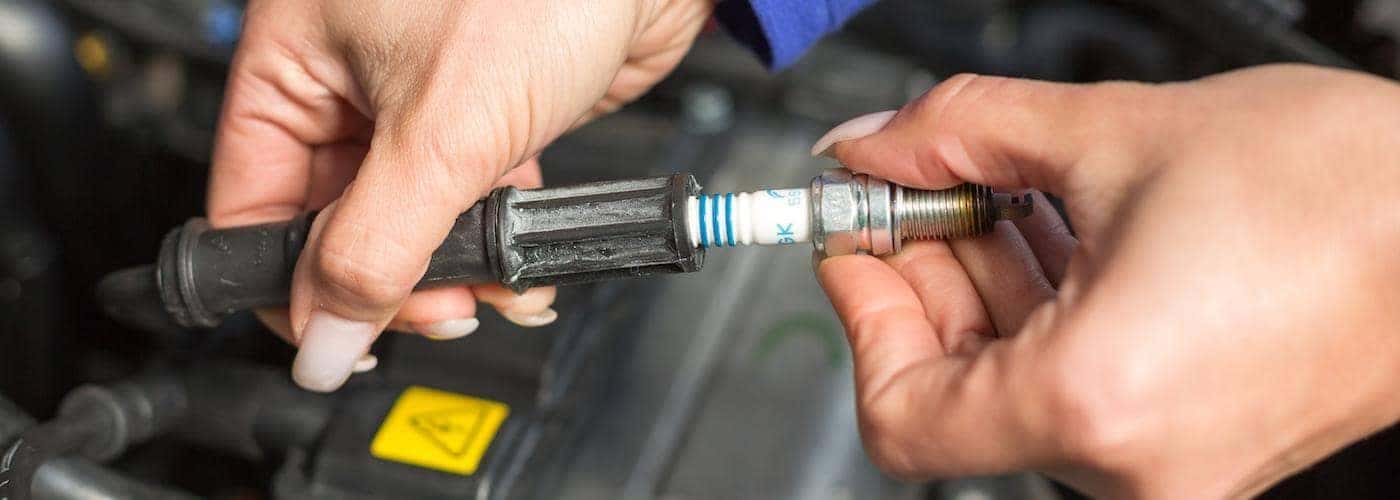
Start by turning off the engine and letting it cool down. Locate the spark plugs using your vehicle’s manual. Remove the spark plug wires carefully by pulling on the boot, not the wire. Use a spark plug socket and ratchet to unscrew each plug. Keep the old plugs to compare their condition with new ones.
Inspecting And Gapping New Plugs
Check new spark plugs for any damage or defects before installation. Measure the gap between the electrodes with a spark plug gap tool. Adjust the gap by gently bending the ground electrode. Match the gap to your vehicle manufacturer’s specifications, usually found in the owner’s manual.
Installing New Spark Plugs
Insert each new spark plug into the socket carefully. Thread the plug by hand to avoid cross-threading. Tighten the spark plug with a torque wrench to the recommended torque setting. Reattach the spark plug wires by pushing the boot firmly onto the plug. Double-check all connections before starting the engine.
Post-replacement Checks
After replacing spark plugs, several checks ensure your engine runs smoothly. These checks help confirm the repair was successful. They also catch any issues early. Taking time for these steps improves engine life and performance.
Testing Engine Performance
Start the engine and listen carefully for any unusual sounds. The engine should run smoothly without misfires or rough idling. Check for easy starts and steady acceleration. If the engine hesitates or stalls, recheck the spark plug installation. A smooth-running engine indicates good spark plug function.
Monitoring Fuel Economy
Track your fuel use over the next few days or weeks. New spark plugs often improve fuel efficiency. Note any changes in miles per gallon or liters per 100 kilometers. A steady or improved fuel economy means the spark plugs are working well. Poor fuel economy may signal a problem that needs attention.
Scheduling Future Maintenance
Set a reminder for your next spark plug check or replacement. Follow the vehicle manufacturer’s recommended intervals. Keeping to a schedule prevents engine problems. Regular maintenance keeps your car running reliably and saves money. Write down the date and mileage for your next spark plug service.

Credit: www.youtube.com
Frequently Asked Questions
When Should I Replace Spark Plugs In My Car?
You should replace spark plugs every 30,000 to 100,000 miles, depending on your vehicle and plug type. Check your owner’s manual for exact intervals.
How Do Worn Spark Plugs Affect Engine Performance?
Worn spark plugs cause misfires, poor fuel efficiency, and rough idling. Replacing them restores smooth engine operation and better mileage.
Can I Replace Spark Plugs Myself Safely?
Yes, with basic tools and knowledge, you can replace spark plugs at home. Follow your vehicle’s manual and ensure proper gap settings.
What Are Signs That Spark Plugs Need Replacement?
Look for engine misfires, difficulty starting, reduced acceleration, and increased fuel consumption. These symptoms often indicate worn or fouled spark plugs.
Conclusion
Regular spark plug checks ensure a healthy engine. Ignoring them can cause trouble. Replace spark plugs every 30,000 miles or as the manual suggests. Faulty plugs reduce fuel efficiency and power. Listen for engine misfires or poor acceleration. These are warning signs.
Timely replacement saves money and prevents damage. Always consult a professional for advice. Keep your vehicle running smoothly. Prioritize maintenance for a longer vehicle life. Regular checks mean fewer surprises on the road. Stay safe and enjoy your drive.





