
Have you ever wondered how many spark plugs your car actually has? You might think it’s just one or two, but the answer could surprise you.
Knowing this simple fact can help you understand your car better and even save you money on maintenance. You’ll discover exactly how many spark plugs are in most cars, why they matter, and how to tell if they need replacing.
Keep reading, because understanding this small part can make a big difference in your car’s performance and your driving experience.
Engine Types And Spark Plugs
Understanding engine types helps explain how many spark plugs a car needs. Each engine design uses spark plugs to ignite the fuel-air mix. The number of cylinders usually determines the spark plug count. Different engines have different spark plug setups for better performance and efficiency.
Spark Plugs In Four-cylinder Engines
Four-cylinder engines are common in many cars. Each cylinder needs one spark plug. That means a four-cylinder engine has four spark plugs. These engines are simpler and cost less to maintain. Spark plugs fire in sequence to keep the engine running smoothly.
Six-cylinder Engine Configurations
Six-cylinder engines come in two main layouts: inline and V-type. Inline six-cylinder engines have six spark plugs, one per cylinder. V6 engines also have six spark plugs but arranged in two banks of three. Both types require proper spark plug care for best performance.
Eight-cylinder Engines And Spark Plug Count
Eight-cylinder engines, often called V8s, have eight spark plugs. Each cylinder uses one plug to ignite fuel. Some V8 engines use two spark plugs per cylinder, doubling the total. This setup improves combustion and engine power but adds maintenance needs.

Credit: www.reddit.com
Factors Influencing Spark Plug Numbers
The number of spark plugs in a car depends on several factors. These factors affect how many spark plugs each engine uses. Understanding these can help explain why some cars have more spark plugs than others.
Spark plugs ignite the fuel-air mixture inside the engine cylinders. The design and performance needs of the engine influence the spark plug count. Let’s explore the main factors affecting spark plug numbers.
Single Vs. Double Spark Plugs Per Cylinder
Most engines use one spark plug per cylinder. Some engines have two spark plugs per cylinder for better ignition. Double plugs improve combustion by creating more flame fronts.
Engines with double plugs burn fuel more evenly and reduce emissions. This setup is common in certain performance and heavy-duty engines. It can increase engine efficiency and power output.
Impact Of Engine Design
Engine layout plays a big role in spark plug count. Inline engines have a straightforward spark plug setup. V-shaped or boxer engines may have different arrangements.
The number of cylinders directly affects how many spark plugs a car has. More cylinders mean more spark plugs. Some engines add extra plugs for better combustion control.
Role Of Performance Enhancements
High-performance engines often use extra spark plugs. This helps improve power and throttle response. Racing engines may have multiple plugs per cylinder for maximum ignition.
Turbocharged or supercharged engines sometimes add spark plugs. They need better combustion due to higher pressure and heat. Extra plugs help maintain smooth engine running.
Identifying Your Car’s Spark Plug Count
Knowing how many spark plugs your car has is essential for maintenance and repair tasks. The number of spark plugs typically matches the number of cylinders in your engine, but there are exceptions. Identifying the exact count helps you buy the right parts and avoid unnecessary expenses.
Checking The Owner’s Manual
Your car’s owner’s manual is the most reliable source for detailed information. It often includes a section on engine specifications that states the number of spark plugs. If you don’t have a physical copy, many manufacturers provide digital versions online for free.
Look under sections like “Engine” or “Maintenance.” This can save you time and prevent guesswork. Have you ever tried searching online forums only to find conflicting answers? The manual cuts through the noise.
Visual Inspection Techniques
Open your car’s hood and locate the engine block. Spark plugs are usually connected to thick wires called ignition wires or coil packs. Counting these wires can give you a quick estimate of how many spark plugs are installed.
Be cautious not to confuse spark plug wires with other cables. If your engine has coil-on-plug ignition, each coil usually covers one spark plug. Can you spot them without removing any parts? If not, a flashlight and a mirror can help illuminate hard-to-see areas.
Consulting A Professional Mechanic
If you’re unsure or uncomfortable inspecting the engine yourself, a professional mechanic is your best ally. Mechanics can identify the spark plug count quickly and recommend the right type for your specific engine model. Their experience prevents mistakes that could lead to engine problems.
Visiting a mechanic also gives you a chance to ask other maintenance questions. Have you ever hesitated to ask a pro because you thought your question was too simple? Don’t—getting clarity now saves headaches later.
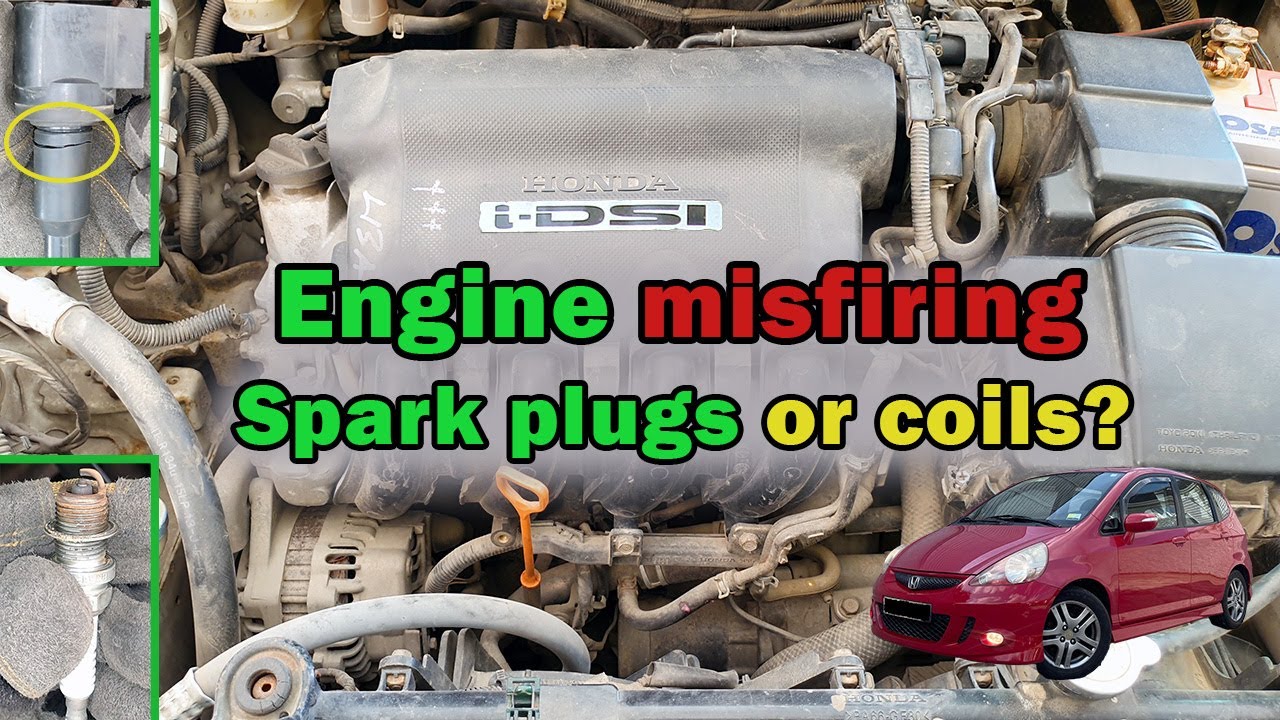
Credit: www.youtube.com
Spark Plug Maintenance Basics
Maintaining your car’s spark plugs is key to keeping the engine running smoothly. Neglecting them can lead to poor fuel efficiency, rough idling, and even engine misfires. Understanding the basics of spark plug maintenance helps you spot issues early and know when to replace them.
Signs Of Worn Or Faulty Spark Plugs
Have you noticed your car struggling to start or running unevenly? These are common signs that your spark plugs might be worn out. Other symptoms include:
- Decreased fuel efficiency
- Engine misfires or hesitation during acceleration
- Rough idling or vibrations
- Difficulty maintaining speed
Ignoring these signs can cause further engine damage. Checking your spark plugs periodically can save you from costly repairs.
Replacement Intervals
Most spark plugs need replacement between 30,000 to 100,000 miles, depending on the type and your driving habits. Have you checked your owner’s manual lately? It gives specific recommendations for your vehicle model.
High-performance or iridium plugs tend to last longer but still require regular inspection. If your engine feels sluggish or you notice any warning signs, don’t wait for the scheduled interval—inspect your plugs sooner.
Choosing The Right Spark Plug
Not all spark plugs are created equal. Your car’s engine needs plugs that match its design and performance requirements. Using the wrong type can cause misfires or damage the engine.
Look for plugs that match your manufacturer’s specifications, including heat range and electrode design. Consulting with a trusted mechanic or auto parts expert can help you make the best choice for your car and driving conditions.
Common Myths About Spark Plugs
Spark plugs often get misunderstood, leading to a lot of confusion about their role and impact on your car. Many drivers believe certain myths that can affect how they maintain or replace spark plugs. Let’s clear up some of the most common misconceptions so you can make smarter decisions about your vehicle’s performance.
More Spark Plugs Means More Power
It’s tempting to think adding more spark plugs will boost your car’s power. But the number of spark plugs is designed specifically for your engine type and cylinder count. Adding extra spark plugs won’t increase horsepower; it may actually cause engine problems or misfires.
Your engine needs one spark plug per cylinder to ignite the fuel-air mixture efficiently. So, focus on quality spark plugs rather than quantity to maintain power and performance.
Spark Plugs Affect Fuel Efficiency Alone
Many believe spark plugs alone control fuel efficiency. While they play a role in combustion, fuel efficiency depends on several factors. Air filter condition, tire pressure, driving habits, and engine tuning also have a big impact.
Replacing worn spark plugs can improve mileage, but don’t expect a magic fix. Instead, consider spark plugs as one part of a bigger puzzle in keeping your car running efficiently.
All Spark Plugs Are The Same
Not all spark plugs are created equal. They vary in materials, heat range, and design, tailored to different engines and driving conditions. Using the wrong type can lead to poor performance or even damage.
When I switched to the recommended iridium spark plugs for my car, I noticed smoother starts and better throttle response. Always check your vehicle’s manual or consult a mechanic before choosing spark plugs.

Credit: carfromjapan.com
Frequently Asked Questions
How Many Spark Plugs Does A Typical Car Engine Have?
Most cars have one spark plug per cylinder. Common engines have 4, 6, or 8 cylinders, so they have 4, 6, or 8 spark plugs. Some engines use two spark plugs per cylinder for better performance.
Why Do Some Cars Have More Than One Spark Plug Per Cylinder?
Some engines use two spark plugs per cylinder to improve combustion efficiency. This setup enhances fuel burning, reduces emissions, and increases power output. It’s common in performance or newer engines aiming for better fuel economy and lower emissions.
Can The Number Of Spark Plugs Affect Engine Performance?
Yes, the number of spark plugs impacts engine performance. More spark plugs can lead to better combustion and smoother running. However, the design depends on the engine type, and adding spark plugs isn’t always beneficial.
How Do I Know How Many Spark Plugs My Car Needs?
Check your car’s owner manual or service guide to find the exact number. You can also identify it by counting the cylinders on your engine. Online resources or a mechanic can provide specific information based on your car model.
Conclusion
Understanding your car’s spark plugs is crucial. They ignite the fuel-air mix. Most cars have one spark plug per cylinder. Some have more. Regular checks ensure optimal performance. Worn plugs affect engine efficiency. They can even cause misfires. Replacing them keeps your car running smoothly.
It’s a small part but very important. Knowing this helps you maintain your vehicle better. Always refer to your car manual. It provides specific details for your model. Proper maintenance extends your car’s life. Happy driving!





