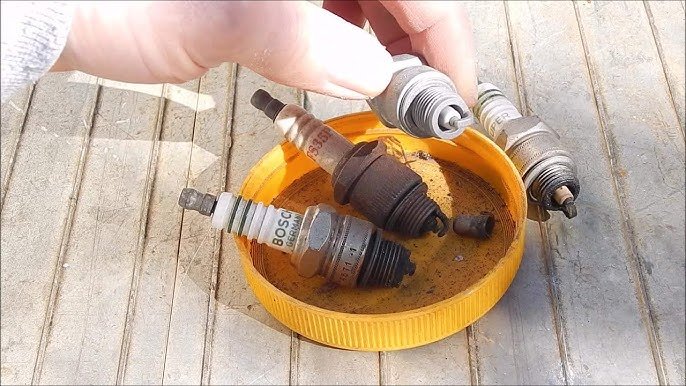
If your engine isn’t running as smoothly as it used to, dirty spark plugs might be the culprit. Knowing how to clean spark plugs can save you time and money, and help your vehicle perform better.
In this guide, you’ll discover simple, step-by-step methods to get your spark plugs looking and working like new. By the end, you’ll feel confident tackling this easy maintenance task yourself—and avoid unnecessary trips to the mechanic. Ready to boost your engine’s power and efficiency?
Let’s dive in.
Tools And Materials Needed
Cleaning spark plugs requires specific tools and materials for the best results. Using the right items ensures safety and efficiency. Prepare all necessary tools before starting the cleaning process. This saves time and prevents interruptions. Below are the essential tools and cleaning solutions needed to clean spark plugs effectively.
Essential Cleaning Tools
- Socket wrench with spark plug socket
- Wire brush or spark plug cleaner brush
- Compressed air can or air compressor
- Safety gloves to protect your hands
- Safety goggles to protect your eyes
- Small pick or toothpick for debris removal
- Clean cloth or rag for wiping
Recommended Cleaning Solutions
- Carburetor or brake cleaner spray
- Non-abrasive metal cleaner
- Isopropyl alcohol for final cleaning
- Water and mild soap for initial dirt removal

Credit: www.reddit.com
Removing Spark Plugs Safely
Removing spark plugs safely is a crucial step before cleaning them. If you rush or skip safety measures, you risk damaging your engine or hurting yourself. Taking your time and following proper steps ensures the job goes smoothly and your car runs better afterward.
Locating Spark Plugs
Finding the spark plugs may seem tricky if you’re new to car maintenance. They are usually located on the engine’s cylinder head and connected to thick wires or ignition coils. Consult your vehicle’s manual if you’re unsure—it often shows exact locations with clear diagrams.
Look for wires running from the ignition system to the engine block. Each wire leads to one spark plug. Removing these wires gently is important to avoid damage.
Using The Right Tools
Having the correct tools makes removing spark plugs easier and safer. A spark plug socket with a rubber insert is essential to grip the plug securely and prevent scratches. You’ll also need a ratchet wrench and an extension bar for better reach.
Using the wrong tools can strip the spark plug or break it inside the engine—something you want to avoid. Have a torque wrench ready if you plan to reinstall the plugs afterward; it ensures you don’t over-tighten or leave them too loose.
Precautions To Take
- Work on a cool engine:Removing spark plugs from a hot engine can cause burns and damage the plugs.
- Disconnect the battery:Prevents accidental shocks or electrical shorts while working with ignition components.
- Handle wires carefully:Pull wires by the boot, not the wire itself, to avoid damage.
- Use penetrating oil if needed:If a plug feels stuck, apply penetrating oil and wait before trying again to avoid snapping it.
Have you ever struggled with a stuck spark plug? Applying patience and the right oil can save you from costly repairs. Taking these precautions protects both you and your engine during the removal process.
Inspecting Spark Plugs
Inspecting your spark plugs is a key step before cleaning. It helps you spot any problems that could affect your engine’s performance. Taking a close look ensures you know exactly what kind of maintenance your spark plugs need.
Checking For Wear And Damage
Start by examining the spark plug’s electrode and insulator. Look for signs of erosion, cracks, or burning. Worn electrodes can cause weak sparks and misfires, reducing your engine’s efficiency.
Also, check the metal shell for corrosion or damage. If the threads are stripped or the plug looks physically damaged, replacement is often better than cleaning. Have you noticed any unusual engine noises or rough idling? These can hint at spark plug wear.
Identifying Deposits And Buildup
Deposits on spark plugs tell a lot about your engine’s condition. A light tan or grayish coating is normal, but heavy black soot points to a rich fuel mixture or oil leakage. White or blistered deposits might indicate overheating.
Use a wire brush or spark plug cleaner to gently remove carbon buildup. However, thick or hard deposits can damage the electrode surface, so assess carefully. Knowing these signs helps you decide if cleaning is enough or if replacement is necessary.
Cleaning Methods
Cleaning spark plugs properly can extend their life and improve engine performance. Different cleaning methods suit various levels of buildup and spark plug conditions. Choosing the right technique depends on how dirty your spark plugs are and what tools you have at hand.
Using A Wire Brush
A wire brush is a simple, effective tool for removing carbon deposits from spark plugs. Gently scrub the electrode and threads to avoid damage. Be cautious not to apply too much pressure, as this can wear down the metal parts.
Wire brushes are widely available and affordable, making them a popular choice. You can also use a toothbrush with stiff bristles if you don’t have a wire brush. Have you ever noticed how much cleaner your spark plugs run after a quick brushing session?
Applying Cleaning Solvent
Cleaning solvents break down stubborn grime and grease on spark plugs. Spray the solvent generously, then let it sit for a few minutes to loosen the deposits. After that, wipe the plug clean with a rag or paper towel.
Be sure to use a solvent designed for automotive parts to avoid corrosion. This method works well alongside a wire brush for a deeper clean. What’s your go-to solvent for making spark plugs look almost new again?
Alternative Cleaning Techniques
- Ultrasonic Cleaning:Uses sound waves in a liquid to remove dirt without scrubbing. It’s highly effective but requires special equipment.
- Sandblasting:Blasts abrasive material to clean off deposits quickly. Best for heavily fouled plugs but can be harsh if not done carefully.
- Electric Spark Cleaner:Sends controlled sparks through the plug to burn off carbon buildup. A quick and efficient option if available.
Have you tried any of these alternative methods? They might save you time and effort, especially if regular cleaning isn’t enough.
Drying And Reinstalling
After cleaning spark plugs, drying and reinstalling are key to engine performance. Moisture left on plugs can cause misfires or corrosion. Proper drying ensures plugs work well and last longer. Correct reinstalling prevents damage and keeps the engine running smoothly. Follow these simple tips for best results.
Proper Drying Techniques
Use a clean cloth to wipe off excess moisture. Let spark plugs air dry in a warm, dry place. Avoid using water or compressed air directly on the plugs. Do not use heat sources like open flames or hair dryers. These can damage the plug’s delicate parts. Wait until the plug is completely dry before reinstalling.
Correct Spark Plug Gap
Check the spark plug gap using a feeler gauge. The gap is the distance between the center and side electrodes. Use the vehicle’s manual to find the right gap size. Adjust the gap gently by bending the side electrode. An incorrect gap can cause poor engine performance and fuel waste.
Reinstalling Tips
- Thread spark plugs by hand to avoid cross-threading.
- Tighten plugs with a torque wrench to the recommended torque.
- Do not overtighten; this can strip the threads or damage the plug.
- Reconnect spark plug wires firmly to ensure a good connection.
- Check all plugs after installation for secure fit and proper wiring.

Credit: www.youtube.com
Maintenance Tips For Longevity
Keeping spark plugs clean and well-maintained helps your engine run smoothly. Proper care extends their life and improves vehicle performance. Simple habits can prevent damage and buildup on spark plugs. Follow these tips to maintain spark plugs for longer use.
Regular Inspection Schedule
Check spark plugs every 30,000 miles or as your car manual advises. Look for signs like:
- Carbon deposits or soot
- Worn or damaged electrodes
- Oil or fuel fouling
- Cracks or corrosion
Inspect spark plugs carefully to catch problems early. Replace or clean plugs that show wear. Keeping a routine inspection helps avoid engine misfires and poor fuel economy.
Preventing Future Buildup
Use quality fuel and oil to reduce deposits on spark plugs. Avoid short trips that don’t let the engine fully warm up. Excess moisture and carbon can build up from cold starts.
Keep the air filter clean and replace it regularly. A dirty filter allows dirt to pass through, causing spark plug fouling. Proper engine tuning also helps maintain clean plugs. It controls fuel mixture and ignition timing.
Signs You Need To Replace Spark Plugs
Spark plugs play a crucial role in your engine’s performance. Over time, they wear out and need replacement. Spotting the signs early can save you from bigger engine problems and costly repairs. Watch for changes in how your vehicle runs and check the spark plugs visually to know when it is time to replace them.
Performance Issues
- Engine misfires or runs roughly during acceleration
- Difficulty starting the engine or longer starting time
- Reduced fuel efficiency and increased gas consumption
- Loss of power or sluggish engine response
- Engine idles unevenly or stalls frequently
Visual Indicators
- Electrode worn down or rounded instead of sharp
- Heavy deposits of black soot or oily residue
- Cracks or chips on the ceramic insulator
- Corrosion or rust on the metal parts
- Gap between electrodes too wide or uneven

Credit: www.youtube.com
Frequently Asked Questions
How Often Should Spark Plugs Be Cleaned?
Spark plugs should be cleaned every 30,000 miles or as recommended by your vehicle manual. Regular cleaning ensures optimal engine performance and fuel efficiency.
What Tools Are Needed To Clean Spark Plugs?
To clean spark plugs, you need a spark plug socket, wire brush, carburetor cleaner, and compressed air. These tools help remove carbon deposits effectively.
Can Spark Plugs Be Cleaned Instead Of Replaced?
Yes, spark plugs can be cleaned if they are not worn or damaged. Cleaning removes deposits and restores spark efficiency, extending their lifespan.
How To Identify Dirty Spark Plugs?
Dirty spark plugs show black, sooty deposits or oily residue on the electrode. This indicates poor combustion or engine problems needing attention.
Conclusion
Cleaning spark plugs can boost your car’s performance. A simple task. But it makes a big difference. Keep your tools ready. Follow the steps carefully. Remove dirt and deposits. Check for wear and tear. Replace if needed. Regular maintenance helps.
It ensures smooth engine operation. Saves fuel too. Remember, clean spark plugs mean better efficiency. Don’t overlook this important task. Your car will thank you. Happy driving!





