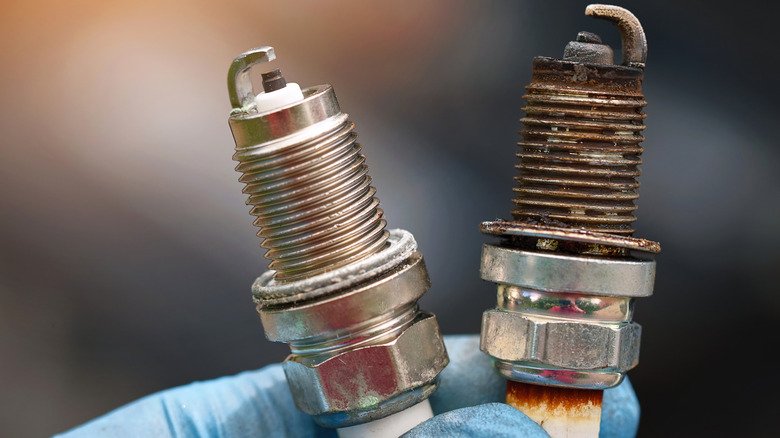
Have you ever wondered how often you should change your spark plugs? Knowing the right time can save you money and prevent engine trouble.
If your car isn’t running smoothly or you want to avoid unexpected breakdowns, understanding how long spark plugs last is key. You’ll discover simple signs to watch for and expert tips to keep your engine firing strong. Keep reading, and you’ll never have to guess when it’s time for new spark plugs again.
Spark Plug Lifespan Basics
Spark plugs are small but essential parts of a car’s engine. They help ignite the fuel-air mix inside the engine cylinders. Knowing how long spark plugs last helps keep your car running smoothly. It also saves money by avoiding early replacements or engine damage.
Understanding spark plug lifespan starts with knowing typical mileage ranges and the factors that affect how long they last. This knowledge helps you plan maintenance better.
Typical Mileage Range
Most spark plugs last between 30,000 and 100,000 miles. The exact range depends on the type of spark plug and vehicle. Copper spark plugs usually last about 20,000 to 40,000 miles. Platinum and iridium spark plugs can last up to 100,000 miles. Regular inspections help catch wear before it causes problems.
Factors Affecting Longevity
- Driving Habits:Frequent short trips or stop-and-go traffic wear plugs faster.
- Engine Type:High-performance engines may need spark plugs replaced more often.
- Fuel Quality:Poor fuel can cause deposits that reduce spark plug life.
- Maintenance:Regular tune-ups and oil changes help keep spark plugs in good shape.
- Environmental Conditions:Extreme temperatures and dust can shorten plug life.

Credit: www.r6messagenet.com
Types Of Spark Plugs
Choosing the right type of spark plug can significantly affect how long it lasts and how well your engine performs. Each spark plug type offers unique benefits and lifespans, so understanding the differences helps you make smarter maintenance choices. Let’s break down the main types: copper, platinum, and iridium spark plugs.
Copper Spark Plugs
Copper spark plugs are the most basic and usually the least expensive option. They have a solid copper core that conducts electricity well, which helps with quick starts and good performance. However, their lifespan is shorter, typically lasting around 20,000 to 30,000 miles.
If you drive an older car or one that doesn’t require high-performance plugs, copper plugs can be a good fit. But ask yourself: are you okay with changing spark plugs more often?
Platinum Spark Plugs
Platinum spark plugs last longer than copper ones, usually between 60,000 to 100,000 miles. They have a platinum disc welded to the center electrode, which resists wear better than copper. This means more consistent performance over time and less frequent replacements.
Many modern vehicles benefit from platinum plugs because they balance durability and cost effectively. Would you rather invest a bit more now to save time and hassle later?
Iridium Spark Plugs
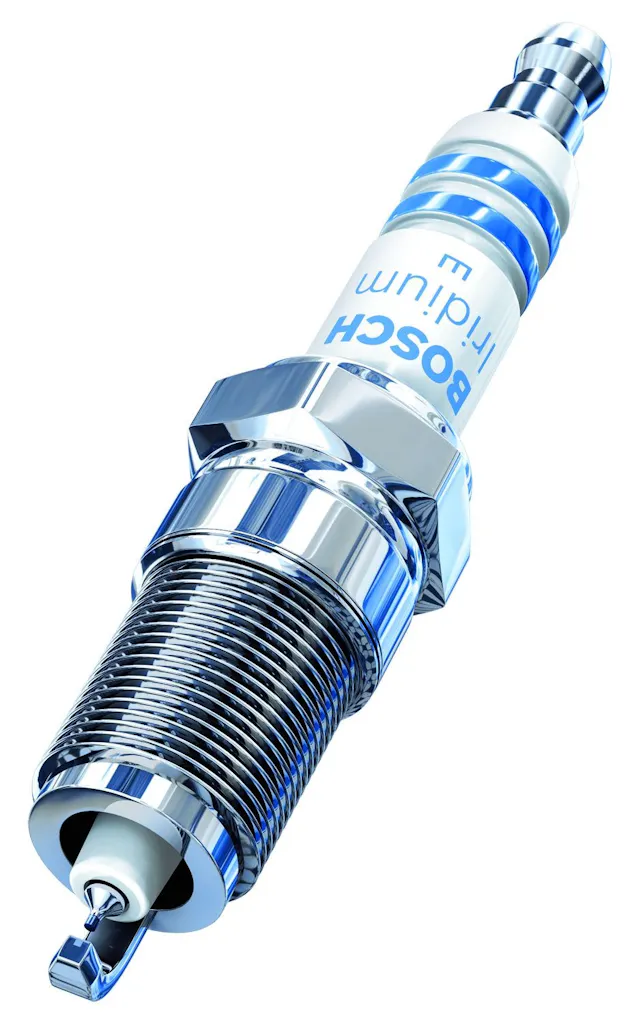
Iridium spark plugs are the top choice for durability and performance. Iridium is a very hard metal, so these plugs can last up to 120,000 miles or more. They provide a strong, reliable spark that improves fuel efficiency and reduces emissions.
If you want the best long-term value and don’t mind paying a premium upfront, iridium plugs are worth considering. How much do you value extended intervals between spark plug changes?
Signs Of Worn Spark Plugs
Worn spark plugs can silently undermine your vehicle’s performance before you even realize there’s a problem. Recognizing the signs early helps you avoid costly repairs and keeps your engine running smoothly. Pay close attention to how your car behaves—it often signals when spark plugs need attention.
Engine Misfires
One of the clearest signs of worn spark plugs is engine misfires. You might notice your engine hesitating or jerking while driving. This happens because the spark plugs struggle to ignite the fuel-air mixture consistently.
If your car suddenly feels less powerful or you hear unusual popping sounds, don’t ignore it. These symptoms often point to spark plugs losing their ability to deliver a strong spark. Have you ever felt your car hesitate just as you were about to merge onto a highway? That could be a misfire warning.
Poor Fuel Economy
Are you filling up your gas tank more often than usual? Worn spark plugs can cause your engine to burn more fuel than necessary. When the spark isn’t strong enough, your engine compensates by using extra fuel to maintain power.
Tracking your mileage can reveal this issue early. If you notice a sudden drop in fuel efficiency, it’s time to check your spark plugs. Saving a few dollars on gas might just start with a simple spark plug replacement.
Starting Problems
Do you find your car harder to start on cold mornings? Worn spark plugs can make ignition difficult, leaving you turning the key multiple times before the engine fires up. This struggle happens because weak spark plugs fail to ignite the fuel mixture quickly.
Don’t ignore slow starts—they often signal that your spark plugs are past their prime. Replacing them can restore quick, reliable starts and save you from frustrating delays. How often do you experience this delay before the engine finally roars to life?
Credit: www.moderntiredealer.com
Maintenance Tips To Extend Life
Maintaining spark plugs properly helps them last longer and work better. Simple care can prevent early wear and improve engine performance. Follow these tips to keep spark plugs in top shape.
Regular Inspections
Check spark plugs often to spot wear or damage early. Look for cracks, corrosion, or heavy deposits. Replace plugs if they look worn or dirty. Regular checks avoid engine problems and save money on repairs.
Proper Installation
Install spark plugs correctly to avoid damage and poor performance. Use the right tools and tighten plugs to the correct torque. Cross-threading or over-tightening can harm the engine. Follow the car manual for exact steps and specifications.
Cleaning Techniques
Clean spark plugs gently to remove dirt and deposits. Use a soft brush or spark plug cleaner tool. Avoid harsh chemicals that can damage the plug surface. Clean plugs help maintain strong sparks and smooth engine running.
When To Replace Spark Plugs
Knowing the right time to replace spark plugs keeps your car running smoothly. Worn spark plugs can cause engine trouble and reduce fuel efficiency. Watch for clear signs and follow mileage recommendations to decide when to change them.
Mileage Guidelines
Most spark plugs last between 30,000 and 100,000 miles. The exact number depends on the type and brand. Copper plugs wear out faster, often around 30,000 miles. Platinum and iridium plugs usually last longer, up to 100,000 miles.
Check your car’s manual for specific advice. Regular maintenance helps avoid sudden problems. Replacing spark plugs on time keeps your engine healthy and fuel use low.
Performance Indicators
Watch your car’s performance for signs of spark plug wear. Common issues include:
- Engine misfires or rough idling
- Difficulty starting the engine
- Decreased fuel economy
- Slower acceleration or power loss
- Unusual noises from the engine
These symptoms often mean the spark plugs need replacement. Ignoring them can lead to bigger engine problems. Regular checks help catch these issues early.

Credit: www.reddit.com
Impact On Vehicle Performance
Understanding how spark plugs affect your vehicle’s performance can save you money and enhance your driving experience. Worn-out spark plugs don’t just cause a rough start; they can silently drag down your car’s efficiency and power. Let’s break down how these small components make a big difference in key areas.
Fuel Efficiency
Old or damaged spark plugs cause incomplete combustion in the engine. This means your car burns more fuel to maintain the same speed.
You might notice your fuel gauge dropping faster than usual. Have you ever wondered why your mileage suddenly worsened? Checking your spark plugs might be the answer.
Engine Power
Your engine’s strength depends on a precise spark at the right moment. Faulty spark plugs can lead to misfires, causing hesitation and sluggish acceleration.
When was the last time your car felt truly responsive? If it feels like it’s lagging, worn spark plugs could be the culprit.
Emissions
Incomplete combustion caused by bad spark plugs increases harmful emissions. This not only harms the environment but can cause your vehicle to fail emission tests.
Reducing your car’s pollution starts with maintaining the spark plugs. Are you willing to risk fines or repairs for neglecting this simple part?
Frequently Asked Questions
How Long Do Spark Plugs Typically Last?
Spark plugs usually last between 30,000 to 100,000 miles. The exact lifespan depends on the type and driving conditions. Regular maintenance can extend their durability and keep your engine running smoothly.
What Signs Indicate Spark Plugs Need Replacement?
Common signs include engine misfires, poor fuel economy, and rough idling. If your car struggles to start or accelerates sluggishly, check the spark plugs. Timely replacement prevents engine damage and improves performance.
Can Spark Plugs Affect Fuel Efficiency?
Yes, worn spark plugs reduce fuel efficiency by causing incomplete combustion. Replacing spark plugs restores optimal engine performance and saves fuel. Regular checks help maintain better mileage and reduce emissions.
How Often Should I Inspect Spark Plugs?
Inspect spark plugs every 30,000 miles or during scheduled maintenance. Frequent inspection detects wear early and avoids costly repairs. Consult your vehicle manual for specific recommendations based on your car model.
Conclusion
Spark plugs are vital for engine performance. Lifespan varies by type and usage. Regular checks ensure they work efficiently. Replace them when you notice issues like misfiring or poor fuel economy. Proper maintenance extends their life. Spark plugs typically last 20,000 to 100,000 miles.
Always consult your vehicle’s manual for guidance. Quality spark plugs last longer and perform better. Keep your engine in top shape. Regular tune-ups help. Be proactive, not reactive. A little attention now prevents bigger problems later. Keep your car running smoothly with timely spark plug care.





