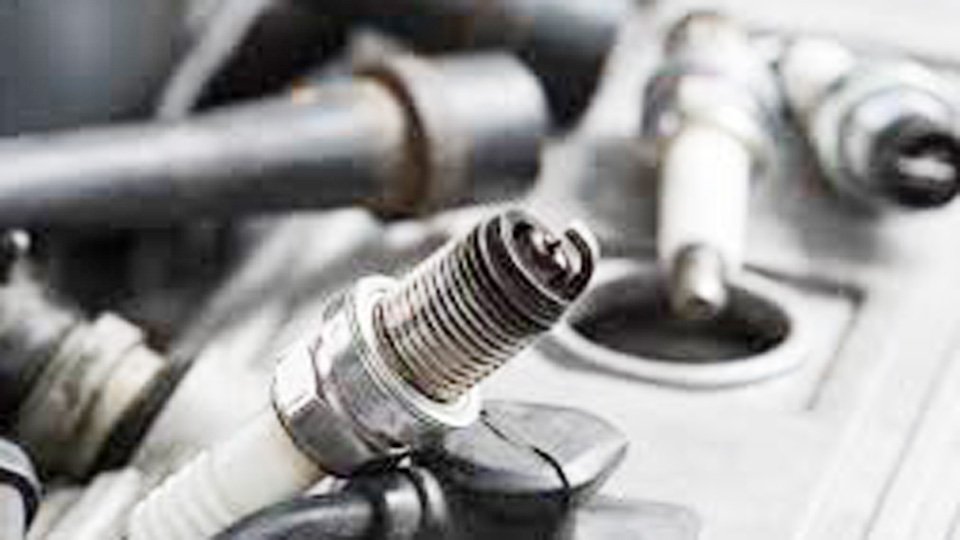
Have you ever turned your key only to hear your car struggle or refuse to start? One of the hidden culprits behind this frustrating moment could be bad spark plugs.
These small parts play a huge role in getting your engine running smoothly. But can worn-out or faulty spark plugs actually stop your car from starting? If you want to avoid getting stuck or spending money on unnecessary repairs, understanding how spark plugs affect your car’s ignition is crucial.
Keep reading to discover the surprising truth and learn what you can do to keep your engine firing up every time.
Role Of Spark Plugs
Spark plugs play a vital role in a car’s engine. They create the spark needed to ignite the air-fuel mixture inside the engine cylinders. This ignition starts the engine and keeps it running smoothly. Without properly working spark plugs, the engine may struggle to start or fail to start at all.
How Spark Plugs Work
Spark plugs receive high voltage from the ignition system. They produce a tiny spark between their electrodes. This spark ignites the air and fuel mixture inside the combustion chamber. The explosion pushes the piston down, creating power to move the car.
Each cylinder in the engine has one spark plug. They work in a timed sequence to keep the engine running. Spark plugs must be clean and properly gapped to work well. Dirty or worn plugs cause weak sparks or no sparks at all.
Importance In Engine Ignition
Spark plugs are critical for starting the engine. Without a spark, fuel cannot ignite. This stops the engine from running. Good spark plugs improve fuel efficiency and reduce emissions.
Bad or worn spark plugs cause:
- Hard starting or no start
- Rough idling or misfires
- Poor acceleration
- Increased fuel consumption
Regular spark plug checks help avoid these problems. Replacing bad spark plugs ensures reliable engine ignition and smooth performance.
Signs Of Bad Spark Plugs
Identifying the signs of bad spark plugs early can save you from a frustrating no-start situation and costly repairs. Spark plugs play a crucial role in igniting the fuel-air mixture in your engine. When they start to fail, your car will show clear symptoms that you shouldn’t ignore.
Engine Misfires And Rough Idling
Have you noticed your engine hesitating or jerking while driving? This is often caused by spark plugs that can’t consistently ignite the fuel. Rough idling, where the engine feels shaky or uneven, is another telltale sign. These symptoms happen because bad spark plugs disrupt smooth combustion, affecting your car’s performance.
Poor Fuel Economy
Are you filling up your tank more often than usual? Faulty spark plugs can lead to incomplete combustion, wasting fuel. This means your car burns more gas to produce the same power. Watching your fuel gauge drop faster than normal might be a direct hint that your spark plugs need checking.
Difficulty Starting The Car
Have you ever turned the key and heard your engine struggle or fail to start? Weak or fouled spark plugs can make ignition difficult. Without a strong spark, the engine won’t fire up efficiently, leaving you stuck in the driveway. If starting your car feels like a battle, it’s time to inspect those spark plugs.
Can Bad Spark Plugs Prevent Starting?
Bad spark plugs can cause your car not to start. They play a key role in the ignition system. Without a strong spark, the engine struggles to turn over. This section explains how faulty spark plugs affect starting.
Impact On Ignition Process
Spark plugs ignite the air-fuel mixture in the engine cylinders. When they wear out, the spark weakens or stops. This weak spark fails to ignite the fuel properly. The engine may crank but not catch. Poor spark plugs cause misfires and rough idling. Starting becomes difficult or impossible in severe cases.
When Spark Plugs Alone Stop The Engine
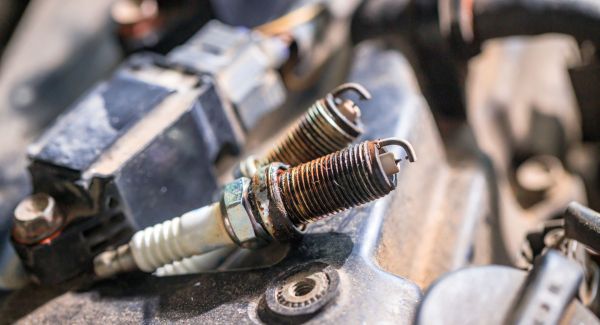
Old or damaged spark plugs can prevent the engine from starting alone. Carbon buildup or worn electrodes stop the spark from jumping the gap. Moisture or oil fouling can also block ignition. If all spark plugs fail, the engine won’t fire. This leads to a no-start condition without other issues present.

Credit: craigscarcare.com
Other Causes Of Starting Issues
Starting problems in a car can stem from various issues beyond bad spark plugs. Identifying the exact cause helps fix the problem quickly. Several key areas can affect a car’s ability to start.
Battery And Starter Problems
The battery supplies power to start the engine. A weak or dead battery often causes starting failure. Corroded or loose battery connections also block power flow.
The starter motor turns the engine over. Faulty starters can fail to crank the engine. Listen for clicking sounds, which may signal starter issues.
Fuel System Failures
The engine needs fuel to start and run. A clogged fuel filter stops fuel from reaching the engine. A failing fuel pump cannot deliver enough fuel pressure.
Empty fuel tanks or bad fuel quality also cause starting troubles. Fuel injectors may get dirty or clogged, affecting fuel delivery.
Ignition System Faults
The ignition system creates the spark to ignite fuel. Faulty ignition coils reduce spark strength. Worn distributor caps or ignition wires cause weak or no spark.
Malfunctioning sensors like the crankshaft or camshaft position sensor may stop the ignition process. These faults prevent the engine from starting properly.
Diagnosing Spark Plug Problems
Diagnosing spark plug problems is key to fixing a car that won’t start. Spark plugs create the spark needed to ignite the fuel-air mix in the engine. When they fail, the engine struggles or refuses to start. Identifying the problem early saves time and money.
Visual Inspection Tips
Check spark plugs for cracks or heavy deposits. Look for signs like:
- Black soot or carbon buildup
- Oily or wet plugs
- Worn or eroded electrodes
- Cracked porcelain insulator
- Gaps that are too wide or narrow
Clean spark plugs may still have hidden damage, so inspection must be thorough. Use a flashlight for a better view.
Using Diagnostic Tools
Use a spark plug tester to check spark strength. A weak or no spark means a bad plug or ignition issue. Multimeters can measure resistance in some plugs.
Engine diagnostic scanners read error codes from the car’s computer. Codes related to misfires often point to spark plug problems.
Compression testers help check if engine issues come from spark plugs or other parts. Correct tools make diagnosis faster and more accurate.
Credit: www.waynesgarageinc.net
Fixing And Replacing Spark Plugs
Fixing and replacing spark plugs is a crucial task if your car struggles to start or runs unevenly. Spark plugs deliver the spark needed to ignite the fuel-air mixture inside the engine. Over time, they wear out or get fouled, causing misfires or no starts at all. Knowing how to pick the right spark plugs and replace them properly can save you time and money while improving your car’s performance.
Choosing The Right Spark Plugs
Not all spark plugs fit every car. You need to match the spark plug’s size, heat range, and material to your vehicle’s specifications. Check your owner’s manual or consult with a trusted auto parts store for the exact type your engine requires.
Consider the differences between copper, platinum, and iridium plugs. Copper plugs offer good performance but wear out faster. Iridium plugs last longer and provide better ignition but cost more upfront. Think about your driving habits and how often you want to replace them.
Step-by-step Replacement Guide
- Start with a cool engine to avoid burns or damage.
- Locate the spark plugs by following the ignition wires or coil packs.
- Remove the ignition wires or coils carefully to expose the plugs.
- Use a spark plug socket and ratchet to unscrew the old plugs gently.
- Check the gap on the new spark plugs with a gap tool; adjust if necessary.
- Insert the new plugs by hand to avoid cross-threading, then tighten with the socket.
- Reconnect the ignition wires or coil packs firmly.
- Start the engine to test if it runs smoothly.
Have you ever struggled with a car that wouldn’t start, only to find a single faulty spark plug was the culprit? Taking the time to replace them yourself can be satisfying and help you understand your vehicle better. What’s stopping you from trying it out on your next tune-up?
Preventive Maintenance Tips
Keeping your spark plugs in good shape is key to avoiding unexpected car troubles. Preventive maintenance not only extends the life of your engine but also saves you from the frustration of a car that won’t start. Let’s look at some practical steps you can take to keep spark plugs firing perfectly every time.
Regular Inspection Intervals
Checking your spark plugs regularly helps catch problems before they stop your car from starting. Most manufacturers suggest inspecting spark plugs every 30,000 miles, but this can vary depending on your vehicle and driving habits.
Set reminders on your phone or calendar to stay on top of these inspections. If you drive in harsh conditions—like dusty roads or heavy stop-and-go traffic—consider checking them more often. Have you ever skipped an inspection only to get stranded? Staying ahead avoids that hassle.
Signs To Watch For
Knowing the warning signs of bad spark plugs can save you time and money. Look out for:
- Engine misfires or rough idling
- Difficulty starting the engine
- Poor fuel economy
- Loss of acceleration or power
If you notice any of these, inspect your spark plugs immediately. Sometimes a quick look under the hood reveals worn or fouled plugs. Don’t wait until your car won’t start to take action—catching these signs early can keep you moving smoothly.

Credit: www.reddit.com
Frequently Asked Questions
Can Bad Spark Plugs Prevent A Car From Starting?
Yes, bad spark plugs can cause a car not to start. They fail to ignite the air-fuel mixture. Without ignition, the engine won’t run, leading to starting issues.
How Do Faulty Spark Plugs Affect Engine Performance?
Faulty spark plugs cause misfires, rough idling, and poor acceleration. They reduce fuel efficiency and increase emissions. This impacts overall engine performance significantly.
What Are The Signs Of Bad Spark Plugs?
Common signs include difficulty starting, engine misfires, poor fuel economy, and rough idling. You might also notice reduced power and increased exhaust emissions.
How Often Should Spark Plugs Be Replaced?
Spark plugs generally need replacement every 30,000 to 100,000 miles. Check your vehicle’s manual for specific intervals. Regular replacement ensures optimal engine performance.
Conclusion
Bad spark plugs can cause your car not to start. They disrupt the ignition process. Regular checks help avoid this issue. Replace worn-out plugs promptly. It keeps your car running smoothly. Ignoring bad spark plugs can lead to bigger problems.
So, always pay attention to your car’s performance. Notice any unusual sounds or starting troubles? It might be time for a spark plug check. Taking care of this small part can save you from major headaches. Keep your car in top shape and enjoy a hassle-free drive.
Your car will thank you.





