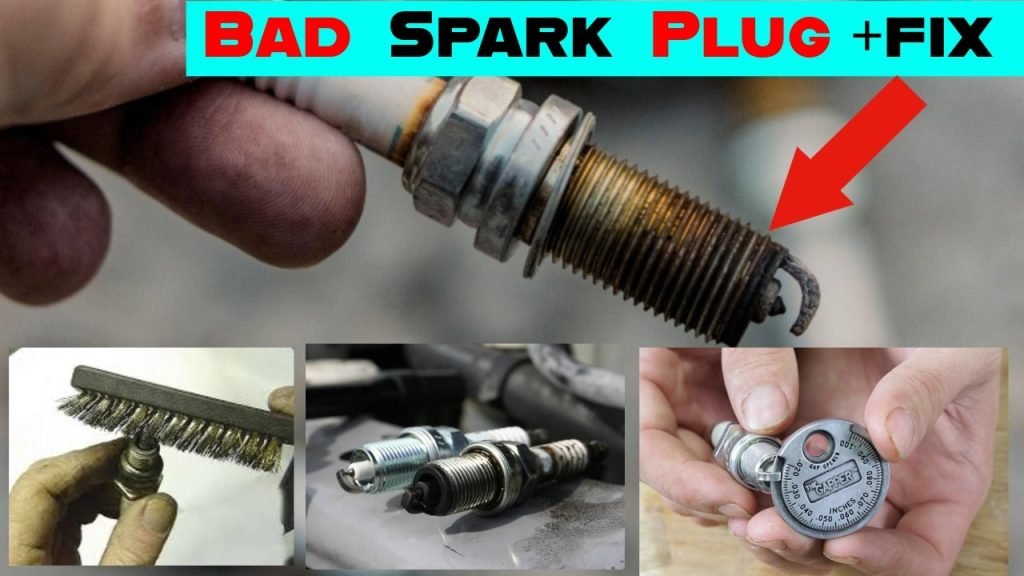
Are you wondering if your car’s spark plugs are causing trouble? Spark plugs play a small but vital role in keeping your engine running smoothly.
When they go bad, your vehicle can struggle to start, lose power, or even waste fuel. But how can you tell if your spark plugs need attention before things get worse? You’ll discover simple signs to watch for and easy ways to check your spark plugs.
By the end, you’ll know exactly what steps to take to keep your car in top shape. Keep reading—it’s easier than you think!

Credit: www.toyotanation.com
Common Spark Plug Problems
Identifying common spark plug problems early can save you from costly repairs and keep your engine running smoothly. Spark plugs play a crucial role in igniting the fuel-air mixture, so any issues with them directly affect your vehicle’s performance. Let’s look at some typical spark plug problems that you might encounter and how to spot them.
Worn Electrodes
Electrodes wear down over time due to constant sparking and heat exposure. When the gap between the center and ground electrodes widens, the spark becomes weak or inconsistent.
You might notice rough idling, poor acceleration, or difficulty starting your engine. Checking the electrode condition during routine maintenance can help you avoid these issues.
Carbon Deposits
Black, dry, and sooty deposits on the spark plug indicate carbon fouling. This usually happens if your engine is running too rich or if you frequently make short trips where the engine doesn’t fully warm up.
Carbon buildup can cause misfires and reduce fuel efficiency. Cleaning the plugs or adjusting your fuel mixture might be necessary to fix this.
Oil Fouling
If your spark plugs look wet and oily, this could be a sign of oil leaking into the combustion chamber. Worn valve guides or piston rings often cause this problem.
Oil fouling leads to weak sparks and engine misfires. You’ll want to address the underlying engine issue along with replacing the plugs to prevent repeated fouling.
Overheating Damage
Overheating can cause the spark plug’s insulator to crack or the electrodes to melt. This damage is often due to incorrect spark plug heat range or engine cooling problems.
Symptoms include pinging sounds, loss of power, and engine knocking. Replacing the plugs with the correct type and checking your cooling system can help solve this issue.
Credit: www.zx6r.com
Signs Of Bad Spark Plugs
Recognizing the signs of bad spark plugs early can save you from costly repairs and keep your car running smoothly. Faulty spark plugs often cause subtle issues that worsen over time. Paying attention to these warning signs helps you address problems before they lead to breakdowns.
Engine Misfires
One of the most common signs of bad spark plugs is engine misfires. Your engine might hesitate or jerk unexpectedly while driving. This happens because the spark plugs fail to ignite the fuel-air mixture consistently, disrupting the engine’s rhythm.
Poor Fuel Economy
If you notice a sudden drop in your car’s fuel efficiency, bad spark plugs could be the culprit. Faulty plugs cause incomplete combustion, which wastes fuel. You might find yourself filling up the tank more often than usual without changing your driving habits.
Difficulty Starting
Struggling to start your car can indicate spark plug issues. When plugs are worn out, they can’t create the strong spark needed to ignite the engine properly. This often leads to longer cranking times or the engine failing to start at all.
Rough Idling
Does your car shake or sound rough when idling? This could point to bad spark plugs. Worn plugs cause uneven firing in the cylinders, leading to vibrations and an unstable engine idle.
Lack Of Acceleration
Feeling a lag when you press the gas pedal is another sign to watch for. Bad spark plugs reduce the engine’s power output, making acceleration sluggish. This can be frustrating, especially when merging onto highways or overtaking other vehicles.
Visual Inspection Tips
Visual inspection of your spark plugs can reveal a lot about their condition and help you decide if they need replacing. You don’t need fancy tools—just a careful eye and a little patience. Let’s break down what to look for so you can spot trouble early and keep your engine running smoothly.
Removing The Spark Plug
Before you inspect, you need to safely remove the spark plug. Make sure your engine is cool to avoid burns. Use a spark plug socket with a ratchet to loosen it gently—turn counterclockwise until it comes free.
Keep track of each plug’s position if you’re checking multiple ones. This helps you compare wear patterns and identify if only one cylinder is causing issues. Have you ever noticed one plug looking worse than the others? That’s a big clue about engine health.
Checking Electrode Wear
The electrode is the small metal tip that creates the spark. Check if it looks rounded, worn down, or eroded. Sharp, crisp edges mean your spark plug is still good; if it’s worn flat, it’s time for a new one.
Electrode wear can cause weak sparks, leading to misfires or poor fuel economy. Look closely at the gap between the electrode and ground strap—if it’s too wide or uneven, your plug won’t fire correctly. Have you measured this gap with a feeler gauge before?
Identifying Deposits
Deposits on the spark plug can tell you about your engine’s combustion process. Black, sooty deposits usually mean a rich fuel mixture or poor ignition. White or ash-colored deposits might point to oil leaks or coolant entering the combustion chamber.
Sticky or oily deposits are another red flag, often indicating oil burning inside the engine. These build-ups can prevent the spark plug from firing properly, causing rough idling or hard starts. Did you know that even small changes in deposit color can hint at different engine problems?
Inspecting The Insulator
The ceramic insulator surrounds the electrode and should be clean and intact. Look for cracks, chips, or glazing on the insulator surface. Damage here can cause misfires by allowing the spark to jump to the engine block instead of the electrode gap.
Discoloration or burn marks on the insulator can also signal overheating. If you spot any of these issues, replacing the spark plug can save you from bigger engine troubles. How often do you check your spark plugs for these subtle signs?
Testing Spark Plug Performance
Testing spark plug performance is essential to keep your engine running smoothly. Faulty spark plugs can cause misfires, poor fuel economy, and rough idling. Knowing how to check them yourself saves time and money on unnecessary replacements.
Using A Spark Tester
A spark tester is a simple tool that helps you see if your spark plugs are firing correctly. Attach the tester between the spark plug wire and the plug itself. When you crank the engine, a bright blue spark inside the tester indicates the plug is working.
If the spark is weak or absent, your plug may be worn out or damaged. I once fixed a hesitation issue just by spotting a weak spark during this quick test. It’s an easy first step anyone can try.
Multimeter Resistance Check
You can also measure the resistance of a spark plug with a multimeter. Set your multimeter to the ohms (Ω) setting and touch the probes to the plug’s terminal and the metal shell. A good spark plug usually shows low resistance, often between 4,000 to 8,000 ohms.
High or infinite resistance means the plug’s internal wire is broken or corroded. This test gives you a clear number to compare against your vehicle’s specifications. Have you checked your spark plugs’ resistance before? It might reveal hidden problems you didn’t notice.
Engine Diagnostic Tools
Modern vehicles often come with onboard diagnostics (OBD) systems that can detect spark plug issues. Using a code reader or scan tool, you can find misfire codes like P0300, which point to spark problems. This helps you identify exactly which cylinder is acting up.
These tools provide detailed information beyond just spark plug health, including ignition timing and fuel mixture. If you want to go beyond guesswork, connecting a diagnostic scanner can pinpoint issues quickly. Do you have access to an OBD scanner? It might be the smartest investment for your car care toolkit.
When To Replace Spark Plugs
Knowing when to replace your spark plugs can save you from unexpected car trouble and help maintain smooth engine performance. Spark plugs wear out over time, but the right moment to change them depends on several factors. Paying attention to these signs can help you avoid costly repairs and keep your vehicle running efficiently.
Mileage Guidelines
Most spark plugs last between 30,000 to 100,000 miles, but this varies by type and driving conditions. Standard copper plugs often need replacement around 30,000 miles, while platinum or iridium plugs can last up to 100,000 miles.
Check your car’s manual for specific mileage recommendations. Ignoring these guidelines might cause rough idling or reduced fuel efficiency.
Performance Symptoms
Have you noticed your car hesitating during acceleration or struggling to start? These could be signs that your spark plugs are failing. Other symptoms include:
- Engine misfires or rough idling
- Decreased fuel economy
- Difficulty starting the engine
- Unusual engine noises or vibrations
If you experience any of these, it’s time to inspect your spark plugs or consult a mechanic.
Manufacturer Recommendations
Your vehicle’s manufacturer provides the most reliable advice on spark plug replacement. This information is usually found in the owner’s manual or maintenance schedule.
Following manufacturer guidelines ensures your car runs as designed and keeps warranty coverage intact. Have you checked your manual recently? It might surprise you how easy it is to stay on top of spark plug maintenance when you follow their advice.
Tips For Spark Plug Maintenance
Keeping your spark plugs in good shape can save you from unexpected breakdowns and improve your engine’s performance. Simple maintenance habits can extend their life and ensure your vehicle runs smoothly. Let’s look at some practical tips you can apply to care for your spark plugs effectively.
Regular Inspection
Check your spark plugs regularly, especially if your car feels sluggish or starts with difficulty. Look for signs like worn electrodes, carbon buildup, or oily deposits. These issues can cause misfires and reduce fuel efficiency.
Keeping a maintenance log helps track when you last inspected or replaced your plugs. Have you ever noticed how a quick visual check can prevent costly repairs later?
Proper Installation
Installing spark plugs correctly is crucial. Make sure you use the right torque to avoid damaging the threads or causing a poor connection. Too tight or too loose installation can lead to engine problems.
Use a torque wrench to get it just right, and always follow your vehicle manufacturer’s guidelines. When I installed spark plugs on my own car, I learned that a gentle hand and patience pay off in better engine response.
Using The Right Type
Not all spark plugs are the same. Check your owner’s manual for the recommended type and heat range for your engine. Using the wrong spark plug can cause overheating or fouling, impacting engine performance.
Consider factors like driving conditions and engine modifications when choosing spark plugs. Have you ever swapped to a different type and noticed a change in how your car runs?
Credit: www.piloteers.org
Frequently Asked Questions
How Do I Know If Spark Plugs Are Bad?
Bad spark plugs cause engine misfires, poor fuel economy, and rough idling. Check for difficulty starting the engine and reduced acceleration. Inspect plugs for wear, carbon buildup, or damage. Regular maintenance helps identify issues early.
What Are Common Symptoms Of Failing Spark Plugs?
Common symptoms include rough engine idle, misfires, poor acceleration, and lower fuel efficiency. You may also notice engine knocking or difficulty starting your car. These signs indicate spark plugs need inspection or replacement.
How Often Should Spark Plugs Be Replaced?
Most spark plugs last between 30,000 to 100,000 miles depending on type. Check your vehicle’s manual for specific intervals. Regular replacement ensures optimal engine performance and fuel efficiency.
Can Bad Spark Plugs Damage My Engine?
Yes, bad spark plugs can cause engine misfires and damage catalytic converters. Prolonged use may lead to poor combustion and engine performance issues. Timely replacement prevents costly repairs.
Conclusion
Bad spark plugs can cause many car problems. Poor fuel efficiency. Engine misfires. Hard starts. These are all signs. Regular checks help spot issues early. Replace bad plugs promptly. This keeps your car running smoothly. Ignoring spark plug problems can lead to bigger repairs.
Always consult a mechanic if unsure. Simple maintenance can prevent costly damage. Remember, your car’s health depends on small parts too. Stay vigilant. Keep your vehicle in top shape. Your engine will thank you.





