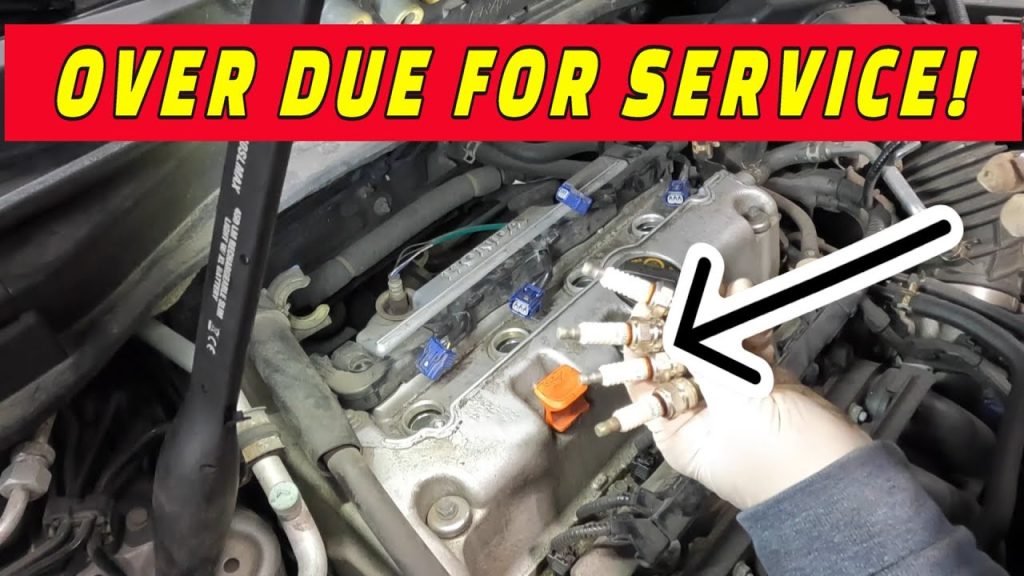
Have you ever wondered where the spark plugs on your car are hidden? Knowing their location is key to understanding how your engine runs smoothly and what to check when your car isn’t starting right.
Whether you’re a beginner or just curious about your vehicle, this guide will help you find your spark plugs quickly and easily. Keep reading, and you’ll gain the confidence to spot and even maintain these small but powerful parts that keep your car moving.
Credit: www.chase.com
Spark Plug Basics
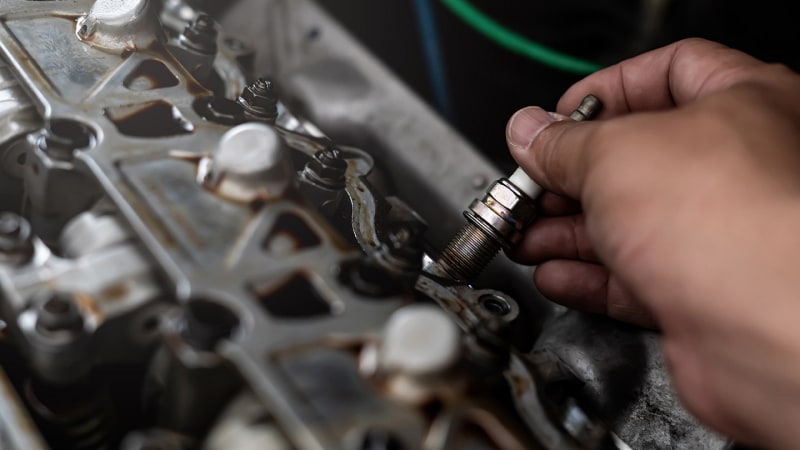
Spark plugs are small parts with a big job in your car’s engine. They create the spark that ignites the air-fuel mix in the engine cylinders. This spark is essential for starting the engine and keeping it running smoothly. Understanding spark plugs helps in knowing why they need regular checks and replacements.
Role In Engine Performance
Spark plugs deliver the spark needed to start the engine. They ignite the fuel-air mixture in each cylinder. This process produces power to move the car. Good spark plugs improve fuel efficiency and reduce emissions. Worn or dirty spark plugs can cause poor engine performance. This leads to rough idling, misfires, and difficulty starting.
Types Of Spark Plugs
Spark plugs come in various types for different engines. Common types include:
- Copper:Basic and affordable, with good conductivity but shorter life.
- Platinum:Longer-lasting and better performance than copper plugs.
- Iridium:High durability and excellent performance, often found in modern cars.
- Double Platinum:Used in distributor-less ignition systems for extended life.
Choosing the right type depends on your vehicle’s make and model. Using the correct spark plug ensures the best engine performance and longevity.
Common Spark Plug Locations
Finding your car’s spark plugs might seem tricky at first, but knowing the type of engine you have can guide you straight to them. Spark plugs are essential for igniting the fuel-air mixture, so their location is always close to the engine’s combustion chambers. Let’s break down where these plugs usually sit in different engine designs.
Inline Engines
Inline engines arrange cylinders in a single row, making spark plugs easier to spot. Usually, the spark plugs line up along one side of the engine block. You’ll often find them sticking out of the cylinder head, spaced evenly, and connected to thick ignition wires.
If you open your car’s hood, look along the top or side of the engine for a row of wires or coils leading to the plugs. This layout makes spark plug replacement simpler, as all plugs are accessible from one side.
V-shaped Engines
V-shaped engines have two cylinder banks arranged in a “V” formation. This design means spark plugs are split between two sides of the engine block. You’ll find them on the inner or outer sides of each bank, often tucked under ignition coils.
Because of the two banks, accessing spark plugs can be more challenging. You might need to remove some engine covers or components to reach the plugs on the inner side. Have you noticed how some cars sound different? The V-engine layout partly explains that, and knowing where the plugs sit can help with maintenance.
Boxer Engines
Boxer engines feature horizontally opposed cylinders, lying flat in two banks opposite each other. Spark plugs in these engines are located on the top side of each cylinder, pointing upward. This unique layout spreads the plugs out wide, often near the intake or exhaust manifolds.
Because the cylinders lie flat, spark plugs can be a bit harder to spot without some digging. If you own a Subaru or Porsche, you’re likely dealing with a boxer engine. Have you checked where your spark plugs are? Understanding this can save time and hassle during replacement.
How To Find Spark Plugs
Finding the spark plugs in your car might seem tricky at first, but it’s a straightforward task once you know where to look. Spark plugs are essential for your engine’s performance, so locating them correctly helps you maintain your vehicle better. Let’s break down how to find these vital components step by step.
Checking The Engine Layout
Start by opening your car’s hood and taking a close look at the engine. The spark plugs are usually located on the cylinder head, which is the top part of the engine block. Depending on your engine type—whether it’s an inline, V-shaped, or flat engine—their position will vary.
If you have an inline engine, the spark plugs will line up in a single row. For V-type engines, you’ll find two rows of spark plugs, one on each side of the engine. It helps to identify any covers or components that might be hiding them, like the ignition coils or spark plug wires.
Using The Owner’s Manual
Your car’s owner’s manual is a treasure trove of information. It usually contains diagrams and specific locations for spark plugs tailored to your car model. Don’t skip this step because the manual can save you time and prevent any guesswork.
Look for sections labeled “Engine” or “Maintenance” to find detailed illustrations. If you’re unsure about any terms or parts shown, the manual often explains them in simple language that can guide you through the process.
Identifying Spark Plug Wires
Another way to locate spark plugs is by following the spark plug wires. These wires are typically thick and insulated, running from the ignition coil or distributor directly to each spark plug. Tracing these wires will lead you straight to the plugs.
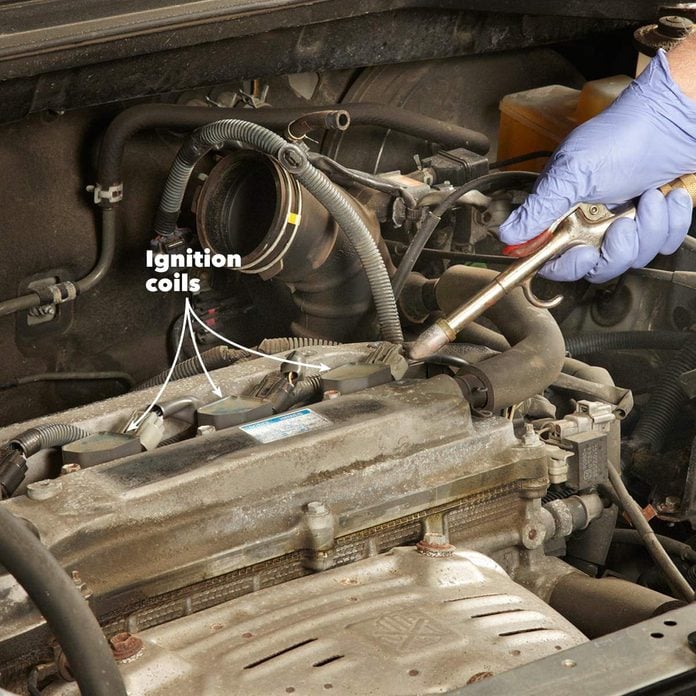
Keep in mind, some modern cars use coil-on-plug systems, where the coil sits directly on top of the spark plug, eliminating traditional wires. In this case, look for small, square-shaped ignition coils attached to the engine’s cylinder head. Removing these coils carefully will expose the spark plugs underneath.
Credit: www.familyhandyman.com
Replacing Spark Plugs
Replacing spark plugs is a key task that can boost your car’s performance and fuel efficiency. Over time, spark plugs wear out and affect how smoothly your engine runs. Doing this yourself saves money and gives you a better understanding of your vehicle.
Tools Needed
- Spark plug socket:A deep socket with rubber insert to hold the plug securely.
- Ratchet wrench:To turn the socket and remove or install plugs.
- Socket extension:Helps reach plugs that sit deep in the engine.
- Gap gauge:To check and adjust the spark plug gap.
- Torque wrench:Ensures plugs are tightened to the manufacturer’s specs.
- Anti-seize compound (optional):Prevents plugs from sticking in the cylinder head.
Step-by-step Removal
Start by locating the spark plugs on your engine. They usually sit on top or side of the engine block, connected to thick ignition wires or coils.
Remove the ignition wires carefully by pulling on the boot, not the wire itself. This prevents damage.
Attach the spark plug socket to your ratchet with an extension if needed. Turn counterclockwise to loosen and remove each plug.
Keep track of each spark plug’s position to avoid mixing them up if you plan to inspect or reuse them.
Installing New Spark Plugs
Before installing, check the gap on new plugs with your gauge. Adjust it to match your car’s specifications.
Apply a small amount of anti-seize compound on the plug threads if recommended. This makes future removal easier.
Insert the spark plug carefully by hand to avoid cross-threading. Once finger-tight, use a torque wrench to tighten it properly.
Reconnect the ignition wires or coils firmly. Double-check each connection to avoid misfires.
Have you ever wondered how much smoother your car could run just by replacing old spark plugs yourself? Give it a try and feel the difference firsthand.
Signs Of Spark Plug Issues
Recognizing the signs of spark plug issues early can save you time, money, and frustration. Spark plugs play a crucial role in your car’s engine performance, and when they start to fail, your vehicle will show clear symptoms. Paying attention to these signs helps you avoid more serious engine problems down the road.
Engine Misfires
One of the most noticeable signs of spark plug trouble is engine misfiring. Your engine may hesitate or jerk while driving, especially during acceleration.
If you feel a rough or uneven engine idle, it could mean the spark plugs aren’t firing properly. This happens because worn or dirty spark plugs fail to ignite the air-fuel mixture consistently.
Have you ever experienced a sudden jolt or loss of power while driving? It might be time to check your spark plugs.
Poor Fuel Economy
Are you filling up your gas tank more often than usual? Faulty spark plugs can cause poor fuel economy.
When spark plugs don’t work efficiently, the engine burns more fuel to compensate. This results in higher fuel consumption and increased emissions.
Monitoring your mileage regularly can alert you to this problem before it worsens.
Difficulty Starting
Struggling to start your car in the morning? Spark plugs could be the culprit.
Worn or fouled spark plugs may fail to generate the necessary spark to start the engine smoothly. This can lead to longer cranking times or multiple attempts to start your vehicle.
Next time your car hesitates at the ignition, consider inspecting the spark plugs as part of your troubleshooting.

Credit: www.tomorrowstechnician.com
Maintenance Tips
Maintaining spark plugs is key for smooth engine performance. Regular care keeps your car running well and saves money on repairs. Simple checks and cleaning help spark plugs last longer. Follow these maintenance tips to ensure your spark plugs work efficiently.
Cleaning Spark Plugs
Remove dirt and carbon buildup to improve spark plug function. Use a wire brush or spark plug cleaner tool. Avoid harsh chemicals that can damage the plug. Clean the electrode gently to keep its shape intact. Dry the spark plug fully before reinstalling it.
When To Replace
Replace spark plugs if the engine misfires or runs rough. Check the owner’s manual for recommended replacement intervals. Look for cracks, heavy deposits, or worn electrodes. New spark plugs improve fuel efficiency and engine power. Replace them as soon as signs of wear appear.
Checking Spark Plug Gaps
Correct gap ensures proper spark and engine efficiency. Use a feeler gauge to measure the gap size. Compare the measurement to your car’s specifications. Adjust the gap carefully by bending the side electrode. Proper gaps help prevent engine misfires and rough idling.
Frequently Asked Questions
Where Are Spark Plugs Located On A Car Engine?
Spark plugs are usually found on the engine’s cylinder head. They sit between the engine block and the ignition coil or wires. Their placement allows them to ignite the air-fuel mixture inside the combustion chamber efficiently.
How Can I Find Spark Plugs In My Car?
Open the car’s hood and locate the engine. Look for thick wires or ignition coils leading to the cylinder head. Spark plugs are connected underneath these wires or coils, often in a straight line or in groups depending on the engine type.
Are Spark Plugs Easy To Access For Replacement?
Spark plug accessibility varies by car model. Some engines have easily reachable plugs on top, while others require removing covers or components. Generally, modern cars allow fairly straightforward access to spark plugs for maintenance or replacement.
Do All Cars Have The Same Spark Plug Location?
No, spark plug locations differ among cars. Factors like engine design, make, and model affect their exact placement. However, they are always located on or near the cylinder head to ignite the combustion chamber.
Conclusion
Locating spark plugs in a car isn’t complicated. They sit in the engine. Usually, you find them on top or side of the engine. Knowing their location helps with maintenance. It keeps your vehicle running smoothly. Regular checks ensure efficient engine performance.
Changing spark plugs boosts fuel efficiency. It also extends engine life. So, next time you check under the hood, find those spark plugs. It’s simple and essential. Your car’s health depends on it. Happy driving!





