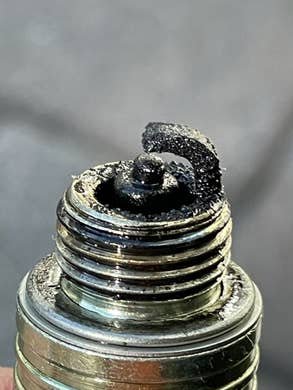
Have you noticed white smoke coming from your car’s exhaust and wondered what’s wrong? You might be surprised to learn that bad spark plugs could be the reason behind it.
If you’re dealing with this issue, understanding the connection between spark plugs and white smoke can save you time and money. Keep reading to discover how your spark plugs affect your engine’s performance and what you can do to fix the problem before it gets worse.

Credit: www.reddit.com
Role Of Spark Plugs
Spark plugs are small but vital parts of your vehicle’s engine. They create the spark needed to ignite the air-fuel mixture inside the engine’s cylinders. Without properly working spark plugs, your engine won’t run smoothly, and you might even notice unusual smoke coming from your exhaust.
Have you ever wondered how a tiny spark can influence white smoke? Understanding the role of spark plugs helps you spot issues before they get worse.
How Spark Plugs Work
Spark plugs sit at the top of each cylinder in your engine. When your engine runs, they generate a high-voltage spark. This spark ignites the compressed air-fuel mix, causing combustion that powers your vehicle.
This process repeats thousands of times per minute. If the spark plugs fail to ignite the mixture properly, the engine may misfire or burn fuel inefficiently. This inefficiency can lead to various symptoms, including smoke coming from the exhaust.
Common Spark Plug Issues
Over time, spark plugs wear out or get dirty. Common problems include:
- Fouling:Build-up of oil, carbon, or fuel on the spark plug surface.
- Gap Issues:The gap between electrodes can widen or narrow, weakening the spark.
- Cracks or Damage:Physical damage affects the plug’s ability to generate a spark.
When these issues occur, the engine struggles to burn fuel cleanly. This incomplete combustion may cause white smoke, often mistaken for coolant burning. Have you checked your spark plugs lately? A simple inspection might save you from costly repairs.

Credit: www.elementownersclub.com
Causes Of White Smoke
White smoke coming from your car’s exhaust signals a problem inside the engine. It often points to issues with fluids or fuel burning incorrectly. Understanding the causes helps in fixing the problem fast. Let’s explore the main reasons behind white smoke.
Coolant Leaks
Coolant leaks cause white smoke by entering the engine’s combustion chamber. When coolant burns, it creates thick white smoke. This usually means a blown head gasket or cracked engine block. Coolant leaks also lead to overheating and engine damage if not fixed quickly.
Oil Burning
Burning oil can also produce white or light gray smoke. This happens when worn piston rings or valve seals let oil enter the combustion chamber. Oil burning creates a distinct smell and smoke that appears after the engine warms up. Ignoring it can cause engine wear and poor performance.
Fuel System Problems
Fuel system problems sometimes cause white smoke due to improper fuel burning. Faulty fuel injectors or incorrect fuel mixture can cause unburned fuel to exit as white smoke. Poor combustion reduces engine efficiency and increases emissions. Fixing fuel issues improves engine health and reduces smoke.
Impact Of Bad Spark Plugs On Smoke
Bad spark plugs can greatly affect the smoke coming from your vehicle’s exhaust. They play a key role in burning fuel properly. When spark plugs fail, the burning process is disturbed. This leads to changes in the type and color of smoke emitted.
Misfires And Incomplete Combustion
Faulty spark plugs often cause engine misfires. Misfires mean the fuel-air mix does not ignite fully. This results in incomplete combustion inside the engine. Unburned fuel escapes into the exhaust system. The leftover fuel can create white or gray smoke. This smoke is a sign that the engine is not running smoothly. Persistent misfires can damage engine parts over time.
Effect On Exhaust Emissions
Bad spark plugs increase harmful exhaust emissions. They raise the levels of unburned fuel and hydrocarbons. This extra fuel turns into visible smoke as it leaves the tailpipe. White smoke from bad spark plugs signals poor fuel combustion. It may also indicate oil or coolant burning if the problem worsens. Regularly checking and replacing spark plugs helps keep emissions low.
Credit: www.subaruoutback.org
Diagnosing Spark Plug Problems
Diagnosing spark plug problems is crucial to maintain engine health. Faulty spark plugs can cause misfires, poor fuel economy, and even white smoke. Identifying issues early helps avoid costly repairs and keeps your vehicle running smoothly. Understanding the symptoms and testing methods allows you to spot problems quickly and accurately.
Signs Of Faulty Spark Plugs
- Engine misfires or rough idling
- Difficulty starting the engine
- Reduced fuel efficiency
- Unusual engine noises or vibrations
- White smoke from the exhaust
- Engine hesitation during acceleration
- Check engine light turns on
Inspection And Testing Methods
Visual inspection is the first step. Remove the spark plugs and check for carbon buildup, oil deposits, or worn electrodes. These signs indicate poor combustion or engine issues.
Use a spark plug tester to check if the plug produces a strong spark. Weak or no spark means the plug needs replacement.
Measure the spark plug gap with a feeler gauge. Incorrect gaps can cause misfires and poor engine performance. Adjust or replace plugs as needed.
Consult your vehicle’s manual for specific spark plug specifications. Following the guidelines ensures proper engine function and longevity.
Fixing White Smoke Issues
White smoke from your vehicle’s exhaust signals a problem that needs fixing fast. It can harm your engine and lower fuel efficiency. Finding the cause helps to stop the smoke and protect your car. Fixing white smoke involves checking spark plugs and other engine parts. Each step ensures your engine runs clean and smooth again.
Replacing Spark Plugs
Bad spark plugs can cause misfires, leading to white smoke. Old or damaged plugs fail to ignite fuel properly. This causes excess fuel to burn incompletely and create white smoke. Replace spark plugs with new ones that match your engine’s specs. Clean or new plugs improve combustion and reduce smoke. Always check the gap and condition before installing new plugs.
Addressing Other Engine Problems
White smoke may come from other engine issues besides spark plugs. Coolant leaks into the combustion chamber cause thick white smoke. This happens if the head gasket is damaged or the cylinder head cracks. Inspect the engine for leaks and repair or replace faulty parts. Also, check the fuel system and air filters for blockages. Fixing these problems stops white smoke and improves engine health.
Preventive Maintenance Tips
Preventive maintenance helps avoid engine problems like white smoke caused by bad spark plugs. Regular care keeps your engine running smoothly and extends its life. Simple checks and good habits save money and stress.
Regular Spark Plug Checks
Inspect spark plugs every 20,000 to 30,000 miles. Look for signs of wear, such as:
- Carbon buildup
- Cracks or chips
- Corrosion on terminals
- Worn electrodes
Replace spark plugs if they look damaged or worn out. Clean the area around spark plugs before removal to avoid dirt entering the engine.
Use the correct spark plug type recommended by the car manufacturer. Tighten plugs to the proper torque to prevent damage.
Engine Care Best Practices
Keep the engine clean and free of debris. Check for oil or coolant leaks that may affect spark plug performance.
Use high-quality fuel and oil to support engine health. Change engine oil regularly to reduce buildup that harms spark plugs.
Monitor engine temperature and avoid overheating. Overheating can cause spark plugs to fail prematurely.
Listen for unusual engine noises or rough idling. These signs may indicate spark plug issues needing attention.
Frequently Asked Questions
Can Bad Spark Plugs Cause White Smoke In Cars?
Bad spark plugs can indirectly cause white smoke by misfiring. Misfires may lead to unburned fuel entering the exhaust, creating white smoke. However, white smoke often results from coolant leaks or engine issues, so spark plugs are not the primary cause.
Why Does White Smoke Appear When Spark Plugs Fail?
White smoke appears when unburned fuel or coolant burns in the engine. Faulty spark plugs cause incomplete combustion, leading to excess fuel in the exhaust. This unburned fuel can create white smoke, signaling a spark plug or engine problem.
How To Identify White Smoke Caused By Spark Plug Issues?
White smoke from spark plug issues usually has a faint fuel smell. It occurs during engine startup or acceleration and disappears once the engine warms. If smoke persists, inspect spark plugs and related components for faults or replace them promptly.
Are White Smoke And Bad Spark Plugs Related To Engine Damage?
Yes, prolonged white smoke from bad spark plugs can cause engine damage. Incomplete combustion stresses engine parts and may lead to overheating or carbon buildup. Timely spark plug replacement helps prevent further engine issues and maintains smooth performance.
Conclusion
White smoke often signals engine problems. Bad spark plugs might be the cause. They can lead to incomplete combustion. This results in smoke and reduced performance. Regular maintenance is key. Check and replace spark plugs as needed. It helps keep your engine running smoothly.
Pay attention to other signs too. Strange noises or poor mileage might hint at issues. Timely action can prevent bigger problems. Keep your vehicle in top shape. Always consult a professional for accurate diagnosis. Regular checks ensure safety and efficiency.
Stay informed and proactive for a healthier engine.





