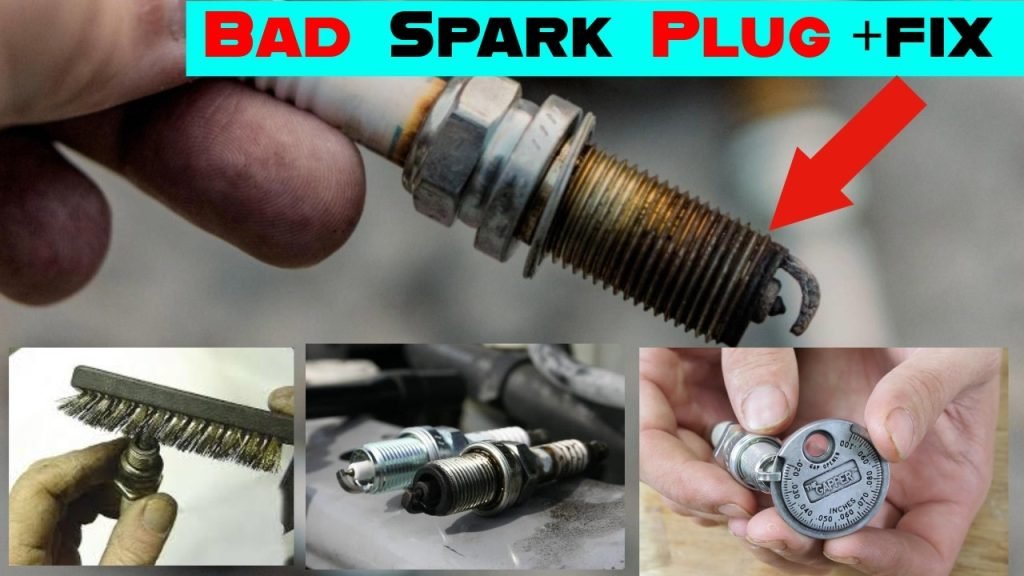
Have you ever wondered if your car’s engine is not running as smoothly as it should? One common culprit might be your spark plugs.
But how do you know if you actually need new ones? Ignoring this small but crucial part can lead to bigger problems and costly repairs. You’ll discover the clear signs that your spark plugs need attention. Understanding these clues can save you time, money, and frustration.
Keep reading to find out exactly what to look for and how to keep your car running at its best.
Engine Misfires
Engine misfires are one of the clearest signs that your spark plugs might need attention. When your engine misfires, it means one or more cylinders are not firing properly, causing a noticeable disruption in the engine’s smooth operation. This issue can often be traced back to worn or damaged spark plugs failing to ignite the fuel-air mixture effectively.
What Causes Misfires
Misfires happen when the spark plugs fail to ignite the fuel inside the cylinder at the right moment. This can occur due to:
- Worn spark plugs:Over time, the spark plugs degrade, making it harder for them to create a strong spark.
- Carbon buildup:Deposits on the spark plug can block the spark, leading to incomplete combustion.
- Incorrect gap:If the spark plug gap is too wide or too narrow, the spark can be weak or inconsistent.
- Faulty ignition wires:Damaged or old ignition wires can prevent proper electricity flow to the plugs.
Have you noticed your engine hesitating or jerking during acceleration? That’s a common sign your spark plugs might be struggling to do their job.
Impact On Vehicle Performance
When your engine misfires, your vehicle’s performance drops noticeably. You might experience:
- Reduced fuel efficiency, as the engine burns more fuel to compensate.
- Rough idling or shaking when the car is stopped.
- Difficulty accelerating or loss of power on the road.
- Increased exhaust emissions, which can lead to failed emissions tests.
Ignoring misfires can cause more serious engine damage over time. Have you felt your car losing power without clear explanation? Checking your spark plugs might be the first step to fixing that.
Credit: www.waynesgarageinc.net
Difficulty Starting The Engine
Difficulty starting the engine often signals a spark plug issue. Spark plugs create the spark needed to ignite the fuel. When they wear out, ignition becomes weak or inconsistent. This leads to longer cranking times or the engine not starting at all.
Recognizing this problem early helps avoid more serious engine damage. Paying attention to how your car starts can save time and money.
Signs Of Ignition Trouble
- The engine cranks but won’t start quickly.
- Multiple attempts needed before the engine fires up.
- Engine sounds rough or stumbles during startup.
- Noticeable drop in engine power right after starting.
- Unusual vibrations or shaking when turning the key.
When To Check Spark Plugs
Check spark plugs if the engine struggles to start regularly. Also inspect them during routine maintenance every 30,000 miles or as advised by the car manual.
Early spark plug replacement prevents ignition problems from worsening. It ensures smoother starts and better fuel efficiency.
Poor Fuel Efficiency
Poor fuel efficiency can be a sign that your spark plugs need attention. When your car suddenly starts guzzling more gas than usual, it’s often an early warning of spark plug issues. This not only affects your wallet but also impacts your vehicle’s overall performance.
How Spark Plugs Affect Gas Mileage
Spark plugs ignite the air-fuel mixture inside your engine’s cylinders. If they are worn or dirty, they can cause incomplete combustion. This means your engine burns more fuel to produce the same power, lowering your gas mileage.
Think about driving your car on a trip and noticing your fuel gauge dropping faster than usual. That’s your engine working harder because the spark plugs aren’t firing efficiently. Replacing worn spark plugs can restore smooth combustion and improve your fuel efficiency noticeably.
Detecting Fuel Wastage
Watch for signs like a sudden drop in miles per gallon or needing to refuel more often. You might also experience rough idling or hesitation when accelerating. These symptoms often point to spark plugs misfiring and wasting fuel.
Try keeping a fuel log for a week—note how many miles you drive versus how much gas you use. If you spot a consistent decline in mileage, it’s time to check your spark plugs. Catching this early saves you money and prevents bigger engine problems down the road.

Credit: www.acg.aaa.com
Rough Idling
Rough idling is one of the most common signs that your vehicle might need new spark plugs. It feels like your engine is shaking or hesitating when your car is just sitting still. This uneven engine performance can be frustrating and even alarming if you don’t know what’s causing it.
Symptoms Of Rough Idle
- Shaking or vibrating:Your car may shake noticeably when idling, almost like it’s struggling to stay steady.
- Engine hesitation:You might notice the engine hesitates or stumbles, causing a jerky feeling.
- Unusual noises:Popping or sputtering sounds can come from the engine while idling.
- Fluctuating RPMs:The engine speed may rise and fall irregularly instead of staying steady.
Have you ever sat at a red light and felt your car acting like it might stall? That’s a classic rough idle symptom, often ignored until it becomes worse.
Connection To Spark Plug Issues
Spark plugs are essential for igniting the air-fuel mixture in your engine. Worn or dirty spark plugs can cause incomplete combustion, which leads to rough idling. If the spark plugs don’t fire properly, your engine struggles to run smoothly at low speeds.
Think about the last time you had a misfire or rough engine idle—did a mechanic check your spark plugs? Often, replacing old spark plugs fixes the problem quickly and improves overall engine performance. Ignoring these symptoms can lead to bigger issues, like reduced fuel efficiency or engine damage.
Are you listening closely to how your engine behaves when you’re stopped? A rough idle might be your car’s way of telling you it’s time for new spark plugs. Don’t wait until the problem worsens.
Lack Of Acceleration
Noticing your vehicle struggling to pick up speed can be frustrating and even dangerous on busy roads. Lack of acceleration often signals that something in your engine isn’t working as efficiently as it should. One common culprit behind this issue is worn-out or faulty spark plugs.
Performance Drops
When your car hesitates or feels sluggish during acceleration, it’s a clear sign of performance drops. You might feel the engine misfire or experience uneven power delivery. This usually happens because the spark plugs are not igniting the fuel-air mixture properly.
Think about a time when your car took longer than usual to speed up after stopping at a traffic light. That delay can be traced back to spark plugs losing their effectiveness. Ignoring this can lead to reduced fuel efficiency and more strain on your engine.
Spark Plug Role In Power Delivery
Spark plugs act like tiny ignition points that start the combustion process in your engine. Each plug fires at the perfect moment to ignite the fuel-air mix, creating the power that moves your vehicle forward. If these plugs are dirty, worn, or damaged, they fail to create a strong spark.
This weak spark means less power is generated inside the engine cylinders, resulting in poor acceleration. Have you ever wondered why your car feels like it’s running on half its power? Faulty spark plugs could be the reason.
Regularly checking and replacing spark plugs ensures your car maintains smooth and powerful acceleration. It’s one of the simplest ways to keep your engine running efficiently and avoid unexpected slowdowns on the road.
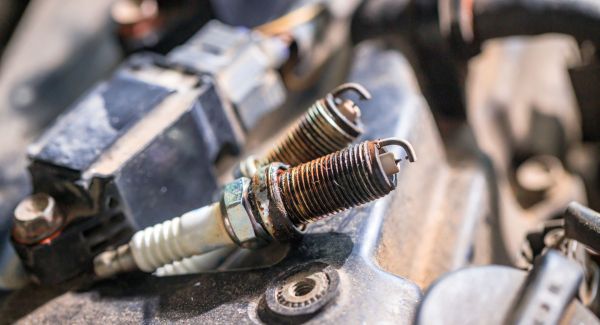
Visual Spark Plug Inspection
Visual spark plug inspection helps spot engine problems early. It involves removing the plug and checking its condition closely. This simple check shows if the spark plug works well or needs replacement.
Signs Of Wear And Damage
Look for these signs on the spark plug:
- Black soot:Indicates a rich fuel mixture or weak spark.
- Oily deposits:Show oil leaking into the combustion chamber.
- Worn electrodes:Rounded or eroded tips reduce spark quality.
- Cracks or chips:Damage to the ceramic insulator affects performance.
- Corrosion:Rust or buildup on metal parts can cause misfires.
Any of these signs suggest the spark plug may not work properly.
When To Replace
Replace spark plugs if you notice serious wear or damage. Also, follow your vehicle’s maintenance schedule, usually every 30,000 to 100,000 miles. Changing plugs on time keeps the engine running smoothly and saves fuel.
Regular visual checks help avoid engine trouble and costly repairs later. Always use the correct spark plug type for your vehicle to ensure best results.
Recommended Spark Plug Maintenance
Proper spark plug maintenance keeps your engine running smoothly and efficiently. Neglecting this simple task can cause poor fuel economy, rough idling, and hard starts. Regular checks and timely replacements help avoid costly repairs and improve vehicle performance. Understanding the right maintenance steps ensures your car stays reliable.
Replacement Intervals
Most spark plugs need replacement every 30,000 to 100,000 miles. The exact interval depends on your vehicle and plug type. Check your owner’s manual for specific recommendations. Signs like engine misfires or poor acceleration suggest it might be time to replace them sooner.
Choosing The Right Spark Plugs
Select spark plugs designed for your car’s engine. Options vary by material such as copper, platinum, or iridium. Iridium plugs last longer but cost more. Copper plugs are less expensive but wear out faster. Use the plug type that matches your vehicle’s needs for best results.
Credit: modernautoparts.co.za
Frequently Asked Questions
How Often Should Spark Plugs Be Replaced?
Spark plugs typically need replacement every 30,000 to 100,000 miles. Check your vehicle’s manual for specific intervals. Worn plugs can cause poor engine performance and lower fuel efficiency.
What Are Signs Of Bad Spark Plugs?
Common signs include engine misfires, rough idling, difficulty starting, poor acceleration, and increased fuel consumption. If you notice these, inspect or replace your spark plugs.
Can Bad Spark Plugs Affect Fuel Economy?
Yes, faulty spark plugs cause incomplete combustion, reducing fuel efficiency. Replacing worn plugs improves mileage and overall engine performance.
How To Test If Spark Plugs Need Replacement?
You can visually inspect spark plugs for wear or damage. A spark plug tester can also check if they spark properly. If unsure, consult a mechanic.
Conclusion
Recognizing spark plug issues is vital for your car’s health. Ignoring signs can lead to bigger problems. Listen to your engine. Watch for unusual sounds or poor performance. Check for decreased fuel efficiency. Regular maintenance can prevent issues. Replacing spark plugs improves engine performance.
Enhances fuel economy too. Stay proactive with vehicle care. Keep an eye on warning signs. Consult a mechanic if unsure. Ensure your vehicle runs smoothly and efficiently. Regular check-ups save money and time. Keep your car in top shape. Drive with confidence and peace of mind.





