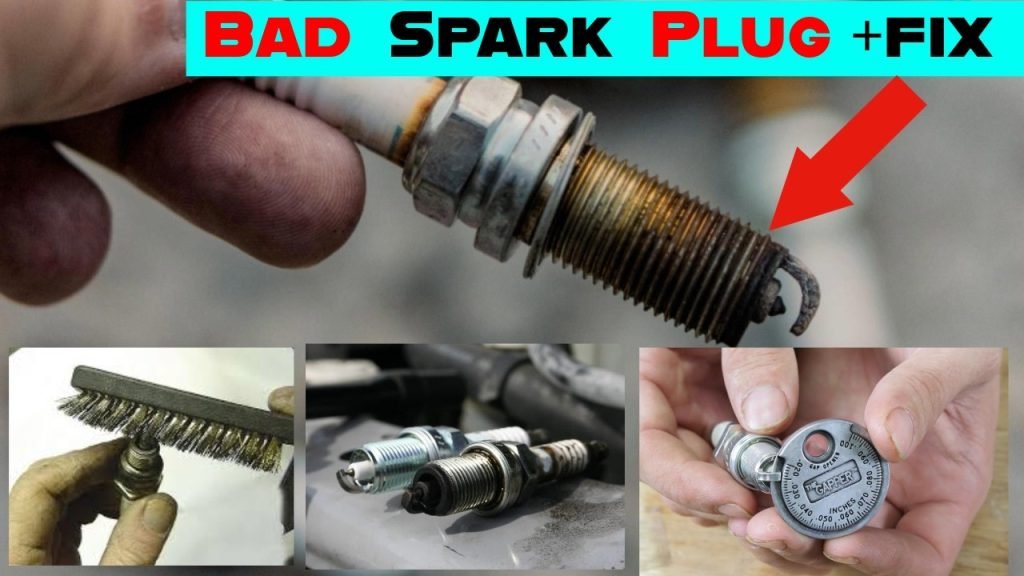
Have you ever wondered how long you can keep driving with bad spark plugs before your car starts acting up? Ignoring worn-out spark plugs might seem harmless at first, but it can quickly lead to bigger problems—and higher repair bills.
You’ll discover the real risks of driving with bad spark plugs and learn exactly when it’s time to replace them. Keep reading to protect your car and avoid getting stranded on the road.
Signs Of Bad Spark Plugs
Bad spark plugs affect your car’s performance. They cause several noticeable problems. Spotting these signs early can prevent bigger engine damage. Here are some common symptoms that show your spark plugs may need replacement.
Engine Misfires
Engine misfires happen when spark plugs fail to ignite the fuel. The engine stutters or jerks during driving. This causes a rough driving experience. Misfires can also trigger the check engine light.
Poor Fuel Economy
Worn spark plugs burn more fuel than usual. Your car needs extra fuel to run smoothly. This lowers your miles per gallon. Expect to fill the tank more often than before.
Difficulty Starting
Bad spark plugs make starting the engine harder. The car may crank longer before it starts. In cold weather, this problem gets worse. A weak spark struggles to ignite the fuel.
Rough Idling
The engine feels shaky or rough when idling. You may notice vibrations inside the car. The RPMs may bounce up and down. This shows uneven fuel burning caused by faulty plugs.

Credit: www.acg.aaa.com
Causes Of Spark Plug Wear
Spark plugs are essential for your engine’s performance. Over time, they wear out due to various factors. Understanding these causes helps you know why spark plugs fail and how long you can drive with bad ones.
Heat And Carbon Buildup
High engine temperatures cause spark plugs to overheat. Excess heat damages the plug’s surface and insulation. Carbon buildup forms from incomplete fuel combustion. This layer blocks the spark and reduces efficiency. Dirt and soot also stick to the plug, causing misfires.
Electrode Erosion
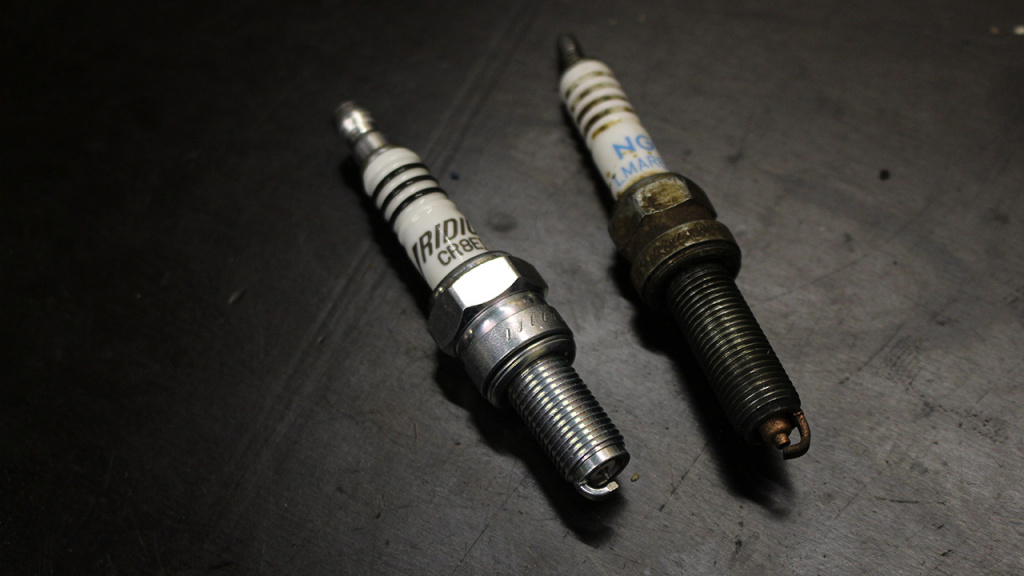
The electrode wears down from constant sparking. Each spark removes tiny metal particles from the electrode. Over time, this erosion widens the gap. A larger gap weakens the spark, making ignition harder. This results in poor engine performance and higher fuel use.
Incorrect Gap Size
The spark plug gap must be precise for proper firing. Too wide or too narrow gaps cause ignition problems. A gap that is too small leads to weak sparks. A gap that is too large can cause misfires. Both cases reduce engine power and increase emissions.
Impact On Vehicle Performance
Bad spark plugs can quickly affect how your vehicle performs. They disrupt the engine’s ability to fire efficiently, which can lead to several noticeable issues. Understanding these impacts helps you decide how urgent it is to replace them and avoid costly repairs.
Reduced Power Output
When spark plugs misfire, your engine doesn’t burn fuel properly. This leads to less power being generated, making your car feel sluggish or slow to accelerate. You might notice your vehicle struggling on hills or during overtaking—clear signs your spark plugs aren’t doing their job.
Have you ever felt like your car just won’t respond the way it used to? That drop in power is your engine begging for attention. Waiting too long to fix it only makes driving less enjoyable and more frustrating.
Increased Emissions
Poor combustion caused by faulty spark plugs results in incomplete burning of fuel. This increases harmful emissions, contributing to pollution and possibly causing your car to fail emissions tests. If you care about the environment or need to pass inspection, ignoring spark plugs can create serious problems.
Besides the environmental impact, increased emissions can also trigger the check engine light. This means you might spend more time and money at the mechanic if the problem isn’t addressed early.
Engine Damage Risks
Driving with bad spark plugs over time puts extra stress on your engine components. Unburned fuel can wash away lubricating oil on cylinder walls, leading to wear and tear. This can result in costly damage like piston or catalytic converter issues.
Think about how much a major engine repair or replacement could cost compared to a simple spark plug change. Ignoring spark plug problems can turn a small maintenance task into a big headache.
How Long To Drive With Bad Spark Plugs
Driving with bad spark plugs is risky but sometimes unavoidable. Knowing how long you can drive helps avoid bigger engine problems. This section explains safe limits and warning signs to watch for.
Short-term Driving Limits
Bad spark plugs cause rough engine performance and misfires. You can drive a short distance, usually under 50 miles, without serious damage. Keep engine speed low and avoid hard acceleration. Stop driving as soon as you notice severe symptoms like stalling or power loss. Short trips to a repair shop are usually okay, but extended driving is unsafe.
Factors Affecting Duration
The duration depends on the car model and engine condition. Older engines may tolerate bad spark plugs less. Weather and driving style also matter. Hot weather can worsen engine knocking caused by bad plugs. Frequent stop-and-go traffic stresses the engine more. Regular maintenance can extend how long you can drive safely with this issue.
When To Replace Immediately
- Engine misfires repeatedly or runs very rough
- Car stalls or fails to start
- Fuel economy drops sharply
- Check engine light stays on
- Engine makes knocking or pinging sounds
Replace spark plugs right away in these cases. Delaying can damage the catalytic converter and other parts. Quick replacement saves money and keeps your car safe on the road.
Potential Risks Of Delayed Replacement
Ignoring bad spark plugs might seem harmless at first, but the risks pile up quickly. Delaying their replacement doesn’t just affect how your car runs—it can lead to serious damage and costly repairs. Understanding these risks can help you decide whether it’s worth pushing your luck or fixing the problem right away.
Catalytic Converter Damage
Bad spark plugs cause incomplete combustion, which means unburned fuel enters the exhaust system. This unburned fuel can overheat and damage your catalytic converter, a key component that controls emissions.
Replacing a catalytic converter is expensive—often hundreds or even thousands of dollars. Have you considered how a simple spark plug replacement could prevent this costly damage?
Engine Misfire Escalation
When spark plugs fail to ignite the air-fuel mixture properly, it leads to engine misfires. These misfires can worsen over time, causing rough idling, poor acceleration, and increased fuel consumption.
Continuing to drive with misfires puts extra strain on your engine’s components, potentially leading to more severe mechanical failures. Would you rather deal with minor fixes now or major repairs later?
Higher Repair Costs
Delaying spark plug replacement often turns a small issue into a big one. What starts as a simple spark plug swap can escalate into damaged ignition coils, clogged fuel injectors, or even a damaged engine block.
Repair bills can skyrocket when multiple parts need attention. Investing in timely maintenance saves you from these unexpected expenses and keeps your car reliable.

Credit: www.dodge-dart.org
Maintenance Tips For Spark Plugs
Keeping your spark plugs in good shape can save you from unexpected breakdowns and improve your vehicle’s performance. Proper maintenance means you can avoid driving with bad spark plugs longer than you should. Here are some key tips to help you maintain your spark plugs effectively.
Regular Inspection Intervals
Check your spark plugs regularly to catch issues early. Depending on your car model, inspections every 30,000 miles or during routine oil changes work well. Look for signs like worn electrodes, carbon buildup, or cracks in the ceramic insulator.
Have you ever noticed your engine misfiring or rough idling? These can be early warnings that spark plugs need attention. Don’t wait for severe symptoms; regular inspections prevent damage and keep your engine running smoothly.
Choosing The Right Spark Plugs
Not all spark plugs are created equal. Use the type recommended in your vehicle’s manual—whether copper, platinum, or iridium. Each has different lifespans and heat ranges suited for specific engines.
Choosing the wrong spark plug can cause poor fuel efficiency or engine knocking. Think about your driving habits too—if you often drive in stop-and-go traffic, a more durable spark plug might be a better fit. What type of spark plugs do you currently use, and how often do you replace them?
Proper Installation Practices
Installing spark plugs correctly is just as important as choosing the right ones. Make sure the spark plugs are tightened to the manufacturer’s torque specifications to avoid damage or poor contact.
Use a torque wrench if possible, and always apply a small amount of anti-seize compound on the threads unless the manufacturer advises otherwise. Also, check the gap between electrodes before installation; an incorrect gap can cause misfires and reduce engine power.
Credit: finntrail.com
Frequently Asked Questions
How Long Is Safe To Drive With Bad Spark Plugs?
Driving with bad spark plugs is unsafe beyond 50-100 miles. Prolonged use causes engine misfires, poor fuel economy, and damage. Replace spark plugs promptly to avoid costly repairs and maintain vehicle performance.
What Are The Risks Of Driving With Bad Spark Plugs?
Bad spark plugs cause engine misfires, reduced power, rough idling, and higher emissions. Continued driving strains the catalytic converter and lowers fuel efficiency. Prompt replacement prevents engine damage and costly repairs.
How Do Bad Spark Plugs Affect Fuel Economy?
Worn spark plugs cause incomplete combustion, wasting fuel. This leads to poor mileage and higher fuel costs. Replacing spark plugs improves ignition efficiency and restores optimal fuel economy.
Can Bad Spark Plugs Cause Engine Damage?
Yes, bad spark plugs can cause engine damage. Misfires stress the engine and catalytic converter. Prolonged use increases repair costs and reduces vehicle lifespan. Replace spark plugs quickly to avoid damage.
Conclusion
Driving with bad spark plugs isn’t wise. They affect your car’s performance. Ignoring them can lead to bigger problems. Regular checks save money and hassle. A mechanic can spot issues early. Your car will thank you. Smooth rides depend on spark plugs.
Replace them when needed. Your engine will run better. Safety matters more than convenience. So, don’t delay. Check your spark plugs today. Protect your car’s health. Drive confidently, knowing everything works right. Keep your vehicle in top shape. You’ll enjoy peace of mind on the road.
Safe travels always!





