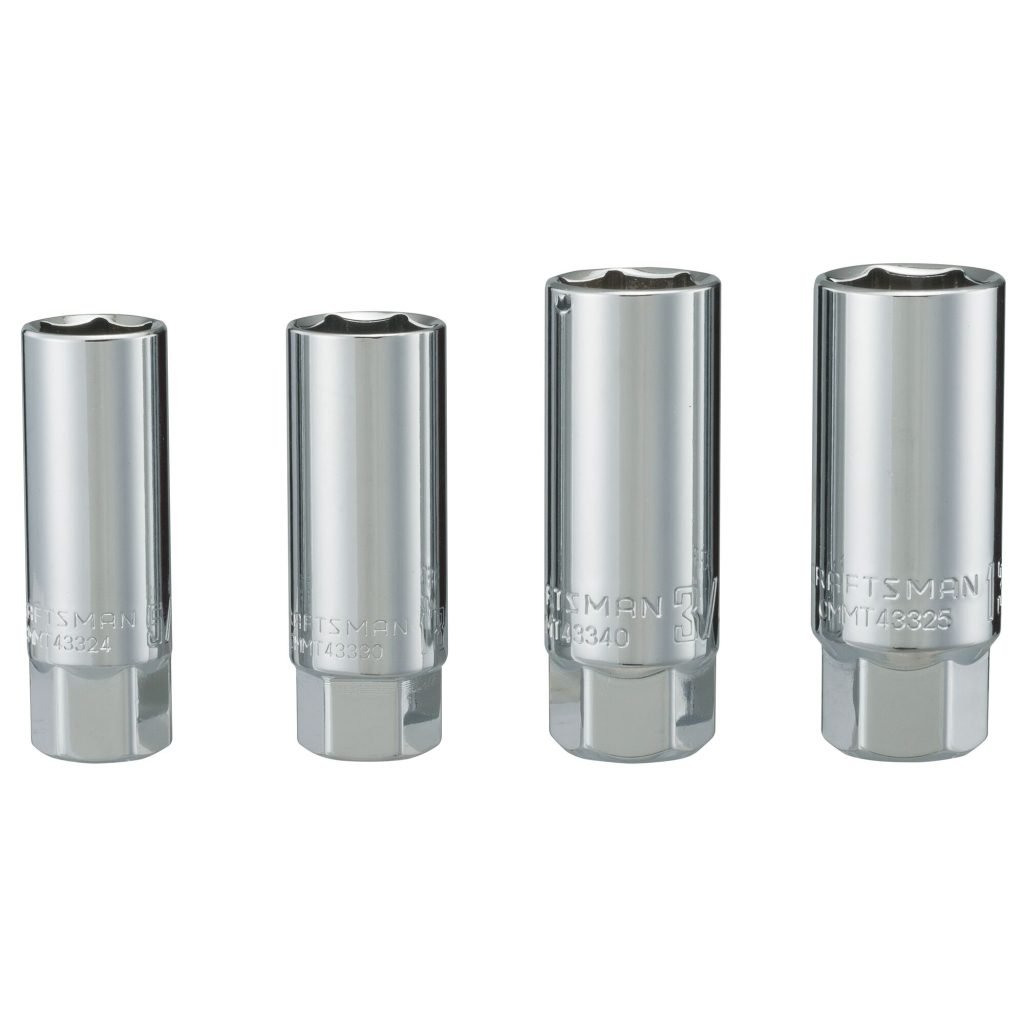
Are you struggling to find the right spark plug socket for your car? Using the wrong size can make your job harder and even damage your spark plugs.
Knowing the exact size you need saves you time, effort, and frustration. You’ll discover the common spark plug socket sizes and how to choose the perfect one for your vehicle. Keep reading to make your next spark plug change easier and more efficient.

Credit: www.ewktool.com
Common Spark Plug Socket Sizes
Knowing the common spark plug socket sizes can save you time and frustration during your vehicle maintenance. Spark plugs come in various sizes, and using the right socket ensures a secure fit without damaging the plug or the engine. Let’s break down the most frequently used sizes so you can pick the right tool for your job.
Metric Sizes
Metric spark plug sockets are popular in many modern vehicles, especially those manufactured outside the United States. The most common sizes you’ll encounter are:
- 16mm (5/8 inch)– This size fits a wide range of European and Asian vehicles and is often the go-to choice for many mechanics.
- 18mm (11/16 inch)– Slightly larger, this size is used for some Toyota, Honda, and Nissan models.
- 14mm– Less common but still essential for some specialized engines.
Using a metric socket that matches your spark plug prevents stripping or rounding off the plug’s hex. Have you ever struggled with a spark plug that just wouldn’t budge? Using the correct size socket can make that battle much easier.
Imperial Sizes
Imperial sizes are typical in American-made vehicles and older models. Here are the common sizes you might need:
- 5/8 inch (16mm)– This is the most frequently used size in the imperial system and fits many classic cars and trucks.
- 13/16 inch (21mm)– Larger spark plugs often require this size, especially in heavy-duty or performance engines.
- 3/4 inch (19mm)– Sometimes used on specific older or specialized engines.
Using an imperial socket on an imperial-sized plug ensures you won’t damage the threads or the plug itself. Have you checked if your socket set includes these sizes before starting your spark plug replacement? It’s a small step that avoids costly mistakes.

Credit: www.ebay.com
Choosing The Right Socket Size
Choosing the right socket size is essential to avoid damaging your spark plugs or the engine components around them. Using the wrong size can strip the plug or make it impossible to remove. Knowing exactly what size you need saves you time, frustration, and money.
Checking Spark Plug Specifications
Start by looking at the spark plug’s specifications, usually found on the packaging or in your vehicle’s manual. Most spark plugs require sockets that are either 5/8 inch (16mm) or 13/16 inch (21mm), but sizes can vary. Knowing the exact size listed helps you pick a socket that fits snugly without slipping.
Sometimes, the manufacturer includes the socket size in the product code or description. Don’t overlook this detail—it’s a quick way to confirm what you need before heading to the tool store.
Measuring Existing Spark Plugs
If you still have the old spark plug, measure its hexagonal nut across the flats with a caliper or ruler. This measurement corresponds directly to the socket size required. For instance, a 13/16 inch measurement means you’ll need a 13/16 inch socket.
Measuring your spark plug yourself also helps when dealing with unfamiliar brands or aftermarket parts. Have you ever grabbed the wrong socket because you guessed the size? This simple step can prevent that common mistake.
Socket Features For Spark Plugs
Sockets designed for spark plugs have special features. These features protect the spark plug and help with easy removal and installation. Choosing the right socket makes the job faster and safer. Understanding these features helps you pick the best tool for your needs.
Rubber Inserts And Magnetic Holders
Many spark plug sockets have rubber inserts inside. The rubber grips the spark plug tightly. This stops the plug from falling out during work. It also protects the ceramic part of the plug from breaking.
Magnetic holders are another common feature. They hold the spark plug firmly in place. This helps when working in tight spaces. The magnet keeps the plug steady while you screw or unscrew it.
Impact Vs Standard Sockets
Standard sockets are lighter and made for hand tools. They work well for most spark plug jobs. But they may not last long under heavy use.
Impact sockets are stronger and thicker. They resist cracking or breaking during power tool use. Use impact sockets with impact wrenches to avoid damage.
Choosing between the two depends on your tools and how often you change plugs.
Using Spark Plug Sockets Safely
Using spark plug sockets safely is key to maintaining engine health. These sockets fit snugly around spark plugs, allowing easy removal and installation. Handling them correctly prevents damage to both the plug and the engine. Safety also means applying the right force and avoiding slips.
Proper Torque Application
Applying the correct torque is essential. Too much force can break the spark plug or strip threads. Too little force may cause poor engine performance or loose plugs. Use a torque wrench for accuracy. Follow the vehicle manufacturer’s torque specifications carefully. This ensures a secure fit without damage.
Avoiding Damage To Spark Plugs
Use the right spark plug socket size to avoid damage. Most spark plug sockets have a rubber insert to grip the plug gently. Avoid using sockets without this feature as they can scratch or break the plug. Handle plugs with care when removing or installing. Always keep sockets clean and free from dirt or debris.
Tools To Complement Spark Plug Sockets
Using the right tools with spark plug sockets makes the job easier. These tools help reach tight spaces and control the force applied. They protect the spark plug and engine from damage. Choosing compatible tools ensures smooth installation and removal.
Torque Wrenches
A torque wrench controls how tight the spark plug gets. It prevents over-tightening, which can crack the plug or engine parts. It also avoids under-tightening, which causes poor engine performance. Torque wrenches come in different sizes and types. Click-type wrenches are common for spark plugs. Set the wrench to the recommended torque value. This ensures the plug fits securely without damage.
Extensions And Ratchets
Extensions help reach spark plugs deep in the engine. They add length between the socket and the ratchet handle. Ratchets provide a comfortable grip and easy turning motion. They allow quick removal and installation of spark plugs. Extensions and ratchets come in various lengths and sizes. Choose sizes that fit your spark plug socket. Using these tools reduces strain and improves precision during work.
Tips For Maintaining Spark Plug Sockets
Maintaining your spark plug sockets is key to making sure they last longer and work efficiently every time you need them. These tools might seem simple, but neglecting their care can lead to stripped sockets or damaged spark plugs. Keeping your sockets in good condition saves you time and frustration during repairs.
Cleaning And Storage
After each use, wipe your spark plug sockets clean with a dry cloth to remove dirt and grease. If grime builds up, use a small brush and mild detergent to scrub the inside gently. Avoid soaking them in water to prevent rust.
Store your sockets in a dry, organized toolbox or on a magnetic tray to keep them from getting lost or damaged. Proper storage also prevents moisture buildup, which can cause corrosion. Have you noticed how a cluttered workspace often leads to misplaced tools?
Identifying Wear And Tear
Check your sockets regularly for cracks, chips, or rounding edges. These signs of wear can reduce grip and increase the chance of slipping off a spark plug, potentially causing damage. If you spot any deformities, it’s better to replace the socket than risk a costly repair.
Also, watch for rust spots or pitting inside the socket. Rust weakens the metal and makes it harder to get a secure fit. Have you ever struggled with a socket that just won’t grip right? That might be a sign it’s time for an upgrade.

Credit: www.amazon.com
Frequently Asked Questions
What Sizes Do Spark Plug Sockets Come In?
Spark plug sockets usually come in 5/8 inch and 13/16 inch sizes. These fit most common spark plugs. Some specialty sockets may vary but these two are standard for automotive use.
How To Choose The Right Spark Plug Socket Size?
Check your vehicle’s spark plug size in the manual. Choose a socket matching that size to avoid damage. Using the correct socket ensures a secure fit and easier spark plug removal.
Why Are Spark Plug Sockets Different From Regular Sockets?
Spark plug sockets have a rubber insert or magnet to hold the plug. This prevents damage and makes removal safer. Regular sockets lack this feature and may slip or break the spark plug.
Can A 13/16 Inch Socket Fit A 5/8 Inch Spark Plug?
No, a 13/16 inch socket is too large for a 5/8 inch spark plug. Using the wrong size risks rounding the plug or socket. Always use the correct socket size.
Conclusion
Knowing the right size for spark plug sockets saves time and effort. Most spark plugs need either a 5/8-inch or 13/16-inch socket. Using the correct size helps avoid damage to the plug or engine. Always check your vehicle’s manual for the exact size.
Having the right tool makes spark plug changes easier and safer. Keep this guide handy next time you work on your car. Simple steps lead to better results.





