
Are your car’s spark plugs causing trouble? You might be wondering, “What do I need to change spark plugs?” Knowing the right tools and steps can save you time and money.
You’ll discover exactly what you need to make the job simple and effective. Whether you’re a beginner or just need a quick refresher, this guide will help you feel confident under the hood. Keep reading, and you’ll be ready to tackle spark plug replacement like a pro.
Tools For Changing Spark Plugs
Changing spark plugs requires a specific set of tools to make the job easier and ensure your vehicle runs smoothly afterward. Having the right equipment not only saves time but also prevents damage to the spark plugs or engine components. Let’s look at the essential tools you need to get the job done right.
Spark Plug Socket
A spark plug socket is specially designed to fit spark plugs snugly, usually featuring a rubber insert or magnet to hold the plug securely. This tool prevents the spark plug from falling or getting damaged during removal or installation. Regular sockets won’t grip the plug properly, so investing in the right size socket is crucial.
Ratchet And Extensions
A ratchet provides the leverage to loosen and tighten the spark plugs. Extensions are often necessary because spark plugs are usually recessed deep inside the engine block. Without an extension, you might struggle to reach the plugs, especially in tight engine spaces.
Torque Wrench
Using a torque wrench ensures you tighten the spark plugs to the manufacturer’s specifications. Over-tightening can damage the threads, while under-tightening can cause poor engine performance or spark plug loosening. If you want your engine to run reliably, a torque wrench is a tool you can’t skip.
Gap Gauge
Checking and adjusting the spark plug gap is essential for optimal engine performance. A gap gauge lets you measure the space between the electrodes accurately. You don’t want to guess here—too narrow or too wide a gap can cause misfires or inefficient combustion.
Dielectric Grease
Applying dielectric grease to the spark plug boot helps prevent moisture and dirt from causing corrosion or electrical shorts. This small step can save you from frustrating ignition problems later. It also makes removing the spark plug easier next time.
Anti-seize Compound
Anti-seize compound applied to the spark plug threads prevents them from sticking or seizing in the engine block. This is especially helpful in engines that get very hot or have aluminum cylinder heads. Skipping this can turn a simple task into a nightmare if plugs get stuck.

Credit: www.youtube.com
Preparing Your Vehicle
Preparing your vehicle is the first step before changing spark plugs. It ensures safety and makes the job easier. Taking time to get ready protects both you and your car parts.
Start by making sure the engine is cool. Hot engines can cause burns or damage tools. Next, find the spark plugs. Knowing their location helps in removing them without trouble.
Some cars have engine covers that block access to spark plugs. Removing these covers is necessary to reach the plugs properly. Follow these steps carefully to prepare your vehicle.
Cooling Down The Engine
Turn off the engine and wait at least 30 minutes. The engine parts can stay hot for a long time. Touching them too soon can cause serious burns. Cool engines also prevent damage to spark plugs during removal.
Locating The Spark Plugs
Open the car hood and look for the ignition wires or coil packs. Spark plugs are usually under these parts. Check your car manual if you have trouble finding them. Correct location speeds up the replacement process.
Removing Engine Covers
Some vehicles have plastic or metal covers on the engine. Use a screwdriver or socket wrench to remove screws or bolts. Keep the screws safe for reassembly. Removing covers gives you clear access to the spark plugs.
Removing Old Spark Plugs
Removing old spark plugs is a key step in car maintenance. It helps keep the engine running smoothly and efficiently. Proper removal prevents damage to the engine and spark plug threads. Taking time and care during this step saves future repair costs and effort.
Disconnecting Spark Plug Wires
Start by locating the spark plug wires attached to each plug. Gently pull the boot, not the wire, to avoid damage. Twist the boot slightly if it feels stuck. Keep track of each wire’s position for easy reinstallation.
Using Proper Technique
Use a spark plug socket and a ratchet with an extension. Fit the socket snugly over the spark plug. Turn counterclockwise slowly to loosen the plug. Avoid forcing the plug to prevent breaking it inside the engine. Remove the plug carefully once it is loose.
Inspecting Old Spark Plugs
Check each plug for wear or damage. Look for carbon deposits, cracks, or erosion on the electrodes. Note the color of the plug tip; it shows how the engine is running. Clean or replace plugs based on their condition and manufacturer advice.
Installing New Spark Plugs
Installing new spark plugs is a straightforward task, but it requires careful attention to detail to ensure your engine runs smoothly. Each step, from checking the spark plug gap to tightening them correctly, plays a crucial role in performance and longevity. Let’s break down these essential actions so you can confidently replace your spark plugs.
Checking And Adjusting Gap
Before installing, check the gap between the spark plug electrodes using a gap tool or feeler gauge. The correct gap size is usually specified in your vehicle’s manual or on the spark plug packaging.
If the gap is too wide or too narrow, gently bend the ground electrode until you reach the recommended measurement. A proper gap ensures the spark ignites the fuel-air mixture efficiently, preventing misfires and poor fuel economy.
Applying Lubricants
Applying a small amount of anti-seize lubricant on the spark plug threads can make future removal easier and prevent the plug from seizing in the cylinder head. However, be cautious not to get lubricant on the electrode or insulator.
Some spark plugs come pre-coated, so check the packaging first. If you skip this step, you risk damaging the threads or struggling to remove the plugs down the road.
Hand-tightening Tips
When threading the new spark plugs into the cylinder head, always start by hand. This prevents cross-threading, which can cause costly damage to the engine block.
Turn the plug slowly and feel for resistance. If it doesn’t thread smoothly, back it out and try again rather than forcing it. Patience here saves you from unnecessary repairs.
Using Torque Wrench Correctly
Using a torque wrench ensures the spark plugs are tightened to the exact manufacturer specifications. Over-tightening can crack the plug or damage the threads, while under-tightening can cause poor sealing and loss of compression.
Set your torque wrench to the recommended value, then tighten the plug in a smooth, steady motion. If you don’t have a torque wrench, a good rule of thumb is to hand-tighten plus a quarter turn—but using the right tool is always best.
Post-installation Checks
After changing spark plugs, several checks help ensure your engine runs smoothly. These steps confirm proper installation and avoid future issues. Careful inspection after installation saves time and money.
Reconnecting Spark Plug Wires
Attach spark plug wires securely to each plug. Match wires to the right plugs to keep engine timing correct. Loose or wrong connections cause misfires and poor engine performance. Press wires firmly until they click or feel tight.
Testing Engine Performance
Start the engine and observe how it runs. The engine should idle steadily without shaking or hesitation. Check for smooth acceleration and steady power delivery. Any roughness may indicate a spark plug or wire issue.
Listening For Irregular Sounds
Listen closely for knocking, pinging, or misfiring noises. These sounds suggest spark plug problems or poor ignition timing. A quiet, consistent engine sound means the plugs are working well. Address unusual noises quickly to prevent damage.

Credit: www.youtube.com
Common Mistakes To Avoid
Changing spark plugs might seem straightforward, but there are common mistakes that can turn a simple task into a costly headache. Avoiding these pitfalls not only saves you money but also ensures your engine runs smoothly. Let’s dive into the key errors to watch out for and how you can steer clear of them.
Over-tightening Spark Plugs
It’s tempting to tighten spark plugs as much as possible, thinking it will secure them better. However, over-tightening can strip the threads in the cylinder head or crack the plug itself. This mistake often leads to expensive repairs, so use a torque wrench to apply the manufacturer’s recommended tightness.
If you don’t have a torque wrench, ask yourself: is it worth risking damage just to save a few bucks? Proper tightening ensures a tight seal without damaging the components.
Using Incorrect Tools
Using the wrong tools can make the job frustrating and risky. For spark plugs, you need a spark plug socket, which has a rubber insert to protect the plug’s ceramic insulator. Regular sockets won’t grip the plug correctly and might cause it to break.
Think about your last DIY project—did using the wrong tool slow you down or cause damage? Investing in the right tools upfront avoids unnecessary setbacks and ensures a smooth process.
Neglecting Safety Precautions
Skipping safety steps can lead to injury or damage to your vehicle. Always disconnect the battery before starting to avoid electrical shocks. Work in a well-ventilated area and wear gloves to protect your hands from sharp edges and hot engine parts.
Have you ever rushed through a task and ended up hurting yourself? Taking a few extra minutes for safety can prevent accidents and keep your project on track.
Tips For Spark Plug Maintenance
Maintaining your spark plugs is key to keeping your engine running smoothly. Simple checks and timely replacements can save you from costly repairs down the road. Let’s dive into practical tips that help you keep your spark plugs in top shape.
Regular Inspection Schedule
Setting a routine for inspecting your spark plugs can prevent unexpected engine problems. Aim to check them every 30,000 miles or during major service intervals. If you drive in harsh conditions like heavy traffic or dusty roads, consider checking them more often.
Keep a maintenance log to track inspection dates and findings. This habit helps you spot patterns and decide when it’s time for a replacement.
Signs Of Worn Spark Plugs
Watch out for signs like engine misfires, rough idling, or reduced fuel efficiency. These often point to worn or dirty spark plugs. You might also notice difficulty starting your vehicle or a decrease in acceleration.
Pay attention to any unusual noises or vibrations while driving. These subtle clues can indicate spark plug issues before they become serious.
When To Replace Spark Plugs
Replacing spark plugs at the right time keeps your engine performing well. Typically, spark plugs last between 30,000 to 100,000 miles, depending on the type and your vehicle. Check your owner’s manual for specific recommendations.
If you spot corrosion, heavy deposits, or damaged electrodes during inspection, it’s a clear signal to replace them immediately. Don’t wait until you experience engine trouble—acting early saves time and money.
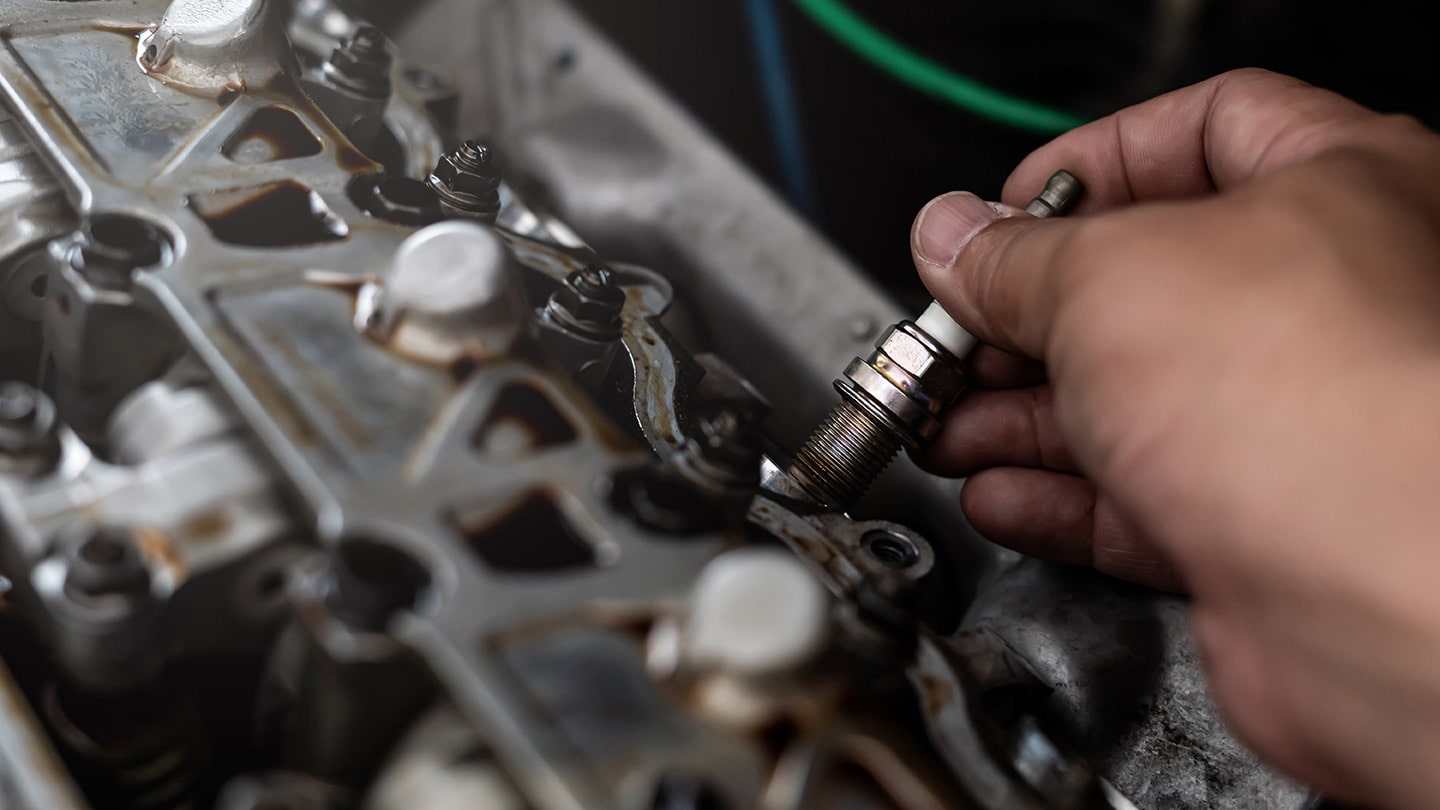
Credit: www.chase.com
Frequently Asked Questions
What Tools Are Needed To Change Spark Plugs?
You need a spark plug socket, ratchet wrench, extension bar, and a gap gauge. A torque wrench helps ensure proper tightness. Safety gloves and eye protection are recommended for safe handling.
How Often Should Spark Plugs Be Replaced?
Spark plugs typically last 30,000 to 100,000 miles depending on the type. Check your vehicle’s manual for specific intervals. Regular inspection helps maintain engine performance and fuel efficiency.
Can I Change Spark Plugs Myself?
Yes, with basic mechanical skills and the right tools, you can change spark plugs. Follow your vehicle’s service manual for step-by-step instructions. Take care to avoid damaging the spark plug threads.
What Are Signs That Spark Plugs Need Changing?
Engine misfires, rough idling, poor acceleration, and decreased fuel efficiency indicate worn spark plugs. Difficulty starting the engine can also be a sign. Regular inspection prevents further engine issues.
Conclusion
Changing spark plugs is simple with the right tools. Always follow the vehicle’s manual. It guides you through the process. Remember to inspect new spark plugs. Ensure they match the old ones. Keep your hands clean to prevent damage. Regular maintenance improves engine performance.
It also boosts fuel efficiency. Don’t ignore worn-out spark plugs. They can cause engine problems. Regular checks save money in the long run. Take your time. Be patient. Your car will thank you. It runs smoother with good spark plugs.
Enjoy the drive.





