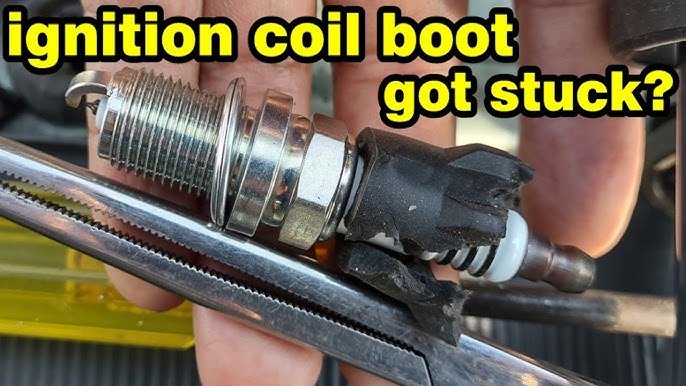
Have you ever tried to remove a spark plug, only to find it stuck fast? A seized spark plug can be frustrating and even scary if you’re worried about damaging your engine.
But don’t worry—you’re not alone, and there are simple steps you can take to free it without stress or extra costs. In this guide, you’ll discover easy, effective methods to safely remove a seized spark plug and get your engine running smoothly again.
Keep reading, and you’ll learn exactly what to do next.

Credit: www.reddit.com
Signs Of A Seized Spark Plug
Recognizing the signs of a seized spark plug is key to fixing engine troubles fast. A spark plug that won’t come out easily can cause damage to the engine. Identifying the warning signs early helps avoid bigger problems and costly repairs.
Common Symptoms
- Engine misfires or runs rough
- Difficulty starting the engine
- Decreased fuel efficiency
- Unusual noises from the engine
- Visible damage or corrosion on the spark plug
- Plug feels stuck or won’t turn during removal
Causes Of Seizure
- Over-tightening the spark plug during installation
- Corrosion from moisture or salt buildup
- Heat damage causing metal to expand and fuse
- Carbon deposits creating extra friction
- Using the wrong spark plug size or type
Tools Needed For Removal
Removing a seized spark plug requires the right set of tools to avoid damaging your engine or the plug itself. Having the proper equipment on hand can make the process smoother and safer. Let’s break down the essential tools you’ll need to tackle this common automotive challenge effectively.
Basic Hand Tools
Start with the essentials you likely already have in your toolbox. A good quality spark plug socket is key—it fits snugly over the plug and provides the grip needed to turn it without slipping.
- Ratchet wrench:This gives you leverage and control, making it easier to apply steady force.
- Extension bars:These help reach plugs located deep in the engine bay.
- Breaker bar:Useful if the plug is extremely tight or stuck, offering extra torque.
- Penetrating oil:Not a tool, but an essential aid. It loosens rust and corrosion that cause seizing.
I once underestimated the power of a breaker bar and ended up rounding the spark plug’s edges. Don’t make the same mistake—invest in quality hand tools and use penetrating oil before trying to loosen the plug.
Specialized Equipment
Sometimes basic tools aren’t enough for a stubborn spark plug. Specialized gear can save you from costly repairs later on.
- Spark plug extractor:Designed specifically for damaged or broken plugs, it grips securely without causing further harm.
- Impact wrench:Delivers quick, powerful bursts of torque, ideal for loosening seized plugs with minimal effort.
- Torque wrench:After removal, it’s vital for reinstalling spark plugs with the correct tightness to prevent future seizing.
Have you ever struggled with a spark plug so stuck that it seemed impossible to remove? Using an impact wrench can turn hours of frustration into minutes of work. But remember, specialized tools require practice—don’t rush and risk damaging your engine.
Preparation Steps
Proper preparation is essential before removing a seized spark plug. It helps avoid damage and ensures a smooth process. Taking time to prepare can save effort and reduce risks.
Start by understanding the condition of your workspace and the tools you need. Clean the area around the spark plug to prevent dirt from falling into the engine. Safety is key to protect yourself and your vehicle.
Safety Precautions
Wear gloves to protect your hands from sharp edges and chemicals. Use safety glasses to shield your eyes from debris. Make sure the engine is cool to avoid burns. Disconnect the battery to stop accidental sparks. Keep a fire extinguisher nearby as a precaution.
Cleaning Around The Plug
Remove dirt and debris around the spark plug with a brush or compressed air. Avoid pushing dirt inside the cylinder. Use a clean cloth to wipe the area gently. This step prevents contaminants from entering the engine during removal. Clean surroundings help you see the plug clearly and work efficiently.

Credit: www.youtube.com
Techniques To Loosen The Plug
Removing a seized spark plug requires patience and the right technique. These methods help loosen the plug safely without causing damage. Use the right tools and work carefully for best results.
Using Penetrating Oil
Spray penetrating oil around the base of the spark plug. Let it soak for at least 15 minutes. The oil seeps into the threads and breaks the rust or corrosion. This makes the plug easier to turn. Repeat the process if needed before trying to unscrew the plug.
Applying Heat
Heat expands metal and can loosen stuck parts. Use a heat gun or propane torch near the spark plug. Heat the area evenly for a few minutes. Avoid overheating to prevent damage to the engine. After heating, try to turn the plug gently with a wrench.
Gentle Tapping Method
Tap the spark plug lightly with a small hammer or wrench handle. This vibration helps break rust or debris holding the plug tight. Tap around the plug’s base, not directly on the ceramic part. After tapping, try loosening the plug slowly to avoid snapping it.
Removing The Seized Spark Plug
Removing a seized spark plug can be challenging, but with the right approach, you can avoid further damage and get the job done efficiently. It’s important to handle the tool and the plug carefully to prevent stripping or breaking the threads. Let’s look at how you can properly remove that stubborn spark plug with confidence.
Proper Socket Use
Using the correct socket is crucial. A spark plug socket with a rubber insert or a magnetic feature holds the plug securely during removal.
Make sure the socket fits snugly over the spark plug—too loose, and you risk rounding off the edges, making removal harder.
Have you checked if your socket is designed specifically for spark plugs? Using a regular socket might seem easier but often leads to damage.
Correct Turning Direction
Remember, spark plugs loosen counterclockwise and tighten clockwise. Apply steady pressure in the right direction to avoid stripping the threads.
If the plug resists, don’t force it abruptly. Instead, try gentle back-and-forth turns to help break the corrosion.
Sometimes a little patience beats brute force. How often do you find that slow, careful turning saves your tools and the engine?
Avoiding Damage
Protect your engine by working carefully—avoid jerky movements and excessive force. Using penetrating oil before removal can loosen rust and corrosion.
Keep your tools clean and in good condition to reduce the chance of slipping. Damaging the spark plug hole can lead to costly repairs.
Have you ever faced a stuck plug that broke inside the engine? Taking time to prepare and work gently can save you from that headache.
Dealing With Stubborn Plugs
Sometimes spark plugs refuse to budge, no matter how much you twist. Stubborn plugs can test your patience and your tools. But with the right approach, you can tackle these tough situations without causing damage to your engine.
Using An Impact Wrench
An impact wrench delivers quick, powerful bursts of torque that can free seized spark plugs. Unlike a regular ratchet, it applies force in short, sharp impacts that reduce the risk of rounding off the plug’s edges.
Make sure you use the correct socket size to avoid slipping. Apply penetrating oil to the plug and let it sit for at least 15 minutes before trying. Have you ever noticed how a sudden jolt often breaks what steady pressure couldn’t? That’s the principle here.
Start with low torque settings and gradually increase if the plug doesn’t move. If the wrench feels like it’s struggling, stop to prevent damaging the threads.
Drilling Out The Plug
If the plug remains stuck, drilling it out might be your last resort. This method requires patience and precision to avoid harming the engine cylinder.
Use a drill bit slightly smaller than the spark plug’s center electrode. Drill slowly and steadily to avoid overheating or slipping. Have you thought about how drilling removes the plug in pieces, making extraction easier?
Once drilled, use a specialized plug extractor or a small screw to twist out the remaining shell. Remember to clean the threads thoroughly before installing a new plug to ensure a proper seal.
Preventing Future Seizures
Preventing spark plug seizures saves you time, money, and frustration. It’s not just about fixing the problem after it happens. Taking simple, smart steps during installation and maintenance can keep your engine running smoothly for years.
Proper Installation Tips
Careful installation is your first line of defense against seized spark plugs. Always check the spark plug threads for damage before installing. If the threads look worn or dirty, clean them gently or replace the spark plug.
Use the right spark plug for your engine. Mismatched plugs can expand differently with heat, causing tight binding. Make sure to apply a small amount of anti-seize lubricant to the threads. But be cautious—too much lubricant can cause over-tightening.
Tighten the spark plug to the manufacturer’s torque specification. Hand-tightening before using a torque wrench helps prevent cross-threading. Have you ever felt a spark plug suddenly lock up while tightening? It’s often because the plug was cross-threaded or over-tightened.
Regular Maintenance Advice
Regular checks help spot early signs of spark plug trouble. Inspect your spark plugs every 10,000 miles or as recommended by your vehicle manual. Look for corrosion, cracks, or buildup that can cause sticking or poor performance.
Cleaning spark plugs can extend their life. Use a wire brush or spark plug cleaner to remove carbon deposits. However, replacing worn-out plugs is better than risking damage by forcing a stuck plug out later.
Consider your engine’s operating conditions. Frequent short trips or extreme temperatures can increase the chance of seizure. Adjust your maintenance schedule accordingly and keep your engine well-tuned. When was the last time you checked your spark plugs? A little attention now can prevent big headaches later.

Credit: www.odyclub.com
Frequently Asked Questions
How Do I Safely Remove A Seized Spark Plug?
To safely remove a seized spark plug, apply penetrating oil and let it sit for 15-20 minutes. Use a proper spark plug socket and wrench. Turn slowly and avoid excessive force to prevent damage. Heat the area carefully if needed, but avoid overheating.
What Tools Are Needed To Remove A Seized Spark Plug?
You need a spark plug socket, ratchet wrench, penetrating oil, and possibly a breaker bar. A torque wrench helps during reinstallation. Additionally, a wire brush and compressed air assist in cleaning the spark plug hole before removal.
Can Heat Help Loosen A Stuck Spark Plug?
Yes, applying moderate heat can expand the metal and help loosen the plug. Use a heat gun or propane torch carefully. Avoid overheating, which can damage engine components. Always apply penetrating oil before heating to improve effectiveness.
What Causes Spark Plugs To Seize In The Engine?
Spark plugs seize due to corrosion, carbon buildup, or over-tightening during installation. Exposure to moisture and engine heat cycles also cause them to bind. Using anti-seize compound during installation helps prevent this problem.
Conclusion
Removing a seized spark plug requires patience and care. Start by gathering the right tools. Next, use penetrating oil to loosen the plug. Allow time for the oil to work. Then, gently turn the plug counter-clockwise. If stuck, apply more oil and heat the area.
Slowly try again. Avoid forcing the plug to prevent damage. Regular maintenance can prevent future issues. Always ensure your tools are in good condition. Seek professional help if unsure. Safety first. This process helps keep your engine running smoothly. Follow these steps to maintain your vehicle’s health.





