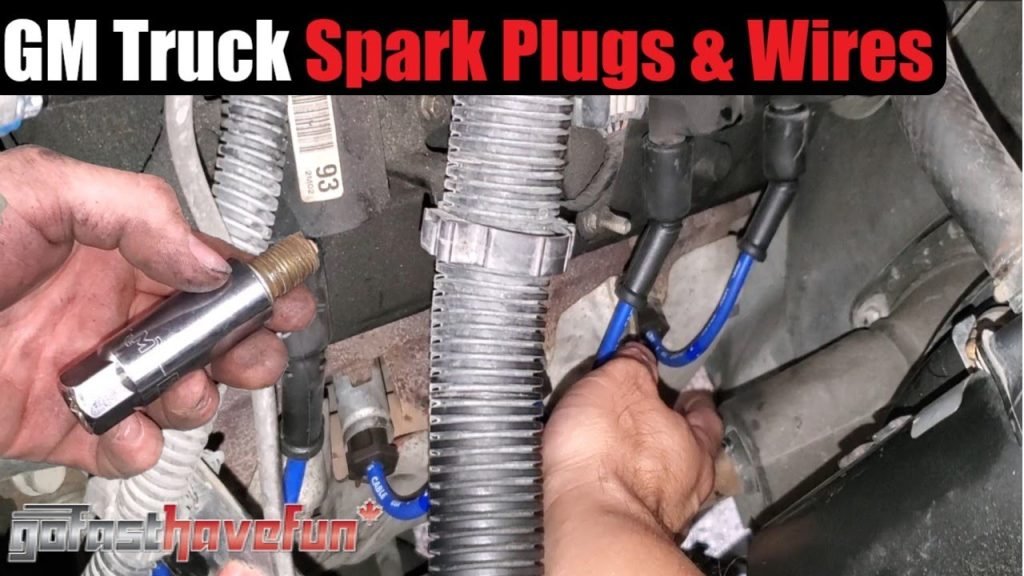
If your car is running rough or struggling to start, your spark plug wires might be the problem. Changing them yourself can save you time and money, and it’s easier than you think.
In this guide, you’ll learn exactly how to change a spark plug wire step-by-step, even if you’ve never done it before. By the end, you’ll feel confident and ready to get your engine firing smoothly again. Keep reading to discover the simple tricks that make this job quick and hassle-free.
Signs Of Worn Spark Plug Wires
Worn spark plug wires affect engine performance and fuel use. These wires carry electricity from the ignition coil to the spark plugs. Over time, heat and wear cause damage. Recognizing signs of worn wires helps maintain your vehicle’s health. Early detection avoids costly repairs and keeps the engine running smoothly.
Engine Misfires And Rough Idle
Faulty spark plug wires cause engine misfires. The engine may shake or run unevenly. You might hear popping sounds from the engine. Rough idle happens because the spark doesn’t ignite fuel properly. This reduces engine power and smoothness.
Reduced Fuel Efficiency
Worn wires lower fuel efficiency. The engine burns more fuel to compensate for poor sparks. This means more trips to the gas station. Fuel economy drops, costing you more money. Replacing spark plug wires can restore better mileage.
Visible Wire Damage
Check spark plug wires for visible damage. Look for cracks, burns, or corrosion on the wire surface. Wires may appear brittle or melted in spots. Damaged wires lose their ability to conduct electricity. Replacing them ensures proper engine function.
Tools And Materials Needed
Before you start changing your spark plug wires, make sure you have all the right tools and materials at hand. Having everything ready will save you time and reduce frustration. It also helps ensure the job is done correctly and safely.
Replacement Spark Plug Wires
Always choose high-quality replacement spark plug wires designed for your specific vehicle model. Cheap wires may cause misfires or poor engine performance. Check the packaging for compatibility and consider buying a full set to replace all wires at once, keeping your engine balanced.
Basic Hand Tools
You will need a few simple tools to get the job done effectively. A pair of pliers or a spark plug wire puller helps you remove the old wires without damage. Additionally, having a socket wrench set with the right spark plug socket can come in handy if you decide to inspect or replace spark plugs during the process.
Dielectric Grease
Dielectric grease is a small but powerful addition to your toolkit. It prevents moisture and corrosion inside the wire boots, improving the electrical connection. Applying a small amount inside each boot before installation can save you from future ignition problems.
Preparing Your Vehicle
Preparing your vehicle before changing a spark plug wire is crucial for safety and effectiveness. Taking a few simple steps can save you from frustration and potential injury. Let’s focus on what you need to check and set up before you start the replacement.
Ensure Engine Is Cool
Never touch the spark plug wires or engine parts when the engine is hot. The heat can cause burns and make components harder to handle. Wait at least 30 minutes after turning off the engine to let everything cool down completely.
Have you ever tried fixing a car part only to pull your hand away quickly because it was too hot? Avoid this by always double-checking the engine temperature first.
Locate Spark Plug Wires
Finding the spark plug wires can be tricky if you’re new to car maintenance. These wires usually run from the ignition coil to the spark plugs, which are screwed into the engine block.
Look for thick wires connected to the engine’s cylinder head. If you’re unsure, your vehicle’s manual will have a clear diagram showing their exact location.
Work In A Well-lit Area
Good lighting is essential when handling small parts like spark plug wires. It helps you see the wire connections clearly and avoid mistakes like pulling the wrong wire.
If your garage is dim, bring in a portable work light or use a bright flashlight. Have you noticed how much easier tasks become when you can actually see what you’re doing?

Credit: www.youtube.com
Removing Old Spark Plug Wires
Removing old spark plug wires is a key task before installing new ones. This step ensures your engine runs smoothly. Careful removal prevents damage to the wires and engine parts. Follow these simple tips to do it right.
Identify Wire Order
Each spark plug wire connects to a specific cylinder. Note the order before removal. Use a marker or take a photo for reference. This helps avoid confusion during reinstallation. Labeling wires saves time and prevents mistakes.
Careful Wire Disconnection
Grip the wire boot, not the wire itself. Pull gently to avoid tearing. Wiggle slightly if the wire feels stuck. Do not yank or twist aggressively. This protects the wire and spark plug connection.
Avoiding Wire Damage
Old wires can be brittle and fragile. Handle them with care to avoid breaks. Store removed wires safely if you plan to reuse them. Check for cracks or corrosion before discarding. Proper handling ensures safe removal and cleaner installation.
Installing New Spark Plug Wires
Installing new spark plug wires is a key step to ensure your engine runs smoothly and efficiently. It’s not just about swapping old wires for new ones; attention to detail during installation can prevent misfires and improve your vehicle’s performance. Let’s break down the essential tips for a successful installation.
Matching Wire Lengths
Each spark plug wire is designed to fit a specific distance between the ignition coil and the spark plug. Using the wrong length can cause wires to stretch or sag, leading to poor connections or damage. Always compare the new wires to the old ones side by side before installation to make sure the lengths match perfectly.
Think about how a wire that’s too long might rub against hot engine parts or moving components. Could that cause an unexpected breakdown? Matching lengths helps avoid these risks and keeps your engine bay neat.
Applying Dielectric Grease
Dielectric grease is a small but powerful tool in your spark plug wire installation kit. Applying a thin layer inside the boot of each wire improves the seal and prevents moisture from causing corrosion or electrical shorts. It also makes it easier to remove the wires next time without damaging them.
Don’t overdo it—too much grease can attract dirt. Just a small amount will protect connections and help your wires last longer. Have you ever struggled with wires stuck tight to the spark plugs? This simple step can save you from that hassle.
Secure Wire Connections
Ensuring each wire is firmly connected at both ends is crucial. Loose connections can cause your engine to misfire or run rough. Push the boot onto the spark plug and ignition coil until you feel or hear a click, signaling a solid connection.
After installation, gently tug each wire to confirm it’s secure. If any wire comes off easily, re-seat it right away. How often do you check these connections during regular maintenance? Making it a habit can prevent engine problems down the road.

Credit: www.youtube.com
Testing Engine Performance
Testing engine performance is key after changing spark plug wires. It ensures the wires work well and the engine runs smoothly. This step helps catch any issues early. A well-tested engine performs better and lasts longer. Follow these checks to confirm your engine’s health.
Starting The Engine
Turn the ignition key to start the engine. Listen carefully to how it sounds. A quick and steady start shows good spark plug wire function. If the engine struggles or hesitates, check connections again. Proper starting means the wires deliver the spark correctly.
Checking For Smooth Operation
Let the engine run for a few minutes. Watch and listen for any rough idling or shaking. The engine should run evenly without sputtering. Smooth operation means the spark plugs fire correctly. Uneven running could mean a loose wire or bad connection.
Monitoring For Any Issues
Pay attention to any unusual noises or vibrations. Watch the dashboard for warning lights. Check for a loss of power or poor acceleration while driving. These signs suggest spark plug wires may not work properly. Fix any problems quickly to avoid engine damage.
Maintenance Tips For Spark Plug Wires
Proper care of spark plug wires keeps your engine running smoothly. Spark plug wires carry electricity from the ignition coil to the spark plugs. Damaged wires can cause misfires and poor engine performance. Follow these simple maintenance tips to extend their life and maintain engine efficiency.
Regular Inspection
Check spark plug wires every few months. Look for cracks, burns, or corrosion on the wire surface. Feel along the wire for soft or brittle spots. Ensure all connections are tight and secure. Replace any wire showing signs of wear or damage immediately.
Avoiding Excess Heat Exposure
Heat can damage spark plug wires quickly. Keep wires away from hot engine parts like exhaust manifolds. Use heat shields or protective sleeves if wires run near heat sources. Proper routing helps prevent melting or cracking caused by high temperatures.
Replacing Wires Periodically
Spark plug wires do not last forever. Replace them every 30,000 to 50,000 miles depending on your vehicle’s manual. New wires improve spark delivery and engine performance. Avoid waiting for wires to fail and cause engine problems.

Credit: beachautomotive.com
Frequently Asked Questions
How Do I Know When To Change Spark Plug Wires?
Check for engine misfires, rough idling, or poor acceleration. Visible damage like cracks or burns on wires also signals replacement.
What Tools Are Needed To Replace Spark Plug Wires?
You typically need a spark plug wire puller, ratchet, and socket set. Always use gloves to protect your hands from heat.
Can I Replace Spark Plug Wires Myself Safely?
Yes, with basic automotive knowledge and proper tools, you can replace wires safely. Ensure the engine is cool before starting.
How Long Does It Take To Change Spark Plug Wires?
Replacing spark plug wires usually takes 30 to 60 minutes depending on the vehicle and your experience level.
Conclusion
Changing a spark plug wire is simple and important. Regular maintenance keeps your car running smoothly. Follow the steps carefully. Ensure you have the right tools. Pay attention to safety precautions. Double-check connections after installing new wires. This prevents future issues.
A few minutes of work can save you trouble later. Keep your car in top shape with this basic skill. It’s rewarding and cost-effective. No need for expensive mechanics. Just your hands and a little patience. Enjoy the satisfaction of a job well done.
Happy driving!





