Have you ever wondered how often you should change the spark plugs in your car? It’s a simple question, but the answer can save you from costly repairs and keep your engine running smoothly.
Spark plugs play a crucial role in your vehicle’s performance, and ignoring them can lead to poor fuel efficiency, rough idling, or even engine trouble. You’ll discover the signs that tell you it’s time for a change, how often you really need to replace them, and tips to keep your engine firing on all cylinders.
Keep reading—your car will thank you.
Credit: www.slashgear.com
Signs To Replace Spark Plugs
Spark plugs play a vital role in your vehicle’s engine. They ignite the fuel-air mixture for combustion. Over time, spark plugs wear out and lose efficiency. Recognizing the signs of worn spark plugs can prevent bigger engine problems.
Knowing when to replace spark plugs helps maintain smooth engine performance. Watch for these common signs that indicate replacement is needed.
Engine Misfires And Rough Idling
Worn spark plugs can cause the engine to misfire. The engine may run unevenly or shake when idling. This happens because the spark plugs fail to ignite the fuel properly. Misfires reduce engine power and can increase emissions.
Reduced Fuel Efficiency
Faulty spark plugs waste fuel by causing incomplete combustion. This lowers your car’s gas mileage. You may notice you need to fill the tank more often. Replacing spark plugs can restore fuel efficiency and save money.
Difficulty Starting Engine
Old spark plugs make starting the engine harder. The engine may crank longer before it starts. This problem occurs because the spark plugs struggle to create a strong spark. Timely replacement ensures quick and easy starts every time.
Recommended Replacement Intervals
Knowing the recommended replacement intervals for spark plugs helps keep your engine running smoothly. Changing spark plugs on time avoids poor performance and saves fuel. Each car has specific guidelines, influenced by driving habits and spark plug type. Understanding these factors ensures timely maintenance and better engine health.
Manufacturer Guidelines
Car makers provide spark plug replacement intervals in the owner’s manual. These intervals usually range from 30,000 to 100,000 miles. Following these recommendations keeps your vehicle in good shape. Ignoring them can cause engine misfires and lower fuel efficiency. Always check the manual for the exact interval for your car model.
Impact Of Driving Conditions
Driving style affects how often spark plugs need replacement. Frequent stop-and-go traffic or short trips can wear plugs faster. Dusty or wet environments also reduce spark plug life. Highway driving tends to cause less wear. Adjust replacement intervals based on the type of roads and driving conditions you face.
Types Of Spark Plugs And Longevity
Spark plugs come in different types with varying lifespans. Copper plugs last about 20,000 to 30,000 miles. Platinum plugs can last up to 60,000 miles. Iridium plugs offer the longest life, around 100,000 miles. Choosing the right type affects how often you change them. Consider your car’s needs and budget when selecting spark plugs.
Tools Needed For Replacement
Replacing spark plugs needs the right tools. Using proper tools makes the job easier and safer. It also helps avoid damage to your engine parts.
Below are the essential tools you need for spark plug replacement. Each tool has a specific role in the process.
Spark Plug Socket And Ratchet
A spark plug socket fits snugly over the plug. It usually has a rubber insert to protect the plug. A ratchet helps turn the socket with less effort. These tools help remove and install spark plugs quickly.
Torque Wrench
A torque wrench measures the tightness of the spark plug. It ensures the plug is neither too loose nor too tight. Correct torque prevents engine problems and damage to threads.
Anti-seize And Dielectric Grease
Anti-seize prevents the spark plug from sticking in the cylinder head. It makes future removal easier. Dielectric grease protects the spark plug boot from moisture. It also helps improve electrical connection.

Credit: beachautomotive.com
Step-by-step Replacement Process
Changing spark plugs might seem like a small task, but it plays a huge role in how smoothly your engine runs. Knowing the exact process helps you avoid common mistakes and saves you money on repairs. Here’s a clear, hands-on guide to replacing your spark plugs effectively.
Preparing The Engine
First, make sure your engine is completely cool. Working on a hot engine can cause burns and damage to parts.
Gather all necessary tools: a spark plug socket, ratchet wrench, extension bar, and a gap gauge. Having everything ready prevents frustration during the job.
Disconnect the negative battery cable to avoid any electrical shocks or shorts. Safety should always come first.
Removing Old Spark Plugs
Locate each spark plug wire or coil pack on the engine. Carefully pull the wire boot straight off the plug—twisting can break the wire.
Use the spark plug socket with the ratchet and extension to loosen and remove the old spark plugs. Turn counterclockwise gently; if it feels stuck, spray a bit of penetrating oil and wait.
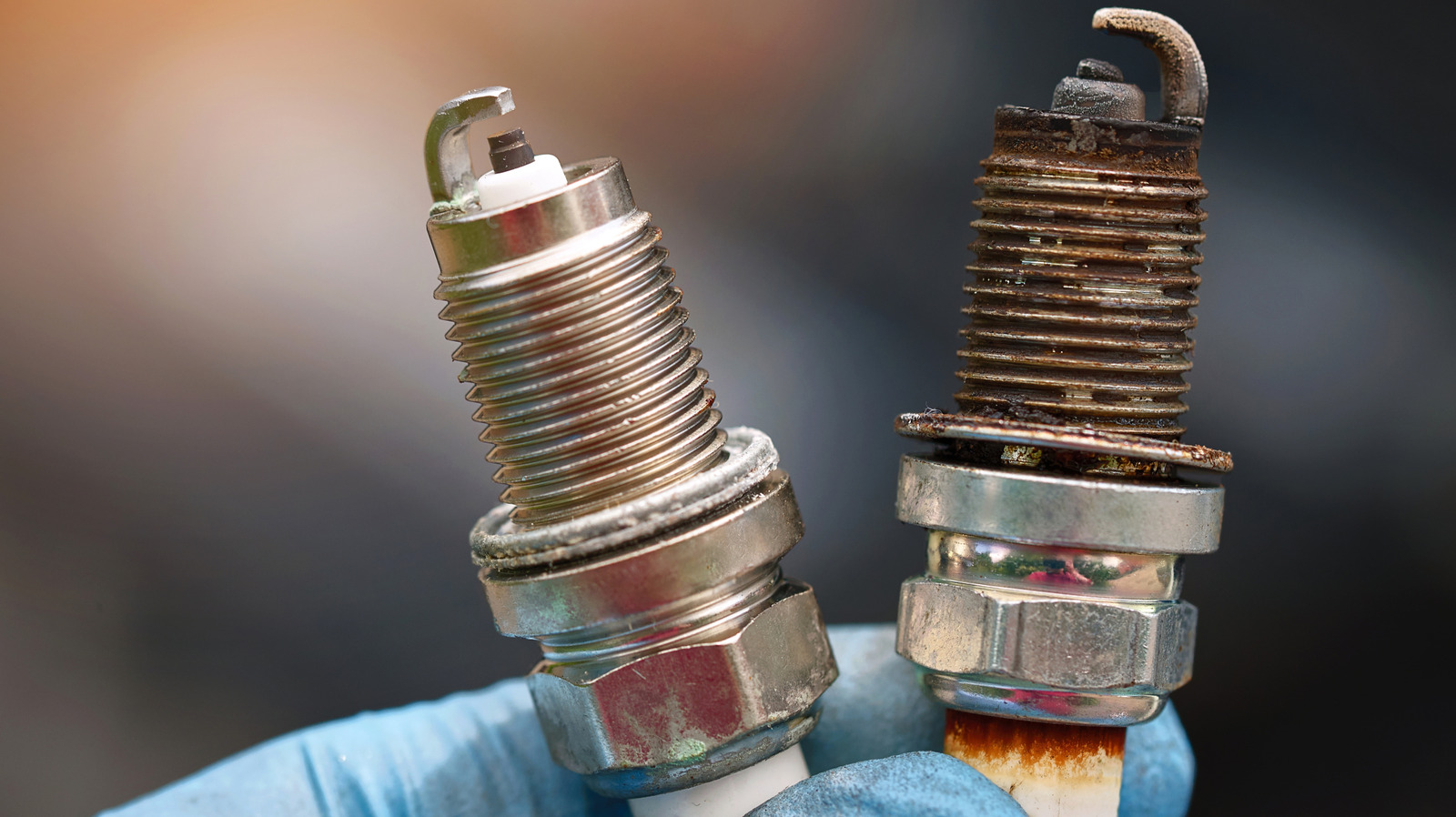
Inspect each old plug. Noticing wear or unusual deposits can tell you about your engine’s health—have you checked what your plugs reveal before?
Installing New Spark Plugs
Check the gap on your new spark plugs using a gap gauge. Incorrect gaps can cause poor performance or misfires.
Thread the new plugs in by hand first to avoid cross-threading, then tighten with the socket. Don’t overtighten—spark plugs should be snug but not forced.
Reconnect the spark plug wires or coil packs securely. You want a firm connection to ensure proper firing every time.
Maintaining Spark Plug Performance
Maintaining spark plug performance is key to keeping your engine running smoothly. Spark plugs ignite the fuel-air mix inside the engine, so clean and well-functioning plugs improve fuel efficiency and reduce emissions. Neglecting spark plugs can lead to poor engine starts, misfires, and lower power output.
Regular care helps extend the life of spark plugs and saves money on repairs. Understanding how to inspect, clean, and avoid errors is essential for good vehicle maintenance.
Regular Inspection
Check spark plugs every 20,000 to 30,000 miles. Look for signs of wear like cracks, carbon buildup, or worn electrodes. Inspect the gap between electrodes; it affects spark strength. Replace plugs showing heavy deposits or damage. Use a flashlight and a feeler gauge for best results.
Cleaning Techniques
Remove dirt and deposits gently to avoid damage. Use a wire brush or spark plug cleaner tool. Avoid harsh chemicals that can erode the metal. Light sandpaper can smooth rough electrodes. Make sure the plug is dry before reinstalling it. Clean plugs help maintain strong sparks and better engine performance.
Avoiding Common Mistakes
- Do not overtighten spark plugs; it may damage the threads.
- Use the correct spark plug type for your engine model.
- Do not ignore the recommended replacement intervals.
- Avoid using old or worn plugs; they reduce efficiency.
- Do not clean plugs too often; it wears them out faster.

Credit: m.youtube.com
Benefits Of Timely Spark Plug Changes
Changing your spark plugs on time offers clear benefits that go beyond just keeping your car running. It directly impacts how smoothly your engine works, how much fuel you use, and even the emissions your vehicle produces. Understanding these benefits can motivate you to stick to a maintenance schedule that keeps your car in top shape.
Improved Engine Performance
Fresh spark plugs ignite the fuel-air mixture more efficiently, which means your engine fires up quicker and runs smoother. You might notice your car accelerates better and idles more steadily after changing the plugs. If you’ve ever experienced rough starts or sluggish response, worn spark plugs could be the hidden cause.
Enhanced Fuel Economy
Worn spark plugs cause incomplete combustion, wasting fuel and costing you more at the pump. Replacing them promptly ensures your engine burns fuel more efficiently, improving your miles per gallon. Have you ever tracked your fuel expenses and wondered why they suddenly increased? Your spark plugs might be to blame.
Reduced Emissions
When spark plugs don’t perform well, your engine produces more harmful emissions due to unburned fuel. Timely changes help your vehicle meet emission standards and reduce its environmental impact. If you care about cleaner air, keeping your spark plugs fresh is a simple yet effective step you can take.
Frequently Asked Questions
How Often Should Spark Plugs Be Replaced?
Spark plugs usually need replacement every 30,000 to 100,000 miles. The exact interval depends on your vehicle model and spark plug type. Regular checks help maintain engine efficiency and fuel economy.
What Are Signs Of Worn-out Spark Plugs?
Common signs include engine misfires, poor fuel economy, rough idling, and difficulty starting. If you experience these, inspect or replace your spark plugs promptly.
Can Old Spark Plugs Damage My Engine?
Yes, old spark plugs can cause misfires and reduce engine performance. Prolonged use may lead to engine damage or increased emissions. Timely replacement protects your engine’s health.
Does Driving Style Affect Spark Plug Life?
Aggressive driving and frequent short trips can wear out spark plugs faster. Smooth driving and regular maintenance help extend their lifespan and keep your engine running smoothly.
Conclusion
Changing spark plugs regularly keeps your car running smoothly. Ignoring this can lead to engine problems. Check your vehicle’s manual for specific intervals. Most cars need new plugs every 30,000 miles. Some newer models may last longer. Always use the recommended spark plugs for your vehicle.
Regular maintenance saves money and extends car life. Visit a trusted mechanic for advice if unsure. Keep your car’s performance optimal by staying on top of spark plug changes. Your vehicle will thank you with better efficiency and reliability. Remember, small maintenance steps prevent bigger issues.
Stay proactive!





