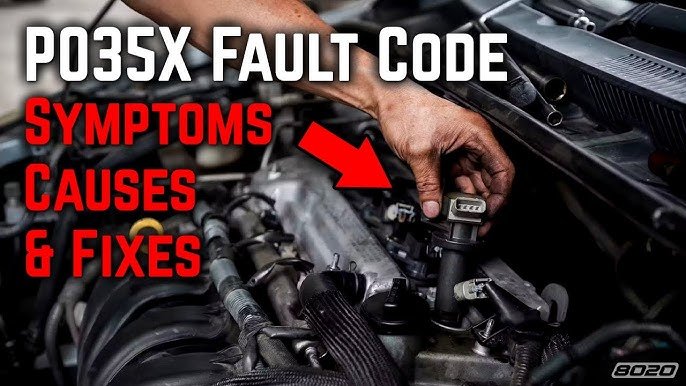
Are you wondering whether you should replace your ignition coils along with your spark plugs? It’s a common question that many car owners face when their engine starts acting up.
The truth is, knowing when and why to replace these parts can save you time, money, and a lot of frustration down the road. You’ll discover clear answers and practical advice that will help you make the best decision for your vehicle.
Keep reading to find out what really works and what might be wasting your money.

Credit: simonsautorepairtaunton.com
Role Of Ignition Coils
Ignition coils play a crucial role in your vehicle’s engine. They turn the battery’s low voltage into the high voltage needed to create a spark. This spark ignites the air-fuel mixture inside the engine cylinders. Without ignition coils, the engine cannot start or run properly. Understanding their role helps in deciding whether to replace ignition coils or spark plugs.
How Ignition Coils Work
Ignition coils act like transformers. They convert 12 volts from the battery into thousands of volts. This high voltage travels through spark plug wires to the spark plugs. The spark plugs then ignite the fuel mixture to power the engine. Each ignition coil works with one or more spark plugs. Modern cars often have one coil per cylinder for better performance.
Signs Of Faulty Ignition Coils
- Engine misfires or runs roughly
- Difficulty starting the engine
- Reduced fuel efficiency
- Check Engine Light turns on
- Engine stalls unexpectedly
- Unusual noises during acceleration
Spotting these signs early can prevent bigger problems. Ignition coil issues affect engine power and smoothness. Replacing coils on time keeps your car running well.

Credit: www.reddit.com
Function Of Spark Plugs
Spark plugs play a key role in your vehicle’s engine. They create the spark needed to ignite the air-fuel mixture inside the engine cylinders. This ignition powers the engine and keeps your car running smoothly. Without properly functioning spark plugs, the engine may misfire or run inefficiently.
Understanding how spark plugs work helps you know why they need regular checks and replacements. They endure high temperatures and pressure, so they can wear out over time. Recognizing the signs of worn spark plugs can prevent bigger engine problems.
Spark Plug Operation
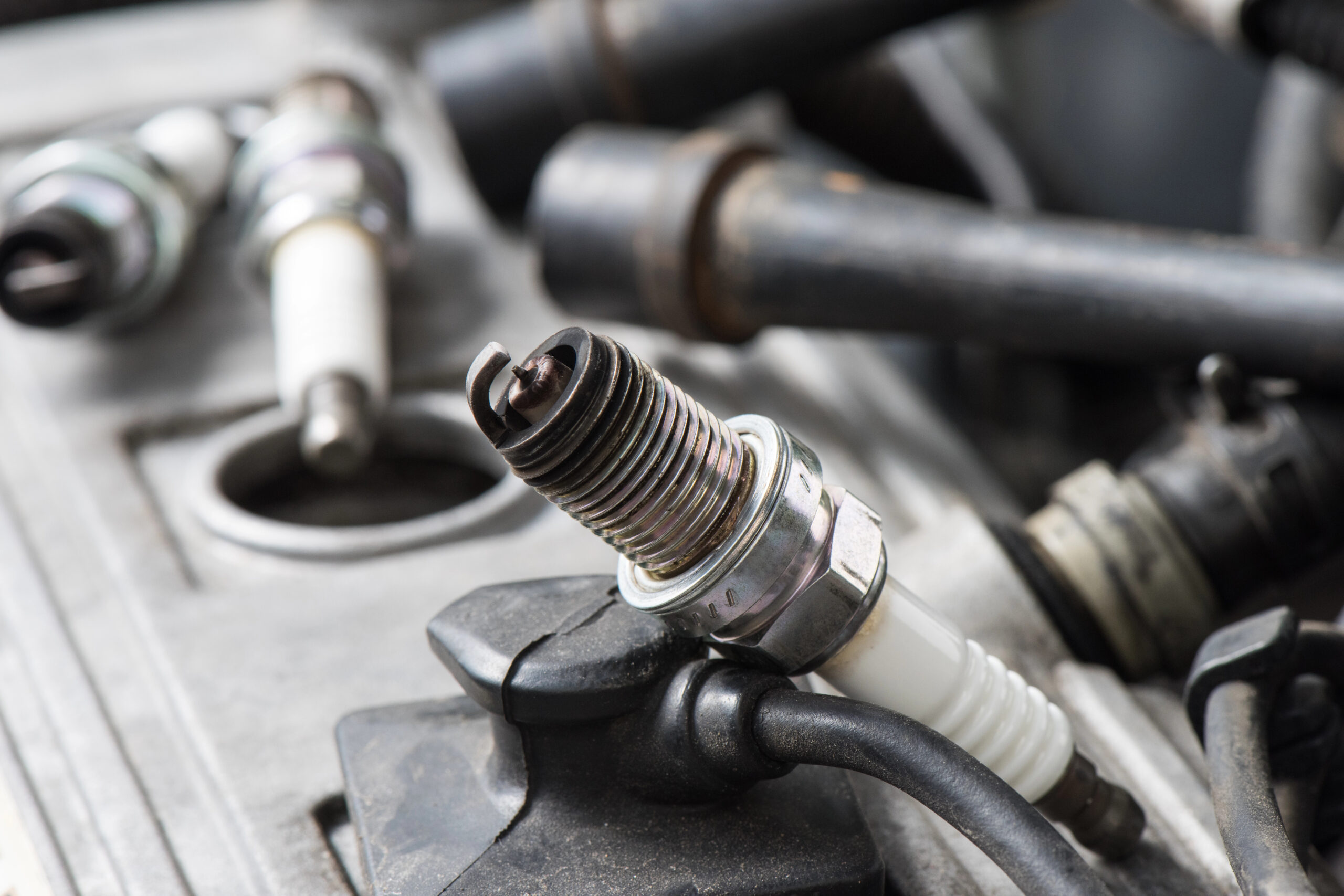
Spark plugs deliver an electric spark to ignite the fuel in the engine. This spark happens inside the combustion chamber. The spark must be strong and timed perfectly for the engine to run well.
Each spark plug has a center electrode and a ground electrode. Electricity jumps the gap between these electrodes, creating the spark. This process repeats thousands of times per minute while the engine runs.
Symptoms Of Worn Spark Plugs
- Engine misfires or runs roughly
- Reduced fuel efficiency
- Difficulty starting the engine
- Loss of power during acceleration
- Engine idles unevenly or stalls
Worn spark plugs can cause these problems. Replacing them restores smooth engine performance. Regular inspection helps catch wear before it affects driving.
When To Replace Ignition Coils
Knowing when to replace your ignition coils can save you from unexpected breakdowns and costly repairs. Ignition coils play a vital role in your vehicle’s engine performance, so paying attention to their condition is crucial. But how do you tell if they need replacing, and what signs should prompt you to take action?
Common Causes For Replacement
Ignition coils often wear out due to heat and vibration inside the engine bay. Over time, this can cause the internal wiring to break down or the coil casing to crack.
Other causes include:
- Moisture intrusion leading to short circuits
- Oil leaks contaminating the coil’s surface
- Electrical surges or faulty spark plugs stressing the coil
If you’ve noticed rough idling or your check engine light blinking, these might be warning signs. Have you checked if your coils are overheating or if your spark plugs are causing extra strain?
Effects Of Ignition Coil Failure
Failing ignition coils can cause multiple engine problems. You might experience poor fuel economy because the engine misfires and burns more fuel than necessary.
Other effects include:
- Difficulty starting your car
- Reduced engine power and acceleration
- Increased emissions and potential damage to the catalytic converter
Ignoring these signs often leads to bigger issues. Have you ever driven with a misfiring engine and noticed how it affects your daily commute?
When To Replace Spark Plugs
Knowing exactly when to replace your spark plugs can save you from unexpected car troubles and improve your vehicle’s efficiency. Spark plugs wear out over time, and ignoring their condition may lead to poor engine performance or even damage. Let’s look at how you can identify the right time to swap them out and what signs to watch for.
Recommended Replacement Intervals
Most car manufacturers suggest replacing spark plugs every 30,000 to 100,000 miles, depending on the type and quality of the plugs. Copper spark plugs usually need changing closer to 30,000 miles, while platinum or iridium plugs can last up to 100,000 miles.
Checking your owner’s manual gives you the best guidance for your specific vehicle. However, if you drive in harsh conditions or notice engine issues, you might need to replace them sooner.
Impact Of Bad Spark Plugs On Performance
Worn-out spark plugs cause rough idling, difficulty starting your engine, and reduced fuel efficiency. You might feel your car hesitating or jerking during acceleration—these are red flags your spark plugs aren’t firing properly.
Ignoring these signs can lead to more serious problems, like damage to ignition coils or catalytic converters, which cost much more to fix. Have you noticed any changes in your car’s behavior lately? It might be time to check those spark plugs before things get worse.
Replacing Ignition Coils Vs Spark Plugs
Replacing ignition coils and spark plugs both improve engine performance. Each part plays a key role in your car’s ignition system. Ignition coils create the spark needed to ignite the fuel-air mix. Spark plugs deliver this spark inside the engine cylinders. Knowing the difference helps decide which to replace.
Worn spark plugs cause rough idling and poor fuel economy. Faulty ignition coils lead to engine misfires and reduced power. Sometimes both parts wear out around the same time. Choosing the right part to replace depends on the symptoms and vehicle condition.
Cost Considerations
Spark plugs usually cost less than ignition coils. A set of spark plugs ranges from $10 to $50. Ignition coils can cost $50 to $150 each. Replacing all coils can get expensive fast. Labor costs are also different. Spark plug replacement takes less time. Coil replacement often requires more work. Budget plays a role in deciding what to replace.
Diy Vs Professional Replacement
Spark plugs are easier for beginners to replace. Tools needed include a spark plug socket and wrench. Many cars have easy access to spark plugs. Ignition coils require more skill and care. Removing coils involves unplugging electrical connectors. Incorrect installation can cause engine damage. Professionals have the right tools and knowledge. DIYers should assess their comfort level before starting. Safety and proper installation are key.
Combined Replacement Benefits
Replacing ignition coils and spark plugs together can bring noticeable benefits to your vehicle’s performance and reliability. Both components work closely to ignite the fuel-air mixture in your engine, so addressing them at the same time helps avoid mismatched wear and tear. This combined approach often saves you money and time, while boosting your car’s overall health.
Improved Engine Performance
When you replace ignition coils and spark plugs simultaneously, your engine fires more efficiently. This means smoother starts, better acceleration, and fewer misfires. You might notice your car runs quieter and feels more responsive, especially under heavy load or cold conditions.
Have you experienced hesitation or rough idling? That’s often caused by worn coils or plugs. Fixing both ensures a consistent spark, which improves fuel combustion and reduces emissions.
Preventive Maintenance Tips
Don’t wait for obvious problems before replacing these parts. Inspect your ignition coils and spark plugs every 30,000 miles or as recommended in your vehicle’s manual. Keeping track helps you catch early signs of failure like engine stalling or poor fuel economy.
- Check for oil or dirt buildup around ignition coils
- Test spark plug gaps and replace if worn or corroded
- Use quality replacement parts that match your car’s specifications
- Consider replacing spark plugs and coils together to maintain balance
By combining replacements, you reduce the risk of uneven wear and avoid multiple repair sessions. Isn’t it better to invest a little now than face costly breakdowns later?
Common Mistakes To Avoid
Avoiding common mistakes helps save time and money during ignition coil or spark plug replacement. Many car owners confuse these parts or overlook warning signs. This section highlights key errors to prevent.
Incorrect Part Selection
Choosing the wrong ignition coil or spark plug can cause engine problems. Parts vary by car model and engine type. Using incompatible parts may lead to poor engine performance or damage. Always check the vehicle’s manual or consult a trusted mechanic before buying replacements. Avoid guessing or using cheap, generic parts. Quality and fit matter for smooth engine function.
Ignoring Warning Signs
Ignoring early signs of ignition coil or spark plug failure worsens the issue. Common symptoms include:
- Engine misfires or rough idling
- Reduced fuel efficiency
- Difficulty starting the car
- Check engine light activation
Delaying repairs can cause more damage and higher costs. Pay attention to these signs and address them quickly to keep your car running well.
Credit: jerry.ai
Frequently Asked Questions
Should I Replace Ignition Coils With Spark Plugs?
No, ignition coils and spark plugs serve different functions. Replace spark plugs regularly, and ignition coils only if faulty or damaged.
Can Faulty Ignition Coils Damage Spark Plugs?
Yes, faulty ignition coils can cause misfires, leading to spark plug wear and reduced engine performance.
How Often Should I Replace Spark Plugs And Ignition Coils?
Spark plugs typically need replacement every 30,000 to 100,000 miles. Ignition coils last longer but replace them if misfires occur.
What Are Signs Of Bad Ignition Coils Or Spark Plugs?
Engine misfires, rough idling, poor fuel economy, and difficulty starting indicate worn spark plugs or failing ignition coils.
Conclusion
Replacing ignition coils with spark plugs isn’t a straightforward choice. Each part serves a different purpose in your vehicle. Ignition coils amplify voltage. Spark plugs ignite the fuel-air mixture. Both are crucial for a smooth ride. Regular maintenance can prevent unexpected breakdowns.
Check them often. Consider professional advice if unsure. Ignoring issues can lead to bigger problems. Keep your vehicle’s health in check. This ensures safety and performance. Investing time in understanding these parts can save money. And headaches. Choose wisely for a reliable journey.





