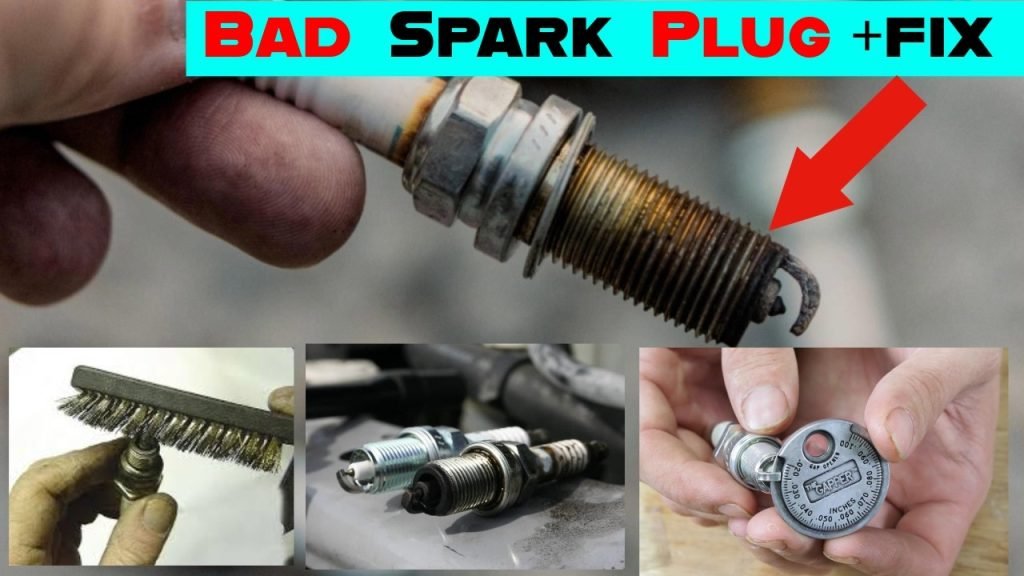
Have you noticed your car acting up lately? Maybe it’s struggling to start, or the engine feels rough when you’re driving.
These signs could point to one simple but crucial part: your spark plugs. When spark plugs go bad, they can cause a chain reaction that affects your car’s performance, fuel efficiency, and even your safety on the road. You’ll discover exactly what happens if spark plugs are bad, why it matters to fix them quickly, and how to spot the warning signs before things get worse.
Keep reading to protect your vehicle and avoid costly repairs down the line.

Credit: www.reddit.com
Symptoms Of Bad Spark Plugs
Bad spark plugs cause various problems in your car’s engine. They affect performance and fuel use. Spotting symptoms early can save costly repairs. Here are common signs that your spark plugs need attention.
Engine Misfires
Engine misfires happen when spark plugs fail to ignite fuel properly. You may feel the engine jerk or stumble. Misfires reduce power and smoothness while driving. This issue can damage other engine parts over time.
Poor Fuel Economy
Worn spark plugs cause incomplete fuel burning. Your car burns more gas to run the same distance. Poor fuel economy means more trips to the pump. It also increases emissions and harms the environment.
Difficulty Starting
Old spark plugs make it hard to start the engine. The car may crank longer before it runs. In cold weather, starting problems become worse. This can leave you stranded or cause battery drain.
Rough Idling
Bad spark plugs cause the engine to idle roughly. You might notice vibrations or shaking inside the car. Rough idling wastes fuel and stresses the engine. It can also make stops and low-speed driving uncomfortable.
Lack Of Acceleration
Weak spark plugs reduce engine power and response. Your car may feel slow or sluggish when accelerating. This affects highway merging and climbing hills. Acceleration problems lower driving confidence and safety.

Credit: www.reddit.com
Causes Of Spark Plug Failure
Understanding the causes of spark plug failure is key to maintaining your vehicle’s performance. Spark plugs play a crucial role in igniting the fuel-air mixture in your engine. If they fail, your engine may misfire, stall, or lose power. Let’s look at the common reasons why spark plugs go bad, so you can spot issues early and avoid costly repairs.
Wear And Tear
Over time, spark plugs naturally wear out. The electrode gradually erodes due to constant sparks jumping across the gap. You might notice your engine running rough or poor fuel economy as the spark plug wears down.
Think about how often you drive and the conditions you face. Frequent stop-and-go traffic or long highway trips can speed up wear. Regular inspections help catch this before it becomes a bigger problem.
Carbon Buildup
Carbon deposits can accumulate on the spark plug’s tip. This happens when the engine runs too rich or oil leaks into the combustion chamber. The buildup blocks the spark, causing weak ignition.
Have you ever smelled unburned fuel or noticed a rough idle? That could be a sign of carbon buildup. Cleaning or replacing the spark plugs can restore proper function.
Overheating
Spark plugs can overheat if your engine runs too hot or if the plug’s heat range is incorrect. Overheating damages the electrode and insulator, leading to misfires.
Watch for symptoms like engine knocking or loss of power on hot days. If you’ve upgraded your engine’s performance, make sure the spark plugs match the new heat requirements.
Oil Contamination
Oil can leak into the combustion chamber and coat the spark plugs. This contamination creates a barrier that prevents sparks from firing properly. It often points to worn piston rings or valve seals.
If your spark plugs look oily during inspection, it’s a sign of a deeper engine issue. Addressing this quickly can save you from engine damage.
Incorrect Installation
Improperly installed spark plugs can cause immediate or premature failure. If the plug is not tightened to the right torque, it can loosen or damage the threads. Incorrect gap settings also reduce spark efficiency.
Have you ever tried fixing your car yourself? Double-checking the installation steps or consulting a professional can prevent these mistakes. Proper installation ensures your spark plugs work as they should.
Effects On Engine Performance
Bad spark plugs can cause several problems in engine performance. The engine may not run smoothly or efficiently. Poor spark plug condition affects how well the engine burns fuel. This leads to noticeable changes while driving.
Reduced Power Output
Worn or damaged spark plugs create weak sparks. Weak sparks fail to ignite the fuel properly. The engine struggles to generate full power. Acceleration slows down and the vehicle feels sluggish. Climbing hills or carrying heavy loads becomes harder. Overall, the engine cannot perform at its best.
Increased Emissions
Bad spark plugs cause incomplete fuel combustion. Unburned fuel produces harmful gases in the exhaust. This raises the level of pollutants released into the air. The car may fail emissions tests due to excess pollution. A dirty engine also wastes fuel, increasing costs. Cleaner combustion starts with good spark plugs.
Engine Damage Risks
Continuous misfires from bad spark plugs stress the engine. Unburned fuel can wash away the oil film inside cylinders. This causes metal parts to rub and wear faster. Over time, serious engine damage may occur. Repairing or replacing engine parts is expensive. Maintaining spark plugs helps protect engine health.
Diagnosing Spark Plug Issues
Diagnosing spark plug issues helps maintain engine performance. Spark plugs play a vital role in igniting the air-fuel mix inside the engine cylinders. Faulty spark plugs can cause poor fuel economy, rough idling, and engine misfires. Identifying problems early saves time and money.
Visual Inspection
Start by removing the spark plugs for a close look. Check for signs like:
- Black soot or carbon buildup
- Worn or eroded electrodes
- Oil or fuel deposits
- Cracks or damage to the ceramic insulator
These signs indicate a spark plug needs replacement. A clean spark plug usually means it is functioning well.
Using A Spark Tester
A spark tester checks if the spark plug creates a spark. Connect the tester to the spark plug wire. Crank the engine and watch for a spark inside the tester. No spark means the plug or ignition system may be faulty. This test is quick and effective.
Checking Engine Codes
Modern cars have onboard computers that store error codes. Use an OBD-II scanner to read these codes. Codes related to misfires or ignition issues often point to spark plug problems. This method helps pinpoint the exact cylinder causing trouble.
Professional Diagnostics
Some spark plug issues need expert analysis. Mechanics use advanced tools to test ignition coils, fuel injectors, and compression. They can find hidden problems that simple tests miss. Professional diagnostics ensure accurate repair and lasting fixes.
Fixing Bad Spark Plugs
Fixing bad spark plugs is essential to keep your engine running smoothly and efficiently. Ignoring faulty spark plugs can lead to poor fuel economy, rough idling, and even engine damage. Understanding how to clean, replace, and choose the right spark plugs can save you time and money while boosting your car’s performance.
Cleaning Spark Plugs
Sometimes, spark plugs just need a good cleaning instead of a full replacement. You can remove carbon deposits and dirt using a wire brush or spark plug cleaner. Make sure to inspect the electrode and ceramic insulator closely; if they’re damaged, cleaning won’t help.
Carefully cleaning your spark plugs can restore their efficiency and improve engine ignition. Have you ever noticed smoother acceleration after a spark plug cleaning? That’s the kind of difference a simple cleaning can make.
Replacing Spark Plugs
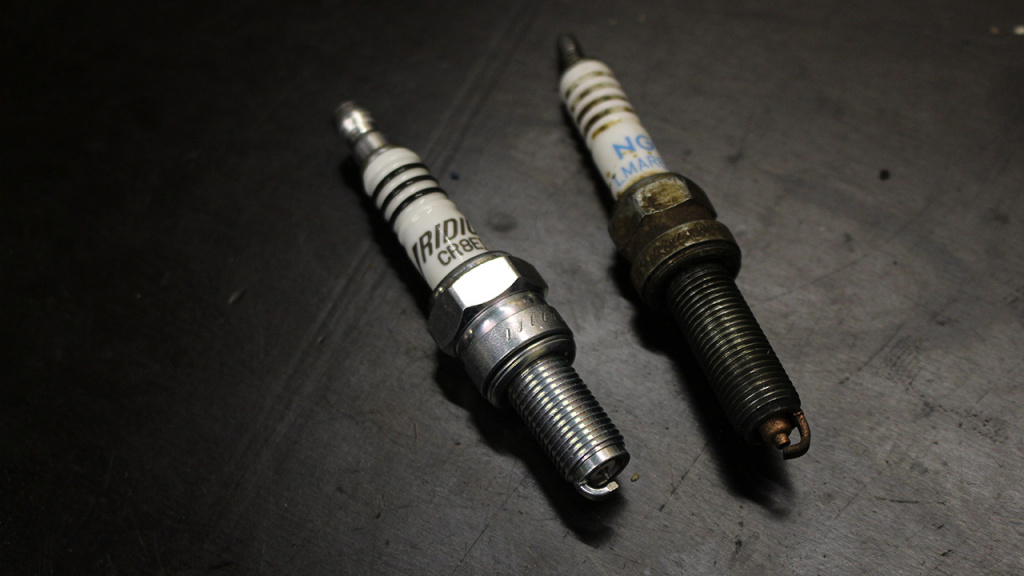
If your spark plugs are worn or damaged, replacement is the best option. Old spark plugs can cause misfires, which hurt your engine’s performance and fuel efficiency. Replacing them ensures consistent sparks and smooth engine operation.
Pay attention to the gap size on the new plugs—it should match your vehicle’s specifications exactly. Incorrect gaps can cause poor combustion or engine knocking. How long has it been since you last replaced your spark plugs?
Choosing The Right Spark Plugs
Not all spark plugs are created equal; picking the right type affects your car’s performance and longevity. Consider factors like material (copper, platinum, iridium), heat range, and your driving conditions. Iridium plugs last longer and offer better performance but cost more upfront.
Check your vehicle’s manual or consult a mechanic to find the best match. Using the wrong spark plug can cause problems like fouling or overheating. What trade-offs are you willing to make between cost and performance?
Proper Installation Tips
Installing spark plugs correctly is key to preventing engine issues. Always hand-tighten them first to avoid cross-threading, then use a torque wrench to secure them to the manufacturer’s recommended torque. Over-tightening can damage the threads, while under-tightening can cause poor sealing.
Apply a small amount of anti-seize compound on the threads if recommended, but avoid getting any on the electrode. Also, replace the spark plug wires or boots if they show signs of wear. Have you checked your tools and torque settings before starting?
Credit: finntrail.com
Preventing Future Spark Plug Problems
Keeping your spark plugs in good shape is key to a smooth-running engine and avoiding unexpected car troubles. Preventing future spark plug problems doesn’t have to be complicated or costly. With a few simple habits, you can protect your engine’s performance and save money on repairs down the road.
Regular Maintenance Schedule
Sticking to your vehicle’s maintenance schedule is the easiest way to keep spark plugs healthy. Check your owner’s manual for recommended intervals and don’t skip those tune-ups. Regular inspections help catch wear or buildup before it causes misfires or rough idling.
I once ignored a warning sign and delayed a spark plug check. The engine started hesitating on acceleration, which could have been avoided with timely maintenance. Have you noticed any changes in your engine’s behavior lately?
Using Quality Fuel
Fuel quality directly affects spark plug lifespan. Low-grade or contaminated fuel can cause deposits to form on the plugs, leading to poor ignition. Choosing higher-octane or cleaner-burning fuel can reduce buildup and improve combustion.
Think about the last time you filled up at a cheap gas station. Did your engine feel sluggish afterward? Opting for better fuel might be a small change that makes a big difference in spark plug health.
Monitoring Engine Performance
Pay attention to how your engine runs daily. Symptoms like rough idling, difficulty starting, or decreased fuel efficiency often signal spark plug issues. Early detection allows you to act before damage escalates.
Consider keeping a simple log of any unusual engine sounds or performance drops. This habit helped me identify spark plug problems early and avoid a costly breakdown. What signs has your car shown recently?
Timely Replacements
Even with great care, spark plugs wear out and need replacement. Don’t wait for severe symptoms to replace them; changing plugs at recommended intervals ensures consistent engine power. Using the right type of spark plug for your car is equally important.
Skipping timely replacements can lead to misfires that harm your catalytic converter and reduce fuel economy. Have you checked your spark plug age lately? It might be time for a quick swap to keep your engine happy.
Frequently Asked Questions
What Are The Signs Of Bad Spark Plugs?
Bad spark plugs cause rough idling, poor acceleration, and engine misfires. You may also notice reduced fuel efficiency and difficulty starting your vehicle.
How Do Bad Spark Plugs Affect Engine Performance?
They disrupt the combustion process, leading to weak engine power, increased emissions, and rough running. This reduces overall vehicle performance and drivability.
Can Bad Spark Plugs Damage My Car’s Engine?
Yes, prolonged use of bad spark plugs can cause engine knocking and damage pistons. This may lead to costly repairs if ignored.
How Often Should Spark Plugs Be Replaced?
Spark plugs typically last between 30,000 to 100,000 miles. Check your owner’s manual for specific intervals to maintain optimal engine function.
Conclusion
Bad spark plugs can cause engine problems. Misfires and rough idling are common. Fuel efficiency decreases, leading to more trips to the gas station. Acceleration becomes sluggish, affecting overall driving performance. Ignoring these issues can damage the engine over time.
Regular inspection and replacement of spark plugs prevent these problems. Keeping your engine running smoothly saves time and money. Maintenance ensures a longer lifespan for your vehicle. Stay alert to any warning signs from your car. Proper care keeps your car reliable and efficient.
A small fix today avoids bigger issues tomorrow.





