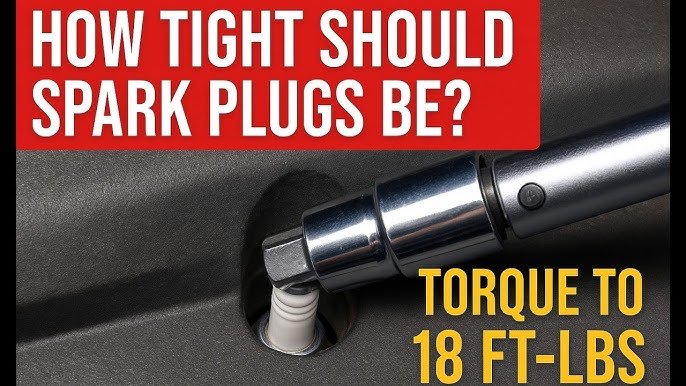
Have you ever wondered how tight your spark plugs should be? Getting the torque just right is crucial for your engine’s performance and longevity.
If you screw them in too loosely, your engine might misfire. Tighten them too much, and you risk damaging the threads or the plug itself. You’ll discover exactly what the correct torque for spark plugs is, why it matters, and how to achieve it easily.
Keep reading to make sure you’re giving your engine the care it deserves.

Credit: www.reddit.com
Spark Plug Torque Basics
Spark plug torque is a key factor in engine performance and durability. Proper torque ensures the spark plug fits securely without damage. It affects engine efficiency and prevents problems like misfires or leaks. Understanding spark plug torque basics helps keep your engine running smoothly.
Why Torque Matters
Torque controls how tightly the spark plug fits in the engine. Too little torque can cause the plug to loosen. This leads to poor engine performance and possible damage. Too much torque can damage the spark plug or the engine threads. Correct torque keeps the spark plug sealed and stable. This prevents gas leaks and maintains engine power.
Torque Units Explained
Torque is measured in units that show turning force. The most common units are:
- Newton-meters (Nm)
- Foot-pounds (ft-lb)
Newton-meters are used in most countries worldwide. Foot-pounds are common in the United States. Always check your vehicle manual for the correct torque value and unit. Using the right unit avoids mistakes and engine damage.
Recommended Torque Values
Recommended torque values for spark plugs ensure proper installation. Correct torque prevents damage to the spark plug and engine. Too tight can crack the plug or strip the threads. Too loose may cause poor engine performance or misfires.
Follow the manufacturer’s torque specifications closely. These values vary by engine type and spark plug design. Use a torque wrench for precise tightening.
Factory Specifications
Manufacturers provide specific torque values for spark plugs. These specs come from testing for optimal performance and safety. Usually, the recommended torque is listed in the vehicle’s service manual. It is often measured in foot-pounds (ft-lbs) or Newton-meters (Nm).
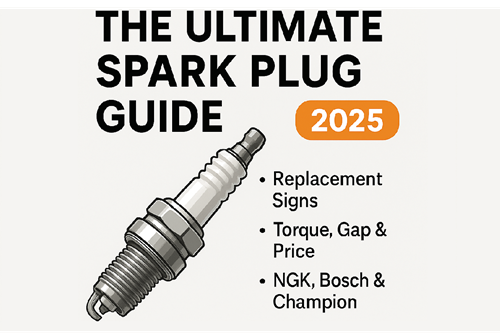
Typical torque values range between 10 to 25 ft-lbs (13.5 to 34 Nm). For example:
- Standard spark plugs: 15 ft-lbs (20 Nm)
- Iridium or platinum plugs: 12-18 ft-lbs (16-24 Nm)
Always check the manual for the exact number for your engine.
Variations By Engine Type
Engine design affects the torque needed for spark plugs. Smaller engines usually require less torque. Larger or high-performance engines may need higher torque values. Diesel engines, if fitted with spark plugs for glow plugs, have different specs too.
For example:
| Engine Type | Typical Torque Range |
|---|---|
| Small Gasoline Engines | 10-15 ft-lbs (13.5-20 Nm) |
| Mid-size Gasoline Engines | 15-20 ft-lbs (20-27 Nm) |
| High-Performance Engines | 18-25 ft-lbs (24-34 Nm) |
Always use the torque value specific to your engine type for safety and performance.
Tools For Measuring Torque
Getting the torque right on your spark plugs is crucial for engine performance and longevity. But how do you ensure you’re applying the exact amount of force needed? The answer lies in using the right tools designed to measure torque accurately and reliably.
Torque Wrenches
Torque wrenches are the go-to tool for many mechanics when tightening spark plugs. They allow you to set a specific torque value, so you don’t risk under-tightening or over-tightening. Using a torque wrench gives you confidence that every spark plug is screwed in just right.
There are different types of torque wrenches, including click, beam, and digital models. Click wrenches are popular because they make a noticeable sound or feel a “click” when the set torque is reached. This feedback prevents you from applying too much force.
Have you ever tightened a spark plug by hand and then wondered if it was tight enough? A torque wrench eliminates that guesswork, making your job easier and your engine safer.
Torque Sticks And Adapters
Torque sticks, sometimes called torque limiting extensions, are a simpler alternative. They fit between your impact wrench and the spark plug socket and flex when a preset torque level is reached. This prevents over-tightening without needing a digital or click wrench.
Adapters work similarly and can be used to modify existing tools for more precise torque control. They’re especially handy if you already have an impact wrench but want to avoid damaging your spark plugs.
One thing to note: torque sticks are less precise than torque wrenches but can save time in routine tasks. Would you prefer a quick tool that protects your plugs or a precise tool that ensures exact torque every time?
Credit: modernautoparts.co.za
Steps For Proper Spark Plug Installation
Proper spark plug installation is crucial for engine performance and longevity. If you don’t install spark plugs correctly, you risk damaging the threads or causing poor combustion. Let’s break down the essential steps to ensure your spark plugs fit perfectly and work efficiently.
Cleaning Threads
Before installing the spark plug, clean the threads in the cylinder head carefully. Dirt, oil, or old thread sealant can interfere with the spark plug seating properly. Use a thread chaser or a soft brush to remove any debris without damaging the threads.
Have you ever tightened a spark plug only to find it cross-threaded? Taking a moment to clean the threads can save you from this costly mistake.
Hand Tightening
Start threading the spark plug by hand. This step helps you feel if the plug is going in smoothly and prevents cross-threading. Never use tools at this stage because forcing the plug could strip the threads.
Think of hand tightening as a gentle guide—if it doesn’t turn easily, stop and realign before proceeding.
Using Torque Tools
Once the spark plug is hand-tight, use a torque wrench to tighten it to the manufacturer’s specified torque. Over-tightening can crack the plug or damage the cylinder head, while under-tightening may cause poor sealing and misfires.
Using a torque wrench ensures you apply the exact amount of force needed. If you don’t have one, consider investing in a basic torque tool; it’s worth it for avoiding engine damage and maintaining spark plug performance.
Common Mistakes And Risks
Getting the torque right for your spark plugs is crucial, yet many make avoidable mistakes. These errors can lead to engine problems that are hard to diagnose. Understanding the risks behind common torque mistakes helps you protect your engine and save money on repairs.
Over-tightening Effects
Applying too much torque can strip the threads in the cylinder head, causing expensive damage. You might feel like you’re securing the spark plug firmly, but overtightening actually stresses the metal and can crack the ceramic insulator.
Have you ever tried to remove a spark plug only to find it stuck or broken? That’s often the result of overtightening. It can also make future removal difficult and increase the risk of cross-threading.
- Damaged threads requiring costly repairs or replacement
- Cracked spark plug insulators leading to misfires
- Increased chance of breaking the plug during removal
Under-tightening Consequences
Not tightening the spark plug enough is just as risky. Loose spark plugs can cause poor engine performance, misfires, and even engine damage due to combustion gases leaking past the plug.
Imagine driving with a spark plug that’s barely snug. You may notice rough idling or a drop in fuel efficiency. Over time, this can lead to damage in the cylinder head or spark plug hole.
- Loss of engine power and efficiency
- Potential for combustion gas leaks causing engine damage
- Vibrations loosening the plug further, risking complete detachment
Are you confident that your spark plugs are tightened to the correct torque? Using a torque wrench and following manufacturer specifications is the best way to avoid these risks and keep your engine running smoothly.
Tips For Maintaining Spark Plug Fit
Maintaining the correct fit for your spark plugs is crucial for engine performance and longevity. If the spark plug isn’t seated properly, it can cause issues like misfires, poor fuel efficiency, or even engine damage. Paying attention to simple maintenance tips can save you from costly repairs and keep your vehicle running smoothly.
Regular Inspections
Check your spark plugs regularly to spot signs of wear or damage early. Look for cracks, corrosion, or buildup on the electrodes and insulator. A quick inspection every 10,000 miles can help you catch problems before they escalate.
During inspections, verify that the spark plug is tightened to the right torque specification. Too loose, and it might cause poor combustion; too tight, and you risk damaging the threads. Do you know the torque setting recommended for your vehicle’s spark plugs?
Replacing Worn Plugs
Replacing spark plugs at the right time keeps your engine firing efficiently. Worn plugs can cause rough idling, hard starts, and increased emissions. Follow the replacement intervals suggested by your vehicle’s manufacturer.
When installing new plugs, use a torque wrench to ensure they fit perfectly. This helps avoid over-tightening, which can strip threads, or under-tightening, which can lead to poor contact. Have you ever experienced engine trouble due to improperly installed spark plugs?

Credit: www.clubrsx.com
Frequently Asked Questions
What Is The Recommended Torque For Spark Plugs?
The recommended torque for spark plugs typically ranges between 15 to 30 ft-lbs. Always check the vehicle’s manual for exact specifications to avoid damage or poor engine performance.
Why Is Correct Spark Plug Torque Important?
Correct torque ensures a secure spark plug seal. It prevents engine misfires, improves fuel efficiency, and avoids thread damage or stripping in the cylinder head.
How To Torque Spark Plugs Without A Torque Wrench?
If no torque wrench is available, tighten spark plugs by hand until snug, then turn an additional 1/4 to 1/2 turn. However, using a torque wrench is best for accuracy.
What Happens If Spark Plugs Are Over-torqued?
Over-torquing spark plugs can cause thread damage, cracked plugs, or distorted cylinder heads. It may lead to costly repairs and reduced engine performance.
Conclusion
Understanding spark plug torque is vital for engine health. Proper torque ensures optimal performance and longevity. Too tight, and you risk damage. Too loose, and efficiency drops. Regular checks keep your engine running smoothly. Always follow your vehicle’s manual for specifications.
This prevents costly repairs. Invest in a quality torque wrench for accuracy. It’s a small step with big benefits. Keep your vehicle in top shape and enjoy a smoother drive. Happy motoring!





