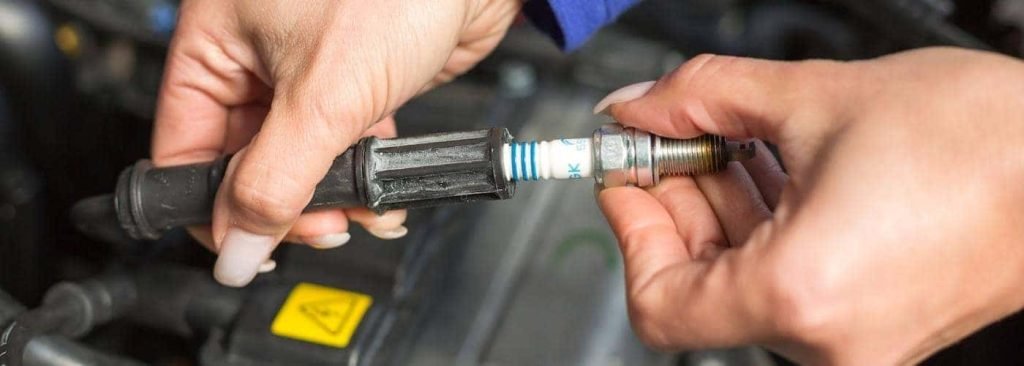
Have you ever wondered how often you should change the spark plugs in your car? These small parts play a huge role in keeping your engine running smoothly.
If you ignore them, you might face poor fuel efficiency, rough starts, or even costly repairs. But don’t worry—knowing the right time to replace your spark plugs can save you money and keep your car performing at its best. Keep reading to find out exactly when and why you should change your spark plugs, so your car stays reliable and efficient.
Role Of Spark Plugs
Spark plugs play a vital role in the operation of a car’s engine. They create the spark needed to ignite the fuel-air mixture inside the engine cylinders. Without properly working spark plugs, the engine cannot run efficiently or smoothly.
These small parts may seem simple but their impact on your car’s performance is significant. Understanding their role helps explain why regular maintenance is essential.
Function In Engine
Spark plugs produce an electric spark to ignite the fuel-air mixture. This ignition causes combustion, which powers the engine. Each cylinder has its own spark plug. The timing and strength of the spark must be precise for smooth engine operation.
They also help remove heat from the combustion chamber. This prevents engine damage and keeps the system running at the right temperature.
Impact On Performance
Faulty spark plugs cause misfires and rough idling. This reduces engine power and fuel efficiency. The car may struggle to start or stall unexpectedly.
Good spark plugs improve acceleration and smooth running. They also lower harmful emissions and help save fuel. Regular replacement keeps the engine healthy and responsive.
Signs Of Worn Spark Plugs
Worn spark plugs can cause several problems that affect your car’s performance. Recognizing these signs early helps avoid bigger issues. Spark plugs play a key role in engine ignition. When they wear out, the engine may not run smoothly or efficiently.
Engine Misfires
Engine misfires feel like sudden jerks or pauses while driving. The engine may run rough or shake. This happens because worn spark plugs fail to ignite the fuel properly. Misfires can lead to damage in other engine parts if not fixed.
Poor Fuel Economy
Old spark plugs reduce fuel efficiency. The engine burns more fuel to produce the same power. You may notice more visits to the gas station. Spark plugs in bad condition cause incomplete combustion, wasting fuel.
Starting Issues
The car may struggle to start or take longer to turn on. Worn spark plugs make ignition harder. You might hear repeated clicking sounds when trying to start. This can leave you stranded if ignored for too long.
Recommended Replacement Intervals
Knowing the recommended replacement intervals for spark plugs can save you from unexpected engine troubles and keep your car running smoothly. These intervals vary depending on the vehicle and spark plug type, so paying attention to them is crucial. Understanding these guidelines helps you plan maintenance without wasting money or risking performance.
Manufacturer Guidelines
Your car’s manufacturer provides specific recommendations on when to change spark plugs. These are usually found in the owner’s manual or maintenance schedule. Most manufacturers suggest replacing spark plugs between 30,000 and 100,000 miles, depending on the spark plug type used.
For example, copper spark plugs often require replacement closer to 30,000 miles, while platinum and iridium plugs can last up to 100,000 miles. Ignoring these guidelines can lead to poor fuel economy, rough idling, or even engine misfires. Have you checked your owner’s manual lately to see what’s suggested for your vehicle?
Factors Affecting Lifespan
Several factors can change how long your spark plugs last, even if you follow the manufacturer’s advice. Driving habits play a big role—frequent short trips or stop-and-go traffic can wear them out faster. On the other hand, long highway drives tend to be gentler on spark plugs.
Environmental conditions also matter. Dusty, humid, or salty climates can cause corrosion or deposits on the plugs, shortening their lifespan. Additionally, engine issues like oil leaks or improper fuel mixture can foul spark plugs quickly.
- Hard acceleration and heavy loads increase wear.
- Using the wrong spark plug type reduces efficiency and durability.
- Poor engine maintenance often leads to premature spark plug failure.
Knowing these factors, do you think your driving style or environment calls for earlier spark plug checks? Staying aware can prevent costly repairs down the road.
Types Of Spark Plugs
Choosing the right type of spark plug can affect how often you need to change it and how well your car runs. Spark plugs come in different materials, each with unique benefits and lifespans. Knowing these differences helps you maintain your car smarter and avoid unnecessary replacements.
Copper
Copper spark plugs are the most basic and affordable option. They have a solid copper core that offers excellent conductivity, which means your engine fires up quickly.
However, copper plugs wear out faster—usually around 20,000 to 30,000 miles. If you drive a lot or have a high-performance engine, you might find yourself changing these more often than you’d like.
Platinum
Platinum spark plugs last longer than copper ones because platinum is harder and resists wear. You can expect them to perform well for about 60,000 miles or more.
They provide a more stable spark over time, which helps your engine run efficiently and reduces the chance of misfires. If you want better longevity without spending too much, platinum is a solid middle ground.
Iridium
Iridium spark plugs are the premium choice and often come recommended for newer or high-performance vehicles. Iridium is extremely durable, which means these plugs can last over 100,000 miles.
They deliver a more precise spark and improve fuel efficiency, making them worth the higher price if you want fewer replacements and better engine performance.
How To Check Spark Plugs
Checking your car’s spark plugs is a simple yet crucial task to keep your engine running smoothly. It helps you spot problems early, avoid costly repairs, and know exactly when to replace them. Here’s how you can examine your spark plugs effectively.
Visual Inspection
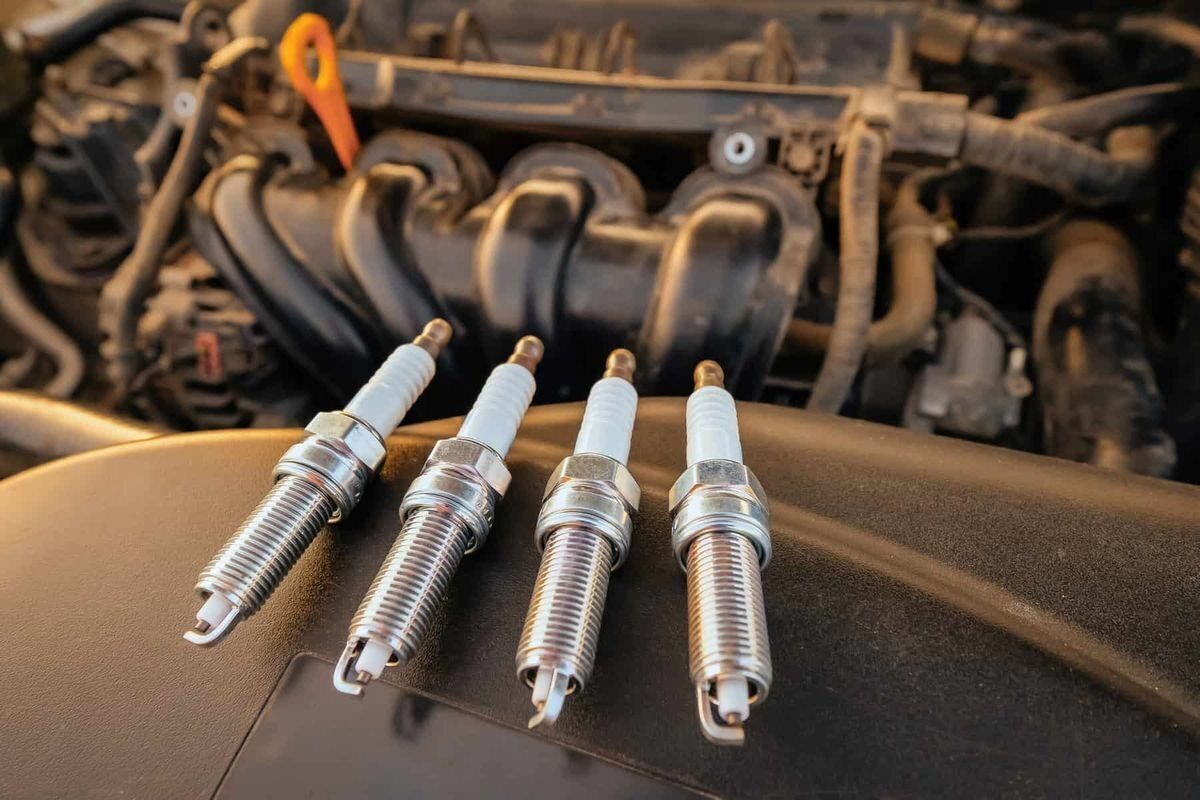
Start by removing the spark plugs carefully with a spark plug socket. Look closely at the tip and insulator for signs of wear or damage.
- Black soot:Indicates a rich fuel mixture or weak ignition.
- Oil deposits:Could mean oil is leaking into the combustion chamber.
- Worn electrodes:Show that the spark plug is old and needs replacement.
If you notice cracks, heavy deposits, or broken electrodes, it’s a clear sign to change the spark plugs. Have you ever ignored these signs only to regret it later?
Measuring Gap
The gap between the center and ground electrode is critical for proper ignition. Too wide or too narrow a gap can cause misfires or poor fuel efficiency.
Use a spark plug gap tool to measure this gap. Compare the measurement with your vehicle’s recommended specification, usually found in the owner’s manual.
If the gap is off, you can gently adjust it with the tool, but if the plug shows other signs of wear, replacement is better. Have you checked your spark plug gaps recently?
Professional Diagnosis
Sometimes, problems with spark plugs aren’t visible or measurable at home. A professional mechanic can perform a thorough diagnostic using specialized equipment.
They can test the spark plug’s performance under real driving conditions and check the ignition system as a whole. If you’re unsure about your findings, consulting a pro can save you time and money.
Do you trust your own inspection skills, or do you prefer a mechanic’s expert opinion?
Credit: www.westsideauto.com.au
Replacing Spark Plugs
Replacing spark plugs is a key task for maintaining your car’s engine health. Fresh spark plugs help the engine run smoothly and improve fuel efficiency. Old or worn spark plugs can cause rough starts, poor acceleration, and increased fuel use. Changing spark plugs regularly keeps your car reliable and saves money on repairs.
Tools Needed
- Spark plug socket
- Socket wrench with extension
- Torque wrench
- Gap gauge or feeler tool
- Dielectric grease
- Ratchet or breaker bar
- Compressed air or brush
- Gloves and safety glasses
Step-by-step Process
Start by opening the car hood and locating the spark plugs. Use compressed air to clean around each spark plug to avoid dirt falling inside the engine.
Remove the spark plug wire or coil carefully. Use the spark plug socket and wrench to unscrew the old spark plug. Check the gap on the new spark plug with a gap gauge and adjust if needed.
Apply a small amount of dielectric grease to the inside of the spark plug boot. Screw the new spark plug in by hand to avoid cross-threading. Tighten it with a torque wrench to the car manufacturer’s specification.
Reconnect the spark plug wire or coil securely. Repeat for all spark plugs. Close the hood and start the engine to check for smooth operation.
Safety Tips
- Work on a cool engine to avoid burns.
- Wear gloves and safety glasses.
- Disconnect the battery to prevent shocks.
- Handle spark plugs gently to avoid damage.
- Keep tools and parts organized to prevent loss.
- Follow the vehicle’s manual for specific instructions.
Benefits Of Timely Replacement
Timely replacement of spark plugs brings many benefits to your car’s performance and health. It keeps your engine running smoothly and saves money on repairs. Fresh spark plugs ensure your vehicle works at its best every day.
Improved Efficiency
New spark plugs ignite fuel better. This creates a stronger, cleaner burn. Your engine uses fuel more wisely, which means better gas mileage. Less wasted fuel lowers your running costs. You also get smoother starts and fewer misfires on the road.
Extended Engine Life
Old spark plugs strain the engine. This causes extra wear and tear on parts. Replacing them on time reduces stress on the engine. It helps prevent costly damage and breakdowns. Your engine stays healthy and lasts longer with proper care.
Reduced Emissions
Worn spark plugs cause incomplete fuel burn. This leads to more harmful gases leaving the exhaust. New spark plugs help your car burn fuel fully. This lowers the amount of pollution your vehicle produces. Cleaner emissions help protect the environment and meet regulations.

Credit: carfromjapan.com

Credit: www.acg.aaa.com
Frequently Asked Questions
How Often Should Spark Plugs Be Changed?
Spark plugs should be changed every 30,000 to 100,000 miles. The interval depends on your car model and spark plug type. Always check your vehicle’s manual for specific recommendations. Regular changes ensure optimal engine performance and fuel efficiency.
What Are Signs Of Worn Spark Plugs?
Worn spark plugs cause engine misfires, rough idling, and poor acceleration. You might also notice increased fuel consumption. If your car struggles to start or the engine hesitates, it’s time to inspect the spark plugs. Early replacement prevents engine damage.
Can Old Spark Plugs Damage My Engine?
Yes, old spark plugs can cause engine damage. They reduce combustion efficiency, leading to misfires and overheating. Prolonged use can harm the catalytic converter and other engine parts. Regular spark plug replacement protects your engine and improves overall performance.
Do Spark Plug Types Affect Replacement Frequency?
Yes, different spark plug types affect replacement intervals. Copper plugs last about 20,000 to 30,000 miles, while platinum and iridium plugs can last 60,000 to 100,000 miles. Choosing the right type ensures longer service life and better engine efficiency.
Conclusion
Regularly changing spark plugs keeps your car running smoothly. Most cars need new spark plugs every 30,000 miles. Check your car’s manual for exact intervals. Ignoring spark plug maintenance can lead to engine issues. Poor fuel economy and misfires might occur.
Always inspect your spark plugs for wear and tear. Replace them if they look damaged. Clean and functional spark plugs mean better performance. Don’t wait for problems to arise. Keep a schedule for checking and replacing them. Proper care extends the life of your engine.
Remember, small actions make a big difference. Your car will thank you.





