Are you having trouble with your vehicle’s performance lately? It might be time to check your spark plug coil.
This tiny but crucial component plays a vital role in ensuring your engine runs smoothly. But how do you test a spark plug coil effectively? If you’re unsure, you’re not alone. Many car owners overlook this essential part of vehicle maintenance, leading to unnecessary stress and potential costly repairs.
This guide is here to save you from all that hassle. We’ll walk you through simple, practical steps to test your spark plug coil, empowering you to take control of your vehicle’s health. Stick around, and by the end of this article, you’ll have the confidence to tackle this task like a pro. So, are you ready to dive in and keep your engine purring like a kitten? Let’s get started!
Tools Needed For Testing
Testing a spark plug coil requires specific tools to get accurate results and ensure your engine runs smoothly. Having the right equipment not only makes the process easier but also safer. Let’s break down the essential items you’ll need before you start.
Essential Equipment
- Multimeter:This is your primary tool for checking resistance and voltage. A digital multimeter with clear readings helps you identify if the coil is functioning correctly.
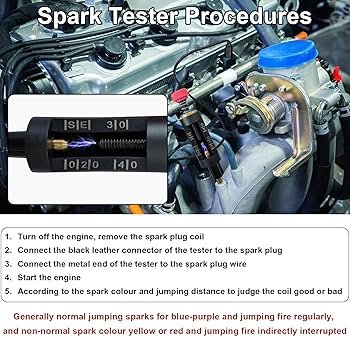
- Spark Tester:It lets you see if the coil is producing a spark. This simple device can save you time by confirming coil issues quickly.
- Socket Set:You’ll need this to remove the spark plug and access the coil. Make sure you have the right sizes to avoid stripping bolts.
- Wrench or Pliers:Handy for loosening tight connections or clips attached to the coil.
- Battery or Power Source:Some tests require a power supply to check coil response under load.
Without these tools, testing becomes guesswork. Have you ever tried to fix something without the right tools? It’s frustrating and often leads to mistakes.
Safety Gear
Safety should never be an afterthought when working with electrical components like spark plug coils. Wearing the right gear protects you from shocks and burns.
- Insulated Gloves:These prevent accidental electrical shocks while handling the coil or battery connections.
- Safety Glasses:Protect your eyes from sparks or debris that may fly off during testing.
- Work Clothes:Wear non-conductive, snug-fitting clothes to avoid loose fabric getting caught or causing static issues.
Have you considered how a simple spark can cause injury? Taking these precautions helps you stay safe and focused on the task.

Credit: www.youtube.com
Preparing The Vehicle
Preparing the vehicle is a key step before testing a spark plug coil. It ensures safety and easy access to the components. Taking time at this stage prevents damage and errors later.
Start by making sure the engine is cool. Hot parts can cause burns. Work in a well-lit and ventilated area to see clearly and avoid inhaling fumes.
Locate The Spark Plug Coil
Open the vehicle’s hood and find the engine. The spark plug coils sit on top of each spark plug. They look like small black cylinders or boxes with wires attached.
Check the vehicle manual if unsure about their exact location. Each cylinder usually has its own coil. Identifying them correctly makes the testing process smoother.
Disconnect The Battery
Always disconnect the battery before working on the ignition system. This stops electrical shocks and short circuits. Use a wrench to remove the negative terminal first.
Keep the battery terminal away from the battery post to avoid accidental contact. This simple step protects you and the vehicle’s electrical system.
Visual Inspection
Visual inspection is the first step to test a spark plug coil. It helps find obvious problems without special tools. Careful observation can reveal cracks, burns, or corrosion that affect coil performance.
Inspecting the coil closely also prevents further damage. It lets you spot small issues before they become big failures. This saves time and money in repairs.
Check For Damage
Look at the coil’s outer shell. Cracks or burns show it may be faulty. Check for melted plastic or discoloration. These signs mean the coil overheated or shorted.
Small breaks in the coil housing let moisture inside. This causes coil failure over time. Also, inspect the rubber boot for tears or stiffness. A damaged boot can cause weak sparks.
Inspect Connections
Check all coil wiring and connectors for tightness. Loose connections cause poor spark and engine misfires. Look for corrosion or rust on terminals. Clean contacts improve electrical flow.
Make sure wires are not frayed or broken. Damaged wiring stops electricity from reaching the coil. Secure all cables firmly to avoid vibration damage during driving.

Credit: www.youtube.com
Testing With A Multimeter
Testing a spark plug coil with a multimeter is one of the most straightforward ways to check if it’s working properly. This tool helps you measure electrical resistance, which tells you if the coil’s internal wiring is intact or damaged. If you’ve ever wondered why your engine misfires, this simple test could be the answer.
Set Multimeter Correctly
First, turn your multimeter on and set it to the ohms (Ω) setting. You want to measure resistance, so select the lowest range available, usually 200Ω. This ensures you get the most accurate reading for the coil’s resistance.
Make sure the multimeter probes are clean and in good condition. Touching the probes together should show a reading close to zero, confirming the meter is working correctly. If you skip this, your results might be misleading.
Measure Primary Resistance
The primary resistance test checks the coil’s internal circuit connected to the battery side. Locate the coil terminals—usually marked as positive (+) and negative (–) or primary terminals.
Place the multimeter probes on these terminals. The resistance reading should match the manufacturer’s specs, often between 0.4 and 2 ohms. If the number is too high or shows infinite resistance, the coil may be faulty.
Measure Secondary Resistance
Secondary resistance involves the coil’s output side, which sends the spark to the plug. Find the terminal that connects to the spark plug wire and the negative terminal.
Touch one probe to the spark plug terminal and the other to the coil’s negative terminal. The reading here is usually higher, often between 6,000 and 15,000 ohms. A reading outside this range indicates issues like a short or break inside the coil winding.
Have you checked these resistance values against your vehicle’s manual? Knowing the exact specs can save you time and guesswork when diagnosing ignition problems.
Performing A Spark Test
Performing a spark test is a key step in checking a spark plug coil’s health. It helps identify if the coil produces a strong spark needed for engine ignition. This test is simple and requires only a few tools. It gives clear insight into coil performance and ignition system issues.
Setup For Spark Test
First, gather the right tools. You need a spark tester, insulated gloves, and a spark plug wire. Work in a dry, well-lit area. Turn off the engine and remove the spark plug wire from the spark plug. Attach the spark tester to the spark plug wire. Ground the tester to the engine or chassis to complete the circuit.
Observe Spark Quality
Start the engine or crank it slowly. Watch the spark tester closely. A strong, blue spark means the coil works well. A weak or yellow spark signals problems. No spark shows a faulty coil or wiring issue. Check the spark’s brightness and consistency carefully. Repeat the test for each coil if testing multiple coils.
Interpreting Test Results
Interpreting the test results of a spark plug coil is crucial to determine if it’s functioning properly or needs replacement. After measuring resistance, understanding what the numbers mean can save you time and money. Let’s break down what normal readings look like and how to spot signs of a faulty coil.
Normal Resistance Ranges
Every spark plug coil has specific resistance values that indicate it’s working well. These values vary depending on the make and model, but generally, the primary coil resistance ranges between 0.4 to 2 ohms, while the secondary coil resistance falls between 6,000 to 15,000 ohms.
If your multimeter reading falls within these ranges, your coil is likely in good shape. For example, I once tested a coil showing 1.2 ohms on the primary side and 10,000 ohms on the secondary; it ran smoothly afterward without any engine issues.
Always consult your vehicle’s manual for exact specifications. Using incorrect ranges can mislead you into replacing a perfectly good coil.
Signs Of A Faulty Coil
Resistance readings that are too high or too low often point to a bad coil. A reading of zero or near zero might indicate a short circuit, while an infinite or very high resistance suggests an open circuit inside the coil.
- Engine misfires or rough idling
- Difficulty starting your vehicle
- Visible cracks or corrosion on the coil
- Check engine light triggering spark plug-related error codes
During one test, a coil showed zero resistance on the primary side, and the engine struggled to start afterward. Replacing the coil fixed the problem immediately. Have you noticed any of these symptoms while driving? If so, your coil might be the culprit.
Next Steps After Testing
After testing your spark plug coil, you have a clearer picture of its condition. What you do next can save you from costly repairs or roadside troubles. Let’s look at the practical steps to take once you know whether the coil is performing well or not.
When To Replace The Coil
If your test shows weak or no spark, it’s a strong sign the coil needs replacing. Don’t ignore intermittent misfires or rough idling—they often point to a failing coil.
Even if the coil seems fine but your vehicle struggles under load or has trouble starting in cold weather, consider replacing it. A new coil can restore smooth engine performance and improve fuel efficiency.
Remember, coils wear out over time—don’t wait for a total failure. Replacing a coil proactively can prevent damage to other ignition components and save you time and money.
Consulting A Professional
If you’re unsure about your test results or how to proceed, reaching out to a mechanic is a smart move. Professionals can offer a detailed diagnosis beyond coil testing, like checking wiring or the ignition control module.
Sometimes, the problem isn’t the coil but related parts that need expert attention. A mechanic can also help you choose the right replacement coil suited for your vehicle model.
Have you ever tried fixing ignition issues yourself only to find the problem was more complex? Getting professional advice early can avoid frustration and get your car running smoothly faster.

Credit: www.amazon.com
Frequently Asked Questions
How Can I Test A Spark Plug Coil At Home?
You can test a spark plug coil using a multimeter. Measure the primary and secondary resistance. Compare readings to the manufacturer’s specs to check coil health.
What Tools Are Needed To Test A Spark Plug Coil?
A digital multimeter and basic hand tools are essential. The multimeter measures electrical resistance to diagnose coil condition accurately.
What Resistance Values Indicate A Bad Spark Plug Coil?
Typically, primary resistance ranges from 0. 4 to 2 ohms. Secondary resistance varies between 6,000 to 15,000 ohms. Values outside these indicate coil problems.
How Do I Know If My Spark Plug Coil Is Failing?
Symptoms include engine misfires, rough idling, poor acceleration, and reduced fuel efficiency. Testing the coil confirms if it causes these issues.
Conclusion
Testing a spark plug coil helps keep your engine running well. A simple test can show if the coil works or needs replacing. Using a multimeter or spark tester makes the job easier. Always follow safety steps to avoid injury.
Regular checks can prevent engine problems before they start. Taking time to test saves money and stress later. Keep your car in good shape by checking spark plug coils often. Simple tools and steps make testing quick and effective.





