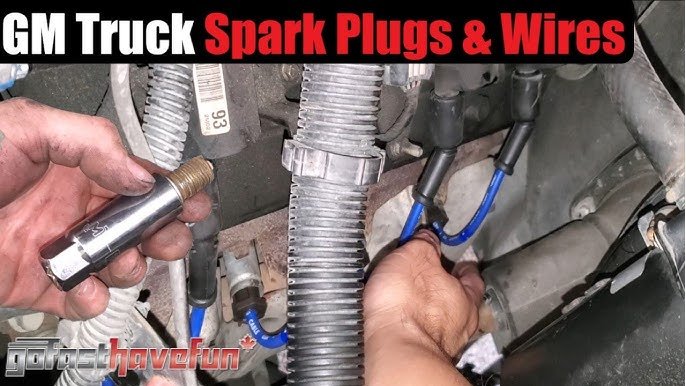
Are you ready to tackle a simple yet crucial task for your vehicle’s health? Removing a spark plug wire might seem daunting at first, but it’s actually a straightforward process that anyone can master.
Imagine the satisfaction of handling this task on your own, saving money on mechanic fees, and gaining confidence in your car maintenance skills. In this guide, you’ll discover a step-by-step approach to safely and efficiently remove a spark plug wire.
By the end, you’ll not only understand the process but also feel empowered to keep your vehicle running smoothly. Let’s dive in and get your hands a little greasy, shall we?

Credit: www.youtube.com
Tools Needed
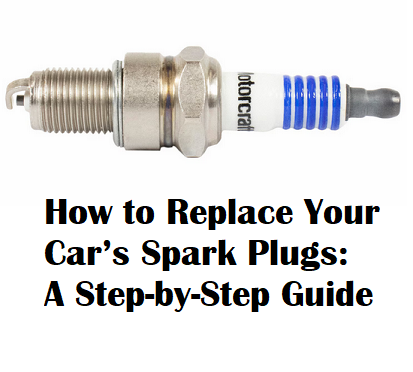
Removing a spark plug wire needs the right tools to avoid damage. Using proper tools makes the job easier and safer. Below are the essential tools required for this task.
Spark Plug Wire Puller
A spark plug wire puller helps grip the wire firmly. It prevents pulling on the wire itself, which can cause damage. This tool provides a better hold on the boot.
Gloves
Wear gloves to protect your hands from dirt and heat. Gloves also improve your grip on the wire. Choose gloves that are flexible and fit well.
Rag Or Cloth
Use a rag to clean the area around the spark plug wire. Keeping the area clean prevents dirt from entering the engine. A cloth helps wipe off grease or grime.
Dielectric Grease
Dielectric grease is useful after removing the wire. It protects the wire boot from moisture and corrosion. Applying a small amount helps maintain a good connection.
Credit: beachautomotive.com
Prepare The Engine
Preparing the engine is an important first step before removing a spark plug wire. Taking time to get the engine ready helps avoid damage and keeps you safe. It ensures easier access to the spark plug wires and makes the task smoother.
Proper preparation also prevents burns or electrical shocks. Understanding the engine layout helps you identify the wires correctly. This step sets the foundation for a quick and safe spark plug wire removal.
Cool Down The Engine
The engine must be cool before touching any parts. Hot engines can cause serious burns. Wait at least 30 minutes after turning off the vehicle. Check the engine temperature with your hand from a safe distance. Avoid rushing this step to protect your skin.
Locate The Spark Plug Wires
Find the spark plug wires by following these tips:
- Open the hood and look for thick wires attached to the engine.
- Trace each wire to the spark plugs on the cylinder head.
- Note the order of the wires to avoid confusion later.
Identifying the wires clearly prevents mixing them up during removal. It makes reconnecting easier and avoids engine misfires.
Identify The Spark Plug Wire
Before you can safely remove a spark plug wire, you need to clearly identify which wire you’re dealing with. Spark plug wires can look very similar, especially if your engine has multiple cylinders. Taking time to identify the correct wire prevents confusion and potential damage to your engine components.
Locate The Spark Plug Wire On The Engine
Start by visually tracing the wire from the spark plug itself. Spark plug wires usually connect directly to the top of each spark plug and run back toward the distributor or ignition coil. Look for a thick, insulated wire that fits snugly over the spark plug terminal.
Check For Wire Markings Or Labels
Many manufacturers label spark plug wires with numbers or letters. These markings indicate the cylinder number or position. If your wires have these labels, they make identification much easier, especially if you plan to replace or reorder them.
Understand Your Engine’s Layout
Knowing your engine’s cylinder layout helps you pinpoint the correct spark plug wire. Engines can be inline, V-shaped, or flat, and each design arranges cylinders differently. Consult your vehicle’s manual or a reliable diagram to match the wire to the right cylinder.
Observe Wire Routing Patterns
Spark plug wires are usually routed neatly to avoid crossing or tangling. Notice the path the wire takes along the engine block and other components. This visual pattern helps distinguish one wire from another, making your task less confusing.
Use A Flashlight For Better Visibility
Engine compartments can be dark and crowded. A flashlight helps you see wire details clearly. Shine light directly on the wire connection points to confirm you’ve found the correct spark plug wire before you attempt removal.

Credit: www.youtube.com
Grip The Wire Correctly
Gripping the spark plug wire correctly is crucial to avoid damage and ensure a smooth removal. The right grip gives you control and prevents unnecessary strain on the wire or the spark plug itself. Let’s focus on how to handle the wire properly to protect both your tools and your vehicle.
Avoid Pulling The Wire
Pulling the wire directly can cause internal damage or break the connection. Instead, avoid yanking or twisting the wire by hand. Think about how fragile those connections are inside—would you want to yank a delicate wire? Probably not.
Use a steady, controlled pull on the boot, not the wire itself. If you feel resistance, stop and check if there’s a clip or locking mechanism holding it in place. This small habit saves you from costly repairs down the road.
Hold The Boot Firmly
Grip the boot, the thick rubber part at the end of the wire, firmly with your fingers. This part is designed for you to hold and pull safely. Your fingers should wrap around the boot, giving you a solid hold without squeezing too hard.
Applying pressure here means you’re pulling on the right part, protecting the wire’s core and avoiding stretch or breakage. Have you ever tried to pull a wire by the middle? It’s a quick way to damage it. Holding the boot firmly ensures you do it right every time.
Remove The Wire
Removing a spark plug wire requires care to avoid damaging the wire or the spark plug itself. It’s a task that demands patience and the right technique, especially if the wires have been in place for a long time. Taking your time to do this correctly can save you from costly repairs later.
Use Twisting Motion
Grip the spark plug wire boot firmly, not the wire itself. A gentle twisting motion helps loosen the connection without pulling on the wire. This reduces the risk of tearing the insulation or damaging the internal conductor.
Imagine trying to remove a stubborn lid from a jar—you don’t yank it straight up; you twist it to break the seal. The same principle applies here. Twisting also helps break any corrosion or dirt build-up that might be holding the wire in place.
Pull Straight Out
Once the wire is loosened, pull it straight out from the spark plug. Avoid pulling at an angle, as this can bend or break the spark plug’s terminal. A clean, straight pull ensures the wire comes off smoothly.
Have you ever pulled something off at an angle and ended up with a mess? This technique prevents that. Holding the boot and pulling in line with the spark plug’s axis keeps everything intact and ready for the next step.
Inspect The Wire And Plug
Before you pull off a spark plug wire, it’s crucial to inspect both the wire and the spark plug carefully. This step can save you from unexpected engine troubles later on. Taking a close look helps you spot early signs of wear or damage that might affect your car’s performance.
Check For Damage
Look over the spark plug wire for cracks, splits, or any worn spots. A damaged wire can cause misfires and reduce engine efficiency. Don’t forget to examine the rubber boot at the end of the wire—it should be flexible and intact, not brittle or torn.
Now, check the spark plug itself. Is the ceramic insulator cracked or chipped? Are the metal parts corroded or covered in excessive soot? Even a small crack or heavy buildup can cause poor ignition, so spotting these issues early helps you decide if replacement is necessary.
Clean The Area If Needed
If dirt, grease, or debris surrounds the spark plug and wire, clean it off before you remove the wire. Use a clean rag or a small brush to gently wipe the area. This prevents contaminants from falling into the engine when you disconnect the wire.
Have you ever found a spark plug wire covered in oily grime? I once ignored this step and ended up with a misfire that took hours to diagnose. A clean workspace not only protects your engine but also makes the job smoother and faster.
Tips For Safe Handling
Handling spark plug wires carefully is crucial for your safety and the vehicle’s performance. These wires carry high voltage and can cause shocks if touched improperly. Following simple safety tips helps avoid injury and damage.
Wear Protective Gloves
Use insulated gloves to protect your hands from electrical shocks. Gloves also keep your hands clean from grease and dirt. Choose gloves that fit well to maintain good grip and control. Avoid using wet or damaged gloves to prevent accidents.
Work In A Well-lit Area
Good lighting lets you see the wires and connections clearly. It reduces the chance of pulling the wrong wire or damaging parts. Use a bright flashlight or work near a window during the day. Clear visibility helps you work faster and safer.
Frequently Asked Questions
How Do I Safely Remove A Spark Plug Wire?
Grip the boot firmly, not the wire. Twist gently to break the seal. Pull straight off the spark plug to avoid damage.
When Should I Replace Spark Plug Wires?
Replace wires if cracked, corroded, or if the engine misfires. Worn wires cause poor performance and reduced fuel efficiency.
Can I Remove Spark Plug Wires Without Tools?
Yes, usually no tools are needed. Use your hands to twist and pull the boot gently. Avoid yanking the wire itself.
Why Is It Important To Remove Spark Plug Wires Carefully?
Careless removal can damage wires or spark plugs. Damaged wires cause misfires and engine problems. Handle wires gently to maintain performance.
Conclusion
Removing a spark plug wire is simple with the right steps. Always pull the boot, not the wire, to avoid damage. Use gloves for safety and work in a well-lit area. Take your time and be gentle to keep parts intact.
Following these tips helps you maintain your vehicle easily. Now, you can handle spark plug wires with more confidence and care.





