Ever wondered why your car isn’t running as smoothly as it used to? Or maybe you’ve noticed it’s taking a little longer to start in the morning.
These could be signs that your spark plugs are on their last legs. But how do you know for sure? Spotting bad spark plugs before they completely fail can save you time, money, and a lot of headaches down the road.
You’ll discover the key symptoms of worn-out spark plugs and learn how to diagnose them before they cause more serious problems. Keep reading to find out how a small component can have such a big impact on your vehicle’s performance and what you can do about it.
Credit: finntrail.com
Signs Of Worn Spark Plugs
Worn spark plugs can cause many car problems. They affect how the engine runs. Knowing the signs helps avoid bigger issues. Check these common symptoms that show spark plugs need attention.
Engine Misfires
Misfires happen when spark plugs fail to ignite the fuel-air mix. The engine feels rough and jerks while driving. You may hear popping sounds or see a loss of power. Misfires reduce engine performance and can damage other parts.
Poor Fuel Economy
Bad spark plugs cause incomplete fuel burning. The engine uses more gas to run. You will notice more trips to the pump. Improving spark plug condition helps save fuel and lowers costs.
Difficulty Starting
Old spark plugs struggle to produce a strong spark. This leads to longer cranking times or failure to start. The engine may turn over but not catch. Replacing spark plugs often fixes starting troubles.
Rough Idling
The engine runs unevenly when idling with worn plugs. You can feel vibrations or shaking inside the car. The RPMs may fluctuate and the sound is not smooth. New spark plugs restore steady idling and quiet operation.
Physical Inspection Tips
Physical inspection of spark plugs helps detect early signs of wear or damage. Removing the spark plugs allows a close look at their condition. This check can save money by spotting issues before they cause engine problems. Use a clean cloth and proper tools to avoid damage during inspection.
Check For Carbon Deposits
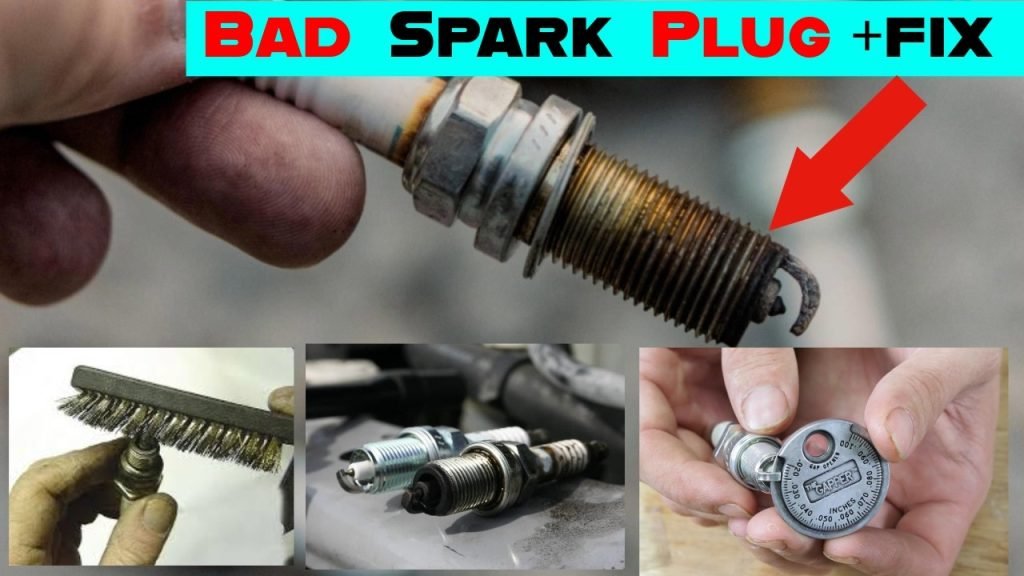
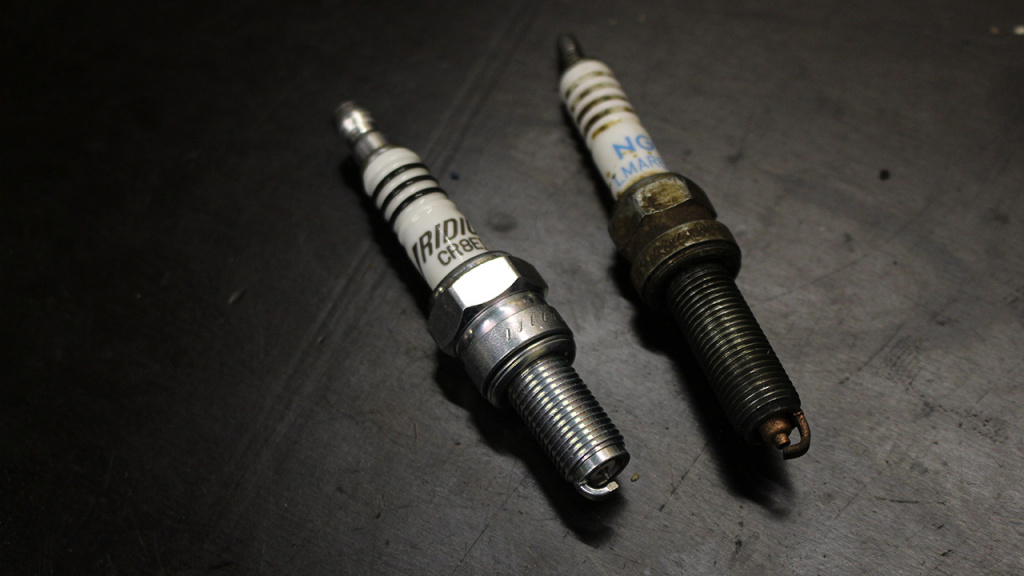
Carbon deposits appear as black, dry, and sooty layers on the spark plug. This buildup can block the spark and reduce engine power. It often results from running rich fuel mixtures or poor air filters. Clean or replace the spark plugs if heavy carbon is visible.
Look For Worn Electrodes
Electrodes should have sharp edges. Rounded or eroded electrodes cause weak sparks. This wear happens from normal use over time. Check the electrode tips for signs of flattening or damage. Replace spark plugs showing significant electrode wear.
Inspect For Oil Fouling
Oil fouling shows as wet, oily deposits on the spark plug. It can cause misfires and rough engine running. Oil fouling may indicate worn piston rings or valve seals. If you find oil on the plugs, consult a mechanic for a deeper engine check.
Assess Gap Size
The spark plug gap affects ignition performance. A gap too wide or too narrow can cause poor combustion. Use a gap tool to measure the space between electrodes. Adjust or replace plugs with gaps outside manufacturer specifications.
Impact On Vehicle Performance
Bad spark plugs affect how your vehicle runs. They can cause several performance issues. These problems make driving less smooth and can harm your engine over time.
Reduced Acceleration
Worn spark plugs struggle to ignite the fuel properly. This leads to weak combustion. Your car may feel slow when you press the gas pedal. Acceleration becomes sluggish, and the engine may hesitate.
Engine Surging
Faulty spark plugs cause uneven firing in the engine cylinders. This creates a jerking or surging motion while driving. The engine speed may rise and fall unexpectedly. It makes the ride bumpy and less safe.
Increased Emissions
Bad spark plugs do not burn fuel fully. Unburned fuel leaves more pollutants in the exhaust. This increases harmful emissions. Your vehicle may fail emissions tests and pollute the environment more.
Testing Spark Plugs
Testing spark plugs is a key step to figure out if they’re causing your engine problems. It’s not just about looking at them; you need to check if they’re firing properly to keep your engine running smooth. Let’s look at some practical ways you can test your spark plugs yourself or with professional help.
Using A Spark Plug Tester
A spark plug tester is a simple tool that shows if your spark plug is producing a strong spark. You attach the tester between the spark plug and the ignition wire, then crank the engine. If you see a bright blue spark inside the tester, your plug is working well.
Sometimes, you might see a weak or yellow spark, which signals a bad plug. It’s a quick and safe way to check without removing the plug from the engine. Have you ever noticed your engine misfire and wondered if the spark plugs were the issue? This tester gives you a direct answer.
Multimeter Testing
A multimeter can measure the resistance of your spark plug, revealing if the internal electrode is damaged. Set your multimeter to the ohms setting and place the probes on the terminal and the electrode of the plug.
Healthy spark plugs usually have a resistance between 4,000 to 8,000 ohms. If your reading is much higher or infinite, the plug is likely bad. This method requires a bit more care but gives you a clear numeric value to compare against manufacturer specs.
Professional Diagnostic Tools
Mechanics often use advanced diagnostic tools that can test spark plug performance under real engine conditions. These tools connect to your car’s onboard computer and monitor ignition patterns and misfire data.
They provide detailed reports on each cylinder’s spark plug health, which helps pinpoint issues quickly. If you’re unsure or want a thorough check, visiting a professional equipped with these tools is a smart choice. Wouldn’t you want to know exactly which plug needs replacement without guessing?
When To Replace Spark Plugs
Knowing when to replace spark plugs keeps your engine running smoothly. Old or worn spark plugs can cause poor fuel efficiency and rough idling. Regular checks help avoid sudden breakdowns and costly repairs.
Replacing spark plugs at the right time ensures better performance and saves money. Below are key points to help decide the right time for replacement.
Manufacturer Recommendations
Car makers provide specific guidelines for spark plug replacement. These instructions are in your vehicle’s owner manual. Following them keeps the engine in good shape. Different engines require different spark plug types and intervals. Check the manual to match your car’s needs.
Mileage Guidelines
Common advice says replace spark plugs every 30,000 to 100,000 miles. The exact mileage depends on the spark plug type. Copper plugs usually last around 30,000 miles. Iridium or platinum plugs can last up to 100,000 miles. Track your car’s mileage to plan replacements on time.
Signs That Demand Immediate Replacement
- Engine misfires or runs rough
- Difficulty starting the car
- Reduced fuel efficiency
- Engine hesitation or lack of power
- Check engine light turns on
Notice any of these signs? Replace the spark plugs quickly to avoid engine damage.

Credit: www.reddit.com
Preventive Maintenance Tips
Preventive maintenance is your best defense against unexpected spark plug failures. Keeping your spark plugs in top shape ensures smoother engine performance and can save you from costly repairs. Let’s look at some practical tips to help you maintain your spark plugs effectively.
Regular Inspection Schedule
Set a consistent schedule to check your spark plugs. Most vehicles recommend inspection every 30,000 miles, but if you notice rough idling or poor fuel economy, check them sooner.
During inspections, look for signs like carbon buildup, cracks, or worn electrodes. Catching these early can prevent engine misfires and performance dips.
Proper Installation Practices
Installing spark plugs correctly is crucial. Always use a torque wrench to tighten them to the manufacturer’s specifications—too tight can damage the threads, too loose can cause poor ignition.
Make sure the spark plug gap matches your engine’s requirements. An incorrect gap disrupts the spark, reducing efficiency and potentially harming your engine.
Choosing The Right Spark Plugs
Not all spark plugs fit every engine. Use plugs that match your vehicle’s make, model, and driving conditions.
Consider factors like heat range and electrode material. For example, iridium plugs last longer and perform better in high-stress engines, while copper plugs are budget-friendly for older models.
Have you checked if your current spark plugs suit your driving style and conditions? Picking the right plug can make a noticeable difference in engine response and fuel efficiency.

Credit: www.reddit.com
Frequently Asked Questions
How Can I Tell If My Spark Plugs Need Replacement?
Check for engine misfires, poor fuel economy, or rough idling. Worn spark plugs cause these symptoms. Inspect plugs for wear or carbon buildup.
What Are Common Signs Of Bad Spark Plugs?
Common signs include engine hesitation, difficulty starting, and reduced acceleration. Bad spark plugs affect engine performance and efficiency noticeably.
How Often Should Spark Plugs Be Replaced?
Typically, replace spark plugs every 30,000 to 100,000 miles. The interval depends on your vehicle and spark plug type. Always consult your owner’s manual.
Can Bad Spark Plugs Cause Engine Misfires?
Yes, faulty spark plugs often cause engine misfires. They fail to ignite the fuel-air mixture properly, affecting smooth engine operation.
Conclusion
Bad spark plugs cause engine problems and poor fuel use. Listen for rough idling or trouble starting your car. Check for poor acceleration or engine misfires. Look at the spark plugs for damage or wear. Replacing worn spark plugs helps your car run smooth.
Regular checks save you time and money later. Keep your engine healthy and avoid breakdowns. Small steps make a big difference in car care. Stay alert to signs; your car will thank you.





