Struggling to locate the spark plug in your vehicle? You’re not alone.
Many drivers find themselves puzzled when it comes to pinpointing this crucial component. But understanding where your spark plug is located is key to maintaining your vehicle’s performance and efficiency. Imagine the satisfaction of confidently handling basic car maintenance tasks, saving time and money by avoiding unnecessary trips to the mechanic.
We’ll guide you through the process, ensuring you know exactly where to find the spark plug in your car. By the end, you’ll feel empowered to tackle this small but mighty part of your vehicle’s engine system. Stick around to discover the secrets behind locating your spark plug and keep your engine running smoothly.
What Spark Plug Does
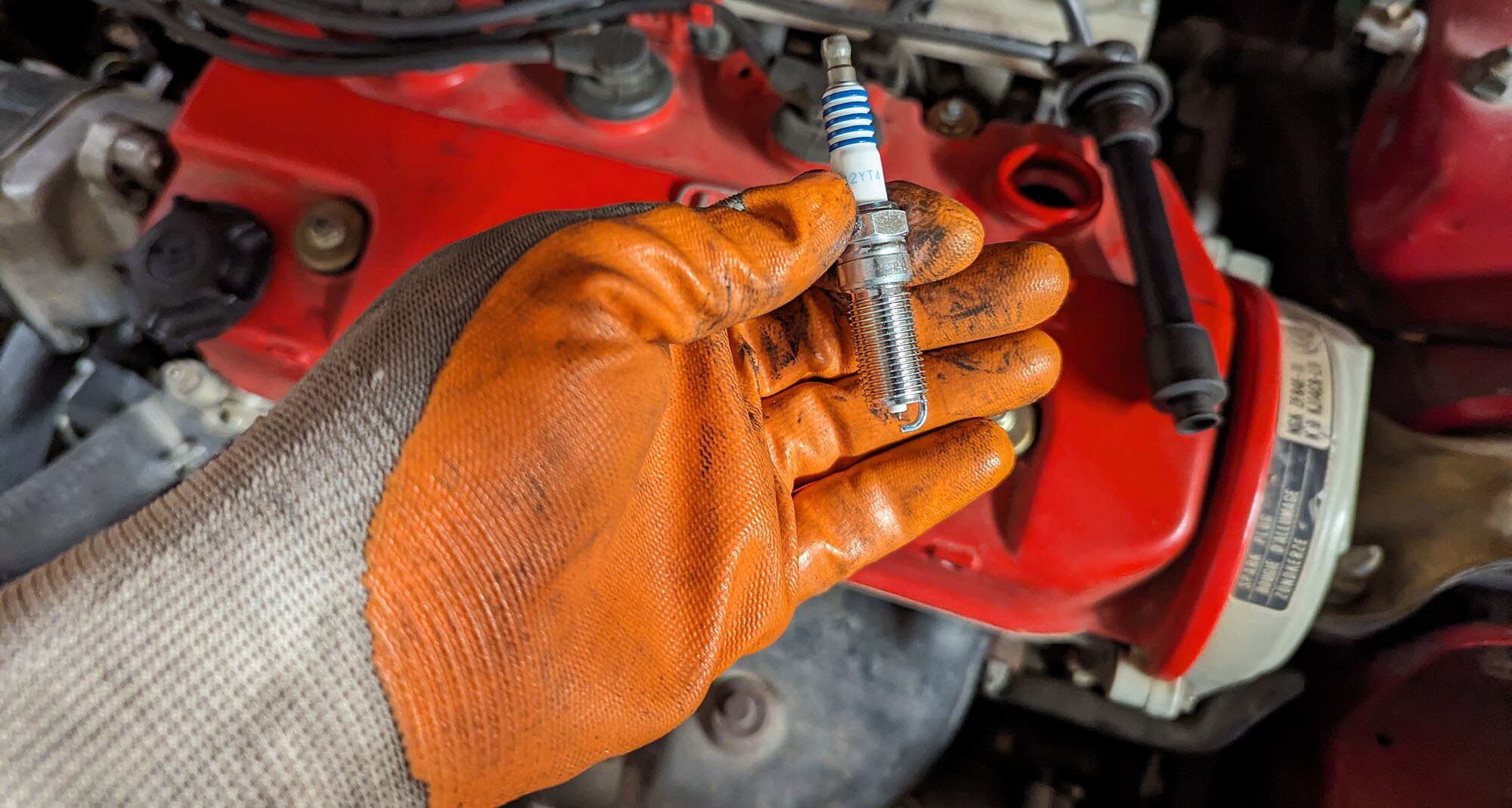
The spark plug plays a crucial role in your vehicle’s engine. It’s the tiny device responsible for igniting the air-fuel mixture inside the engine cylinders. Without a properly functioning spark plug, your engine won’t start or run efficiently.
How The Spark Plug Creates A Spark
The spark plug generates a spark by sending an electrical charge across a small gap between its electrodes. This spark ignites the compressed air and fuel mixture inside the cylinder. Have you ever wondered why your engine sputters or stalls? A worn or dirty spark plug could be the reason.
Impact On Engine Performance
A well-functioning spark plug ensures smooth engine starts and steady performance. It helps your engine burn fuel efficiently, which improves fuel economy and reduces emissions. If you notice rough idling or decreased power, checking the spark plugs should be one of your first steps.
Role In Fuel Combustion
The spark plug’s spark triggers the combustion process that powers your car. Each spark must be perfectly timed to maximize power and efficiency. Poor timing or weak sparks can cause misfires, leading to wasted fuel and engine damage.
Signs Of A Faulty Spark Plug
- Difficulty starting the engine
- Engine misfires or runs unevenly
- Poor fuel mileage
- Increased exhaust emissions
Have you experienced any of these issues? They might indicate it’s time to inspect or replace your spark plugs.
Common Spark Plug Locations
Knowing where your spark plug is located can save you a lot of time and frustration during maintenance or troubleshooting. Spark plugs are small, but they play a big role in your engine’s performance. Their location varies depending on the type of machine you’re working with.
Location In Cars
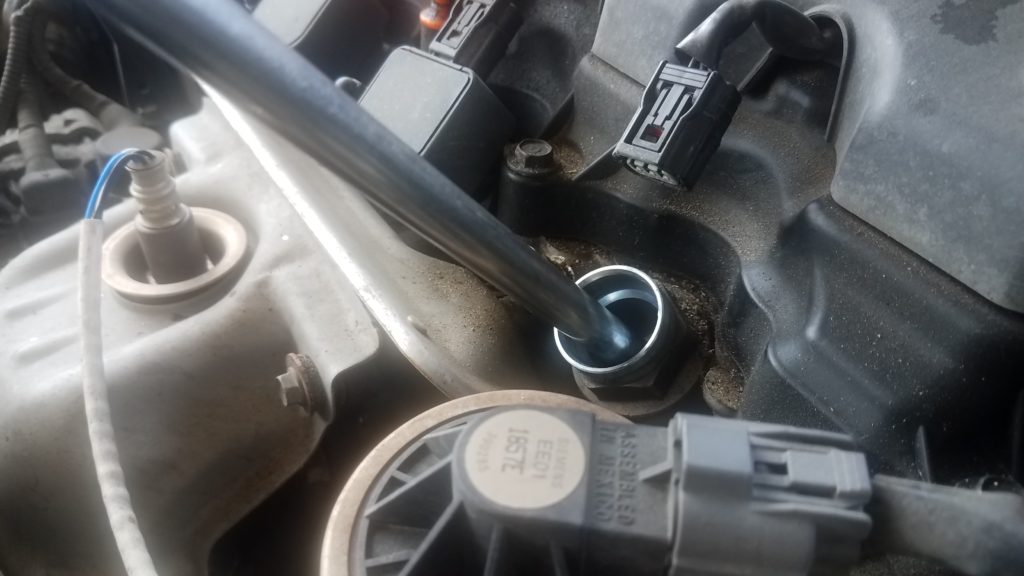
In most cars, spark plugs are found on the engine’s cylinder head. They are often arranged in a row or in pairs, depending on whether the engine is inline or V-shaped. You’ll usually see thick wires or ignition coils connected directly to them.
Access can vary—some engines hide spark plugs under covers or intake manifolds, requiring a bit of disassembly. Have you ever struggled to find the spark plug in a cramped engine bay? Knowing the exact location upfront makes the task much easier.
Location In Motorcycles
Motorcycle spark plugs are generally easier to spot. They are screwed directly into the cylinder head, often near the top of the engine. You can usually see the spark plug wire leading straight to it without too much obstruction.
Because motorcycles have smaller engines, the spark plug is more exposed. This makes inspection and replacement quicker—something every rider appreciates before hitting the road.
Location In Lawn Equipment
Lawn mowers, trimmers, and other small engines place the spark plug on the top or side of the engine block. It’s often near the flywheel or under a protective shroud. These plugs are accessible enough for regular checks during seasonal maintenance.
Have you noticed how small spark plugs in lawn equipment are compared to those in cars? Their size and position reflect the compact nature of these engines, but they still need your attention to keep your gear running smoothly.
Tools Needed To Find Spark Plug
Finding the spark plug in your vehicle can seem tricky without the right tools. Having the proper equipment not only saves time but also prevents damage to your engine parts. Let’s look at what tools you need to locate the spark plug efficiently and safely.
Basic Hand Tools
Start with a good set of basic hand tools. A ratchet wrench with a suitable extension is essential to reach spark plugs that are tucked away deep in the engine.
- Ratchet wrench
- Socket set (especially spark plug sockets)
- Extension bar
These tools help you remove engine covers and access the spark plug without forcing parts. You’ll want a socket designed specifically for spark plugs, which often has a rubber insert to grip the plug securely.
Inspection Tools
Sometimes, you need to visually confirm the spark plug’s location before you start unscrewing anything. A flashlight or a small inspection mirror can make a big difference.
- Flashlight or headlamp
- Inspection mirror
Don’t underestimate the power of good lighting. I once spent an hour fumbling in the dark, and a flashlight instantly revealed the spark plug’s exact spot.
Protective Gear
Working in tight engine spaces can be risky. Gloves protect your hands from sharp edges and hot surfaces, while safety glasses shield your eyes from debris.
- Mechanic gloves
- Safety glasses
Wearing protective gear keeps you safe and comfortable, making the task less daunting. Have you ever had to stop because of a minor cut? Proper protection avoids that hassle.
Credit: www.capitalone.com
Steps To Locate Spark Plug Quickly
Finding the spark plug in your vehicle can be quick and simple. Knowing the right steps saves time and effort. This guide helps you spot the spark plug fast, even without mechanical skills. Follow clear actions to locate it confidently.
Open The Hood Or Access Panel
Start by opening the hood of your car. Some vehicles have an access panel instead. Look for the release lever inside your car to pop the hood. Secure the hood to keep it open. This gives you space to see the engine clearly.
Identify The Engine Type
Check what kind of engine your vehicle has. It could be a four-cylinder, six-cylinder, or eight-cylinder engine. This matters because spark plugs are placed differently. Look for the engine cover or label to find this information. Knowing the engine type helps narrow the spark plug location.
Trace The Spark Plug Wires
Look for thick wires coming out of the engine. These wires carry electricity to the spark plugs. Follow each wire carefully. They usually lead straight to the spark plugs. The wires are often black or colored with rubber coating. Tracing them is a simple way to find the plugs.
Spot The Spark Plug Boots
At the end of each spark plug wire, find a rubber cap. This cap is called a spark plug boot. It covers the spark plug’s metal part. Boots keep the connection safe and clean. Gently pull the boot to check the spark plug beneath. Spotting these boots confirms the spark plug’s location.
Tips To Access Spark Plug Safely
Accessing the spark plug safely is important to avoid injury and damage. Taking simple precautions helps keep you safe. These tips make the job easier and safer.
Wear Protective Gear
Always wear gloves to protect your hands from sharp parts. Safety glasses prevent dirt and debris from entering your eyes. Use a long-sleeve shirt to avoid skin scrapes.
Ensure The Engine Is Cool
Never touch the engine right after driving. Wait at least 30 minutes for it to cool down. A hot engine can cause burns and make parts hard to handle.
Disconnect The Battery
Remove the negative cable from the battery before starting. This prevents accidental electric shocks. It also stops the engine from starting while you work.
Use The Right Tools
Choose a spark plug socket that fits snugly. Use a ratchet wrench for easy turning. Avoid using worn or broken tools to prevent slipping.
Work In A Well-lit Area
Good lighting helps you see the spark plug clearly. Use a flashlight if the engine bay is dark. This reduces mistakes and speeds up the process.
Keep The Area Clean
Remove dirt and debris around the spark plug before removal. This stops contaminants from entering the engine. Use a brush or compressed air for cleaning.
Credit: www.carparts.com
When To Consult A Professional
Knowing when to consult a professional about your spark plugs can save you time, money, and frustration. While some spark plug issues are easy to spot, others require a trained eye to diagnose correctly. Recognizing the signs that need expert attention helps keep your engine running smoothly and avoids bigger problems down the road.
Signs Of Spark Plug Problems You Shouldn’t Ignore
If your car struggles to start or idles roughly, these are common indicators that spark plugs may be worn out or damaged. You might also notice a drop in fuel efficiency or a misfiring engine. These symptoms often signal deeper issues that a professional mechanic can diagnose accurately.
Complex Engine Models And Spark Plug Access
Modern vehicles sometimes have spark plugs located in hard-to-reach places, requiring special tools and knowledge. If you find it difficult to locate or replace your spark plugs, it’s wise to seek professional help. Attempting a DIY fix without the right equipment can cause more harm than good.
Aftermarket Parts And Warranty Considerations
Using non-standard spark plugs or making modifications might void your vehicle’s warranty. Professionals understand the specifications and can recommend the right parts to maintain your warranty coverage. Are you sure the parts you’re considering won’t cause issues later?
Unusual Engine Noises Or Warning Lights
Strange sounds like knocking or pinging, or dashboard warning lights related to engine performance, often point to spark plug or ignition system issues. Don’t ignore these signs; a professional can quickly pinpoint the cause and prevent further damage.
When You’re Unsure About The Diagnosis
Sometimes, symptoms overlap with other engine problems, making it tough to know if the spark plugs are the root cause. If you feel uncertain, consulting a mechanic ensures you get an accurate diagnosis and proper repair. Have you ever fixed one problem only to find another was hiding?

Credit: www.carsales.com.au
Frequently Asked Questions
Where Is The Spark Plug Located In A Car Engine?
The spark plug is usually found on the cylinder head of the engine. It screws into the combustion chamber and connects to the ignition system. You can locate it by following the ignition wires or coils leading to the engine block.
How Can I Find The Spark Plug In My Vehicle?
Look under the hood for the ignition wires or coil packs. They lead directly to the spark plugs, which are threaded into the engine’s cylinder head. In modern cars, spark plugs may be hidden beneath coil-on-plug setups.
Are Spark Plugs Easy To Access And Replace?
Spark plugs are generally accessible but may require some tools. Depending on the engine design, you might need to remove engine covers or components. Always ensure the engine is cool before attempting to replace spark plugs.
Do All Vehicles Have Spark Plugs In The Same Location?
Most gasoline engines have spark plugs on the cylinder head, but exact placement varies. Some engines use coil-on-plug systems, which can hide spark plugs. Diesel engines do not have spark plugs since they use compression ignition.
Conclusion
Finding the spark plug is easier than you think. It usually sits on top of the engine block. You can spot it by following the thick wire attached to it. Knowing its location helps with car care and fixing problems.
Checking the spark plug can improve engine performance. Take time to locate it before any maintenance. This small part plays a big role in your vehicle. Keep it clean and replace it when needed. Simple steps make your car run smoother and last longer.





