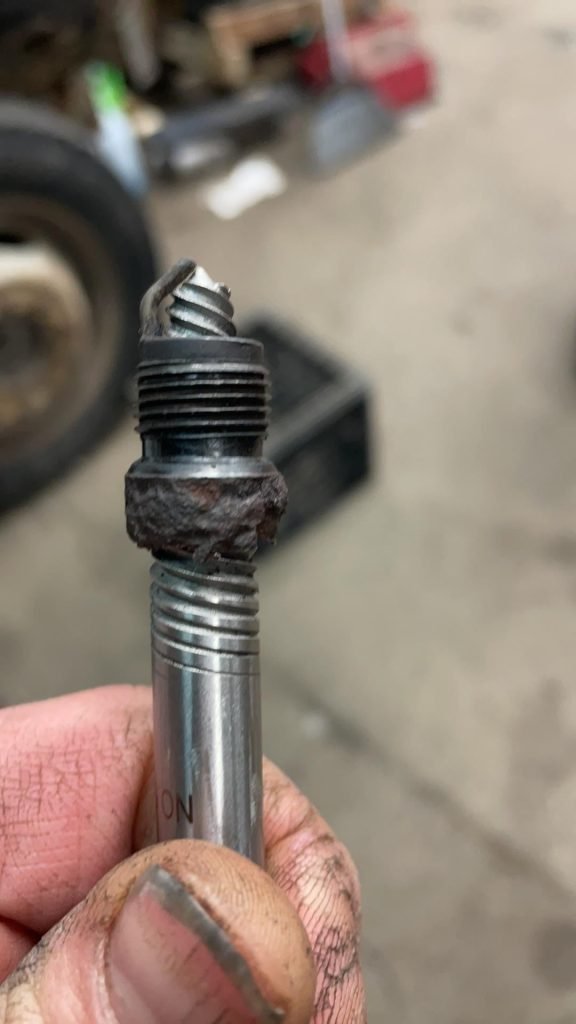
Have you ever popped the hood of your car, ready to tackle a simple spark plug replacement, only to find that one of them is stuck or, worse, broken? It’s a situation that can leave you feeling frustrated and unsure of what to do next.
But don’t worry, you’re not alone, and there’s a solution. Removing a broken spark plug might seem daunting, but with the right approach and tools, you can handle it like a pro. In this guide, you’ll discover step-by-step instructions to safely and efficiently remove that pesky broken spark plug.
Whether you’re a seasoned car enthusiast or a beginner, understanding these techniques will save you time, money, and a whole lot of stress. So, let’s dive in and get that engine running smoothly again!
Signs Of A Broken Spark Plug
Knowing the signs of a broken spark plug can save you a lot of time and money. Ignoring these warning signals might lead to bigger engine problems. Let’s look closely at what you should watch for to catch this issue early.
Common Symptoms
- Engine Misfires:Your car may suddenly jerk or hesitate when accelerating. This is often the first sign that a spark plug isn’t firing correctly.
- Difficulty Starting:If your engine struggles to start or doesn’t start at all, a broken spark plug could be the cause.
- Poor Fuel Economy:Notice you’re filling up more often? A faulty spark plug wastes fuel by not igniting the mixture efficiently.
- Rough Idle:When your vehicle shakes or idles roughly, especially when stopped, it’s a sign of ignition problems linked to spark plugs.
- Unusual Engine Noise:You might hear popping or backfiring sounds, which suggest incomplete combustion.
Impact On Engine Performance
A broken spark plug can significantly reduce your engine’s power. You might feel sluggish acceleration or lack of responsiveness. This happens because the spark plug isn’t igniting the fuel-air mix properly.
Over time, running with a damaged spark plug can cause more serious engine damage. It can lead to increased emissions and even damage to the catalytic converter. Have you noticed any sudden drop in your car’s performance lately? It’s worth checking your spark plugs before the problem worsens.
Tools Needed For Removal
Removing a broken spark plug requires the right set of tools. Using proper equipment makes the job easier and safer. Without these tools, the process can become frustrating and damage your engine.
Essential Equipment
- Spark plug socket – specially designed to fit spark plugs securely
- Ratchet wrench – provides the necessary torque to loosen stuck plugs
- Extension bar – helps reach deep or tight spaces in the engine
- Broken spark plug extractor – designed to grip and remove damaged plugs
- Pliers or locking pliers – useful for gripping and turning
- Penetrating oil – loosens rust and corrosion around the plug threads
- Flathead screwdriver – assists in clearing debris or prying gently
Safety Gear
- Safety glasses – protect eyes from debris and metal shards
- Gloves – shield hands from sharp edges and hot parts
- Dust mask – prevents inhaling dust or rust particles
- Work clothes – durable and comfortable for mechanical tasks
Preparing The Engine
Preparing the engine is a crucial first step before removing a broken spark plug. It ensures safety and makes the process easier. Taking time to prepare the engine prevents damage and accidents. Two important tasks are cooling down the engine and disconnecting the battery. Both protect you and your vehicle during the repair.
Cooling Down The Engine
Never touch the engine when it is hot. A hot engine can cause burns or other injuries. Let the engine cool for at least 30 minutes after running the vehicle. Check the temperature by gently placing your hand near the engine, not on it. If it still feels warm, wait longer. Cooling the engine also helps prevent damage to spark plug threads during removal.
Disconnecting The Battery
Disconnect the battery to avoid electric shock and accidental starts. Use a wrench to loosen the negative terminal clamp first. Remove the cable and keep it away from the battery. This step stops power flow to the spark plugs and ignition system. It protects both you and the car’s electrical parts during the repair process.
Credit: www.1aauto.com
Removing The Broken Spark Plug
Removing a broken spark plug requires care and patience. It starts with preparing the area for easy access. This prevents damage and helps tools work better.
Cleaning Around The Plug
Clear dirt and debris near the spark plug. Use a brush or compressed air to clean the area. This stops particles from falling into the cylinder. A clean workspace makes the removal easier and safer.
Using Penetrating Oil
Apply penetrating oil on the spark plug threads. Let it sit for 10 to 15 minutes. The oil loosens rust and corrosion. This step reduces the risk of breaking the plug further while unscrewing.
Extracting The Broken Piece
Use a spark plug extractor or a pair of locking pliers. Grip the broken part firmly but gently. Turn counterclockwise to unscrew it slowly. If stuck, apply more penetrating oil and wait. Avoid using too much force to prevent damage.
Dealing With Stuck Or Stripped Plugs
Broken spark plugs can be a real headache. Sometimes they get stuck deep inside the engine, or their threads strip, making removal tricky. Handling these issues carefully prevents damage to the engine and saves repair costs. Patience and the right tools play a big role here.
Using A Spark Plug Extractor
A spark plug extractor is a special tool made for stuck or broken plugs. It grips the broken piece tightly, allowing safe removal. The tool fits into the spark plug hole and grabs the damaged plug firmly.
- Choose the right size extractor for your spark plug.
- Insert the extractor gently into the hole.
- Turn the tool counterclockwise to loosen the plug.
- Keep steady pressure to avoid damaging the threads.
This tool often works better than pliers or screwdrivers. It reduces the risk of pushing the plug deeper or breaking it further.
Alternative Removal Techniques
Sometimes the extractor is not enough. Other ways can help remove stuck or stripped plugs safely.
- Penetrating Oil:Spray oil around the plug to loosen rust and dirt. Let it sit for 10-15 minutes before trying removal.
- Heat Application:Use a heat gun to expand the metal around the spark plug. Heat helps break the bond holding the plug in place.
- Left-Handed Drill Bit:Drill slowly into the plug with a reverse drill bit. This can catch and unscrew the plug.
- Thread Repair Kits:After removal, use a repair kit to fix damaged threads in the cylinder head.
Each technique needs care to avoid engine damage. Work slowly and check progress often.

Credit: www.odyclub.com
Installing A New Spark Plug
Installing a new spark plug is a key step after removing a broken one. The new spark plug must fit your engine perfectly and be installed carefully. Correct installation ensures your engine runs smoothly and efficiently.
Choosing The Right Replacement
Pick a spark plug that matches your vehicle’s make and model. Check the owner’s manual for the exact type and size. Use plugs with the correct heat range and thread length. Using the wrong plug can harm engine performance and cause damage.
Proper Installation Steps
- Clean the spark plug hole before inserting the new plug.
- Apply a small amount of anti-seize compound on the spark plug threads.
- Start threading the spark plug by hand to avoid cross-threading.
- Use a spark plug socket and ratchet to tighten the plug gently.
- Reconnect the spark plug wire or ignition coil firmly.
Torque Specifications
Use a torque wrench to tighten the spark plug to the correct specification. Over-tightening can damage the threads and cause leaks. Under-tightening can lead to poor engine performance. Refer to the vehicle manual or spark plug packaging for exact torque values.
Testing After Replacement
After replacing a broken spark plug, testing is important to ensure your engine runs smoothly. This step confirms the repair was successful and helps spot any leftover problems early. Testing also gives you peace of mind before driving again.
Starting The Engine
Turn the ignition key to start the engine. Listen carefully to how it sounds. The engine should start quickly without hesitation. If the engine struggles or makes odd noises, it could mean the spark plug is not installed correctly or there is another issue. Watch the dashboard for warning lights as well.
Checking For Issues
After the engine runs, check for any rough idling or misfires. These signs indicate the spark plug may not be firing properly. Look under the hood for any loose wires or connections. Smell for unusual odors like fuel or burning. If you notice any problems, recheck the spark plug’s installation or seek professional help.
Credit: www.bmwlt.com
Preventing Future Spark Plug Breakage
Preventing future spark plug breakage protects your engine and saves time. Taking simple steps keeps spark plugs in good condition. Regular care avoids costly repairs and improves engine performance.
Maintenance Tips
Check spark plugs regularly for signs of wear or damage. Clean dirt and debris from the spark plug area. Replace spark plugs according to the vehicle’s maintenance schedule. Use a spark plug gap tool to ensure the correct gap size. Avoid using worn or damaged spark plugs to prevent engine problems.
Proper Installation Practices
Use the right tools to install spark plugs carefully. Avoid over-tightening spark plugs to prevent thread damage. Apply a small amount of anti-seize lubricant to the spark plug threads. Hand-tighten spark plugs first, then use a torque wrench to finish. Follow the manufacturer’s torque specifications exactly to avoid breakage.
Frequently Asked Questions
How Do I Safely Remove A Broken Spark Plug?
To remove a broken spark plug, first disconnect the battery. Use a spark plug extractor tool and apply penetrating oil. Turn gently counterclockwise until it loosens. Avoid excessive force to prevent damage to the cylinder head.
What Tools Are Needed To Extract A Broken Spark Plug?
You need a spark plug extractor, socket wrench, penetrating oil, and pliers. These tools help loosen and safely remove the broken spark plug pieces without damaging the engine.
Can I Remove A Broken Spark Plug Without Damaging The Engine?
Yes, by using the correct tools and methods. Apply penetrating oil and use a spark plug extractor. Work slowly and carefully to avoid damaging the threads or cylinder head.
How Long Does It Take To Remove A Broken Spark Plug?
Removing a broken spark plug usually takes 20 to 40 minutes. Time depends on how stuck the plug is and your experience with tools and techniques.
Conclusion
Removing a broken spark plug takes patience and the right tools. Take your time to avoid damaging the engine. Clean the area well before you start. Use a spark plug extractor carefully to get the piece out. If you feel unsure, ask for help from a mechanic.
Fixing it yourself can save money and teach you something new. Keep your engine healthy by checking spark plugs regularly. A smooth-running engine means better performance and fewer problems ahead.





