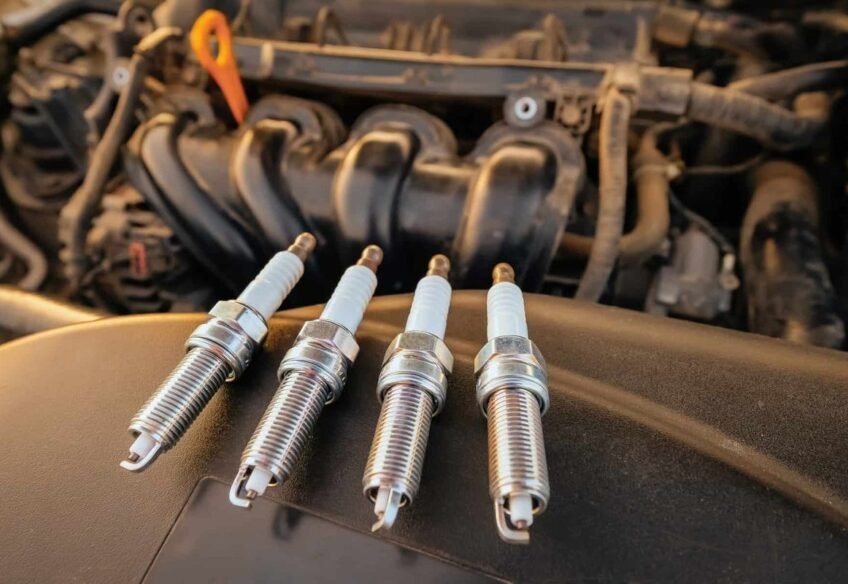
How long do spark plugs last on a car? It’s a question that might not cross your mind until you notice something’s off with your vehicle.
Imagine cruising down the highway, and suddenly, your car starts to stutter. Or maybe it’s taking longer to start in the morning. These small inconveniences can be tied to a tiny yet vital component: the spark plug. Understanding how long they last can save you time, money, and stress.
You may wonder why something so small plays such a big role. Well, spark plugs are the unsung heroes of your engine’s performance. They ignite the fuel-air mixture that powers your car. Knowing their lifespan is crucial to keeping your car running smoothly. Stick around as we uncover the mysteries of spark plug longevity and help you keep your ride in top shape.
Spark Plug Lifespan Basics
Understanding how long spark plugs last can save you time, money, and car trouble. Spark plugs play a crucial role in your engine’s performance by igniting the air-fuel mixture. Knowing their lifespan basics helps you decide when to replace them and keep your vehicle running smoothly.
Average Mileage Expectancy
Most spark plugs last between 30,000 and 100,000 miles, depending on their type and quality. Standard copper plugs typically need replacement around 30,000 miles, while platinum and iridium plugs can last up to 100,000 miles.
If you notice your car misfiring or struggling to start before this range, your spark plugs might be worn out sooner. Do you keep track of your mileage to know when to check them?
Types Of Spark Plugs And Their Durability
- Copper Spark Plugs:Affordable but wear out faster, usually around 20,000 to 30,000 miles.
- Platinum Spark Plugs:More durable than copper, lasting about 60,000 miles.
- Iridium Spark Plugs:The most durable and efficient, often lasting up to 100,000 miles.
Choosing the right type can impact how often you need to replace them. Have you considered upgrading your spark plugs to avoid frequent replacements?
Factors Affecting Spark Plug Longevity
Several factors influence how long your spark plugs last beyond just their type.
- Driving Habits:Frequent short trips and stop-and-go traffic cause faster wear.
- Engine Condition:A well-maintained engine extends spark plug life; neglect can cause deposits and fouling.
- Fuel Quality:Poor-quality fuel can lead to carbon buildup, reducing spark plug efficiency.
- Environmental Conditions:Extreme temperatures and humidity affect spark plug durability.
Think about your driving style and maintenance routine—could these be shortening your spark plugs’ lifespan?
Signs Of Worn Out Spark Plugs
Recognizing the signs of worn out spark plugs can save you from costly repairs and keep your car running smoothly. Spark plugs play a crucial role in igniting the fuel-air mixture in your engine. When they start to wear out, your vehicle’s performance quickly shows it.
Engine Misfires And Rough Idling
If your engine suddenly feels jerky or you notice it misfires, worn spark plugs could be the cause. Misfires happen when the spark plug fails to ignite the fuel properly, leading to uneven engine performance.
You might also feel your car idling roughly, as if it’s struggling to stay stable. Have you ever experienced your engine shaking while waiting at a stoplight? That’s a classic sign your spark plugs need attention.
Reduced Fuel Efficiency
Are you filling up your gas tank more often than usual? Worn spark plugs can cause your engine to burn more fuel than necessary.
When the spark isn’t strong or consistent, the engine compensates by using extra fuel, lowering your miles per gallon. This not only hits your wallet but also adds unnecessary emissions.
Difficulty Starting The Engine
Does your car take longer to start or require multiple attempts before turning on? Faulty spark plugs might be the culprit.
The spark plugs generate the initial ignition spark, so if they’re worn out, they struggle to get the engine fired up. Next time your engine hesitates, think about checking those spark plugs.
How Driving Habits Impact Spark Plugs
Your driving habits play a significant role in determining how long your spark plugs last. Each style of driving creates different conditions inside the engine, affecting spark plug wear and performance. Understanding these impacts can help you adjust your habits and extend the life of your spark plugs.
City Vs Highway Driving
City driving involves frequent stops, starts, and idling. This puts more stress on your spark plugs because they have to ignite the fuel repeatedly at lower speeds. As a result, spark plugs in city-driven cars tend to wear out faster.
On the other hand, highway driving usually means steady speeds and fewer engine restarts. This steadier operation helps spark plugs last longer since the engine runs more efficiently. If your daily commute is mostly highway, your spark plugs might reach the upper limit of their lifespan before needing replacement.
Effect Of Aggressive Driving
Aggressive driving, like rapid acceleration and hard braking, causes your engine to work harder. This increases combustion temperatures, which can cause spark plugs to overheat and wear out prematurely. Have you noticed a drop in your car’s performance after a day of spirited driving? That could be a sign your spark plugs are stressed.
Keeping a smoother driving style not only saves fuel but also protects your spark plugs from damage. It’s a simple change that can delay expensive repairs and keep your engine running smoothly.
Climate And Environmental Influences
Where you drive matters, too. Hot climates cause spark plugs to operate at higher temperatures, accelerating wear. Conversely, cold climates can lead to incomplete combustion, leaving deposits on the plugs that reduce their efficiency.
Environmental factors like dust, humidity, and altitude also affect spark plug life. For example, dusty roads can introduce contaminants into the engine, while high altitudes may require different spark plug heat ranges. Understanding your environment can help you choose the right spark plugs and maintenance schedule for your car.

Credit: www.chase.com
Maintenance Tips To Extend Spark Plug Life
Extending the life of spark plugs saves money and improves car performance. Simple maintenance habits make a big difference. Focus on key areas to keep spark plugs in good shape and running longer.
Regular Inspection And Cleaning
Check spark plugs often for wear or buildup. Dirt and deposits reduce their efficiency. Clean them gently with a wire brush or spark plug cleaner. Replace any plugs that show cracks or heavy damage. Regular checks help spot problems early.
Proper Installation Techniques
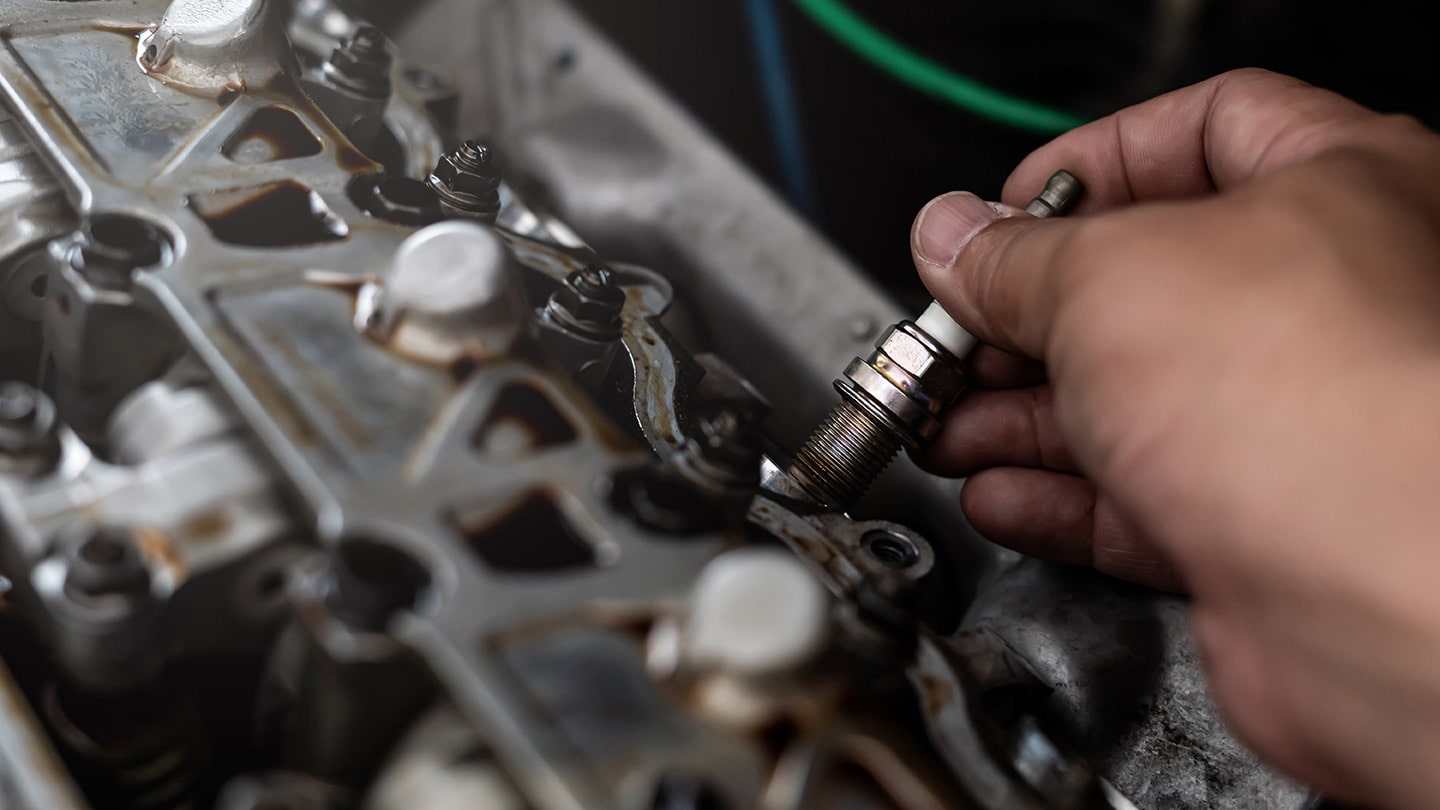
Install spark plugs carefully to avoid damage. Use the right tools and follow the manufacturer’s torque settings. Too tight or too loose installation causes poor contact or thread damage. Ensure spark plugs sit firmly in place for good engine firing.
Using Quality Fuel And Additives
Choose clean, high-quality fuel to reduce deposits on spark plugs. Low-quality fuel leaves harmful residues that shorten plug life. Fuel additives can clean the fuel system and spark plugs. Use additives as recommended to keep the engine and plugs cleaner longer.
When To Replace Spark Plugs
Knowing when to replace your car’s spark plugs can save you from unexpected breakdowns and costly repairs. Spark plugs wear out over time and can affect your engine’s performance, fuel efficiency, and emissions. Paying attention to signs and guidelines helps you decide the right time for replacement, keeping your vehicle running smoothly.
Manufacturer Recommendations
Every car manufacturer provides a recommended interval for changing spark plugs, usually found in the owner’s manual. These intervals often range from 30,000 to 100,000 miles depending on the type of spark plug and engine design.
Following these guidelines is a reliable way to maintain your car’s performance. However, driving conditions and habits can influence how soon you might need new plugs.
Performance-based Replacement
If you notice your engine misfiring, rough idling, or difficulty starting, it could be a sign your spark plugs are wearing out. Reduced fuel efficiency or sluggish acceleration also points to plug issues.
Listening to your engine and monitoring its response helps you catch problems early. Waiting for a set mileage might not always be enough, especially if you often drive in stop-and-go traffic or harsh environments.
Cost Vs Benefit Analysis
Replacing spark plugs might seem like a minor expense, but it has a big impact on your car’s overall health. Ignoring worn plugs can lead to higher fuel costs and damage to other engine components.
Think about the cost of new spark plugs versus potential repairs from neglect. Investing in timely replacements often saves money and prevents frustrating breakdowns down the road.
Credit: www.chase.com

Credit: www.whocanfixmycar.com
Frequently Asked Questions
How Often Should Spark Plugs Be Replaced?
Spark plugs typically last 30,000 to 100,000 miles. Replacement intervals vary by car model and plug type. Regular checks ensure optimal engine performance and fuel efficiency. Always follow your vehicle manufacturer’s maintenance schedule for best results.
What Factors Affect Spark Plug Lifespan?
Driving habits, engine type, and fuel quality impact spark plug lifespan. Frequent short trips and heavy acceleration can wear plugs faster. Proper maintenance and using recommended spark plugs extend their durability and performance.
What Are Signs Of Worn Spark Plugs?
Common signs include engine misfires, rough idling, poor acceleration, and reduced fuel efficiency. Difficulty starting the engine can also indicate spark plug issues. Timely replacement prevents engine damage and maintains smooth operation.
Can Bad Spark Plugs Affect Fuel Economy?
Yes, worn spark plugs cause incomplete combustion, reducing fuel efficiency. Replacing them restores proper ignition timing and improves mileage. Regular spark plug maintenance is key to saving fuel and lowering emissions.
Conclusion
Spark plugs usually last between 30,000 and 100,000 miles. Their lifespan depends on the type and driving habits. Regular checks help spot problems early. Worn spark plugs can cause engine trouble and poor fuel use. Changing them on time keeps your car running smooth.
Remember, good spark plugs mean better performance and less pollution. Keep an eye on them to avoid costly repairs. Simple care goes a long way for your vehicle.





