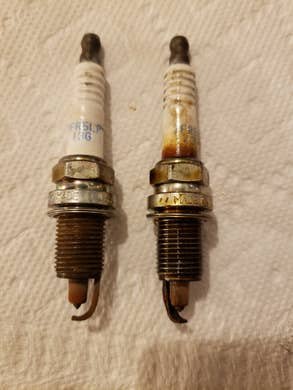
Is your car not running as smoothly as it used to? Have you discovered oil in your spark plugs and are wondering what it means for your vehicle?
You’re not alone. Many car owners face this issue and are left puzzled about its implications. Oil in spark plugs can be a sign of underlying problems that, if left unchecked, might lead to bigger and costlier repairs. But don’t worry—understanding this issue is easier than you think.
By the end of this article, you’ll not only know what oil in your spark plugs means but also how to tackle it effectively. Stick around, because knowing how to address this issue could save you time, money, and a lot of stress.

Credit: www.reddit.com
Oil On Spark Plugs
Oil on spark plugs is a sign that something is wrong inside the engine. Spark plugs play a key role in igniting the fuel-air mix. When oil covers the plugs, it can stop them from working well. This leads to poor engine performance and higher emissions.
Understanding oil on spark plugs helps spot engine problems early. This saves money and prevents bigger damage.
Signs Of Oil Contamination
- Engine misfires or runs rough.
- Hard starting or no start at all.
- Increased fuel consumption.
- Blue or gray smoke from the exhaust.
- Loss of engine power or hesitation.
- Spark plugs look wet, dark, or oily on inspection.
How Oil Reaches The Spark Plug
- Worn valve guides or seals allow oil to leak into the combustion chamber.
- Damaged piston rings let oil pass into the cylinder.
- Blown head gasket causes oil to mix with combustion gases.
- Excessive oil in the crankcase can splash onto spark plugs.
Common Causes
Seeing oil on your spark plugs can be puzzling and concerning. It usually signals that oil is leaking into the combustion chamber, which can affect your engine’s performance. Understanding the common causes helps you pinpoint the problem and decide on the best fix before it gets worse.
Worn Valve Guides Or Seals
Valve guides and seals keep oil from entering the combustion chamber through the valves. Over time, these parts wear out and allow oil to slip past. This often happens if you notice blue smoke from the exhaust when starting the engine or idling.
If you drive a lot in stop-and-go traffic, these parts might wear faster. Have you checked your valve seals during your last tune-up? Catching wear early can save you from costly repairs later.
Damaged Piston Rings
Piston rings seal the gap between the piston and cylinder wall. When they get damaged or worn, oil can leak into the combustion chamber. This usually causes rough idling, loss of power, and increased oil consumption.
Think about how your car feels during acceleration. Does it seem sluggish or consume more oil than usual? These signs could mean the piston rings need attention.
Faulty Head Gasket
The head gasket seals the engine block and cylinder head, preventing oil and coolant leaks. A blown or faulty head gasket can let oil seep into the combustion chamber, mixing with fuel and air. You might also notice overheating or white smoke alongside oil on your spark plugs.
Have you experienced unexplained engine overheating? This might be linked to a gasket issue causing oil contamination in your spark plugs.
Cracked Engine Block Or Cylinder Head
Cracks in the engine block or cylinder head are serious problems that allow oil to enter the combustion chamber. These cracks can develop from overheating, physical damage, or manufacturing defects. They often lead to mixed fluids and severe engine performance issues.
If your engine overheats suddenly or you detect oil and coolant mixing, a crack might be the cause. Addressing this quickly is crucial to avoid engine failure.
Risks Of Oil On Spark Plugs
Oil on spark plugs creates serious problems in an engine’s performance. It disrupts the spark needed for combustion. This leads to several risks that affect your vehicle’s health and efficiency. Understanding these risks helps in identifying and fixing issues early.
Engine Misfires
Oil fouls the spark plug’s tip, stopping it from sparking correctly. This causes engine misfires, which feel like jerks or pauses while driving. Misfires reduce engine power and smoothness. The engine struggles to run properly, leading to poor performance.
Reduced Fuel Efficiency
Oil on spark plugs causes incomplete combustion of fuel. This wastes fuel and lowers miles per gallon. You will notice higher fuel costs and more frequent trips to the gas station. The engine burns more fuel to maintain power.
Increased Emissions
Incomplete combustion creates more harmful gases. Oil fouling increases carbon monoxide and unburned fuel emissions. These pollutants harm the environment and may cause your car to fail emissions tests. Cleaner combustion means less pollution.
Potential Engine Damage
Oil on spark plugs signals deeper engine problems like worn seals or valve issues. If ignored, oil can damage cylinders and pistons. This leads to costly repairs or even engine replacement. Early detection prevents severe damage.
Diagnosing The Problem
Oil on spark plugs signals a problem in the engine’s combustion area. Diagnosing this issue quickly helps avoid costly repairs. Several tests identify the root cause of oil contamination on spark plugs. Each test reveals different clues about engine health.
Visual Inspection
Start by examining the spark plugs closely. Look for oil deposits on the electrodes and insulator. The color and amount of oil can indicate where the leak is. Check the spark plug threads for oil as well. This inspection reveals if oil is coming from valve seals or piston rings.
Compression Test
This test measures the pressure inside each cylinder. Low compression suggests worn piston rings or cylinder walls. High compression means the valves and head gasket are likely fine. Use a compression gauge to record pressure readings. Compare readings from all cylinders to spot inconsistencies.
Leak-down Test
The leak-down test checks where air escapes from a cylinder. It pinpoints leaks in valves, piston rings, or head gaskets. Pressurized air enters the cylinder, and escaping air sounds are listened for. Use this test to confirm the source of oil contamination. It is more precise than a compression test.
Oil Analysis
Analyze engine oil for metal particles or contaminants. This test shows if engine parts are wearing out. Presence of metal bits indicates piston or valve damage. The oil’s condition helps understand the engine’s internal health. Lab results guide repair decisions and maintenance needs.
Fixing Oil Contamination
Fixing oil contamination in spark plugs is crucial to restore your engine’s performance and prevent further damage. Oil on spark plugs usually signals deeper mechanical problems that need attention. Ignoring this can lead to misfires, reduced fuel efficiency, and costly repairs down the line.
Replacing Valve Seals And Guides
Worn valve seals often let oil seep into the combustion chamber, coating your spark plugs with oil. Replacing these seals stops the leak and protects your plugs from contamination.
Valve guides also play a role by keeping the valves aligned. If they wear out, oil can pass through, causing similar issues. Fixing or replacing these guides will help maintain proper engine function.
Installing New Piston Rings
Damaged piston rings allow oil to slip past and enter the combustion chamber. This oil fouls the spark plugs and reduces compression, impacting engine power.
Installing new piston rings restores the seal between the piston and cylinder wall. You’ll notice smoother running and cleaner spark plugs afterward.
Head Gasket Repair Or Replacement
A blown head gasket can cause oil and coolant to mix, leading to oil contamination on spark plugs. This problem often shows up as overheating or white smoke from the exhaust.
Repairing or replacing the head gasket stops the leak and prevents oil from reaching the spark plugs. Have your mechanic check for this if you spot oil on multiple plugs.
Addressing Cracks In Engine Components
Cracks in the cylinder head or engine block let oil seep into places it shouldn’t be. These cracks can be tough to spot but cause persistent oil contamination issues.
Fixing cracks usually requires welding or part replacement. Identifying this problem early saves you from severe engine damage and expensive repairs.

Credit: www.fordgt500.com
Preventive Measures
Oil on spark plugs signals that something isn’t right inside your engine. Taking preventive measures can save you from costly repairs and keep your vehicle running smoothly. Paying attention to simple habits and timely checks can make a big difference in avoiding oil contamination on spark plugs.
Regular Engine Maintenance
Keeping a strict maintenance schedule is essential. Change your engine oil and filter according to your vehicle’s manual. Neglecting this can cause oil to leak and collect on spark plugs.
Also, inspect valve cover gaskets and piston rings regularly. These parts can wear out and allow oil to seep where it shouldn’t. Have a trusted mechanic check these during routine services to catch problems early.
Using Quality Engine Oil
Choosing the right engine oil affects how well your engine runs and how clean your spark plugs stay. Always use oil that meets your car manufacturer’s specifications. Low-quality or incorrect oil can break down faster, increasing the chance of leaks and deposits.
Think about the last time you switched oil brands—did you notice a difference in engine noise or fuel efficiency? This simple change can impact your engine’s health more than you realize.
Timely Repairs
If you spot oil on your spark plugs, don’t ignore it. Addressing the root cause quickly prevents further damage. Whether it’s worn piston rings or a faulty valve seal, repairing it promptly keeps oil from contaminating the plugs again.
Waiting too long can lead to misfires, poor fuel economy, and even engine failure. Ask yourself: How long would you wait before fixing a visible leak in your home? Your car deserves the same attention.
Monitoring Engine Performance
Pay attention to how your engine sounds and feels. Rough idling, reduced power, or increased fuel consumption can hint at spark plug issues. Regularly check your spark plugs for oil deposits as part of your vehicle care routine.
Using tools like an OBD-II scanner can help detect engine misfires early. Are you tracking these signs or waiting for a breakdown? Staying proactive helps you catch problems before they escalate.
Credit: www.focusrs.org
Frequently Asked Questions
What Does Oil On Spark Plugs Indicate?
Oil on spark plugs usually indicates an engine oil leak. It can result from worn valve guides, piston rings, or damaged seals. This condition can cause engine misfires, reduced performance, and increased emissions. Prompt inspection and repair are necessary to prevent further engine damage.
Can Oil In Spark Plugs Cause Engine Misfires?
Yes, oil on spark plugs can cause engine misfires. Oil fouls the spark plug, disrupting the spark needed for combustion. This leads to rough engine performance, poor fuel efficiency, and increased emissions. Fixing the oil leak and replacing affected spark plugs often resolves the issue.
How To Clean Oil From Spark Plugs Safely?
To clean oil from spark plugs, remove them carefully and wipe with a clean cloth. Use a spark plug cleaner or brake cleaner spray to remove stubborn oil. Ensure plugs are fully dry before reinstalling. However, addressing the root cause of the oil leak is essential to prevent recurrence.
Is Oil On Spark Plugs A Sign Of Serious Engine Issues?
Oil on spark plugs can indicate serious engine problems like worn piston rings or valve seals. Ignoring this sign can cause engine misfires and damage. Early diagnosis and repair help maintain engine health and performance, avoiding costly repairs.
Conclusion
Oil on spark plugs means engine trouble may be present. It often shows worn piston rings or valve seals. Catching this early can save costly repairs. Check spark plugs regularly for oil or dirt. Clean or replace them to keep your engine healthy.
A clean spark plug helps the engine run smoothly. Keep an eye on oil leaks around the engine. Stay alert to changes in engine performance or fuel use. Taking care of small issues prevents bigger problems later. Simple checks can protect your car’s engine life.





