Are you struggling with getting spark plugs out of your car? You’re not alone.
Many drivers find themselves scratching their heads, unsure of how to tackle this seemingly simple task. But worry not! This guide is tailored just for you, to help you master the art of removing spark plugs without breaking a sweat.
Imagine the satisfaction you’ll feel knowing you’ve handled this crucial car maintenance task all by yourself. By the end of this article, you’ll have the confidence and know-how to get those spark plugs out with ease. So, let’s dive in and get your car running smoothly!
Tools Needed
Getting spark plugs out of your engine requires the right tools. Without them, you risk damaging the plugs or the engine itself. Having the proper equipment makes the job safer, faster, and more efficient.
Socket Wrench
A socket wrench is your basic tool for removing spark plugs. It provides the leverage you need to loosen tight plugs without slipping. If you’ve ever tried to unscrew a spark plug with just a regular wrench, you know how frustrating it can be.
Choosing a comfortable handle can make the process less tiring. Make sure your socket wrench fits well with your other tools for a smooth workflow.
Spark Plug Socket
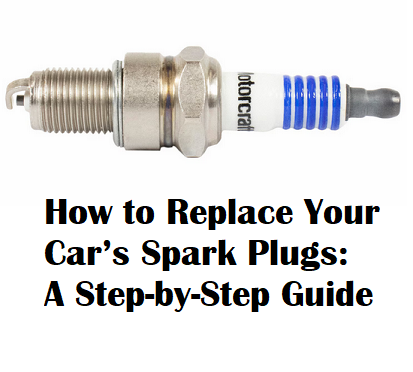
This socket is specially designed to fit spark plugs. It usually has a rubber insert to hold the plug securely when you pull it out. This prevents the plug from falling and getting damaged.
Using a regular socket can easily strip the plug or cause it to drop into the engine bay. Invest in a spark plug socket that matches your plug size—commonly 5/8 inch or 13/16 inch.
Extension Bar
An extension bar gives you extra reach, especially if your spark plugs are buried deep in the engine. It connects between your socket wrench and spark plug socket. This tool is a lifesaver when space is tight.
Without an extension, you might struggle to position your wrench properly. Think about the engine layout before you start and have an extension bar ready if needed.
Torque Wrench
After removing and replacing spark plugs, a torque wrench ensures you tighten them to the manufacturer’s recommended setting. Over-tightening can damage the threads, while under-tightening causes poor engine performance.
Using a torque wrench may feel like an extra step, but it protects your engine and saves money on repairs. If you want your car to run smoothly, don’t skip this tool.
Credit: beachautomotive.com
Preparation Tips
Proper preparation makes spark plug removal easier and safer. Taking time to prepare prevents damage to the engine and parts. It also helps avoid injury while working.
Cool Down The Engine
Allow the engine to cool before touching the spark plugs. Hot engine parts can cause burns. Wait at least 30 minutes after turning off the car. Use a fan or open the hood to speed cooling.
Locate The Spark Plugs
Identify the position of each spark plug in the engine. Consult your vehicle manual for exact locations. Spark plugs are usually found on the cylinder head. Look for wires or coils attached to the plugs.
Clean The Area
Remove dirt and debris from around the spark plugs. Use a soft brush or compressed air to clean the area. This prevents dirt from falling into the engine during removal. A clean workspace helps avoid damage and makes the task easier.
Removing The Spark Plug Wire
Removing the spark plug wire is an important step before taking out the spark plug. Handle the wire carefully to avoid damage. The wire connects the spark plug to the ignition system and carries high voltage. Damaging the wire can cause engine problems and misfires.
Use the right technique to remove the wire safely. Pulling the wire incorrectly can break the connection or the wire itself. Follow simple tips to remove the spark plug wire without harm.
Grip The Boot, Not The Wire
Always hold the boot, the thick rubber part, when pulling the wire. Avoid pulling on the thin wire. Pulling the wire can cause internal damage and reduce spark quality. The boot is designed to grip and protect the wire connection. Use your fingers to grasp the boot firmly but gently.
Twist And Pull Gently
Twist the boot slightly to loosen it from the spark plug. A gentle twist breaks the seal and helps release the boot. Do not use force or yank the wire. Pull the boot straight out after twisting. This method prevents damage and makes removal easier.
Loosening The Spark Plug
Loosening the spark plug is a crucial step in removing it safely. It needs gentle handling to avoid damage. The right tools and careful movements make this process smooth and effective.
Attach Socket And Extension
Choose a spark plug socket that fits perfectly. Attach it to a ratchet or breaker bar. Use an extension if the spark plug is deep inside the engine. This setup gives better reach and control.
Turn Counterclockwise Carefully
Turn the ratchet slowly in a counterclockwise direction. Apply steady pressure without forcing it. If it feels stuck, stop and try again after a short break. Avoid sudden jerks to prevent breaking the spark plug.
Extracting The Spark Plug
Extracting the spark plug is a delicate task that requires patience and care. If you rush or apply too much force, you risk damaging the threads inside the engine, leading to costly repairs. Taking your time ensures you remove the plug safely and maintain your engine’s integrity.
Remove Slowly To Avoid Damage
Start by turning the spark plug socket counterclockwise gently. If it feels stuck, don’t force it; try spraying a little penetrating oil and wait a few minutes. Applying steady, slow pressure helps prevent stripping the threads or breaking the plug inside the cylinder.
Have you ever stripped a spark plug thread? It’s frustrating and avoidable. Slow removal gives you better control and reduces the chances of such mishaps.
Inspect The Plug For Wear
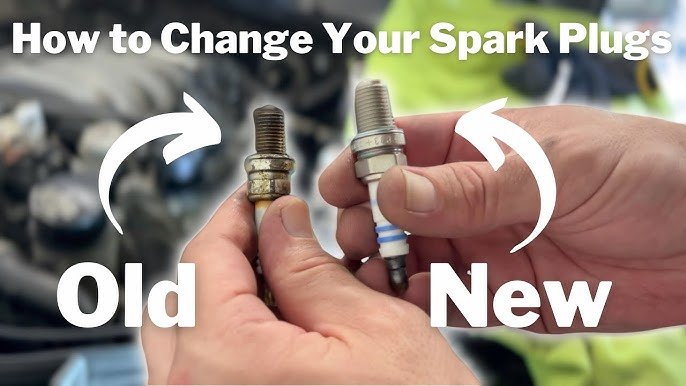
Once out, check the spark plug closely for signs of wear or damage. Look for cracks, worn electrodes, or heavy carbon deposits. These clues tell you if the plug needs replacement or if there might be underlying engine issues.
Noticing unusual wear patterns can save you from engine trouble down the line. Take a moment to compare your spark plug against a new one to spot differences clearly.

Credit: www.bmwlt.com
Common Issues And Fixes
Removing spark plugs can sometimes present challenges that slow down the process. Common issues include stuck spark plugs and damage caused by cross-threading. Knowing how to handle these problems saves time and prevents costly repairs.
Dealing with these issues requires patience and the right approach. Proper tools and techniques make extraction easier and protect your engine parts from harm. Understanding these common problems prepares you for a smoother spark plug removal experience.
Stuck Spark Plug Solutions
Stuck spark plugs often happen due to dirt, rust, or over-tightening. Applying penetrating oil helps loosen the spark plug. Let the oil sit for at least 15 minutes before trying again.
Use a spark plug socket with a ratchet and turn slowly to avoid breaking the plug. If it still won’t budge, gently tap the spark plug socket with a rubber mallet. This can break the rust seal without causing damage.
Heat also helps loosen stuck plugs. Use a heat gun or a propane torch around the plug area, but be careful not to damage surrounding parts. After heating, try to unscrew the plug again.
Dealing With Cross-threading
Cross-threading damages the spark plug threads and cylinder head. It happens when the plug is inserted at the wrong angle or forced in.
To prevent this, always start threading the spark plug by hand. Make sure it turns easily before using a wrench. If you feel resistance early on, back out the plug and try again.
If cross-threading occurs, avoid forcing the plug out. Use a thread repair kit to fix the damaged threads. This kit usually includes a tap to clean and restore the threads.
Severe damage may require professional repair or replacing the cylinder head. Avoid this by taking your time during installation and removal.
Safety Precautions
Safety should be your top priority before you start removing spark plugs. These small components might seem simple, but the engine area can be full of hazards if you’re not careful. Taking the right precautions protects you from injury and avoids damage to your vehicle.
Wear Protective Gear
Always put on protective gloves to shield your hands from sharp edges and hot surfaces. Safety glasses are essential to keep dirt, debris, or accidental sparks out of your eyes.
Think about the last time you worked on your car—did you notice how easily dust and grime can fly up? Without goggles, you risk irritation or worse. Wearing closed-toe shoes is another smart move to protect your feet from falling tools or parts.
Work In A Well-ventilated Area
Engines can emit harmful fumes, especially if you’ve just run the car. Make sure you’re working in an open space or a garage with the door wide open to allow fresh air in.
Have you ever felt dizzy or lightheaded while working on your vehicle? Poor ventilation is often the cause. Proper airflow keeps dangerous gases from building up around you, making your workspace safer and more comfortable.

Credit: www.reddit.com
Frequently Asked Questions
How Do I Safely Remove Spark Plugs?
First, disconnect the battery. Use a spark plug socket and ratchet to turn the plug counterclockwise. Apply steady pressure to avoid damage. Clean the area before removal to prevent debris from falling into the cylinder.
What Tools Are Needed To Get Spark Plugs Out?
You need a spark plug socket, ratchet wrench, extension bar, and possibly a torque wrench. A spark plug gap gauge and anti-seize compound are helpful. These tools ensure safe and effective removal and replacement of spark plugs.
Can Stuck Spark Plugs Be Removed Without Damage?
Yes, apply penetrating oil and let it sit for 15-20 minutes. Use a breaker bar for extra torque, turning slowly. Avoid sudden force to prevent thread damage. If stuck, seek professional help to avoid costly repairs.
How Often Should Spark Plugs Be Replaced?
Typically, spark plugs should be replaced every 30,000 to 100,000 miles. Check your vehicle’s manual for specific intervals. Regular replacement ensures optimal engine performance and fuel efficiency.
Conclusion
Removing spark plugs is easier than it seems. Use the right tools and take your time. Clean the area before you start to avoid dirt. Turn the plugs slowly to prevent damage. Keep track of the order for easy reinstallation.
Practice makes the process quicker and smoother. You can save money by doing this yourself. Remember, safety first—work in a well-lit, ventilated space. With patience, you will handle spark plugs like a pro. Simple steps lead to better car care and performance.





