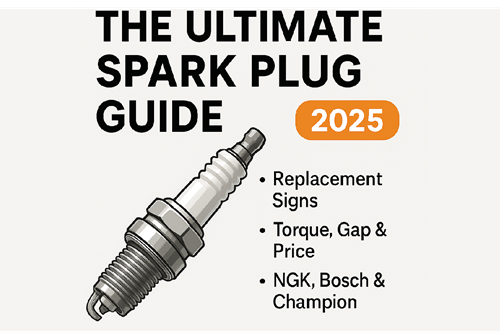
How often do you think about your car’s spark plugs? If you’re like most people, probably not very often.
But these small parts play a big role in keeping your engine running smoothly. Ignoring them can lead to poor performance, lower fuel efficiency, and even costly repairs. You’ll learn exactly when and why you should replace your spark plugs to keep your vehicle in top shape.
Keep reading to avoid common mistakes and save money on car maintenance.
Role Of Spark Plugs
Spark plugs are small but powerful components in your vehicle’s engine. They create the spark that ignites the air-fuel mixture inside the engine cylinders. Without functioning spark plugs, your engine simply won’t run efficiently, and you could face starting problems or poor performance.
How Spark Plugs Work
Inside each cylinder, the spark plug produces a tiny electrical spark at just the right moment. This spark lights up the fuel and air mixture, causing a controlled explosion. This explosion pushes the piston down, generating the power needed to move your car.
The spark plug must handle extreme heat and pressure while creating a consistent spark. Over time, the electrode can wear down or get dirty, making the spark weaker or irregular. This is why regular inspection and replacement are essential for smooth engine operation.
Impact On Engine Performance
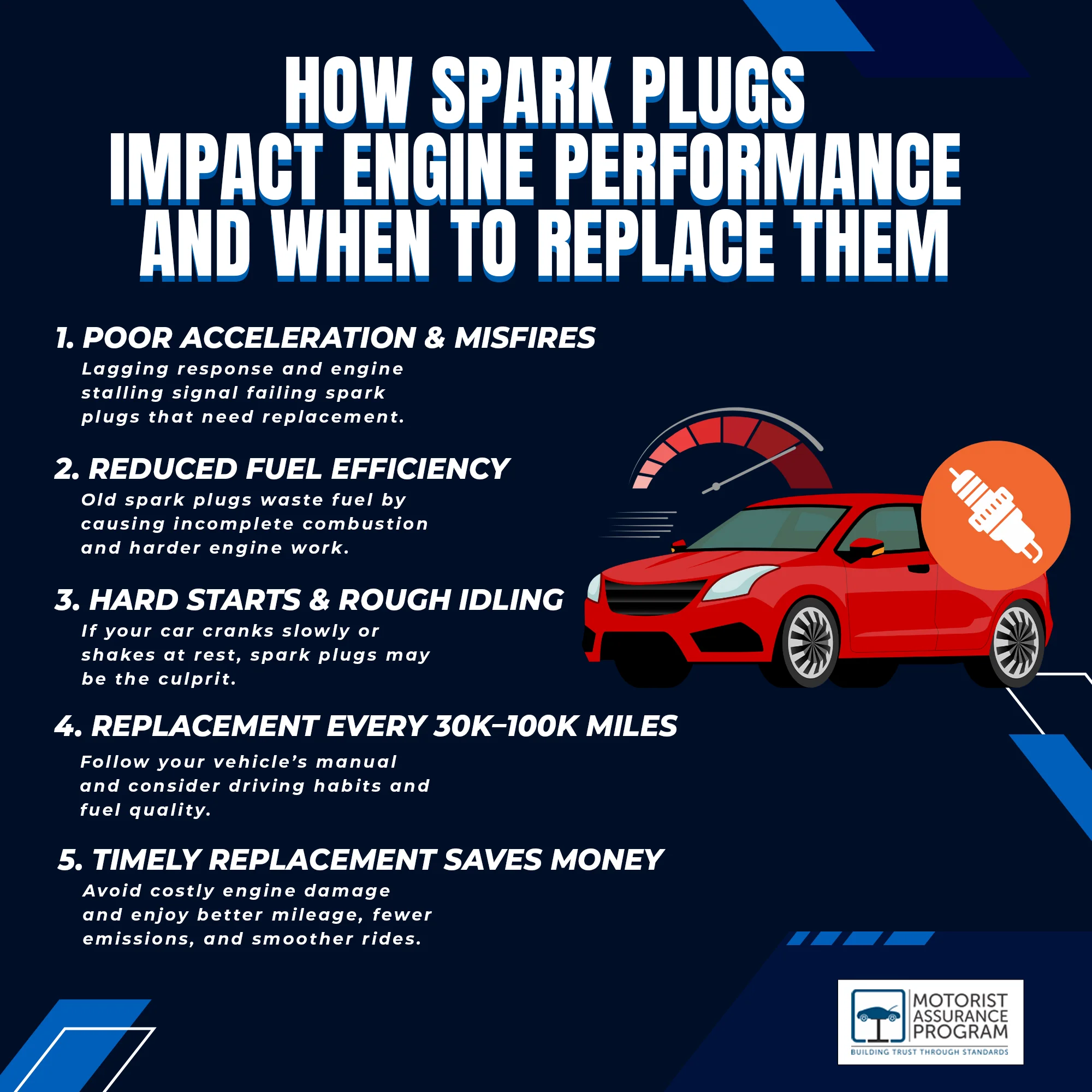
Worn or dirty spark plugs can cause your engine to misfire, lose power, or even stall. You might notice rough idling, reduced fuel efficiency, or difficulty starting your car. These issues affect your daily driving and can lead to costly repairs if ignored.
Think about the last time your engine hesitated or felt sluggish. Could a worn spark plug be the culprit? Keeping your spark plugs in good condition ensures your engine runs smoothly, saves fuel, and reduces harmful emissions.
- Improved acceleration and responsiveness
- Smoother idling and quieter engine
- Better fuel economy and lower emissions
Signs Of Worn Spark Plugs
Worn spark plugs can silently drain your vehicle’s performance without obvious signs. Catching these early warnings can save you from costly repairs and keep your engine running smoothly. Here are some clear signs that your spark plugs might be ready for replacement.
Poor Fuel Economy
Notice your gas tank emptying faster than usual? Worn spark plugs can cause incomplete combustion, making your engine use more fuel to deliver the same power.
This means you’ll be visiting the pump more often and spending more money. Have you tracked your miles per gallon lately? A sudden drop could point directly to spark plug issues.
Engine Misfires
If your engine feels rough or jerks during acceleration, misfires could be the culprit. Spark plugs ignite the fuel-air mixture; when they’re worn, the ignition becomes inconsistent.
This not only affects performance but can damage other engine components over time. Have you ever noticed your car stumbling or hesitating on the road? It’s a red flag you shouldn’t ignore.
Difficulty Starting
Does your engine struggle or take longer to start, especially in cold weather? Old spark plugs may fail to produce a strong enough spark to ignite the fuel efficiently.
This can leave you stranded or frustrated on busy mornings. Think about the last time your car hesitated to start—was it time to check those spark plugs?
Recommended Replacement Intervals
Knowing the recommended replacement intervals for spark plugs can save you money and keep your vehicle running smoothly. These intervals aren’t random—they are carefully set based on engine design, spark plug type, and real-world testing. Understanding these guidelines helps you avoid premature wear or unexpected engine trouble.
Manufacturer Guidelines
Your vehicle’s manufacturer provides specific recommendations for spark plug replacement intervals. These are usually found in the owner’s manual and vary widely depending on the make and model.
For example, many modern cars with platinum or iridium spark plugs suggest replacement every 60,000 to 100,000 miles. Older vehicles with copper spark plugs might require changes as often as every 20,000 to 30,000 miles.
Following these guidelines ensures your engine runs efficiently and emissions stay low. Skipping or delaying replacement can lead to misfires, poor fuel economy, and increased emissions.
Influence Of Driving Conditions
Your driving habits and environment heavily affect how often spark plugs need replacement. Short trips and stop-and-go traffic cause more wear than steady highway driving.
Harsh conditions like frequent idling, dusty roads, or extreme temperatures can also shorten spark plug life. If you drive mostly in these conditions, consider replacing your spark plugs earlier than the manufacturer’s standard interval.
Have you noticed your engine hesitating or reduced acceleration? These could be signs that your spark plugs are worn out sooner than expected. Adjusting your maintenance schedule based on your driving style helps keep your car reliable and saves you from unexpected breakdowns.
Credit: motorist.org
Types Of Spark Plugs
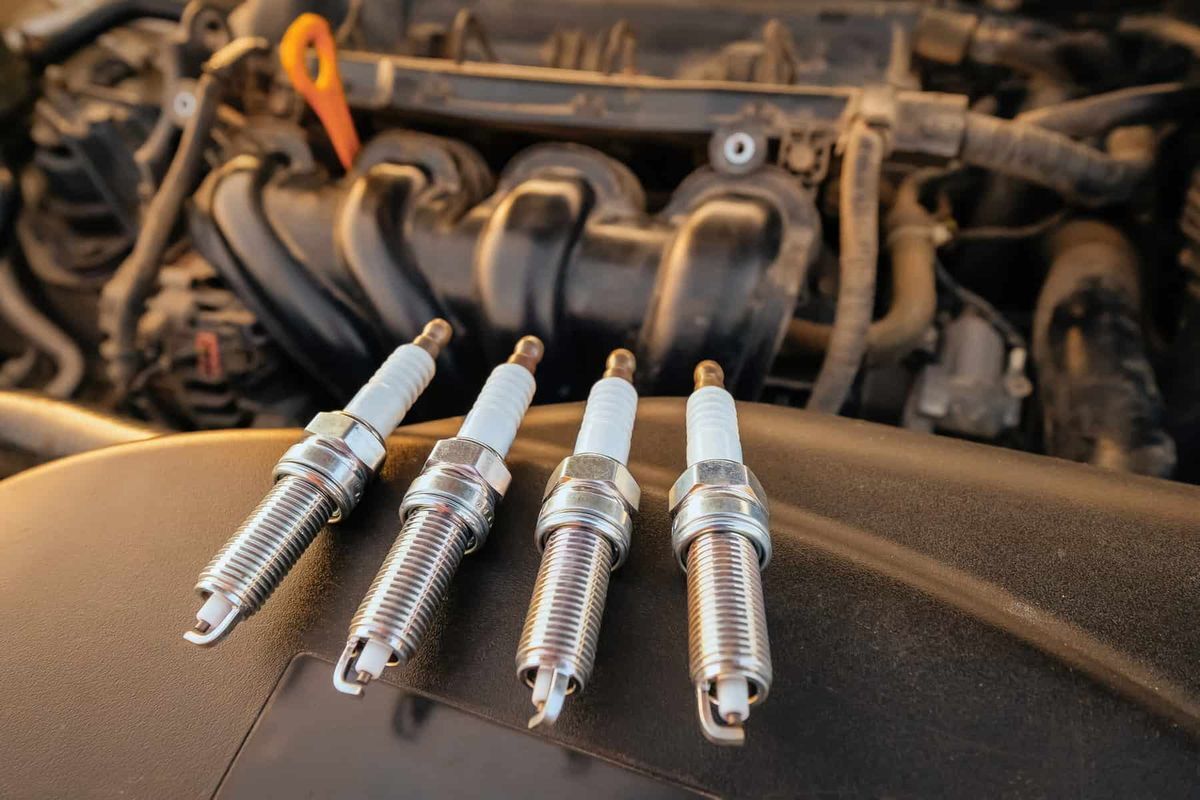
Choosing the right type of spark plug can influence how often you need to replace it and how well your engine performs. Different materials offer unique benefits and lifespans, affecting everything from fuel efficiency to engine smoothness. Understanding the main types helps you pick what fits your car and driving style best.
Copper
Copper spark plugs are the most affordable and have excellent conductivity, which means they provide a strong spark to ignite the fuel. However, they wear out faster, usually needing replacement every 20,000 to 30,000 miles. If you drive an older vehicle or do a lot of stop-and-go trips, copper plugs might be a practical choice.
Platinum
Platinum spark plugs last longer than copper ones, often up to 60,000 miles or more. The platinum tip resists wear better, so the spark stays consistent over time. If you want fewer replacements and better performance, platinum plugs offer a good balance without a high price tag.
Iridium
Iridium spark plugs are the most durable, sometimes lasting over 100,000 miles. Their fine wire center electrode requires less voltage to create a spark, improving ignition efficiency. Although they cost more upfront, iridium plugs can save you time and money by staying effective for longer periods.
Replacing Spark Plugs
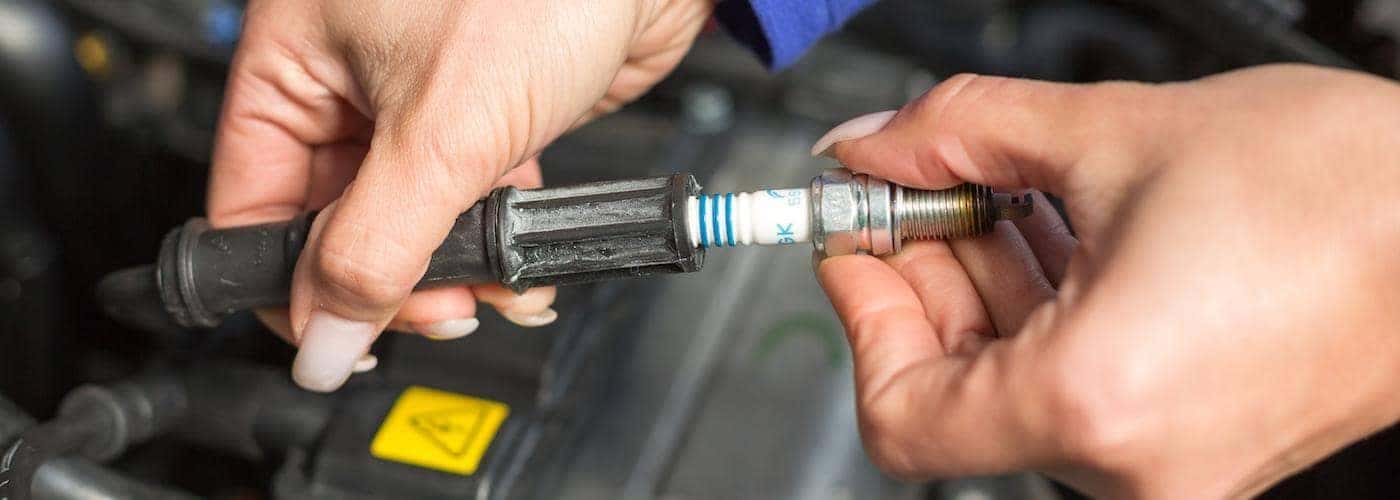
Replacing spark plugs is a key part of car maintenance. Spark plugs help your engine run smoothly. Over time, they wear out and need replacement. Changing them keeps your engine efficient and saves fuel. You can do this task yourself with the right tools and steps.
Tools Needed
- Spark plug socket wrench
- Ratchet and extension bar
- Torque wrench
- Spark plug gap tool
- Anti-seize lubricant (optional)
- Dielectric grease
- Compressed air or a brush
- Work gloves
Step-by-step Process
- Let the engine cool down completely before starting.
- Locate the spark plugs under the engine cover.
- Clean the area around each spark plug to avoid dirt entry.
- Remove the spark plug wire or coil carefully.
- Use the spark plug socket and ratchet to unscrew the old plug.
- Check the gap on the new spark plug with the gap tool.
- Apply a small amount of anti-seize on the threads if needed.
- Insert and hand-tighten the new spark plug into the hole.
- Use the torque wrench to tighten it to the manufacturer’s specs.
- Apply dielectric grease inside the spark plug boot.
- Reconnect the spark plug wire or coil firmly.
- Repeat for all spark plugs in the engine.
Safety Tips
- Always work on a cool engine to prevent burns.
- Wear gloves to protect your hands from sharp parts.
- Keep the workspace clean and well-lit.
- Do not force parts; use correct tools to avoid damage.
- Dispose of old spark plugs properly.
- Follow the vehicle’s manual for specific instructions.
Credit: www.terrylabontechevy.com
Benefits Of Timely Replacement
Replacing spark plugs on time brings several key benefits to your vehicle’s performance and longevity. It helps keep your engine healthy and saves money on fuel and repairs. Timely replacement ensures your car runs as smoothly and efficiently as possible.
Improved Fuel Efficiency
Worn spark plugs cause incomplete combustion. This wastes fuel and lowers mileage. New spark plugs ignite fuel better. This leads to cleaner and more efficient burning. Your car uses less fuel to travel the same distance.
Smoother Engine Operation
Old spark plugs can cause engine misfires and rough idling. New plugs provide consistent sparks, improving engine timing. The engine runs more steadily and with less vibration. You notice better acceleration and quieter performance.
Reduced Emissions
Faulty spark plugs increase harmful exhaust gases. Proper combustion lowers pollutants released into the air. New spark plugs help your car meet emission standards. This protects the environment and may prevent costly fines.
Common Mistakes To Avoid
Replacing spark plugs seems simple, but many make avoidable errors. These mistakes reduce engine performance and can cause damage. Knowing what to avoid helps keep your car running smoothly. Below are common errors to watch out for during spark plug replacement.
Over-tightening
Too much force can crack the spark plug or damage the threads. This leads to leaks or broken parts inside the engine. Use a torque wrench to tighten plugs to the manufacturer’s specifications. Hand-tightening and then a slight turn usually works best.
Using Wrong Spark Plugs
Not all spark plugs fit every engine. Using the wrong type affects fuel efficiency and engine power. Check your vehicle’s manual for the correct size, heat range, and gap. Avoid cheap, generic plugs that do not meet required standards.
Ignoring Maintenance Schedule
Skipping regular spark plug checks leads to poor engine start and lower mileage. Follow the recommended replacement interval, usually every 30,000 to 100,000 miles. Delaying replacement can cause misfires and increase emissions.
Credit: www.westsideauto.com.au
Frequently Asked Questions
How Often Should Spark Plugs Be Replaced?
Spark plugs generally need replacement every 30,000 to 100,000 miles. Check your vehicle’s manual for specific intervals. Regular replacement ensures optimal engine performance and fuel efficiency.
What Signs Indicate Spark Plug Replacement Is Needed?
Signs include rough idling, poor acceleration, and decreased fuel efficiency. Engine misfires and difficulty starting the car also suggest worn spark plugs.
Can Old Spark Plugs Damage The Engine?
Yes, old spark plugs can cause misfires and reduce engine efficiency. Prolonged use may lead to engine damage or increased emissions, so timely replacement is crucial.
Are All Spark Plugs Replaced At The Same Interval?
Most vehicles replace all spark plugs simultaneously. However, some high-performance engines may have different schedules. Always follow your car manufacturer’s guidelines for best results.
Conclusion
Regular spark plug checks keep your car running smoothly. Change them every 20,000 to 30,000 miles for best performance. Always consult your car’s manual for specific guidance. Signs like poor fuel economy or rough idling indicate spark plug issues. Ignoring them can lead to bigger engine problems.
Investing in regular maintenance saves money and stress. Remember, a healthy engine extends your car’s life. Keep your vehicle in top shape with timely spark plug replacements. It’s a small step but makes a big difference. Ensure your car is always ready for the road.
Safe travels!





