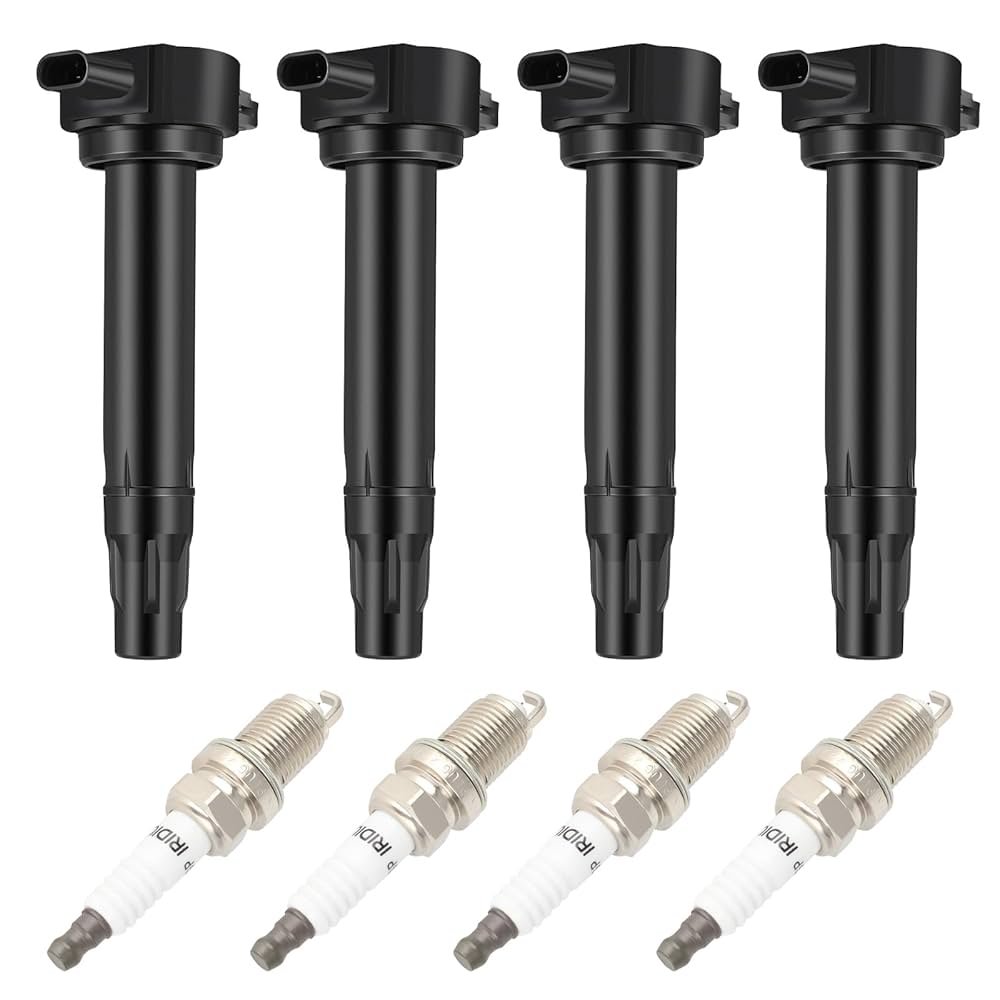
Have you ever wondered what keeps your car running smoothly every time you turn the ignition key? One crucial component hiding under the hood is the spark plug coil.
Understanding what spark plug coils are and how they work can empower you to make better decisions about your vehicle’s maintenance and performance. Imagine effortlessly boosting your car’s efficiency and lifespan just by knowing a bit more about these tiny yet mighty parts.
Intrigued? Get ready to unravel the mystery behind spark plug coils and discover how they play a vital role in keeping your vehicle in top shape. Stay tuned to learn everything you need to keep your engine purring like a kitten.
Credit: www.ebay.ca
Spark Plug Coil Basics
Understanding the basics of spark plug coils is essential if you want to keep your vehicle running smoothly. These small but powerful components play a key role in making sure your engine starts and performs well. Knowing what they do and how they work can help you spot problems early and save on costly repairs.
Role In Ignition System
Your engine needs a spark to ignite the fuel-air mixture inside the cylinders. This is where spark plug coils come in. They generate the high voltage required to create that spark at the right moment.
Without the coil, the spark plugs wouldn’t get enough power, and your engine might misfire or fail to start. Think of the coil as the bridge between your car’s battery and the spark plug, ensuring the ignition system fires correctly every time you turn the key.
How They Work
Spark plug coils work by transforming low battery voltage into the thousands of volts needed to jump the spark plug gap. Inside the coil, wire windings create a magnetic field when current passes through.
When this magnetic field collapses, it produces a high-voltage surge that travels to the spark plug. This surge causes the spark to ignite the fuel mixture in the engine’s cylinder.
Have you ever noticed how a weak or failing coil can cause rough idling or poor fuel economy? That’s because the spark becomes inconsistent, affecting your engine’s performance directly.

Credit: www.amazon.ca
Types Of Spark Plug Coils
Understanding the different types of spark plug coils can help you identify which one suits your vehicle’s needs and maintenance style. Each type has its own design and function, impacting performance and ease of repair. Let’s break down the common types you’ll encounter.
Coil Pack
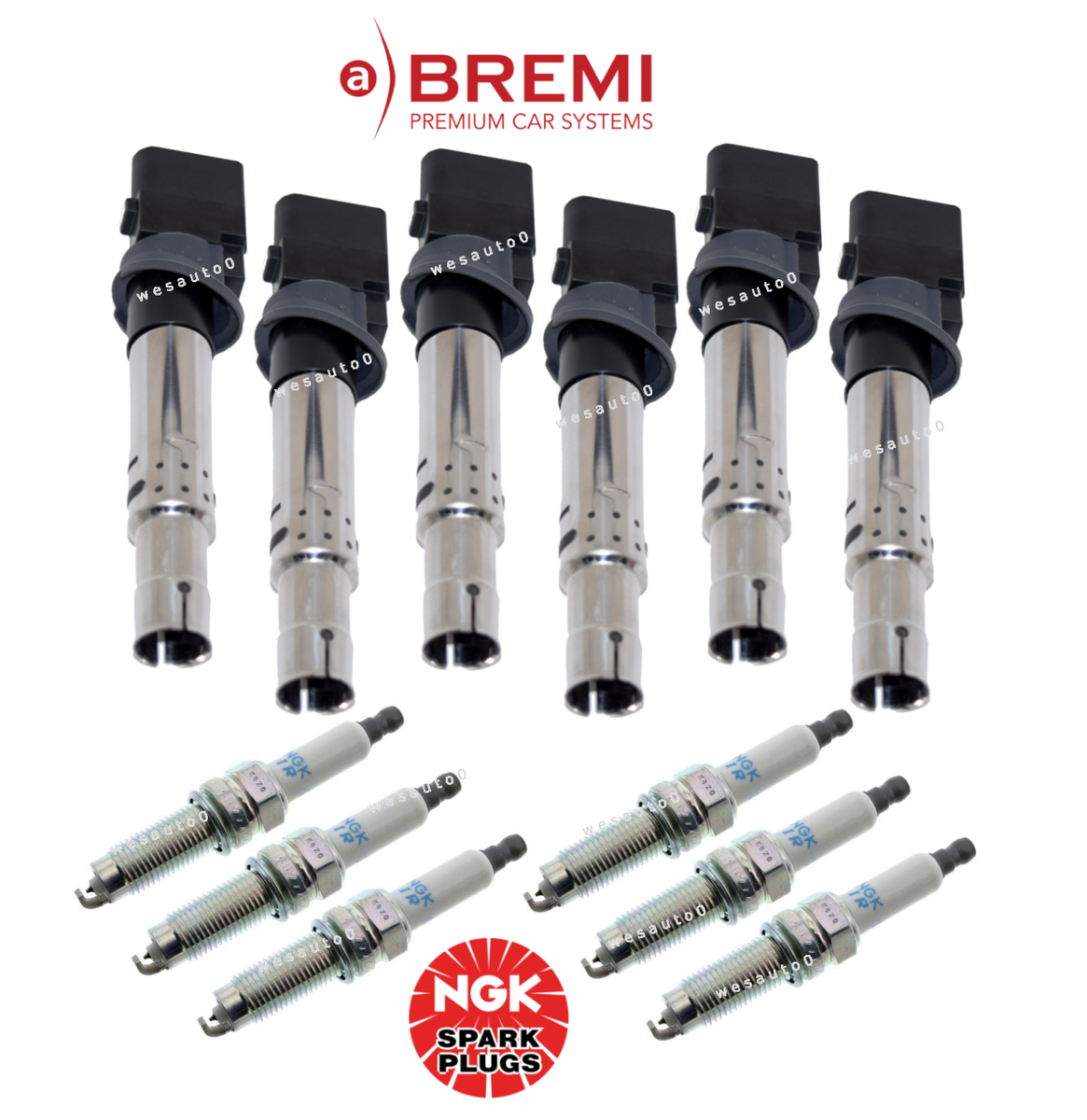
Coil packs group several ignition coils into one unit, each coil serving multiple spark plugs. This design reduces the number of parts and wiring needed, making it easier to maintain than older systems. If your car uses a coil pack, you’ll notice fewer individual coils and a simpler setup under the hood.
Coil packs are common in many modern vehicles because they balance efficiency with reliability. But have you ever wondered why some cars still use older systems? It often comes down to cost and the specific engine design.
Coil-on-plug
Coil-on-plug (COP) systems place an individual ignition coil directly on top of each spark plug. This setup eliminates the need for spark plug wires, reducing energy loss and improving ignition precision. If you’re looking to boost your engine’s responsiveness, this type often provides the best performance.
One upside of COP is easier diagnosis—you can check each coil separately without disturbing others. But it means replacing a coil can be more expensive since you’re dealing with multiple units instead of one pack.
Distributor Coil
Distributor coils are part of older ignition systems where a single coil sends the spark to a distributor, which then routes it to each spark plug. This system uses mechanical parts that wear out over time, requiring more frequent maintenance. If your vehicle still uses this type, you might notice more frequent tune-ups and replacements.
Despite being less common today, distributor coils can be easier to service on classic cars or simpler engines. Do you maintain an older vehicle? Understanding this coil type can save you time and frustration when troubleshooting ignition issues.
Signs Of Faulty Coils
Faulty spark plug coils can cause subtle issues that grow into major engine problems if ignored. Recognizing the early signs helps you avoid costly repairs and keeps your vehicle running smoothly. Let’s look at some common symptoms that indicate your coils might be failing.
Engine Misfires
One of the clearest signs of bad coils is engine misfires. You might feel your car hesitate or jerk while driving, especially during acceleration. These misfires happen because the coil isn’t delivering enough voltage to the spark plugs, causing incomplete combustion.
If you notice the check engine light blinking, don’t just ignore it. A quick diagnostic scan can reveal misfire codes, pointing directly to coil issues. Have you ever experienced a sudden loss of power while driving? That’s a red flag worth checking immediately.
Poor Fuel Economy
When coils don’t work properly, your engine burns fuel inefficiently. You’ll see a drop in miles per gallon even if your driving habits haven’t changed. This happens because misfires and weak sparks waste fuel instead of turning it into energy.
Tracking your fuel costs over a few weeks can help you spot this issue early. If your tank empties faster than usual, it might be time to inspect the ignition system. What would you do if your fuel expenses suddenly rose without explanation?
Starting Issues
Faulty coils can also make your car harder to start. You might notice longer cranking times or multiple attempts before the engine catches. This happens when the coil fails to provide the initial spark needed for ignition.
Cold mornings often make this problem worse since the engine needs a strong spark to fire up. If your car struggles to start only in certain conditions, suspect the coils. How often do you ignore a slow start before deciding to get it checked?
Testing Spark Plug Coils
Testing spark plug coils helps find faults that cause engine problems. Proper testing ensures the ignition system works well. It helps keep your vehicle running smoothly and prevents costly repairs.
Visual Inspection
Start by looking at the spark plug coils closely. Check for cracks, burns, or corrosion on the coil body. Look for damaged wires or loose connections. Clean dirt and oil from the surface. Any visible damage often means the coil needs replacement.
Using A Multimeter
A multimeter measures electrical resistance in spark plug coils. Set the multimeter to the ohms setting. Disconnect the coil and touch the probes to the coil terminals. Compare the reading with the manufacturer’s specifications. Values too high or too low show a faulty coil. Test both primary and secondary windings for accuracy.
Professional Diagnostics
Advanced tools can test spark plug coils more precisely. Mechanics use scan tools to check coil performance under engine conditions. They monitor misfire codes and ignition patterns. This method finds hidden or intermittent problems. Professional diagnostics offer a deeper understanding of coil health.
Replacing Spark Plug Coils
Replacing spark plug coils keeps your engine running smoothly. Faulty coils can cause misfires, poor fuel economy, and rough idling. Changing them can restore engine power and improve performance. The process is simple with the right tools and instructions.
Tools Needed
- Spark plug socket wrench
- Ratchet and extension bar
- Torque wrench
- Screwdriver set
- Dielectric grease
- Gloves and safety glasses
- Service manual for your car
Step-by-step Process
- Disconnect the car battery to avoid electric shock.
- Locate the spark plug coils on the engine.
- Remove the electrical connector from the coil.
- Unscrew the bolts holding the coil in place.
- Gently pull out the old coil from the spark plug.
- Apply a small amount of dielectric grease inside the new coil.
- Install the new coil onto the spark plug.
- Secure the coil with bolts and tighten properly.
- Reconnect the electrical connector to the coil.
- Repeat for all coils that need replacement.
- Reconnect the battery and start the engine to test.
Safety Tips
- Always work on a cool engine to avoid burns.
- Wear gloves to protect your hands from dirt and chemicals.
- Use safety glasses to protect your eyes from debris.
- Disconnect the battery before starting work.
- Handle electrical parts carefully to avoid damage.
- Follow your vehicle’s service manual instructions strictly.
Maintaining Ignition Power
Maintaining ignition power is crucial to keep your engine running smoothly and efficiently. Spark plug coils play a key role in delivering the high voltage needed to ignite the fuel-air mixture inside the engine. If they don’t perform well, you might face engine misfires, poor fuel economy, or difficulty starting your vehicle.
Regular Inspections
Checking your spark plug coils regularly can save you from unexpected breakdowns. Look for signs like cracks, corrosion, or carbon buildup on the coils and connectors. If you notice your engine running rough or hear unusual noises, inspect the ignition system without delay.
Have you ever ignored a small engine hiccup only to have it turn into a costly repair? Catching problems early with visual checks and simple tests can keep your ignition power strong.
Quality Parts
Using high-quality spark plug coils makes a noticeable difference in performance. Cheap or counterfeit parts might save money upfront but often fail quickly and harm your engine. Choose coils from trusted brands that meet your vehicle manufacturer’s specifications.
Think about the last time you replaced a part with a substandard version—did it last? Investing a bit more in quality parts ensures consistent ignition power and fewer repairs down the road.
Driving Habits
Your driving style affects how long spark plug coils last. Frequent short trips, heavy acceleration, or stop-and-go traffic can cause coils to heat up and wear out faster. Try to maintain steady speeds and avoid harsh engine loads when possible.
Have you noticed your car’s performance dipping after city driving? Adjusting your habits can reduce stress on the ignition system and help maintain optimal spark plug coil function.

Credit: www.amazon.ca
Frequently Asked Questions
What Are Spark Plug Coils Used For?
Spark plug coils generate high voltage to ignite the air-fuel mixture. They replace traditional ignition wires, improving efficiency and performance.
How Do Spark Plug Coils Work?
They convert low battery voltage into high voltage. This voltage creates a spark at the spark plug to ignite fuel in the engine.
When Should Spark Plug Coils Be Replaced?
Replace spark plug coils if you experience misfires, rough idling, or poor fuel economy. Typically, replacement is needed every 100,000 miles.
Can Faulty Spark Plug Coils Affect Engine Performance?
Yes, faulty coils cause misfires, reduced power, and poor fuel efficiency. They can also increase emissions and cause engine hesitation.
Conclusion
Spark plug coils play a key role in car engines. They help create the spark needed to start and run the engine. Without good coils, the engine may run poorly or not start at all. Regular checks keep your vehicle running smooth and safe.
Understanding spark plug coils helps you spot problems early. Keep your engine healthy by paying attention to these parts. Simple care can save you time and money later. Spark plug coils may be small, but their job is big.





