Are you tired of pulling and pulling on that lawn mower cord, only to be greeted by silence or a sputtering engine? If your trusty mower is refusing to start, a worn-out spark plug could be the culprit.
But don’t worry, you don’t need to be a mechanic to fix it! Replacing a spark plug is a simple task that you can do yourself, saving you time and a trip to the repair shop. In this guide, we’ll walk you through each step, ensuring your mower roars back to life with ease.
Get ready to transform your lawn care routine and discover how easy it is to give your mower the spark it needs. Let’s dive in and empower you to tackle this task with confidence!
Credit: www.searspartsdirect.com
Tools And Materials Needed
Before you dive into replacing your lawn mower’s spark plug, gathering the right tools and materials is essential. Having everything ready makes the process smoother and helps you avoid unnecessary trips to the store. It also ensures you don’t damage any parts or waste time guessing what you need next.
Spark Plug Specifications
Every lawn mower engine requires a specific spark plug type. Check your mower’s owner’s manual for the exact model number, gap size, and heat range. Using the wrong spark plug can cause poor engine performance or even damage.
If you don’t have the manual, look for a sticker on the mower or search online using your mower’s model number. Knowing the correct spark plug specs before you start saves you from frustration and extra costs.
Required Tools
- Spark Plug Wrench:This tool fits snugly around the spark plug, allowing you to remove and install it easily.
- Gap Gauge:Ensures the spark plug gap matches your mower’s specifications for optimal ignition.
- Socket Wrench or Ratchet:Helps turn the spark plug wrench if it’s a separate piece.
- Screwdriver:Sometimes needed to remove engine covers or access panels.
- Cleaning Brush or Compressed Air:Useful for clearing dirt and debris around the spark plug area before removal.
- Gloves:Protect your hands from dirt and sharp edges.
Have you ever started a project only to realize you’re missing a key tool? Avoid that hassle by double-checking your tool kit beforehand. Setting aside a clean workspace also helps you keep track of small parts like the spark plug.
Preparing The Lawn Mower
Preparing the lawn mower properly makes spark plug replacement easier and safer. This step ensures the mower is ready and prevents damage or injury. It involves checking the mower’s condition and gaining clear access to the spark plug.
Safety Precautions
Always disconnect the spark plug wire before starting any work. This stops the mower from accidentally starting.
Wear gloves to protect your hands from dirt and sharp parts. Avoid loose clothing that can get caught in mower parts.
Make sure the mower is on a flat surface and the engine is cool. Hot parts can burn your skin.
Accessing The Spark Plug
Locate the spark plug by looking near the engine block. It has a thick wire attached to it.
Remove any covers or guards that block access to the spark plug. Use a screwdriver if needed.
Clean the area around the spark plug with a brush or cloth. This keeps dirt from falling into the engine.
Removing The Old Spark Plug
Removing the old spark plug is a crucial step to keep your lawn mower running smoothly. It’s not just about unscrewing a part; it’s about ensuring safety and preparing your mower for a fresh start. If you skip this carefully, you risk damaging the engine or facing trouble during installation.
Disconnecting The Spark Plug Wire
Before touching the spark plug, you need to disconnect the spark plug wire. This wire carries electricity, so pulling it out safely prevents shocks and accidental starts. Grasp the boot—the rubber cover at the wire’s end—not the wire itself, and gently wiggle it off.
If the boot feels stuck, try a slight twisting motion. Avoid using metal tools here; they can damage the wire or create shorts. Have you ever pulled on a wire only to find it frayed or broken? Taking this step slowly saves you from that hassle.
Unscrewing The Spark Plug
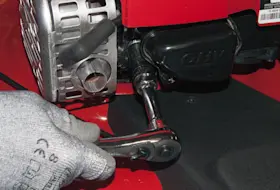
Once the wire is disconnected, it’s time to unscrew the spark plug. Use a spark plug socket wrench, which fits snugly over the plug and gives you the grip you need. Turn counterclockwise to loosen it; it might be tight if it hasn’t been changed in a while.
If the plug resists, don’t force it harshly. Apply steady pressure and try loosening it bit by bit. Imagine struggling with a rusty bolt—patience and the right tool make all the difference. After removing the plug, inspect it closely for wear or damage before discarding.
Inspecting And Choosing A New Spark Plug
Inspecting and choosing the right spark plug is key for your lawn mower’s performance. A good spark plug ensures smooth starts and steady engine running. Before buying a new one, check the old plug carefully. This shows what type of replacement fits best.
Checking The Old Plug’s Condition
Remove the spark plug and look closely at its tip. A clean, light tan color means the engine runs well. Black, oily, or sooty plugs suggest engine problems or too much fuel. Cracks or heavy wear mean the plug must be replaced immediately.
Check the electrode gap with a feeler gauge. If the gap is too wide or narrow, the plug won’t spark properly. Note the plug’s size and brand to find a similar replacement. This helps keep your mower running smoothly.
Selecting The Correct Replacement
Use the lawn mower’s manual to find the exact spark plug type. The manual lists the right size, heat range, and gap. Choose a plug that matches these specs for best results. Avoid cheap or generic plugs that might cause issues.
Look for trusted brands and plugs made for small engines. A good spark plug lasts longer and improves fuel efficiency. Also, check the electrode gap before installing the new plug. Adjust it if needed to fit your mower’s requirements.
Installing The New Spark Plug
Installing the new spark plug is a key step in maintaining your lawn mower’s engine. It ensures the engine runs smoothly and starts easily. Proper installation prevents damage and improves performance.
Take time to set the gap correctly and tighten the spark plug to the right level. These small actions have a big impact on your mower’s operation.
Setting The Gap
The gap between the spark plug electrodes must match the mower’s specifications. This gap controls the spark size for proper ignition.
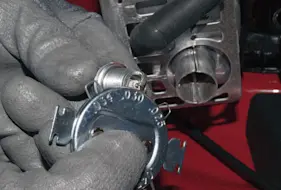
Use a spark plug gap tool or feeler gauge. Gently slide the tool between the electrodes. Adjust the gap by bending the side electrode carefully.
Check the mower manual or spark plug packaging for the correct gap size. Too wide or too narrow can cause poor engine performance.
Threading And Tightening The Plug
Thread the spark plug into the engine by hand first. This prevents cross-threading that can damage the engine block.
Once hand-tight, use a spark plug socket and ratchet to tighten it further. Do not over-tighten, as this can crack the plug or engine threads.
Follow the torque specification found in your mower’s manual. If a torque wrench is not available, tighten the plug about a quarter to half turn after it seats firmly.
Credit: www.searspartsdirect.com
Reconnecting And Testing
After replacing the spark plug, reconnecting and testing your lawn mower is essential to ensure everything works smoothly. This final stage confirms that your efforts have paid off and that your mower is ready for action. Let’s focus on how to properly attach the spark plug wire and start the lawn mower for a successful test.
Attaching The Spark Plug Wire
Begin by firmly pushing the spark plug wire back onto the new spark plug. You should feel it snap or click into place, indicating a secure connection.
A loose wire can cause the mower to misfire or not start at all, so don’t rush this step. If the wire feels worn or damaged, consider replacing it to avoid future problems.
Starting The Lawn Mower
Once the wire is attached, it’s time to start your mower. Make sure the mower is on a flat surface and clear of any debris.
Pull the starter cord or turn the ignition key, depending on your model. If the mower starts smoothly, your spark plug replacement was successful.
If it doesn’t start, double-check the wire connection and spark plug gap. Sometimes, a simple adjustment can make all the difference.
Maintenance Tips
Keeping your lawn mower’s spark plug in good shape is key to smooth starts and efficient mowing. Regular maintenance not only extends the life of your mower but also saves you from unexpected breakdowns. Let’s look at some practical tips that help you know when to check and replace your spark plug.
Regular Spark Plug Checks
Make it a habit to inspect your spark plug at least once every mowing season. This simple check can reveal dirt buildup, corrosion, or worn electrodes that affect performance.
Remove the spark plug and look for any black soot, oil, or cracked porcelain. If you spot these issues, cleaning or replacement might be necessary to avoid hard starts or rough running.
Have you noticed your mower struggling to start after sitting unused for a while? That’s often a sign your spark plug needs some attention.
Signs It’s Time To Replace
- Difficulty Starting:If you pull the starter cord several times with no luck, the spark plug may be failing.
- Engine Misfires:A misfiring engine during mowing often points to a worn or dirty spark plug.
- Poor Fuel Economy:If you’re filling gas more often, the spark plug might not be igniting fuel efficiently.
- Visible Damage:Cracks, heavy carbon deposits, or worn electrodes are clear signs it’s time for a new spark plug.
Pay attention to these signs and replace the spark plug promptly. It’s a small part, but it makes a big difference in your mower’s performance.
Credit: www.searspartsdirect.com
Frequently Asked Questions
How Often Should I Replace Lawn Mower Spark Plugs?
Replace spark plugs every 25 hours of use or annually. Check your mower’s manual for specific intervals. Regular replacement ensures efficient engine performance and easier starts.
What Tools Do I Need To Replace A Spark Plug?
You need a spark plug socket wrench, a ratchet, and a gap gauge. These tools help safely remove and install the spark plug with proper spacing.
How Do I Check If A Spark Plug Is Faulty?
Look for signs like carbon buildup, cracks, or worn electrodes. Also, if your mower struggles to start or runs poorly, the spark plug may be faulty.
Can I Use Any Spark Plug For My Lawn Mower?
No, always use the spark plug type recommended by your mower’s manufacturer. Using the correct plug ensures optimal engine performance and longevity.
Conclusion
Replacing a spark plug keeps your lawn mower running well. It helps the engine start faster and run smoother. Regular checks stop small problems from growing big. Use the right tools and parts for best results. Take your time and follow the steps carefully.
Soon, your mower will be ready to cut grass again. A small fix can save you time and money. Try this simple task to keep your mower healthy.





