Are you tired of your push mower sputtering and stalling just when you need it most? If you’re nodding your head, it might be time to change your spark plug.
This small but crucial component plays a big role in ensuring your mower runs smoothly and efficiently. You don’t need to be a mechanic to swap it out; with a few simple steps, you can do it yourself and extend the life of your trusty mower.
In this guide, you’ll discover how to change the spark plug on your push mower with ease. Get ready to embrace the satisfaction of fixing it yourself and enjoy a perfectly manicured lawn every time. Stick around—your mower will thank you!
Credit: www.familyhandyman.com
Tools Needed
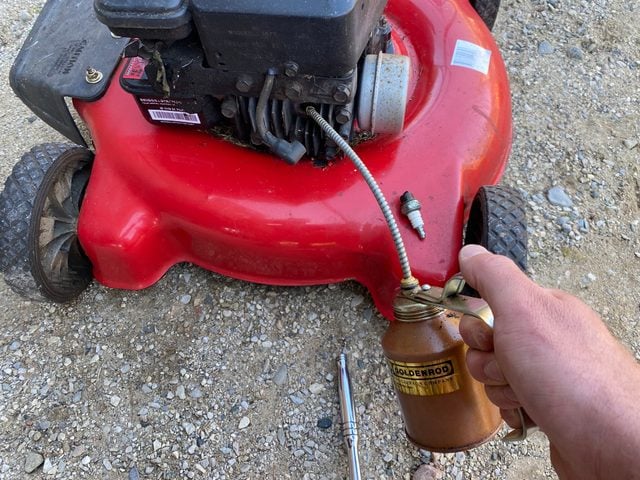
Changing the spark plug on a push mower requires a few simple tools. Having the right tools makes the job easier and faster. These tools help you remove, clean, and install the spark plug correctly. Gather them before you start to avoid any interruptions.
Spark Plug Wrench
A spark plug wrench fits the spark plug perfectly. It helps you loosen and tighten the plug without damage. Most spark plug wrenches have a rubber insert to grip the plug firmly. Using this wrench prevents slipping and makes the task safer.
Socket Set
A socket set includes different sizes of sockets. It helps when the spark plug wrench does not fit or if your mower has a unique plug size. Choose the right socket size for your spark plug to avoid stripping the plug.
Gap Gauge
The gap gauge measures the spark plug gap. This gap affects the spark plug’s performance. Adjusting the gap to the correct size ensures your mower runs smoothly. The gauge is a small tool but very important for proper tuning.
Cleaning Brush
A cleaning brush removes dirt and debris from the spark plug area. Keeping the area clean prevents engine problems. Use a wire or nylon brush to clean the plug itself before reinstalling. Clean parts help the mower work better and last longer.
Credit: www.searspartsdirect.com
Preparing The Mower
Preparing your push mower before changing the spark plug is essential. This step ensures safety and makes the task easier. Proper preparation prevents accidents and protects the mower’s engine. Follow these steps carefully to get your mower ready.
Safety Precautions
Always wear gloves to protect your hands. Make sure the mower is on a flat surface. Avoid loose clothing that could get caught in moving parts. Keep children and pets away from the work area. Work in a well-ventilated place to avoid inhaling fumes.
Disconnecting The Spark Plug Wire
Locate the spark plug wire on the engine. Gently pull the wire boot off the spark plug. Do not pull on the wire itself to avoid damage. This step stops the engine from accidentally starting. It is a key safety measure before any repair.
Positioning The Mower
Tip the mower onto its side carefully. Make sure the air filter is facing up to prevent oil leaks. Use a cloth to protect the mower’s surface. This position gives easy access to the spark plug. Keep the mower steady to avoid spills or falls.
Removing The Old Spark Plug
Removing the old spark plug is a crucial step in maintaining your push mower. It ensures that the engine runs smoothly and efficiently. Taking the time to properly remove the spark plug can save you from unnecessary repairs down the road.
Locating The Spark Plug
Start by locating the spark plug on your push mower. It’s usually found on the side of the engine, connected to a thick wire called the spark plug wire.
Look for a small, cylindrical metal part with a rubber boot covering the top. If you’re unsure, check your mower’s manual—it often includes a clear diagram.
Loosening The Spark Plug
Before loosening the spark plug, make sure your mower is off and cooled down to avoid burns. Grip the spark plug wire firmly and pull it off the spark plug; twisting gently can help if it feels stuck.
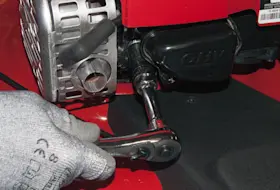
Use a spark plug socket or a wrench that fits snugly around the plug. Turn counterclockwise to loosen it. If it feels tight, don’t force it—applying penetrating oil and waiting a few minutes can ease the process.
Extracting The Plug
Once loosened, carefully unscrew the spark plug by hand or with the wrench. Keep a firm grip to avoid dropping it into hard-to-reach spots.
Inspect the plug as you remove it. Noticing heavy soot or damage can tell you more about your mower’s condition and if further maintenance is needed.
Have you ever found unexpected debris or corrosion on a spark plug? That’s a clear sign it’s time for a replacement and a good reminder to keep your mower clean.

Credit: www.youtube.com
Inspecting And Cleaning
Inspecting and cleaning the spark plug is a crucial part of maintaining your push mower’s engine. A well-maintained spark plug ensures smooth starting and efficient running, saving you frustration and time. Taking the time to carefully examine and clean this small component can prevent bigger issues down the road.
Checking For Wear And Damage
Start by removing the spark plug and examining its condition closely. Look for signs of wear such as rounded or eroded electrodes, which can reduce the spark quality. Also, check for cracks in the ceramic insulator or heavy carbon buildup that could indicate engine problems.
Have you ever noticed your mower hesitating or struggling to start? A worn or damaged spark plug is often the culprit. If the electrodes are too worn or the plug looks damaged, it’s best to replace it rather than attempt cleaning.
Cleaning The Spark Plug Area
Before reinstalling the spark plug, clean the area around the spark plug hole to prevent debris from falling into the engine. Use a small brush or compressed air to clear dirt and grass clippings carefully.
Next, gently clean the spark plug itself with a wire brush or spark plug cleaner to remove carbon deposits. Avoid using harsh abrasives that can damage the electrodes. A clean spark plug improves ignition efficiency and helps your mower run smoothly.
Installing The New Spark Plug
Installing the new spark plug is a crucial step in maintaining your push mower. Proper installation ensures the engine runs smoothly and starts easily. Follow these simple steps to secure your new spark plug correctly.
Checking And Setting The Gap
The spark plug gap is the small space between the center and side electrodes. This gap affects engine performance.
- Use a spark plug gap tool or feeler gauge.
- Check the gap size recommended in your mower’s manual.
- Gently bend the side electrode to adjust the gap if needed.
- Make sure the gap is neither too wide nor too narrow.
Threading The New Plug
Thread the new spark plug carefully into the engine’s cylinder head. This prevents damage to the threads.
- Align the spark plug with the hole.
- Turn it by hand clockwise to avoid cross-threading.
- Do not force the plug; it should screw in smoothly.
Tightening The Spark Plug
Tighten the spark plug to secure it but avoid over-tightening. Proper torque keeps the plug sealed and prevents damage.
- Use a spark plug wrench or socket for tightening.
- Tighten until snug, then give a slight additional turn.
- Follow torque specifications in your mower’s manual if available.
Reconnecting And Testing
After replacing the spark plug on your push mower, reconnecting and testing are vital steps. These ensure the mower runs smoothly and the new spark plug works properly. Proper reconnection avoids damage and keeps the engine safe.
Reattaching The Spark Plug Wire
Take the spark plug wire and carefully push it onto the top of the spark plug. Ensure it fits snugly to make a solid connection. Avoid pulling on the wire itself; hold the boot when attaching or removing it. A loose connection can cause the mower to misfire or not start.
Starting The Mower
Move the mower to a safe, open area before starting. Pull the starter cord firmly and steadily. Listen for the engine to catch and run smoothly. If the engine starts and runs without sputtering, the spark plug is installed correctly. Let the mower run for a few minutes to check stability.
Troubleshooting Common Issues
- Engine won’t start: Check if the spark plug wire is fully connected.
- Engine sputters or runs rough: The spark plug gap may be incorrect.
- Pull cord hard to pull: The spark plug might be damaged or wrong type.
- Excessive smoke: The spark plug could be fouled or dirty.
Replace or adjust the spark plug if issues persist. Regular maintenance prevents many problems and keeps your mower reliable.
Frequently Asked Questions
How Often Should I Change Spark Plugs On A Push Mower?
You should change spark plugs annually or after 25 hours of use. Regular replacement ensures optimal engine performance and easier starts.
What Tools Are Needed To Change A Spark Plug?
You need a spark plug socket, ratchet wrench, and possibly a gap gauge. These tools help remove and install the spark plug correctly.
How Do I Check If My Spark Plug Is Faulty?
Look for signs like engine misfires, hard starts, or poor performance. Inspect the plug for carbon buildup, cracks, or worn electrodes.
Can I Use Any Spark Plug For My Push Mower?
No, always use the spark plug specified in your mower’s manual. Using the wrong plug can harm engine performance or cause damage.
Conclusion
Changing the spark plug on your push mower is simple and quick. Regular checks keep your mower running well. A clean, new spark plug helps the engine start easily. Use the right tools and follow safety steps. This small task saves money and avoids bigger problems.
Keep your mower ready for any mowing job. Try it yourself and enjoy smoother lawn care.





