
Are you curious about what goes on under the hood of your car? You might have heard about spark plugs, but do you really know what they do?
Understanding this small yet essential component can make all the difference in how your vehicle performs. Picture this: you’re driving smoothly on a sunny day, enjoying the ride. Suddenly, your car starts to sputter. Could it be that tiny spark plug causing the trouble?
By the end of this article, you’ll know exactly how spark plugs work and why they are crucial for your car’s engine. Stick around, and let’s unravel the mystery of what a spark plug does, ensuring your next drive is as smooth as ever.
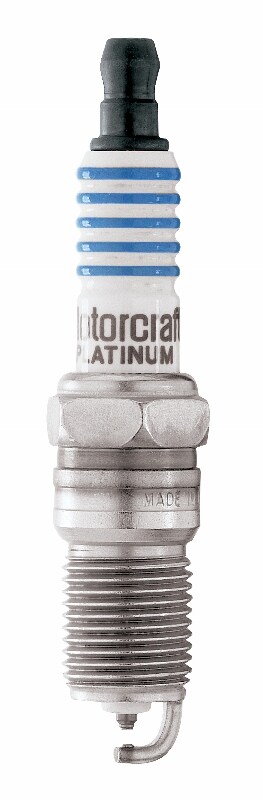
Credit: www.billcolwellford.com
Role In Engine Combustion
The spark plug plays a vital role in engine combustion. It is the key part that starts the burning process inside the engine. Without it, the engine cannot create power. The spark plug ensures the air and fuel mix ignites at the right moment. This process drives the engine to run smoothly and efficiently.
Igniting The Air-fuel Mixture
The spark plug ignites the air-fuel mixture in the engine cylinder. It produces a tiny spark that lights the mixture. This spark triggers combustion, creating the force needed to move the pistons. The power from this process turns the wheels and powers the vehicle.
Creating The Spark
The spark plug creates a spark by sending electricity through a small gap. The electrical energy jumps across this gap, forming a spark. This spark must be strong and timed well to ignite the mixture. The spark plug’s design helps produce a consistent spark every time.
Timing And Engine Performance
The spark plug’s timing affects engine performance greatly. The spark must occur at the perfect moment during the piston’s movement. Proper timing ensures full combustion and better fuel efficiency. Poor timing causes engine misfires, rough idling, and lower power output.

Credit: carfromjapan.com
Types Of Spark Plugs
Spark plugs come in different types, each designed for specific engine needs. Choosing the right type can affect your engine’s performance and fuel efficiency. Understanding the main types helps you make better decisions for maintenance or upgrades.
Copper Spark Plugs
Copper spark plugs have a solid copper core. They offer excellent conductivity and strong sparks. These plugs are usually cheaper and work well in older engines. However, they wear out faster and need frequent replacement.
Platinum Spark Plugs
Platinum spark plugs last longer than copper ones. They have a platinum disc on the electrode tip. This material resists wear and reduces gap erosion. Platinum plugs provide better performance and fuel economy over time.
Iridium Spark Plugs
Iridium spark plugs use a very hard metal on the tip. Iridium is stronger and lasts longer than platinum. These plugs create a more focused spark for better ignition. They improve starting, reduce fuel use, and lower emissions.
Impact On Engine Power
The spark plug plays a key role in how much power your engine produces. It ignites the air and fuel mix inside the cylinder. This small spark controls the strength and smoothness of each engine stroke. A good spark plug helps the engine run at its best. Poor spark plugs can lower engine power and cause rough running.
Optimizing Combustion Efficiency
The spark plug creates a spark that lights the fuel-air mixture precisely. This quick ignition leads to better fuel burning. Proper combustion means the engine gets more energy from each drop of fuel. This boosts overall engine power and fuel economy. Efficient combustion also reduces harmful emissions.
Reducing Misfires
Misfires happen when the spark plug fails to ignite the mixture. This wastes fuel and reduces engine power. A strong, consistent spark prevents misfires. It keeps the engine running smooth and steady. Reducing misfires also protects engine parts from damage.
Enhancing Acceleration
A healthy spark plug helps the engine respond faster to the gas pedal. The quick spark improves throttle response and power delivery. This makes acceleration smoother and quicker. Weak or worn spark plugs slow down engine response and feel sluggish.
Influence On Fuel Efficiency
The spark plug plays a crucial role in how efficiently your engine uses fuel. Its condition and performance directly affect fuel consumption and overall engine health. Understanding this influence can help you keep your vehicle running smoothly and save money at the pump.
Improving Fuel Burn
A well-functioning spark plug ensures the fuel-air mixture ignites properly in the engine’s cylinder. This leads to a more complete and efficient burn of fuel, which means your engine gets the most power from every drop of gas.
If the spark plug is worn out or fouled, the ignition becomes weak or inconsistent. This causes incomplete combustion, wasting fuel and reducing engine efficiency. Have you noticed your car using more fuel after a long time? It might be time to check your spark plugs.
Lowering Emissions
Efficient fuel burn also means cleaner exhaust emissions. When the spark plug fires correctly, it helps reduce harmful gases like carbon monoxide and unburned hydrocarbons. This not only benefits the environment but can also help your vehicle pass emissions tests.
Ignoring spark plug maintenance can cause your engine to emit more pollutants. Cleaner combustion keeps your vehicle eco-friendlier and can even improve air quality around you. Isn’t it worth a quick check to reduce your carbon footprint?
Extending Engine Life
Proper ignition timing and complete fuel burn reduce stress on engine components. This helps prevent carbon buildup and overheating, which can damage pistons, valves, and other parts over time.
By keeping your spark plugs in good shape, you protect your engine from unnecessary wear and tear. This can save you costly repairs and keep your vehicle running longer. How often do you inspect your spark plugs to avoid unexpected breakdowns?
Signs Of A Failing Spark Plug
Spark plugs play a key role in your engine’s performance. Over time, they can wear out and cause issues. Recognizing the signs of a failing spark plug helps avoid bigger problems. Watch for these common symptoms that signal a spark plug needs attention.
Rough Idling And Engine Misfires
A failing spark plug often causes rough idling. The engine may shake or sound uneven while idling. Misfires occur when the spark plug fails to ignite the fuel properly. This leads to jerky acceleration and poor engine response.
Reduced Fuel Economy
Worn spark plugs can lower your fuel efficiency. The engine burns more fuel to compensate for weak sparks. This results in more frequent trips to the gas station. Keeping spark plugs in good condition helps save fuel costs.
Difficulty Starting The Engine
Struggling to start your vehicle can indicate spark plug problems. Faulty plugs cause weak or no sparks. The engine may crank longer before starting or fail to start at all. Replacing spark plugs can restore easy engine starts.
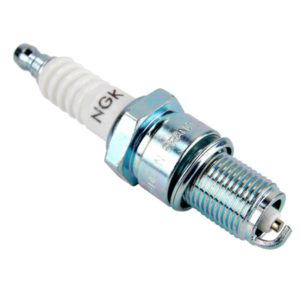
Credit: www.themotorombudsman.org
Maintenance And Replacement Tips
Maintaining your spark plugs is key to keeping your engine running smoothly. Neglecting them can lead to rough idling, poor fuel economy, and even engine misfires. Knowing when to replace and how to choose the right spark plug can save you time and money while boosting your car’s performance.
When To Replace Spark Plugs
Most spark plugs last between 30,000 and 100,000 miles, but this depends on your vehicle and the type of spark plug used. If you notice symptoms like difficulty starting your engine, decreased fuel efficiency, or engine misfires, it might be time for a replacement.
Check your owner’s manual for specific recommendations. Regular inspection during oil changes can help catch wear early. Don’t wait for a complete failure—replacing spark plugs at the right time keeps your engine healthy.
Choosing The Right Spark Plug
Not all spark plugs are the same. Using the wrong type can hurt your engine’s performance or cause damage. Look for plugs that match your car’s specifications and driving habits.
- Material:Copper plugs heat quickly but wear out faster.
- Iridium and platinum:Last longer and provide better performance but cost more.
- Heat range:A plug with the correct heat range prevents fouling and overheating.
Ask yourself: Are you driving mostly in city traffic or on highways? Your driving style affects the ideal spark plug choice.
Installation Best Practices
Proper installation ensures your new spark plugs perform well and last. Start by cleaning the area around the spark plug hole to avoid debris falling into the engine.
Use a torque wrench to tighten plugs to the manufacturer’s recommended specification. Over-tightening can damage the threads, while under-tightening may cause poor engine compression.
Applying a small amount of anti-seize compound on the threads can help with future removal, but avoid getting it on the electrode. Double-check the gap with a spark plug gap tool to ensure it matches your vehicle’s requirements before installation.
Frequently Asked Questions
What Is The Main Function Of A Spark Plug?
A spark plug ignites the air-fuel mixture inside an engine’s cylinder. This ignition starts the combustion process that powers the vehicle.
How Does A Spark Plug Affect Engine Performance?
A clean, functioning spark plug ensures efficient combustion. This improves fuel economy, engine power, and reduces emissions.
When Should Spark Plugs Be Replaced?
Replace spark plugs every 30,000 to 100,000 miles, depending on type and vehicle. Worn plugs cause misfires and poor performance.
Can Faulty Spark Plugs Cause Engine Problems?
Yes, bad spark plugs lead to rough idling, hard starts, and reduced fuel efficiency. Timely replacement prevents these issues.
Conclusion
A spark plug starts the engine by creating a small spark. This spark lights the fuel and air mix inside the engine. Without it, the engine won’t run. Spark plugs also help keep the engine clean and efficient. Regular checks can prevent engine problems and save money.
Knowing what a spark plug does helps you care for your vehicle better. Simple but important parts like spark plugs keep cars moving smoothly. Keep them in good shape for a reliable drive every time.





