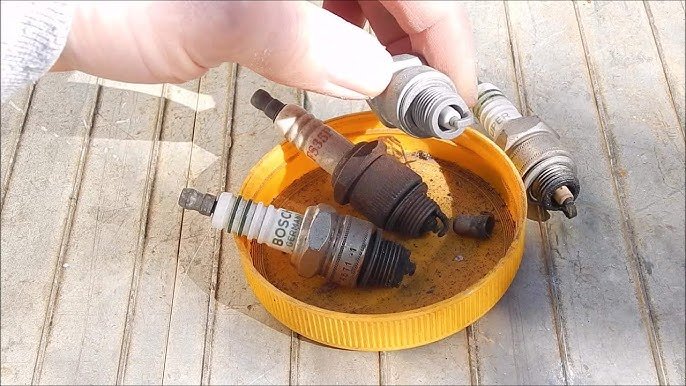
Are your engine’s performance and fuel efficiency not quite up to speed? The culprit might just be a dirty spark plug.
This tiny component plays a massive role in keeping your engine running smoothly. When neglected, it can lead to misfires, sluggish starts, and even higher fuel consumption. But before you rush to the mechanic, consider this: cleaning your spark plug is a simple task that you can handle yourself.
Imagine the satisfaction of improving your vehicle’s performance with just a bit of elbow grease. Ready to uncover the secrets to a cleaner, more efficient engine? Let’s dive into the easy steps you need to take to clean your spark plug and get your ride back to its peak condition.

Credit: www.youtube.com
Tools And Materials Needed
Gathering the right tools and materials is the first step to effectively clean a spark plug. Having everything ready saves you time and ensures you do a thorough job. Let’s look at what you’ll need to get started.
Essential Cleaning Tools
- Wire Brush:A wire brush helps remove carbon deposits and grime from the spark plug’s surface. It’s the most common tool for cleaning.
- Spark Plug Cleaner or Carburetor Cleaner:These sprays dissolve stubborn dirt and buildup. They make scrubbing easier and more effective.
- Compressed Air:Blowing compressed air clears away loosened debris and dust from the spark plug’s crevices.
- Socket Wrench with Spark Plug Socket:This tool removes and re-installs the spark plug without damaging it.
- Gap Gauge:After cleaning, checking the spark plug gap is crucial for proper engine performance.
Safety Gear
Protecting yourself is just as important as cleaning the spark plug correctly. You’ll want to wear gloves to avoid skin irritation from chemicals and dirt. Safety glasses guard your eyes from flying debris and cleaning sprays.
Make sure you work in a well-ventilated area to avoid inhaling harmful fumes. Have a fire extinguisher nearby if you’re working around flammable sprays. Have you ever underestimated the importance of safety and paid the price? Don’t let that happen here.
Replacement Parts Checklist
Sometimes, cleaning isn’t enough, and you may need to replace parts. Keep a new spark plug on hand in case the old one is too worn or damaged. Also, have dielectric grease ready to protect the spark plug’s connection from moisture and corrosion.
Double-check your vehicle’s manual for the correct spark plug type and gap settings. Having the right parts avoids unnecessary trips to the store and keeps your project moving smoothly.

Credit: www.reddit.com
Removing The Spark Plug
Removing the spark plug is a crucial first step before you can clean it effectively. Handling this part carefully prevents damage and ensures your engine runs smoothly afterward. Knowing exactly where it is and how to detach it properly can save you time and frustration.
Locating The Spark Plug
Finding the spark plug might seem tricky if you’re new to engine maintenance. Usually, spark plugs are screwed into the cylinder head of the engine. Look for thick wires leading to small metal caps – those caps cover the spark plugs.
If your engine has multiple cylinders, there will be several spark plugs arranged in a row or circle. Removing the engine cover can give you a clearer view. Have you checked your vehicle’s manual? It often shows the exact location.
Disconnecting The Spark Plug Wire
Before you unscrew the spark plug, you must disconnect the spark plug wire safely. Grip the boot (the rubber part) firmly and pull it off; do not pull the wire itself. Pulling the wire can damage the connection and cause poor engine performance later.
If the boot is stuck, wiggle it gently while pulling. Sometimes, applying a little spray lubricant helps ease the removal. Did you know that handling this step carefully can extend the life of your ignition system?
Using The Right Socket
Using the correct socket is key to removing the spark plug without damaging it. A spark plug socket has a rubber insert or a magnet inside to hold the plug securely. This prevents the spark plug from falling and breaking as you remove it.
Typically, spark plug sockets come in sizes like 5/8” or 13/16”. Check your spark plug’s size before starting. Using a regular socket can strip the plug or make it difficult to turn. Do you have a spark plug socket set ready? If not, it’s a small investment that pays off.
Inspecting The Spark Plug
Inspecting your spark plug is a crucial part of maintaining your engine’s performance. A careful look can reveal signs of trouble before they cause bigger issues. Knowing exactly what to check helps you decide whether cleaning will do or if replacement is necessary.
Checking For Wear And Damage
Start by looking at the spark plug’s electrode and insulator. Is the electrode rounded or worn down? Sharp edges are important for creating a strong spark.
Also, check the insulator for cracks or chips. Damage here can cause misfires and poor engine performance. If you spot any physical damage, it’s a clear sign the spark plug needs replacing.
Identifying Deposits And Corrosion
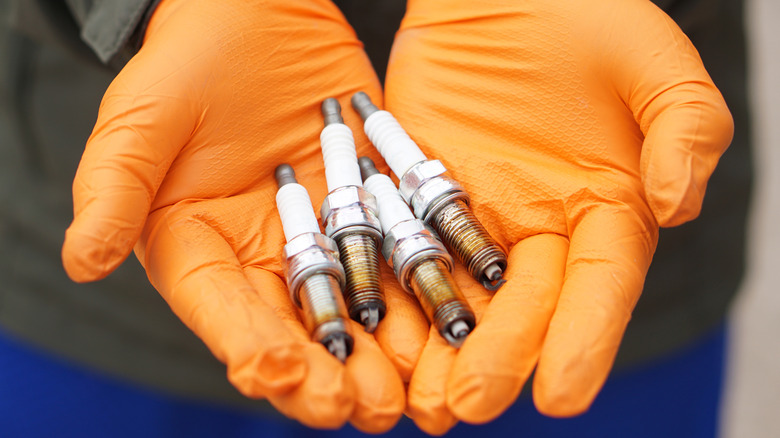
Look closely for any buildup on the spark plug’s tip. Deposits can be oily, black, white, or even rusty. Each color tells you something different about your engine’s condition.
- Black soot:Indicates a rich fuel mixture or weak ignition.
- White or light gray deposits:Suggest engine overheating or lean fuel mixture.
- Rust or corrosion:Usually from moisture, signaling poor sealing or exposure to water.
Cleaning these off can sometimes restore spark plug function, but heavy deposits often mean replacement is a better option.
Deciding When To Replace
Ask yourself: Is the spark plug’s condition affecting your engine’s performance? If you notice frequent misfires, poor fuel efficiency, or difficulty starting, the spark plug might be the culprit.
Even without visible damage, spark plugs wear out over time. Check your vehicle’s manual for recommended replacement intervals, but don’t hesitate to replace a plug that looks worn or fouled.
Remember, a clean and healthy spark plug ensures smoother rides and saves you from costly engine repairs later on.
Credit: www.jalopnik.com
Cleaning Techniques
Cleaning your spark plug properly can save you from unnecessary replacements and improve engine performance. The right cleaning techniques remove grime and carbon build-up without harming the delicate parts of the plug. Let’s dive into some effective ways to get your spark plug clean and ready to fire.
Using A Wire Brush
A wire brush is a simple tool that can quickly clear off carbon deposits on the spark plug’s electrodes and threads. Use gentle strokes to avoid scratching the ceramic insulator or bending the electrode. You’ll find that a brass wire brush works best because it’s firm enough to clean but soft enough not to damage the metal parts.
Remember to hold the spark plug firmly while brushing. Have you noticed how stubborn some deposits can be? Keep brushing until the metal parts look shiny and free of residue, but stop if the ceramic starts to chip.
Applying Spark Plug Cleaner
Spark plug cleaner sprays are designed to dissolve tough carbon build-up efficiently. Spray the cleaner directly on the electrodes and threads, then let it sit for a few minutes to break down grime. Afterward, wipe the plug with a clean cloth or use compressed air to remove loosened debris.
These cleaners are especially helpful when the deposits are hard and thick. If you want a quick, chemical-assisted cleaning, this is a reliable option that saves scrubbing time.
Avoiding Damage During Cleaning
It’s easy to damage your spark plug if you’re not careful during cleaning. Avoid using harsh abrasives or excessive force that can scratch the insulator or bend the electrode. Never use sharp metal tools that might chip the ceramic or deform the tip.
Also, be cautious with cleaners containing strong chemicals—always follow the instructions and wear gloves. Have you ever rushed a cleaning only to find your spark plug cracked afterward? Taking your time pays off in the long run.
Reinstalling The Spark Plug
Reinstalling the spark plug is a crucial step to ensure your engine runs smoothly after cleaning. If done incorrectly, it can lead to poor engine performance or even damage. Pay close attention to detail during this process to get the best results.
Setting The Correct Gap
The gap between the spark plug electrodes must be just right for optimal ignition. Too wide or too narrow can cause misfires or inefficient combustion.
Use a feeler gauge to measure the gap, adjusting it carefully by bending the side electrode if needed. Check your vehicle’s manual for the exact gap specification—this small step can save you from major engine troubles.
Proper Threading And Tightening
Carefully thread the spark plug into the engine by hand first to avoid cross-threading. If it feels stuck or forced, back it out and try again.
Once hand-tight, use a torque wrench to tighten it to the manufacturer’s recommended torque. Over-tightening can strip the threads, while under-tightening may cause poor sealing or loosening over time.
Reconnecting The Spark Plug Wire
After the spark plug is secured, reconnect the spark plug wire firmly. You should hear or feel a click as it snaps into place, ensuring a solid connection.
Loose connections can lead to weak sparks or engine misfires, so double-check before you finish. Have you ever had your engine stall because of a loose wire? This step can prevent that frustration.
Tips For Maintaining Spark Plug Performance
Maintaining spark plug performance keeps your engine running smoothly. Simple care can prevent misfires and improve fuel efficiency. Follow these practical tips to ensure your spark plugs last longer and work better.
Regular Inspection Schedule
Check spark plugs every 10,000 to 15,000 miles. Look for signs of wear, such as buildup or corrosion. Clean or replace plugs if you notice damage or poor spark. Regular inspections catch problems early and save costly repairs.
Fuel And Oil Considerations
Use the right fuel grade for your engine. Low-quality fuel can cause deposits on spark plugs. Avoid oil leaks, as oil can foul plugs and reduce performance. Keep your engine clean and well-maintained for best results.
When To Seek Professional Help
Struggling with frequent misfires or hard starts? No improvement after cleaning spark plugs? Time for a mechanic’s diagnosis. Professionals can spot deeper issues like ignition or fuel system problems. Don’t delay fixing engine troubles beyond spark plugs.
Frequently Asked Questions
How Often Should I Clean Spark Plugs?
Cleaning spark plugs every 30,000 miles helps maintain engine performance. Regular cleaning prevents misfires and improves fuel efficiency. Check your vehicle’s manual for specific intervals.
What Tools Are Needed To Clean Spark Plugs?
You need a wire brush, spark plug socket, cleaning spray, and a gap gauge. These tools help remove deposits and check electrode gaps accurately.
Can I Clean Spark Plugs Without Removing Them?
It’s best to remove spark plugs for thorough cleaning. Cleaning without removal risks damaging the ignition system and may not remove all deposits.
What Causes Spark Plugs To Get Dirty Quickly?
Oil leaks, carbon buildup, and poor fuel quality cause quick dirt buildup. These issues affect spark plug performance and require regular maintenance.
Conclusion
Cleaning a spark plug helps your engine run smoother and last longer. It saves money by avoiding early replacements. Regular checks keep your vehicle in good shape. Use the right tools and follow steps carefully. A clean spark plug means better fuel efficiency and less pollution.
Small effort, big results. Keep your engine happy and healthy with simple care. Try it yourself and see the difference. Easy, quick, and worth it.





