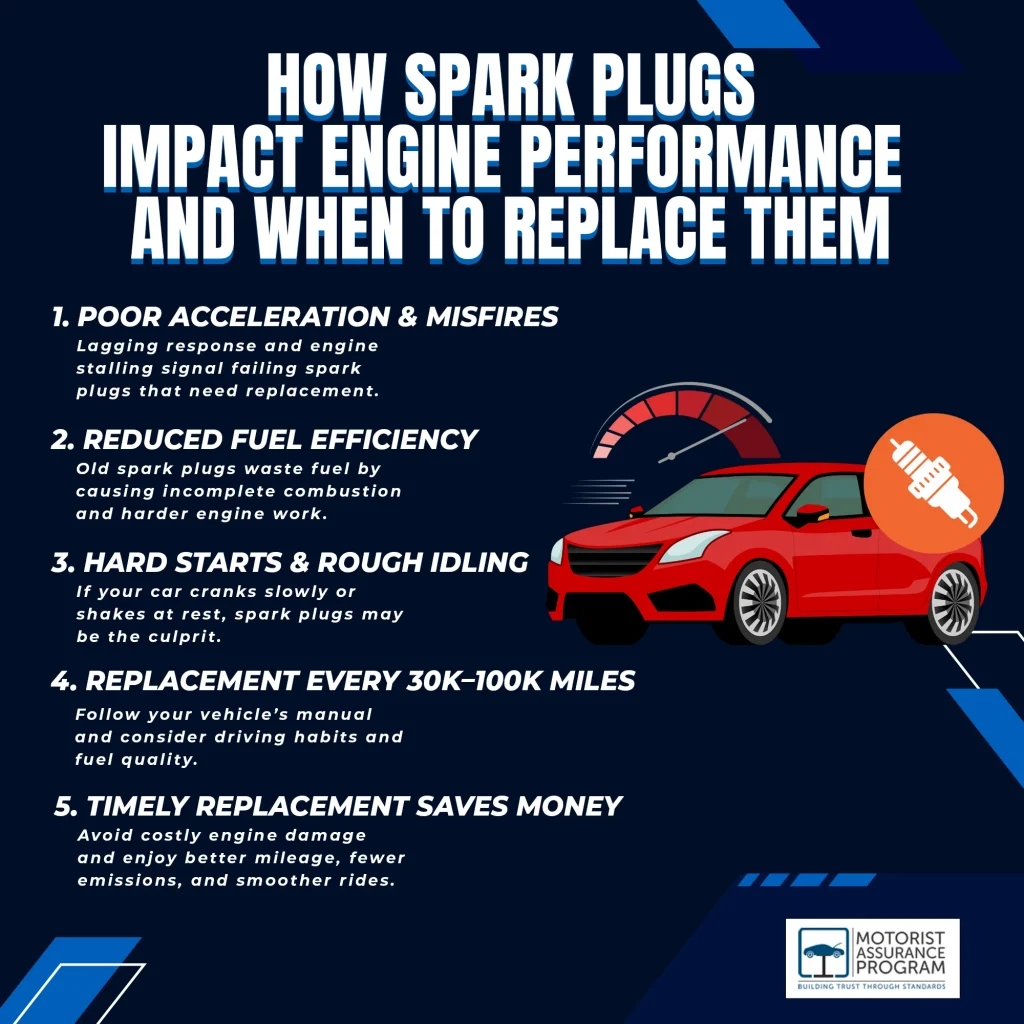
Have you ever wondered why your car feels a bit sluggish or why your fuel efficiency has taken a sudden dip? The culprit might be hiding right under your hood—your spark plugs.
These small but mighty components play a crucial role in keeping your engine running smoothly. Knowing when to change your car’s spark plugs can save you from unexpected breakdowns and costly repairs. You’ll uncover the telltale signs that it’s time for a change and learn how keeping your spark plugs in top shape can enhance your driving experience.
Ready to rev up your knowledge and keep your car performing at its best? Let’s get started!
Signs Of Worn Spark Plugs
Worn spark plugs affect your car’s performance and fuel use. They cause problems that are easy to notice. Catching these signs early saves money and keeps your car running smoothly.
Engine Misfires And Rough Idling
A worn spark plug can cause the engine to misfire. The engine may jerk or hesitate while driving. You might feel the car shake when stopped. Rough idling means the engine runs unevenly and sounds off.
Difficulty Starting The Car
Old spark plugs make it harder to start the engine. You may hear extra cranking or a delay before it starts. This happens because the spark plug struggles to ignite fuel efficiently.
Reduced Fuel Efficiency
Worn spark plugs lower your gas mileage. The engine burns more fuel to compensate. You will notice more visits to the gas station. This wastes money and adds pollution.
Unusual Engine Noises
Listen for knocking or pinging sounds from the engine. These noises often point to spark plug issues. The engine may sound louder or rougher than usual. Strange sounds mean it’s time to check the plugs.

Credit: beachautomotive.com
Recommended Replacement Intervals
Knowing the recommended replacement intervals for spark plugs helps maintain your car’s performance. Changing spark plugs at the right time avoids engine problems and improves fuel efficiency. Intervals vary depending on car make, spark plug type, and driving conditions. Following proper guidelines keeps your engine running smoothly.
Manufacturer Guidelines
Car makers provide specific spark plug replacement schedules. These are found in the owner’s manual. Most suggest changing spark plugs between 30,000 and 100,000 miles. Some modern cars with advanced plugs can go longer. Sticking to these guidelines ensures the engine stays healthy and efficient.
Differences By Spark Plug Type
There are several spark plug types, each with different lifespans:
- Copper plugs last about 20,000 to 30,000 miles.
- Platinum plugs can last up to 60,000 miles.
- Iridium plugs have the longest life, often 100,000 miles or more.
Choosing the right plug affects how often replacements are needed. High-quality plugs cost more but save money over time.
Factors Affecting Replacement Frequency
Driving habits and conditions change how fast spark plugs wear out. Short trips and stop-and-go traffic cause faster wear. Dusty or wet environments can also reduce spark plug life. Engine problems like misfires or rough idling signal a need to check plugs sooner. Regular inspections help catch issues early.
Impact On Car Performance
Car spark plugs play a crucial role in engine performance. They ignite the air-fuel mixture inside the cylinders. Worn or dirty spark plugs can cause several performance issues. Recognizing these signs helps maintain your vehicle’s health and efficiency.
Acceleration And Power Loss
Old spark plugs cause weak sparks. This weak spark reduces engine power. Your car may struggle to accelerate quickly. You might notice a slower response when pressing the gas pedal. Smooth driving becomes difficult, especially on hills or highways.
Emissions And Environmental Effects
Faulty spark plugs lead to incomplete fuel burning. This increases harmful emissions from your vehicle. More unburned fuel means more pollution in the air. It also risks failing emissions tests during inspections. Clean spark plugs help your car run cleaner and greener.
Fuel Economy Decline
Worn spark plugs decrease fuel efficiency. The engine uses more fuel to run smoothly. This means more trips to the gas station. Saving fuel starts with well-maintained spark plugs. Changing them on time keeps your fuel costs down.
Credit: www.terrylabontechevy.com
Diy Spark Plug Inspection Tips
Inspecting your car’s spark plugs yourself can save you time and money. It also helps you understand your vehicle better and spot issues early. With some basic tools and a little know-how, you can check the spark plugs and decide if they need cleaning or replacement.
Tools Needed For Inspection
Before you start, gather the right tools to make the job easier and safer. Here’s what you’ll need:
- Spark plug socket:A deep socket with rubber insert to hold the plug securely.
- Ratchet wrench:For turning the socket and removing the plugs.
- Extension bar:Helps reach plugs in tight spots.
- Feeler gauge:To measure the gap between electrodes.
- Wire brush or spark plug cleaner:To remove carbon deposits if needed.
- Gloves:Protect your hands from dirt and heat.
Having these tools ready will make the inspection smoother and safer.
Checking Spark Plug Condition
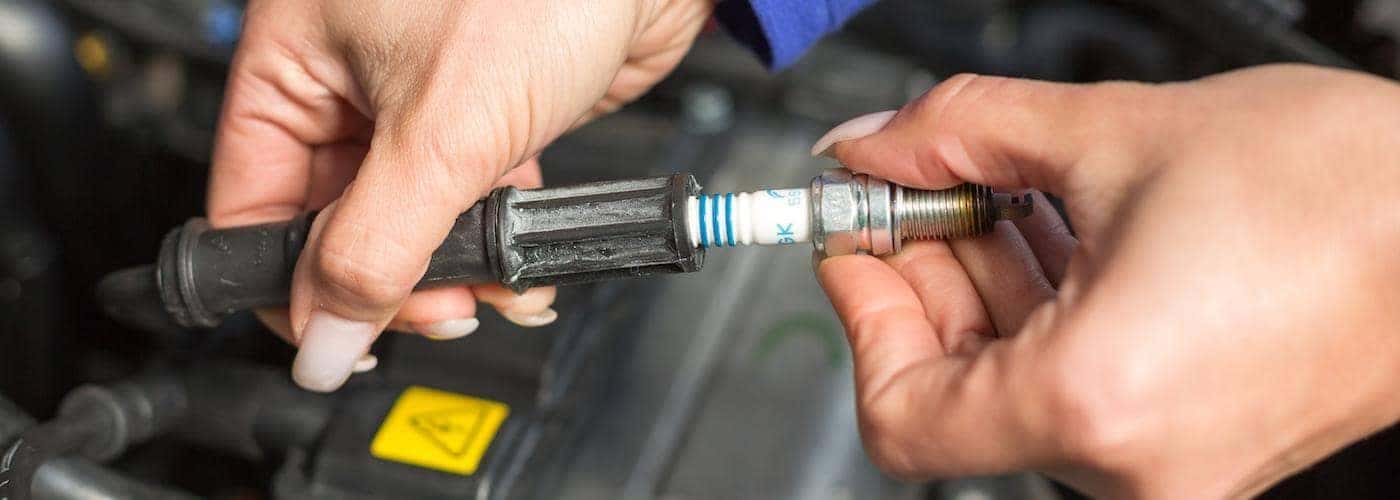
When you remove a spark plug, examine it closely under good light. Look at the electrode and insulator for signs of wear or damage.
- Color:A healthy plug usually has a light tan or gray color.
- Deposits:Black, oily, or sooty deposits mean the engine is running too rich or burning oil.
- Electrode wear:Rounded or eroded electrodes reduce spark efficiency.
- Cracks or chips:Any damage to the ceramic insulator means replacement is necessary.
Have you noticed uneven wear or deposits on your plugs before? These clues can tell you a lot about your engine’s health.
When To Replace Vs. When To Clean
Deciding whether to clean or replace spark plugs depends on their condition. Cleaning can restore performance if the plugs only have light deposits.
- Use a wire brush or spark plug cleaner to gently remove carbon buildup.
- Check the electrode gap with a feeler gauge and adjust if needed.
However, if the plugs show heavy wear, cracks, or persistent fouling, it’s best to replace them. Keep in mind, worn plugs affect fuel efficiency and engine smoothness. How often do you check your plugs to catch these issues early?
Professional Replacement Benefits
Choosing professional replacement for your car’s spark plugs brings many benefits that go beyond just saving time. When you trust a skilled technician, you also protect your engine’s health and maintain your vehicle’s reliability. Let’s look at why letting a pro handle this job can be smarter and safer for your car.
Ensuring Proper Installation
Installing spark plugs correctly is more complex than it seems. A professional knows the exact torque needed to avoid over-tightening or leaving them loose, which can cause problems later. Proper installation also means your engine will run smoothly and efficiently, preventing misfires and rough idling.
Have you ever tried a DIY fix only to find the problem got worse? A technician’s experience prevents these common mistakes, saving you from extra repair costs and frustration.
Avoiding Engine Damage
Incorrect spark plug replacement can lead to engine damage that’s expensive to repair. Professionals use the right tools and techniques, ensuring no damage to the cylinder head or ignition system. They can also spot worn or damaged parts that might cause bigger issues down the road.
Think about your last car repair—did the mechanic catch something you missed? That kind of expert eye is exactly what you need to keep your engine safe and running well.
Warranty And Service Records
Using professional services often protects your vehicle’s warranty. Many manufacturers require documented maintenance to keep warranties valid. When you have service records from a trusted shop, you prove you’ve cared for your car properly.
Also, these records help when you decide to sell your car. Buyers feel more confident knowing the vehicle has been maintained by professionals, potentially increasing its resale value.
Choosing The Right Spark Plugs
Choosing the right spark plugs is a key step in keeping your car running smoothly. The correct spark plug not only improves engine performance but also prevents unnecessary wear and tear. Understanding the different types, compatibility, and costs will help you make an informed choice that fits your vehicle and budget.
Material Types And Longevity
Spark plugs come in various materials, each offering different benefits and lifespans. Copper spark plugs are affordable but wear out quickly, usually lasting around 20,000 miles. Platinum and iridium plugs are more durable, often lasting up to 60,000 to 100,000 miles, making them a better investment for long-term use.
Have you noticed that your car runs rougher or uses more fuel? It might be time to check the spark plugs. Choosing a longer-lasting material can save you frequent replacements and keep your engine firing efficiently.
Compatibility With Your Vehicle
Not all spark plugs fit every engine. Your car’s make, model, and engine type determine the right spark plug size, heat range, and electrode design. Using the wrong plug can cause misfires, poor fuel economy, and engine damage.
Check your owner’s manual or consult a trusted mechanic to find the exact specifications. Sometimes, even small differences in spark plug design can impact your car’s performance noticeably.
Budget Considerations
Balancing quality and price is essential when selecting spark plugs. While copper plugs are cheaper upfront, you may spend more over time replacing them frequently. Premium plugs cost more initially but can reduce maintenance costs and improve fuel efficiency.
Think about how long you plan to keep your vehicle. If you drive a lot, investing in higher-quality plugs could save money and hassle down the road. What’s your priority: saving now or reducing future maintenance?

Credit: simonsautorepairtaunton.com
Frequently Asked Questions
When Should I Replace My Car Spark Plugs?
Replace spark plugs every 30,000 to 100,000 miles. Check your owner’s manual for exact intervals. Signs include rough idling, poor fuel economy, and difficulty starting the engine.
What Are The Symptoms Of Worn Spark Plugs?
Worn spark plugs cause engine misfires, reduced power, and increased fuel consumption. You may notice rough idling and difficulty starting the car.
Can Old Spark Plugs Damage My Engine?
Yes, worn spark plugs can cause misfires and incomplete combustion. This may lead to engine damage and reduced performance over time.
How Do I Know If Spark Plugs Need Cleaning Or Replacement?
If spark plugs are dirty or fouled, cleaning may help. However, if they show wear or corrosion, replacement is best for optimal performance.
Conclusion
Changing spark plugs keeps your car running smooth and strong. Old plugs can cause rough starts and lower fuel efficiency. Check your car manual for the right time to replace them. Regular changes prevent bigger engine problems later. Watch for signs like engine misfires or poor acceleration.
Taking care of spark plugs saves money and stress. Keep your car healthy by staying on top of spark plug maintenance. Simple steps make a big difference in how your car performs.





