Do you ever wonder how often you should change your spark plugs? It might seem like a small detail, but spark plugs play a crucial role in your vehicle’s performance.
Ignoring them can lead to bigger problems down the road. If your car isn’t running as smoothly as it used to or if you’re noticing a drop in fuel efficiency, it might be time to take a closer look at these little components.
By understanding when and why to change your spark plugs, you can ensure your car runs efficiently and avoid unnecessary costs. Keep reading to find out how often you should replace them and learn some simple tips to keep your engine purring like a kitten. You won’t want to miss this essential guide!

Credit: www.reddit.com
Spark Plug Basics
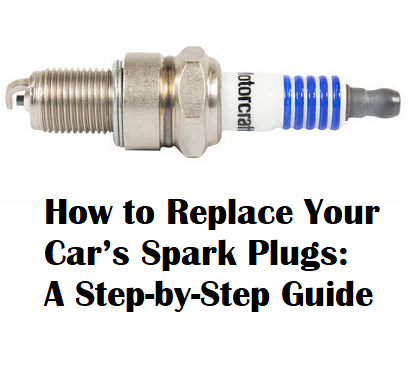
Spark plugs play a vital role in your vehicle’s engine. They create the spark that ignites the air-fuel mixture. This ignition powers the engine and keeps your car running smoothly. Understanding the basics of spark plugs helps you know when to replace them. It also improves engine performance and fuel efficiency.
Role In Engine Performance
Spark plugs deliver the spark needed for combustion. Without a strong spark, the engine misfires or runs poorly. Good spark plugs improve fuel efficiency and reduce emissions. They also help the engine start easily. Worn or dirty spark plugs cause rough idling and loss of power.
Types Of Spark Plugs
There are several types of spark plugs. Each type suits different engines and driving conditions. The main types include:
- Copper spark plugs:Basic type, good conductor but wears fast.
- Platinum spark plugs:Last longer and resist corrosion better.
- Iridium spark plugs:Most durable, provide better performance and fuel economy.
Choosing the right spark plug helps maintain engine health. Always follow your vehicle maker’s recommendations for spark plug type.

Credit: www.youtube.com
Signs Of Worn Spark Plugs
Worn spark plugs can silently affect your vehicle’s performance before you even realize there’s a problem. Recognizing the signs early helps you avoid costly repairs and keeps your car running smoothly. Here’s what you should look out for to know if your spark plugs need changing.
Engine Misfires And Rough Idling
Have you noticed your engine stumbling or hesitating, especially at low speeds? This is often a sign of worn spark plugs failing to ignite the fuel-air mixture properly. Rough idling or frequent misfires can cause your car to shake or jerk unexpectedly.
When spark plugs wear down, the spark weakens, leading to incomplete combustion. This not only affects performance but can damage other engine parts over time. If your car feels uneven or shaky during idling, it’s time to inspect your spark plugs.
Poor Fuel Economy
Are you filling up your tank more often than usual? Worn spark plugs can reduce fuel efficiency because the engine burns more fuel to compensate for weak sparks. This means you spend more money on gas without extra miles on the road.
Pay attention to sudden drops in mileage. If your driving habits haven’t changed, poor fuel economy is a clear warning sign. Changing spark plugs can restore your engine’s efficiency and save you fuel costs in the long run.
Difficulty Starting The Engine
Does your car struggle or take longer to start? Faulty spark plugs can make ignition difficult, especially in cold weather. The spark needs to be strong and consistent to start your engine smoothly.
If you find yourself turning the key multiple times before the engine catches, don’t ignore it. Replacing worn spark plugs often solves starting issues and gives you peace of mind every time you get behind the wheel.
Recommended Replacement Intervals
Knowing when to change your spark plugs is key to keeping your engine running smoothly. Recommended replacement intervals help you avoid performance issues before they start. But these intervals can vary a lot depending on several factors.
Manufacturer Guidelines
Every vehicle manufacturer provides specific spark plug replacement intervals in the owner’s manual. These guidelines are based on extensive testing and are tailored to your engine’s design. For instance, some manufacturers suggest changing spark plugs every 30,000 miles, while others recommend intervals up to 100,000 miles.
Following these recommendations ensures you maintain optimal engine performance and fuel efficiency. Have you checked your manual recently? Ignoring these guidelines might lead to misfires or rough idling sooner than expected.
Factors Affecting Spark Plug Life
Several conditions can shorten or extend the life of your spark plugs beyond the manufacturer’s timeline. Driving habits play a big role—frequent short trips or stop-and-go traffic cause more wear than steady highway driving.
The type of spark plugs also matters. Copper plugs typically wear out faster, around 20,000 to 30,000 miles, while iridium or platinum plugs last much longer. Additionally, engine condition and fuel quality can impact how long your spark plugs perform well.
Have you noticed your car hesitating or struggling to start? These might be signs that your spark plugs need inspection regardless of mileage. Paying attention to these factors can save you from unexpected breakdowns and costly repairs.
Inspecting Spark Plugs
Inspecting spark plugs is a key part of maintaining your vehicle’s engine performance. Regular checks help you catch issues early, preventing costly repairs down the road. Knowing what to look for can save you time and money, and improve your car’s fuel efficiency.
Visual Wear Indicators
Look closely at the spark plug’s electrode and insulator tip. A healthy plug usually has a light tan or gray color. If you see black soot, it could mean your engine is running too rich or the spark plug is fouled.
Cracks or chips on the ceramic insulator suggest the spark plug needs immediate replacement. Excessive wear on the electrode, like rounding or erosion, also means the spark plug is no longer firing efficiently.
Have you ever noticed your engine misfiring or struggling to start? Inspecting the spark plugs might reveal corrosion or buildup that’s causing poor ignition.
Tools For Inspection
Using the right tools makes inspection easier and more accurate. A spark plug socket with a ratchet wrench allows you to remove and install plugs without damage.
A gap gauge is essential to measure the distance between electrodes. Incorrect gaps can cause weak sparks and poor engine performance.
A magnifying glass or a bright flashlight can help you spot tiny cracks or deposits you might miss with the naked eye. Have you tried these tools next time you check your plugs? They can make a big difference in spotting issues early.
Replacing Spark Plugs
Replacing spark plugs is a crucial part of maintaining your vehicle’s engine. Worn or faulty spark plugs can cause poor fuel efficiency, engine misfires, and rough idling. Knowing how to replace them yourself can save you time and money, while ensuring your car runs smoothly.
Step-by-step Replacement Process
- Start by letting your engine cool down to avoid burns.
- Locate the spark plugs; they’re usually found on the engine cylinder head.
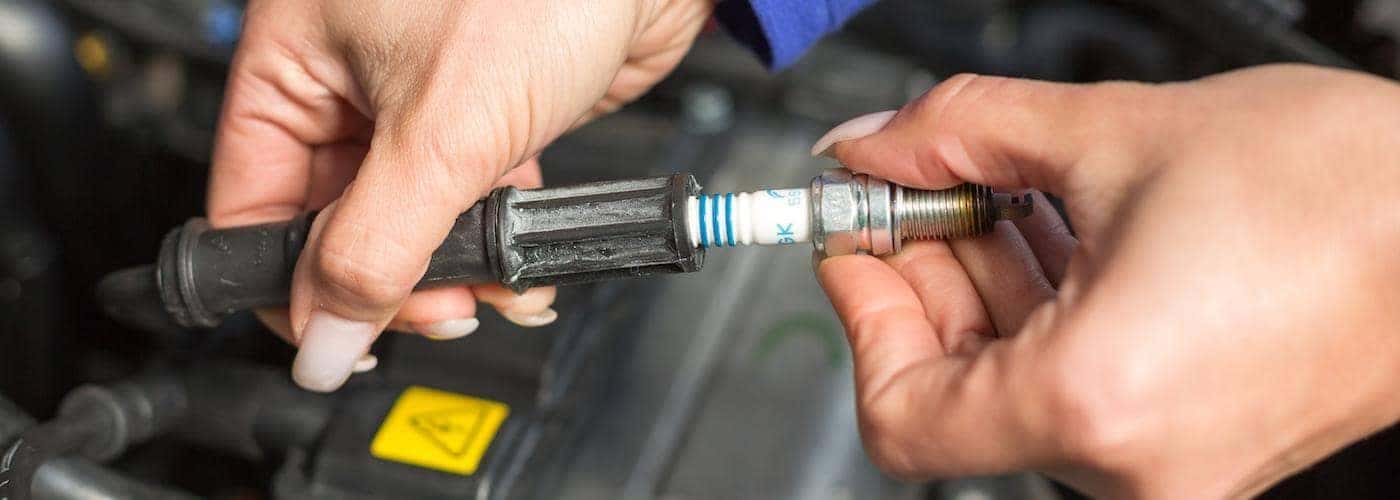
- Remove the spark plug wire by firmly pulling the boot, not the wire itself.
- Use a spark plug socket with a ratchet wrench to carefully unscrew the old plug.
- Check the gap on the new spark plug with a gap tool and adjust if needed.
- Insert the new spark plug by hand to avoid cross-threading, then tighten with the wrench.
- Reconnect the spark plug wire securely to the new plug.
- Repeat for each spark plug if your engine has multiple cylinders.
Tips For Proper Installation
- Always use the correct spark plug type recommended by your vehicle’s manufacturer.
- Apply a small amount of anti-seize lubricant on the threads if suggested; too much can interfere with torque.
- Do not overtighten the spark plugs; this can damage the threads or the plug itself.
- Double-check the spark plug gap before installation to ensure optimal performance.
- Keep the work area clean to prevent dirt from entering the engine during replacement.
Have you ever noticed a sudden drop in your car’s performance and wondered if the spark plugs were the issue? Replacing them yourself might be easier than you think. Taking the time to install them properly can make a noticeable difference in how your engine runs.
Impact Of Driving Conditions
The impact of driving conditions on spark plug lifespan is significant. Your driving habits directly influence how quickly spark plugs wear out and when they need replacement. Understanding these factors helps you avoid unexpected engine troubles and maintain smooth performance.
City Vs. Highway Driving
Driving mostly in the city means frequent stops and starts. This pattern causes spark plugs to work harder and wear out faster due to constant ignition cycles.
Highway driving, on the other hand, offers steady speeds and less frequent ignition. This usually extends spark plug life because the engine operates more efficiently.
If you spend a lot of time in traffic jams or on short trips, consider checking your spark plugs sooner than the manufacturer’s suggested interval. Have you noticed rough idling or reduced fuel efficiency after city driving? That might be your spark plugs signaling for attention.
Extreme Weather Effects
Cold starts in freezing weather put extra strain on spark plugs. The engine takes longer to warm up, increasing wear on the plugs during ignition.
Hot climates also affect spark plugs by causing overheating and faster degradation of the electrode. Dust and humidity can add to the problem by creating deposits that hinder spark performance.
Think about your local climate. If you live in an area with harsh winters or scorching summers, you might need to inspect or replace spark plugs more frequently. How often do you check your plugs after a season of extreme weather?
Common Mistakes To Avoid
Changing spark plugs might seem straightforward, but small mistakes can lead to bigger problems down the road. Avoiding common errors ensures your engine runs smoothly and your maintenance efforts pay off. Let’s look at some frequent missteps and how to steer clear of them.
Using Incorrect Spark Plugs
Choosing the wrong spark plugs can cause poor engine performance or even damage. Not all spark plugs fit every engine—using a plug with the wrong heat range or size can lead to misfires or fouling.
Think about the last time you changed your plugs without checking the manual. Did your engine feel sluggish afterward? That’s a sign the plugs might not be the right fit. Always verify the manufacturer’s recommendation before buying new plugs.
Over-tightening Or Under-tightening
It’s tempting to tighten spark plugs as much as possible, believing it makes them more secure. But over-tightening can crack the plug or strip the threads, causing costly repairs.
On the other hand, under-tightening may cause poor contact or allow gases to leak, leading to engine misfires. Using a torque wrench can help you apply the exact pressure needed.
Do you know the torque specs for your spark plugs? If not, now’s a good time to find out and avoid these avoidable mistakes.
Credit: www.terrylabontechevy.com
Benefits Of Timely Spark Plug Changes
Changing spark plugs on time helps your car run smoothly. It keeps the engine healthy and saves money on repairs. Timely changes avoid many common car problems. Here are some key benefits of maintaining spark plugs regularly.
Improved Engine Efficiency
Fresh spark plugs create a strong spark to ignite fuel properly. This leads to better fuel burning and smoother engine performance. Your car uses less fuel and runs with more power. Old plugs cause misfires and rough idling, lowering efficiency.
Reduced Emissions
Clean spark plugs help fuel burn completely. This reduces harmful gases released into the air. Proper combustion means fewer pollutants and cleaner exhaust. Changing plugs on time supports a healthier environment.
Extended Engine Life
Good spark plugs reduce engine stress. They prevent damage caused by incomplete combustion. Timely changes keep engine parts working well for longer. This lowers the risk of costly breakdowns and repairs.
Frequently Asked Questions
How Often Should Spark Plugs Be Replaced?
Spark plugs should be replaced every 30,000 to 100,000 miles. The interval depends on the vehicle model and spark plug type. Regular checks help maintain engine performance and fuel efficiency. Consult your owner’s manual for specific recommendations.
What Are Signs Of Worn Spark Plugs?
Worn spark plugs cause engine misfires, poor fuel economy, and rough idling. You may notice difficulty starting the engine or reduced acceleration. Timely replacement prevents further engine damage and improves overall vehicle performance.
Can Old Spark Plugs Damage My Engine?
Yes, old spark plugs can cause misfires and incomplete combustion. This leads to engine knocking, reduced power, and higher emissions. Replacing spark plugs on time ensures smoother engine operation and prevents costly repairs.
Are All Spark Plugs Replaced At The Same Time?
Yes, it is best to replace all spark plugs simultaneously. This ensures consistent engine performance and avoids uneven wear. Replacing one plug alone may cause imbalance and affect fuel efficiency.
Conclusion
Changing spark plugs regularly keeps your engine running smooth. Worn spark plugs can cause poor fuel economy and rough starts. Most cars need new spark plugs every 30,000 to 100,000 miles. Check your owner’s manual for exact timing. Pay attention to signs like engine misfires or slow acceleration.
Keeping spark plugs in good shape saves money on repairs. Small steps prevent big problems later. Remember, a well-maintained engine lasts longer and performs better. Spark plugs may seem simple, but they play a key role in your car’s health.
Stay on schedule and drive with confidence.





