
Are you noticing a decline in your car’s performance? Perhaps it’s not running as smoothly as it used to, or maybe you’re experiencing issues with starting the engine.
These could be signs that your spark plug wires need attention. Knowing when to change your spark plug wires can save you from unexpected breakdowns and costly repairs. You’ll discover the key indicators that suggest it’s time for a replacement, ensuring your vehicle stays in top shape.
Keep reading to learn how a simple change can make a big difference in your driving experience.
Signs Of Worn Spark Plug Wires
Recognizing the signs of worn spark plug wires can save you from unexpected engine trouble and costly repairs. These wires play a crucial role in delivering the electrical spark needed for your engine to run smoothly. If they’re failing, your vehicle will show clear warning signs that you shouldn’t ignore.
Engine Misfires And Rough Idle
One of the first signs of bad spark plug wires is engine misfires. You might notice your car hesitating or jerking when accelerating, or even stalling unexpectedly.
A rough idle is another clue. If your engine feels shaky or uneven when stopped, worn wires could be the culprit. This happens because the spark isn’t reaching the plugs consistently, disrupting combustion.
Visible Damage And Wear
Take a look under your hood and inspect the spark plug wires. Are there cracks, burns, or frayed areas on the insulation? These are clear signs of deterioration.
Worn wires can also appear brittle or feel unusually soft, indicating the internal wiring might be breaking down. Don’t wait until these wires break completely—replace them as soon as you spot visible damage.
Decreased Fuel Efficiency
Have you noticed your fuel gauge dropping faster than usual? Faulty spark plug wires can cause incomplete combustion, which wastes fuel.
This inefficiency means you’re spending more money on gas for less performance. Addressing worn wires can restore your engine’s fuel economy and save you money at the pump.

Credit: www.youtube.com
Recommended Replacement Intervals
Knowing when to replace your spark plug wires can save you from unexpected car troubles and keep your engine running smoothly. Recommended replacement intervals vary, but understanding the guidelines can help you avoid premature wear or performance issues. Let’s look at some practical ways to determine the best time for replacement.
Manufacturer Guidelines
Your vehicle’s manual is the best place to start. Manufacturers provide specific recommendations based on the design and materials of your spark plug wires.
These guidelines often suggest replacement intervals ranging from 30,000 to 60,000 miles. Ignoring these can lead to misfires or reduced fuel efficiency, so following them is a smart move.
Mileage-based Timing
Many drivers track their spark plug wires by mileage to keep things simple. Generally, replacing wires every 40,000 to 50,000 miles is common advice.
However, this depends on your driving habits. If you do a lot of stop-and-go city driving, wires may wear out faster than if you mostly drive on highways.
Age Considerations
Even if your mileage is low, age affects spark plug wires. Rubber components dry out and crack over time, leading to poor electrical conductivity.
Replacing wires every 5 years, regardless of mileage, is a good rule of thumb. Have you checked how old your wires are? It might be time to swap them out even if the miles don’t add up.
Factors Affecting Wire Longevity
The lifespan of your spark plug wires isn’t fixed. It changes based on several factors that you might not immediately consider. Understanding what affects their longevity helps you avoid unexpected engine troubles and keeps your ride smooth.
Driving Conditions
How and where you drive plays a big role in how long your spark plug wires last. Frequent stop-and-go traffic causes more heat and wear than steady highway driving. Harsh environments, like dusty roads or extreme temperatures, can also speed up wire deterioration.
Think about your daily routes. Are you often stuck in traffic or driving in freezing cold? These conditions demand more from your spark plug wires, making regular checks essential.
Quality Of Spark Plug Wires
Not all spark plug wires are made equal. Higher-quality wires use better insulation materials that resist heat and chemicals better. Cheaper wires may save money upfront but wear out faster and cause misfires sooner.
Investing in well-reviewed wires can save you time and hassle. Have you noticed how your car runs smoother right after replacing wires with good-quality ones? That’s no coincidence.
Maintenance Practices
Regular maintenance extends your spark plug wires’ life. Cleaning wires and checking connections prevent buildup that causes resistance and damage. Avoid pulling wires by the cord; always grip the boot to reduce stress.
Simple habits like inspecting wires during oil changes can catch problems early. Have you ever ignored a small crack only to face engine trouble later? Staying proactive helps you avoid that.

Credit: beachautomotive.com
Tools And Preparation For Replacement
Before you dive into changing your spark plug wires, having the right tools and preparation is key. It saves time and prevents frustration. Plus, being well-prepared keeps you safe and ensures the job is done correctly.
Necessary Tools
Gather these tools before you start:
- Spark plug wire puller:Helps you remove old wires without damaging them or the plugs.
- Socket wrench set:Needed for removing spark plugs if you plan to replace them too.
- Dielectric grease:Prevents moisture and corrosion inside the spark plug boots.
- Replacement spark plug wires:Make sure they match your vehicle’s make and model.
- Rag or cloth:To clean any dirt around the wires before removal.
Having these tools ready will make your task smoother. Do you have everything on this list?
Safety Precautions
Never work on your spark plug wires when the engine is hot. This can cause burns or damage the wires.
Disconnect the battery to avoid any accidental electrical shocks while handling the wires. Wearing gloves can protect your hands from grime and sharp edges.
Always work in a well-ventilated area. This reduces exposure to fumes and gives you enough light to see clearly.
Locating Spark Plug Wires
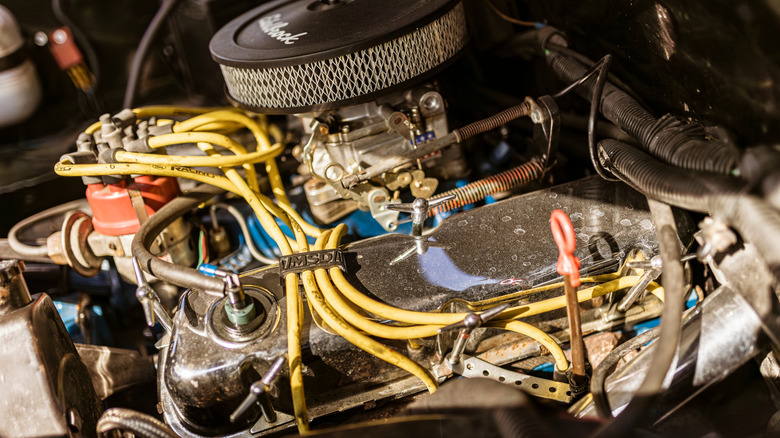
Spark plug wires connect the ignition coil to each spark plug. They usually run from the distributor cap or ignition coil pack to the engine block.
Trace the wires one by one to see where they start and end. This helps prevent mixing them up during replacement.
If you’re unsure where they are, your vehicle’s manual or a quick online search with your car’s model can guide you. Have you checked your engine layout closely before?
Step-by-step Replacement Process
Changing spark plug wires might seem intimidating, but breaking down the process makes it manageable. Knowing exactly how to remove the old wires safely and install the new ones correctly can save you time and prevent damage. Let’s walk through the key actions to get your engine running smoothly again.
Removing Old Wires
Start by locating the spark plug wires connected to your engine. It’s best to work on one wire at a time to avoid mixing up the firing order.
Grip the boot firmly near the spark plug, not the wire itself, and twist gently while pulling to detach it. Pulling on the wire can cause internal damage, which you want to avoid.
If the wires are stubborn, applying a bit of penetrating spray or using a specialized tool can help loosen them. Lay each removed wire out in the order you took them off to keep track.
Installing New Wires
Compare each new wire to the old one to match the correct length. This ensures the right fit and prevents unnecessary tension or slack.
Attach the new wire to the spark plug first, pushing the boot firmly until you hear or feel it snap into place. Then connect the other end to the distributor or ignition coil, making sure it clicks securely.
Double-check that the wires follow the original routing. Avoid letting them touch hot engine parts or sharp edges to prevent future wear.
Testing After Replacement
Once all wires are installed, start your engine and listen closely for any misfires or rough idling. A smooth, steady sound means the wires are working correctly.
If the engine hesitates or stutters, recheck each connection and confirm the firing order. Sometimes a loose wire or swapped connection is the cause.
Have you noticed any change in fuel efficiency or engine performance after replacing wires? Keep an eye on these indicators over the next few days to catch issues early.
Benefits Of Timely Spark Plug Wire Changes
Changing your spark plug wires on time can make a noticeable difference in how your vehicle runs. Worn-out wires cause misfires and weak sparks, which directly impact your engine’s efficiency. Recognizing the benefits of timely replacement can save you money and keep your car running smoothly.
Improved Engine Performance
When spark plug wires are fresh, they deliver strong, consistent sparks to ignite the fuel-air mixture efficiently. This results in smoother acceleration and less hesitation during starts. Have you ever felt your engine stumble or jerk? It could be a sign that your wires need changing.
Enhanced Fuel Economy
Old or damaged wires often cause incomplete combustion, wasting fuel and lowering mileage. By replacing them promptly, you ensure that every drop of fuel burns as it should. Imagine spending less on gas simply by swapping out worn spark plug wires—it’s a small step with big savings.
Reduced Emissions
Faulty spark plug wires contribute to higher emissions because of poor combustion. Changing them helps reduce the amount of unburned fuel released into the atmosphere. Wouldn’t you want your vehicle to be more environmentally friendly without expensive upgrades?
Credit: www.slashgear.com
Frequently Asked Questions
When Is The Best Time To Change Spark Plug Wires?
Change spark plug wires every 30,000 to 50,000 miles or as recommended. Check for wear or damage regularly to maintain engine performance.
What Are signs of bad spark plug Wires?
Symptoms include engine misfires, rough idling, poor fuel economy, and difficulty starting. Inspect wires if these issues occur to avoid further damage.
Can Old Spark Plug Wires Affect Engine Performance?
Yes, worn wires cause weak sparks, leading to misfires and reduced power. Replacing them restores smooth engine operation and better fuel efficiency.
How Do I Inspect Spark Plug Wires For Damage?
Look for cracks, burns, or corrosion on wires and connectors. Use a multimeter to check resistance if unsure about their condition.
Conclusion
Changing spark plug wires helps keep your engine running smooth. Worn wires cause misfires and lower fuel efficiency. Check them every 30,000 miles or when you notice rough idling. Don’t wait for a complete failure; early replacement saves money and hassle.
Regular maintenance keeps your car reliable and safe on the road. Stay alert to signs like engine hesitation or poor acceleration. Good spark plug wires mean better performance and fewer repairs. Simple steps protect your vehicle’s health and extend its life.
Keep your engine firing right—timely wire changes make a big difference.





