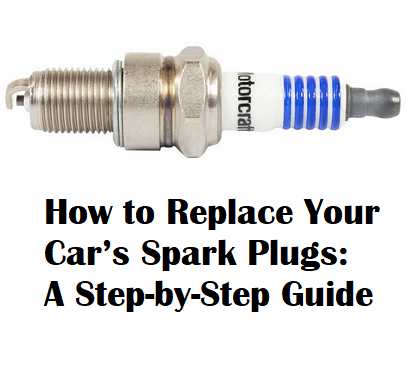
Are you hearing strange noises from your engine or noticing a drop in your car’s performance? It might be time to think about your spark plugs.
These small but mighty components play a crucial role in keeping your vehicle running smoothly. But who exactly is responsible for replacing them? You might be wondering if it’s a job you can tackle yourself or if it’s best left to the pros.
We’ll dive into everything you need to know about who replaces spark plugs, ensuring you’re armed with the knowledge to make the best choice for your beloved ride. Stick around to discover insights that could save you time, money, and a whole lot of stress.
When To Replace Spark Plugs
Spark plugs play a key role in your vehicle’s engine. Knowing when to replace them keeps the engine running smoothly. Regular checks can prevent bigger problems and costly repairs. Understanding the signs and following guidelines helps maintain engine health.
Signs Of Worn Spark Plugs
- Engine misfires or runs rough.
- Hard starting or slow acceleration.
- Poor fuel economy or increased emissions.
- Engine hesitation during driving.
- Visible wear or damage on spark plugs.
Manufacturer Recommendations
Car makers provide specific intervals for spark plug changes. These usually range from 30,000 to 100,000 miles. Check your vehicle’s owner manual for exact timing. Following these helps avoid engine problems and keeps warranty valid.
Impact On Engine Performance
Worn spark plugs reduce engine power and efficiency. They cause rough idling and poor fuel combustion. This leads to more pollution and engine strain. Replacing them restores smooth running and better fuel use.

Credit: www.amazon.ca
Choosing The Right Replacement
Choosing the right spark plug replacement affects your vehicle’s performance and fuel efficiency. A wrong choice can cause engine trouble or reduce power. Understand the options and how they match your car’s needs. This helps keep your engine running smoothly and saves money over time.
Types Of Spark Plugs
Spark plugs come in several types. Each has unique features and lifespans:
- Copper:Basic and affordable, but wears out fast.
- Platinum:Lasts longer than copper, good for daily driving.
- Iridium:Very durable and efficient, ideal for high-performance engines.
- Double Platinum:Used in modern engines for better durability.
Pick a type that suits your driving style and vehicle needs.
Compatibility With Your Vehicle
Not all spark plugs fit every car. Engine design and size matter. Check your vehicle manual for recommended spark plug types and sizes. Using the correct plug ensures proper firing and engine health. A wrong plug can cause misfires or damage.
Consider heat range and gap size too. These affect how well the spark ignites fuel. Always match these specs with your car’s requirements for best results.
Quality Vs. Cost
High-quality spark plugs cost more upfront but last longer. They improve engine efficiency and reduce maintenance needs. Cheaper plugs may save money now but wear out faster. This leads to more replacements and possible engine issues.
Balance your budget with quality. Choose spark plugs that offer good durability without overspending. Investing in trusted brands often pays off with better performance and fewer problems.
Diy Replacement Tips
Replacing spark plugs by yourself saves money and boosts car knowledge. Careful work ensures your engine runs smooth and efficient. Follow simple steps and gather the right tools for success. Safety and patience make the process easier and safer.
Tools Needed
- Spark plug socket with rubber insert
- Socket wrench and extension bar
- Torque wrench
- Gap gauge or feeler tool
- Dielectric grease
- Compressed air or a clean brush
- Protective gloves and safety glasses
Step-by-step Removal
Start by disconnecting the negative battery cable. This prevents accidental shocks or shorts. Use compressed air to clear dirt from the spark plug area. Remove the spark plug wire by pulling the boot, not the wire itself. Attach the spark plug socket to the wrench and carefully unscrew the spark plug. Keep a steady hand to avoid damage.
Installing New Spark Plugs
Check the gap on new spark plugs with a gap gauge. Adjust the gap to match your car’s specifications. Apply a small amount of dielectric grease inside the spark plug boot. Thread the new spark plug into the cylinder by hand to avoid cross-threading. Tighten with a torque wrench to the recommended setting. Reattach the spark plug wire securely.
Common Mistakes To Avoid
- Over-tightening spark plugs causing thread damage
- Using the wrong spark plug size or type
- Forgetting to check or adjust the spark plug gap
- Pulling on wires instead of the boot, causing damage
- Skipping the cleaning of the spark plug area before removal
- Neglecting to reconnect the battery after installation

Credit: simonsautorepairtaunton.com
When To Hire A Professional
Knowing when to hire a professional for spark plug replacement saves time and prevents damage. Some engines need special skills and tools that only experts have. Spotting the right signs and understanding costs helps you decide the best choice.
Complex Engine Types
Modern cars often use complex engine designs. These may include turbochargers, direct fuel injection, or hybrid systems. Replacing spark plugs in these engines requires precise knowledge. Incorrect handling can cause engine damage or poor performance. Professionals have training to manage these complexities safely.
Signs You Need Expert Help
- Engine misfires or rough idling
- Difficulty starting the car
- Reduced fuel efficiency
- Check engine light is on
- Burned or damaged spark plugs
These symptoms often show that spark plugs are worn or installed wrong. A professional can diagnose the issue accurately and fix it properly.
Costs Of Professional Service
Hiring a professional usually costs more than doing it yourself. Prices vary based on car make, model, and labor rates. Typical spark plug replacement ranges from $100 to $300. Complex engines or high-end vehicles may cost more. The service includes inspection, removal, replacement, and testing. Paying for expertise often saves money on future repairs.
Maintaining Spark Plug Longevity
Maintaining the longevity of your spark plugs is key to keeping your engine running smoothly and efficiently. Spark plugs wear out over time, but with the right care, you can extend their life and avoid unnecessary replacements. Small, consistent actions in your vehicle maintenance routine make a big difference in how long your spark plugs last.
Regular Inspection
Checking your spark plugs regularly helps catch problems early. Look for signs like carbon buildup, worn electrodes, or cracks in the ceramic insulator. These signs indicate it’s time to clean or replace the plugs before they cause engine misfires or poor fuel economy.
Set a reminder every 10,000 miles to inspect your spark plugs. Even if your car feels fine, a quick look can prevent surprises on the road.
Fuel And Engine Care
The quality of fuel you use directly affects spark plug health. Low-grade fuel can leave deposits that coat the plugs, reducing their efficiency. Always choose fuel that meets your car manufacturer’s recommendations.
Engine maintenance also plays a role. Keep your air filter clean and ensure your engine isn’t running too rich or lean, as these conditions stress spark plugs. A well-tuned engine helps spark plugs perform better and last longer.
Driving Habits That Help
How you drive impacts spark plug wear more than most people realize. Frequent short trips don’t allow the engine to reach optimal temperature, which can cause deposits on plugs. Try to include longer drives occasionally to fully warm up the engine.
Avoid aggressive acceleration and high RPMs when the engine is cold. Smooth, steady driving reduces stress on spark plugs and other engine parts. Have you noticed your spark plugs lasting longer after changing your driving style?

Credit: www.acg.aaa.com
Frequently Asked Questions
Who Typically Replaces Spark Plugs In Vehicles?
Spark plugs are usually replaced by professional mechanics or experienced DIY car owners. Proper tools and knowledge ensure correct installation and engine performance.
How Often Should Spark Plugs Be Replaced?
Spark plugs generally need replacement every 30,000 to 100,000 miles, depending on the vehicle and spark plug type. Regular checks improve engine efficiency.
Can I Replace Spark Plugs Myself?
Yes, if you have basic mechanical skills and the right tools, you can replace spark plugs safely by following the vehicle manual instructions.
What Are Signs That Spark Plugs Need Replacement?
Common signs include engine misfires, poor fuel economy, rough idling, and difficulty starting. These indicate worn or faulty spark plugs affecting engine performance.
Conclusion
Spark plug replacement keeps your engine running well. Mechanics or car owners can replace them. Regular checks help find worn or damaged plugs early. Changing spark plugs improves fuel efficiency and engine power. It saves money by preventing bigger car problems.
Simple tools and guides make DIY replacement possible. Trust experts if unsure about doing it yourself. Keep your vehicle healthy with timely spark plug care.





