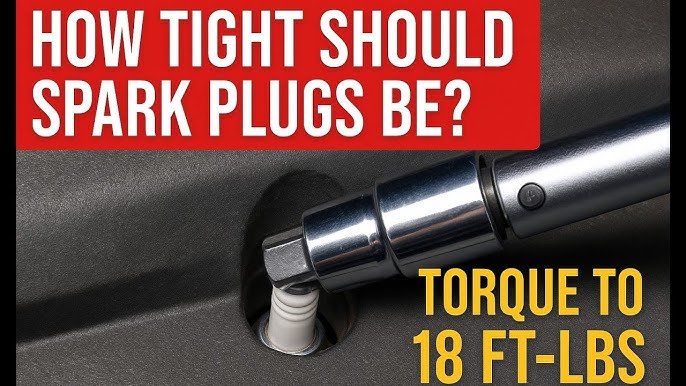
Have you ever wondered if you really need to torque your spark plugs? Maybe you’ve heard differing opinions from mechanics or read conflicting advice online.
It’s a question that might seem minor, but the answer could be crucial for the health of your vehicle. Improperly torqued spark plugs can lead to engine inefficiency, misfires, or even costly repairs. You’ll discover why getting this step right is essential for your car’s performance and longevity.
We’ll unravel the mystery behind torqueing spark plugs and provide you with clear, actionable steps. Stick around to find out how you can ensure your engine runs smoothly and efficiently.

Credit: www.clubrsx.com
Why Torque Matters
Getting the torque right on your spark plugs is more than just a technical detail—it directly affects how your engine runs and how long your parts last. Skipping this step or guessing the tightness can cause problems you might not expect, even if the plugs seem fine at first.
Impact On Engine Performance
Proper torque ensures the spark plugs create a perfect seal in the engine. This seal helps maintain the right compression and prevents air leaks that can cause misfires or rough idling.
Have you noticed your engine hesitating or running unevenly? It might be due to spark plugs that are either too loose or too tight. Correct torque keeps your engine firing smoothly, improving fuel efficiency and power.
Preventing Damage
Tightening spark plugs too much can strip the threads or crack the plug itself. On the other hand, under-tightening allows the plug to loosen over time, risking damage to the cylinder head.
I once saw a car engine suffer costly repairs because the spark plugs were overtightened, cracking the ceramic insulator. Using a torque wrench to follow manufacturer specs can save you from expensive fixes and keep your engine healthy.
When To Torque Spark Plugs
Knowing when to torque your spark plugs is key to keeping your engine running smoothly. Too loose, and you risk poor performance; too tight, and you could damage the threads or the plug itself. Understanding the right moments to apply the correct torque can save you from costly repairs and improve your vehicle’s efficiency.
New Installations
When you install new spark plugs, torquing them to the manufacturer’s specifications is essential. This ensures a tight seal between the plug and the cylinder head, preventing combustion leaks. Have you ever wondered why a new plug might misfire? Often, it’s because it wasn’t torqued properly during installation.
Routine Maintenance
During routine maintenance, especially when you remove and reinstall spark plugs, checking and applying the correct torque is just as important. Over time, vibrations can loosen plugs, affecting engine performance. Even if the plugs look fine, not torquing them properly can lead to misfires or increased fuel consumption.
After Repairs
After any engine repairs that involve removing spark plugs—like fixing a head gasket or valve work—you should always torque the plugs again. Reinstalling without proper torque can cause leaks or damage to the threads in the cylinder head. Have you ever tried to fix one problem only to create another? Skipping torque checks after repairs often leads to this frustration.
Tools Needed For Torquing
Getting the right tools for torquing spark plugs is crucial to avoid damage and ensure optimal engine performance. Without the proper equipment, you risk under-tightening or over-tightening, which can lead to costly repairs. Let’s look at the essential tools you’ll need to get this job done right.
Torque Wrench Types
You need a torque wrench designed for precise control. A click-type torque wrench is the most common and user-friendly option. It signals you with a click sound when you reach the desired torque, making it easy to avoid over-tightening.
Another option is a beam torque wrench, which uses a needle to show torque levels. It’s more affordable but requires you to watch the gauge closely. Digital torque wrenches offer the highest accuracy and often have preset torque settings, but they come at a higher price.
Think about how often you’ll be torquing spark plugs. If it’s a one-time job, a click-type wrench is your best bet. For frequent use, investing in a digital wrench could save you time and improve precision.
Additional Equipment
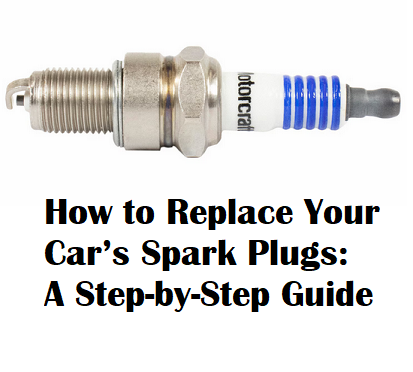
Besides the torque wrench, you’ll need a spark plug socket that fits your plugs perfectly. These sockets usually have a rubber insert to grip the plug securely and prevent damage during removal or installation.
Extensions and universal joints can help reach tight spaces in your engine bay. Make sure these accessories are compatible with your torque wrench to maintain accuracy.
Don’t forget a clean rag or compressed air to clear debris from the spark plug hole. Dirt can interfere with torque readings and cause improper seating of the plug.
Have you ever tried tightening a spark plug without the right tools? It often leads to frustration and mistakes. Getting the right gear upfront saves you time and protects your engine.
Credit: beachautomotive.com
Proper Torque Specifications
Proper torque specifications for spark plugs are crucial for engine performance and longevity. Applying the right amount of torque ensures a secure fit without damaging the threads or the spark plug itself. Too much or too little torque can lead to engine misfires, poor fuel economy, or even costly repairs.
Manufacturer Guidelines
Every spark plug comes with a recommended torque value provided by the manufacturer. These guidelines are based on the materials used and the engine’s design, so ignoring them can cause problems. Have you ever tried tightening a spark plug too much only to strip the threads? It’s a common mistake that’s easy to avoid by following these specs.
Always check your vehicle’s manual or the spark plug packaging for the exact torque number. Use a torque wrench for accuracy—hand-tightening or guessing won’t cut it. The manufacturer’s specs are your best bet for maintaining engine health and avoiding unnecessary wear.
Variations By Engine Type
The torque needed can vary significantly depending on the engine type. For example, aluminum cylinder heads usually require lower torque values to prevent damage, while cast iron heads can handle a bit more force. Diesel engines might also have different requirements compared to gasoline engines.
Are you working on a performance engine or a standard commuter car? Knowing the engine type helps you apply the correct torque. A mismatch here can lead to leaks, poor compression, or spark plug damage. Keep in mind that some high-performance engines even require a specific torque sequence for multiple plugs.
Step-by-step Torquing Process
Torquing spark plugs correctly ensures your engine runs smoothly and avoids damage. The process might seem technical, but breaking it down helps you handle it confidently. Let’s look at how you can prepare, set, and apply torque properly for the best results.
Preparing The Spark Plug
Start by inspecting your spark plug for any defects or dirt. Clean the threads gently with a wire brush if needed, but avoid touching the electrode to prevent damage. Applying a thin layer of anti-seize compound to the threads can help prevent them from sticking, but check your vehicle manual first as some manufacturers advise against it.
Have you ever tried installing a spark plug without cleaning it first? It often leads to poor seating and misfires. Proper preparation sets the stage for an accurate torque application.
Setting The Torque Wrench
Next, set your torque wrench to the manufacturer’s recommended torque value for your spark plug. This information is usually in your vehicle’s service manual or on the spark plug packaging. Make sure the wrench is calibrated for accuracy—using an uncalibrated wrench can easily lead to over-tightening or under-tightening.
Adjust the wrench carefully by turning the handle until the desired torque number aligns with the indicator. Double-check the setting before you begin to avoid any mistakes.
Applying Torque Correctly
Thread the spark plug into the cylinder head by hand first to avoid cross-threading. This step is crucial; a misaligned spark plug can damage threads and cause leaks. Once hand-tight, use the torque wrench to tighten the spark plug until you hear or feel the click, indicating the set torque has been reached.
Don’t rush this step. Applying torque slowly and steadily helps prevent stripping the threads or breaking the plug. Have you ever tightened a spark plug too much and ended up with a costly repair? Proper torque application saves you from those headaches.
Common Mistakes To Avoid
Proper spark plug torque is vital for engine health. Many make mistakes that cause damage or poor performance. Avoiding these errors saves time and money. Learn the common pitfalls to keep your engine running smoothly.
Over-tightening Risks
Too much force can strip the spark plug threads. This damage leads to costly repairs. Over-tightening may also crack the ceramic insulator. A broken insulator causes misfires and poor engine function. Use a torque wrench to apply the correct pressure. Avoid guessing or using too much strength.
Under-tightening Consequences
Loose spark plugs can cause poor engine performance. They may cause misfires or rough idling. Gases can escape around the plug, reducing compression. This leads to lower fuel efficiency and power. Vibration can also loosen the plug further. Always tighten to the manufacturer’s specified torque. This ensures a secure and proper fit.
Signs Of Improper Torque
Proper torque on spark plugs is crucial for engine health and performance. Incorrect torque causes problems that may not be obvious at first. Recognizing signs of improper torque helps avoid costly repairs and keeps your engine running smoothly.
Engine Misfires
Loose spark plugs can cause engine misfires. The plug may not create a strong spark, leading to uneven fuel burning. This results in rough engine running and reduced power. Over-tightened plugs can also cause misfires by damaging the plug or cylinder head.
Damage Indicators
Look for physical damage to spark plugs when torque is wrong. Cracked insulators or stripped threads mean the plug was over-tightened. Loose plugs may cause burnt electrodes or carbon buildup. Both signs point to poor contact and poor engine performance.
Credit: modernautoparts.co.za
Benefits Of Correct Torque
Applying the correct torque to your spark plugs is more than just a mechanical formality. It directly affects your engine’s performance and the longevity of the spark plugs themselves. Understanding the benefits of correct torque helps you avoid common issues and get the most out of every drive.
Enhanced Engine Efficiency
When spark plugs are tightened to the right torque, they create a proper seal in the combustion chamber. This seal prevents gas leaks and ensures a consistent spark, which improves fuel combustion. Have you noticed smoother acceleration or better fuel economy after a tune-up? That’s likely due to properly torqued spark plugs.
Too loose, and your engine may misfire or lose power. Too tight, and you risk damaging the threads or the spark plug itself, leading to costly repairs. Correct torque keeps everything running smoothly, letting your engine perform at its best every time you hit the gas.
Extended Spark Plug Life
Over-tightening spark plugs can crack their ceramic insulators or cause thread damage, cutting their life short. On the other hand, under-tightening can cause vibrations that wear out the plug’s components prematurely. By applying the correct torque, you protect your spark plugs from these risks.
Think about the last time you had to replace spark plugs earlier than expected. Could it have been avoided by checking the torque? Proper tightening ensures the spark plugs stay in place and maintain their integrity, saving you money and hassle in the long run.
Frequently Asked Questions
Do Spark Plugs Need To Be Torqued Properly?
Yes, spark plugs must be torqued correctly to ensure proper engine performance. Proper torque prevents damage and ensures good contact.
What Happens If Spark Plugs Are Over-torqued?
Over-torquing can damage the spark plug threads or break the plug. It may cause engine misfires or expensive repairs.
Can Under-torqued Spark Plugs Cause Engine Issues?
Yes, under-torqued plugs can loosen, causing misfires, poor fuel efficiency, and engine performance problems.
How Do You Torque Spark Plugs Correctly?
Use a torque wrench and follow the vehicle manufacturer’s torque specifications for accurate tightening.
Conclusion
Properly torquing spark plugs matters for your engine’s health. Too tight can damage threads or the plug itself. Too loose can cause poor engine performance or misfires. Using the right torque keeps your car running smoothly and safely. Always follow your car maker’s torque specs for best results.
A torque wrench helps get it just right. Taking this small step saves you time and money on repairs later. Simple care makes a big difference in your vehicle’s life.





