Are you curious about the size of a spark plug? You’re not alone.
Many people find themselves puzzled when trying to figure out the right spark plug size for their vehicle. Understanding spark plug sizes can be crucial for maintaining your car’s performance and ensuring a smooth ride. Imagine the peace of mind you’ll feel knowing you’ve got the right fit for your engine.
We’ll simplify the mystery around spark plug sizes and guide you through what you need to know. By the end, you’ll be confident in choosing the perfect spark plug for your needs. Let’s dive in and discover the secrets behind spark plug sizes!
Credit: www.vanguardpower.com
Spark Plug Basics
Spark plugs are small but vital parts of an engine. They create the spark that starts the fuel burning process. Without the right spark plug size, engines might not run well or could get damaged. Understanding spark plug basics helps in choosing the right one for your vehicle.
Key Components
- Center Electrode:The main part that produces the spark.
- Ground Electrode:Works with the center electrode to create the spark gap.
- Insulator:Made from ceramic, it keeps the center electrode isolated.
- Shell:The metal casing that holds the spark plug in place.
- Gasket:Seals the spark plug to prevent leaks.
Common Types
- Copper Spark Plugs:Basic type, good heat conduction, cheaper.
- Platinum Spark Plugs:Last longer than copper, resist wear better.
- Iridium Spark Plugs:Most durable, produce strong sparks, last longest.
- Double Platinum:Have platinum on both electrodes for longer life.
Measuring Spark Plug Size
Measuring spark plug size is crucial for proper engine performance. It ensures the plug fits well and functions correctly. Several factors define the size of a spark plug. Understanding these helps in choosing the right one for your engine.
Thread Diameter
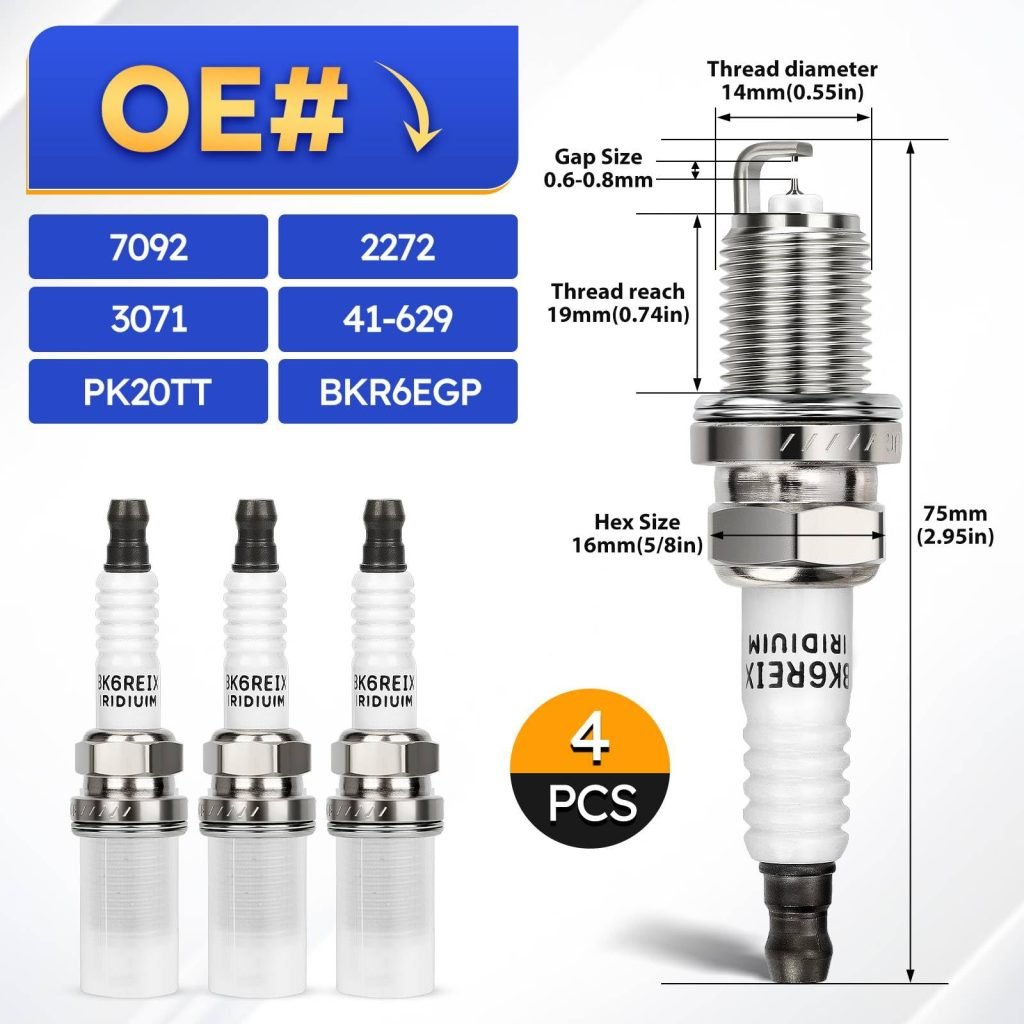
The thread diameter is the width of the threaded part of the spark plug. It is measured in millimeters or inches. Common sizes include 10mm, 12mm, 14mm, and 18mm. The diameter must match the engine’s cylinder head to prevent leaks or damage.
Thread Pitch
Thread pitch is the distance between threads on the spark plug. It is usually measured in millimeters. A fine pitch has more threads per inch, while a coarse pitch has fewer. Correct thread pitch ensures the spark plug screws in smoothly and tightens securely.
Reach Length
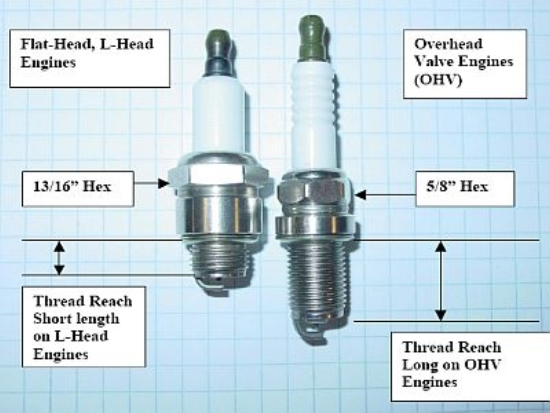
Reach length is the length of the threaded section that screws into the engine. It is important for proper combustion chamber clearance. Too long a reach can damage the engine, while too short can cause poor combustion. Measuring reach length helps avoid these issues.
Hex Size
Hex size refers to the size of the hexagonal part of the spark plug. This is where the wrench fits to tighten or loosen the plug. Common hex sizes are 16mm, 18mm, and 21mm. Choosing the correct hex size makes installation and removal easier and safer.
Choosing The Right Spark Plug
Choosing the right spark plug is more than just picking a size; it’s about matching your engine’s specific needs. The correct spark plug ensures optimal performance, fuel efficiency, and engine longevity. Understanding key factors like compatibility, heat range, and material can save you from costly mistakes.
Engine Compatibility
Your engine design heavily influences which spark plug fits best. Different engines require different thread sizes, reach lengths, and electrode gaps. Using a plug that isn’t compatible can cause poor ignition, misfires, or even damage the engine.
Check your vehicle’s manual or consult a trusted mechanic to find the exact spark plug specifications. Have you ever tried installing a plug only to find it doesn’t fit right? That’s a clear sign compatibility matters more than you might think.
Heat Range Importance
The heat range of a spark plug determines how quickly it can dissipate heat from the combustion chamber. Choosing the wrong heat range can lead to fouling or overheating. For example, a colder plug suits high-performance engines that run hotter, while a hotter plug fits engines used for short trips or idling.
Think about your driving habits: do you mostly take short city drives or long highway trips? Matching the heat range to your engine’s operating temperature keeps your spark plug working efficiently and your engine safe.
Material Differences
Spark plugs come in various materials like copper, platinum, and iridium, each with pros and cons. Copper plugs conduct electricity well but wear out faster. Platinum and iridium plugs last longer and provide better performance but cost more.
Choosing the right material depends on your budget and how often you want to replace plugs. If you value durability and fewer replacements, investing in iridium might be worth it. Have you noticed differences in engine smoothness after switching spark plug materials? That’s the kind of detail worth paying attention to.
Effects Of Incorrect Spark Plug Size
Using the wrong spark plug size might seem like a minor issue, but it can lead to several problems that affect your vehicle’s overall health. The spark plug plays a crucial role in igniting the fuel-air mixture inside the engine. If its size is off, your engine won’t perform the way it should, and you might end up spending more on repairs and fuel than necessary.
Engine Performance Issues
An incorrect spark plug size can cause misfires and rough idling. You might notice your engine hesitating or struggling to accelerate smoothly. In some cases, the engine could stall unexpectedly, especially at low speeds.
Have you ever experienced a sudden drop in power or unusual engine noises? These can be signs that your spark plugs aren’t the right fit. Using the proper size ensures consistent combustion, which keeps your engine running reliably.
Potential Damage
Wrong-sized spark plugs can physically damage your engine’s cylinder head. If the plug is too long, it might hit the piston or valves, leading to costly repairs. A plug that’s too short won’t seat properly, causing compression leaks and overheating.
Think about the last time you ignored a small issue in your car—did it get worse? Engine damage from incorrect spark plugs can escalate quickly if not addressed. Always double-check the manufacturer’s recommendations before buying replacements.
Fuel Efficiency Impact
Your fuel consumption can increase noticeably with the wrong spark plug size. Incomplete combustion wastes fuel, meaning you fill up more often without getting the mileage you expect. This inefficiency also leads to higher emissions, which harms the environment.
Have you tracked your fuel costs lately? If your car’s sipping more gas than usual, mismatched spark plugs might be the culprit. Choosing the right size helps maintain optimal combustion and keeps your fuel economy on track.
Tips For Installing Spark Plugs
Installing spark plugs correctly can save you from engine troubles and improve performance. It’s not just about fitting them in; the details matter. Paying attention to key factors like torque, lubrication, and gap size ensures your engine runs smoothly and efficiently.
Proper Torque Settings
Using the right torque is crucial when installing spark plugs. Too tight, and you risk damaging the threads or the spark plug itself. Too loose, and the plug might not seal properly, causing misfires or poor engine performance.
Always check your vehicle’s manual for the exact torque specification. If you don’t have a torque wrench, consider borrowing one or visiting a mechanic. I once over-tightened a plug and stripped the cylinder head threads, which cost me more time and money than a proper torque wrench.
Using Anti-seize
Anti-seize compound can make future spark plug removal much easier, but it’s not always necessary. Some spark plugs come pre-coated, and adding extra anti-seize can cause over-tightening because it reduces friction.
If you decide to use anti-seize, apply a very thin layer only to the threads. Avoid getting it on the electrode or the plug’s sealing surface. Ask yourself: is your spark plug manufacturer recommending it? Following those guidelines will prevent common installation mistakes.
Checking Gap Size
The gap between the spark plug electrodes affects the spark’s strength and efficiency. A gap that’s too wide or too narrow can lead to poor ignition and engine misfires.
Use a feeler gauge to check the gap size before installation. Adjust it carefully if needed, but don’t bend the electrodes too much as they can break. Have you checked your spark plug gaps recently? It’s a simple step that often gets overlooked but can make a big difference in performance.

Credit: www.tractorsupply.com
Maintaining Spark Plug Health
Maintaining spark plug health ensures your engine runs smoothly and efficiently. Clean and well-functioning spark plugs improve fuel efficiency and reduce emissions. Regular checks prevent sudden engine problems and costly repairs. Simple care routines extend the life of your spark plugs and keep your vehicle reliable.
Signs Of Wear
- Engine misfires or runs rough
- Poor fuel economy
- Difficulty starting the engine
- Visible deposits or corrosion on the spark plug
- Worn or damaged electrodes
Cleaning Methods
Remove the spark plug carefully. Use a wire brush to clean the electrode and threads. Avoid harsh chemicals that may damage the plug. You can also use compressed air to blow away dirt. Dry the spark plug thoroughly before reinstalling it. Clean plugs improve ignition and engine performance.
Replacement Intervals
| Type of Spark Plug | Recommended Replacement Interval |
|---|---|
| Copper Spark Plugs | 20,000 to 30,000 miles |
| Platinum Spark Plugs | 60,000 miles |
| Iridium Spark Plugs | 80,000 to 100,000 miles |

Credit: www.lceperformance.com
Frequently Asked Questions
What Are Common Spark Plug Sizes?
Common spark plug sizes vary by engine type. Most use thread diameters of 10mm, 12mm, or 14mm. Thread lengths usually range from 19mm to 26. 5mm. The size depends on the vehicle’s make and engine design, ensuring proper fit and optimal performance.
How To Measure Spark Plug Size Accurately?
Measure the spark plug’s thread diameter with a caliper. Check the thread length from base to tip. Also, note the hex size for the wrench. Accurate measurement helps select the right spark plug for your engine’s specifications and prevents installation issues.
Why Does Spark Plug Size Matter?
Spark plug size affects engine performance and safety. Incorrect size can cause poor ignition or engine damage. Proper size ensures efficient combustion, better fuel economy, and longer engine life. Always use manufacturer-recommended spark plug sizes for best results.
Can I Use A Different Spark Plug Size?
Using a different spark plug size is not recommended. It may cause improper fit, misfires, or engine damage. Always stick to the size specified by the vehicle manufacturer for optimal engine health and performance.
Conclusion
Choosing the right spark plug size matters a lot for your engine’s health. It helps your vehicle run smooth and saves fuel. Always check your car manual for the correct size. Using the wrong size can cause problems or damage.
Spark plugs come in many sizes, so take time to find the best fit. Proper size means better performance and longer engine life. Keep your engine happy by picking the right spark plug every time. Simple steps can avoid costly repairs later.
Stay informed and maintain your vehicle well.





