
You’ve felt it, haven’t you? That sputter, the rough idle, or maybe your car just doesn’t have the pep it used to.
It might be time to change those spark plugs. Don’t worry; this isn’t just a task for mechanics. You can do it yourself! Imagine the satisfaction of giving your vehicle a new lease on life. Not only will you save money, but you’ll also gain a deeper understanding of how your car works.
In this guide, you’ll discover the step-by-step process to change a car spark plug effortlessly. Ready to boost your car’s performance and regain that smooth ride? Let’s dive into the simple steps that will have you back on the road with confidence.

Credit: www.youtube.com
Tools And Materials Needed
Before you dive into changing a car spark plug, gathering the right tools and materials is crucial. Having everything ready not only saves time but also ensures the job goes smoothly. Missing just one tool can turn a simple task into a frustrating experience.
Spark Plug Types
Spark plugs come in different types, each designed for specific engines and driving conditions. Common types include copper, platinum, and iridium spark plugs. Copper plugs are affordable and work well for older cars, while platinum and iridium plugs last longer and perform better in modern engines.
Check your car’s manual to find the recommended spark plug type. Using the wrong type can cause engine misfires or reduce fuel efficiency. Have a few plugs on hand if you’re unsure, but always prioritize the one specified for your vehicle.
Required Tools
- Spark Plug Socket:A special socket with a rubber insert to grip the plug without breaking it.
- Ratchet Wrench:Essential for turning the spark plug socket.
- Extension Bar:Helps reach deeply seated spark plugs.
- Gap Gauge:Used to measure and adjust the spark plug gap.
- Torque Wrench:Ensures the spark plug is tightened to the correct specification.
- Anti-Seize Compound:Optional, but it prevents the spark plug from seizing in the cylinder head.
Have these tools organized before you start. I once tried changing plugs without an extension bar and spent hours struggling with access—don’t make the same mistake.
Safety Gear
Your safety matters when working on your car. Always wear safety glasses to protect your eyes from debris and dirt. Gloves will protect your hands from sharp parts and hot surfaces.
Make sure the engine is cool before starting work to avoid burns. Do you have a well-lit workspace? Adequate lighting helps you spot any issues during the process.
Preparing Your Vehicle
Before you dive into changing your car’s spark plugs, proper preparation is key to a smooth and safe experience. Taking the right steps beforehand not only protects you but also helps avoid damage to your vehicle. Let’s get your car ready for this straightforward maintenance task.
Park And Cool Down
First, park your car on a flat, stable surface to prevent any accidents while you work. Make sure the engine is completely cool before touching anything under the hood. Hot engines can cause burns and make spark plugs harder to remove, so patience here saves you pain and frustration.
Locate The Spark Plugs
Open your hood and find the spark plugs, usually positioned along the engine’s cylinder head. Depending on your vehicle, they might be under ignition coils or spark plug wires. Knowing their exact location helps you avoid unnecessary searching or pulling on parts that shouldn’t be disturbed.
Disconnect The Battery
Safety always comes first. Disconnect the negative terminal of your car battery to cut off electrical power and prevent shocks or short circuits. This simple step can save you from unexpected sparks or damage while you work on the ignition system.
Removing Old Spark Plugs
Removing old spark plugs is a key step in changing them safely and efficiently. This process helps prevent damage to the engine and ensures the new plugs work well. Taking time to do it right saves money and keeps your car running smoothly.
Remove Spark Plug Wire
First, grasp the spark plug wire by the boot, not the wire itself. Pull gently to avoid damage. Wiggle the boot slightly if it feels stuck. Avoid yanking or twisting the wire.
Clean The Area
Clear dirt and debris around the spark plug. Use a brush or compressed air to remove dust. This stops dirt from falling into the engine. A clean area prevents engine problems later.
Unscrew The Spark Plug
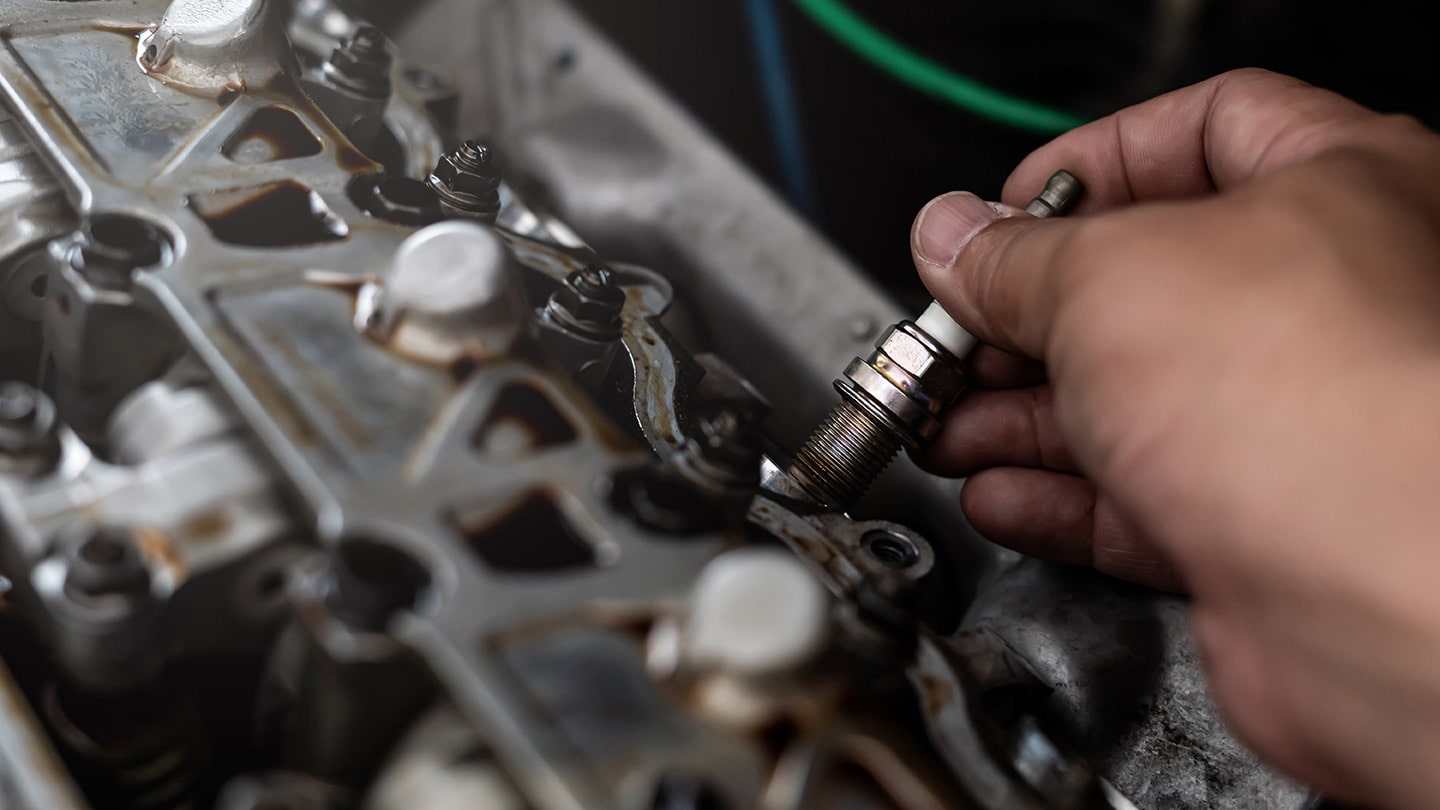
Use a spark plug socket and ratchet to turn the plug counterclockwise. Apply steady pressure to avoid stripping the threads. Remove the plug slowly once loose. Keep the plug straight to avoid damage.
Inspecting And Gapping New Spark Plugs
Inspecting and gapping new spark plugs is a crucial step before installation. It ensures the spark plugs work properly and help the engine run smoothly. Taking time to check each plug avoids costly engine problems later. Proper inspection and adjustment improve fuel efficiency and engine power.
Check For Damage
Look closely at the spark plug for any cracks or chips. Examine the ceramic insulator for any visible breaks. Check the metal threads for rust or wear. Damaged plugs can cause misfires and poor engine performance. Do not use spark plugs with visible damage. Always start with a clean, intact spark plug.
Adjust Spark Plug Gap
The spark plug gap is the space between the center and ground electrodes. This gap controls the spark size that ignites the fuel. Use a spark plug gap tool to measure the gap accurately. Compare the measurement with your vehicle’s specifications. Gently bend the ground electrode to increase or decrease the gap. Avoid bending the center electrode as it can break. Correctly gapped plugs ensure better combustion and engine efficiency.
Installing New Spark Plugs
Installing new spark plugs is a key step in keeping your engine running smoothly. It requires careful handling to avoid damage and ensure good contact. Proper installation improves fuel efficiency and engine performance.
Start by preparing the new spark plug. Check the gap and adjust it if necessary. This gap affects how well the spark ignites the fuel-air mix.
Threading The Spark Plug
Place the spark plug carefully into the cylinder head hole. Use your fingers to thread it in gently. Avoid cross-threading, which can damage the threads and cause leaks.
Once finger-tight, use a spark plug socket and ratchet to continue threading. Turn slowly and stop if you feel resistance. Proper threading ensures a secure fit and prevents damage.
Tightening Properly
Use a torque wrench to tighten the spark plug to the correct specification. Over-tightening can strip the threads or break the plug. Under-tightening can cause poor sealing and engine misfires.
Check your vehicle manual for the exact torque value. If you don’t have a torque wrench, tighten until snug and then add a quarter turn. This gives a good seal without damage.
Reattach Spark Plug Wire
Push the spark plug wire boot firmly onto the new spark plug tip. It should click or snap into place. A loose connection can cause weak sparks or no spark at all.
Check the wire for cracks or wear and replace it if needed. Proper connection helps maintain engine power and smooth running.
Testing And Final Checks
After replacing the spark plugs, testing and final checks ensure the job is done right. These steps help confirm the engine runs smoothly and safely. Take your time and follow each part carefully for the best results.
Reconnect The Battery
First, reconnect the car battery. Attach the negative terminal tightly to avoid any electrical issues. Check that the connection is secure before moving on.
Start The Engine
Turn the ignition key or press the start button. Listen carefully as the engine starts. It should run without hesitation or strange noises.
Check For Performance Issues
Pay attention to how the car drives. Watch for rough idling, misfires, or loss of power. If everything feels smooth, the spark plugs are working well.
Tips For Maintenance And Troubleshooting
Maintaining spark plugs ensures your car runs smoothly and saves money on repairs. Regular checks help spot issues early. Knowing common problems helps fix them fast. Following simple tips can extend spark plug life.
When To Replace Spark Plugs
Check spark plugs every 30,000 miles or as your car manual suggests. Signs of wear include rough idling, poor fuel economy, and hard starts. Replace plugs if they look worn, dirty, or damaged. Old plugs cause engine misfires and lower power.
Common Problems And Solutions
- Carbon Fouling:Black, dry soot on the plug means a rich fuel mix. Clean or replace the plug and check fuel system.
- Oil Fouling:Oily deposits show oil leaks. Replace plugs and inspect engine seals.
- Worn Electrodes:Rounded or eroded tips cause weak sparks. Replace plugs immediately.
- Incorrect Gap:Spark gap too wide or narrow leads to misfires. Adjust gap to manufacturer specs.
Extending Spark Plug Life
- Use the right type and heat range of plugs for your car.
- Keep engine tuned and avoid frequent short trips.
- Check and clean spark plugs during regular service.
- Use quality fuel to reduce deposits on plugs.
- Replace air filters to prevent dirt buildup on plugs.

Credit: www.youtube.com
Credit: www.chase.com
Frequently Asked Questions
How Often Should I Change Car Spark Plugs?
Spark plugs typically last 30,000 to 100,000 miles. Check your owner’s manual for specific intervals. Regular replacement ensures optimal engine performance and fuel efficiency.
What Tools Do I Need To Change Spark Plugs?
You need a spark plug socket, ratchet wrench, gap gauge, and possibly an extension bar. Having these tools makes the job easier and safer.
How To Check If Spark Plugs Need Replacement?
Look for symptoms like engine misfires, poor fuel economy, or rough idling. You can also visually inspect plugs for wear or deposits.
Can I Change Spark Plugs Myself Safely?
Yes, with basic mechanical skills and proper tools, you can change spark plugs safely. Always ensure the engine is cool before starting the task.
Conclusion
Changing a car spark plug is simple with the right steps. Take your time and follow each part carefully. A clean, working spark plug helps your car run better. Regular checks keep your engine smooth and save money. You can do this job yourself with basic tools.
Practice makes the task easier and quicker. Keep your car healthy by changing spark plugs as needed. Small repairs like this keep your vehicle strong on the road.





