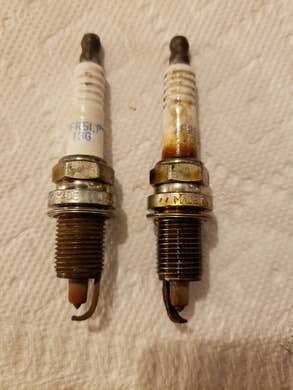
Imagine this: you’ve popped the hood of your car, ready to tackle a routine check-up, when you notice something odd. There’s oil on your spark plugs.
You might be wondering, “What does this mean for my car? ” You’re not alone in this concern. Many car owners encounter this issue, and it’s crucial to understand what’s happening under the hood. Finding oil on your spark plugs can be a red flag.
It might suggest underlying problems that could affect your car’s performance and longevity. But don’t worry just yet. By understanding the causes and implications, you can take proactive steps to address the issue and keep your vehicle running smoothly. Stay with us, and we’ll unravel this mystery together. Discover the potential reasons behind oil-covered spark plugs and learn what actions you can take to prevent any long-term damage. Your car’s health is important, and with the right knowledge, you can make informed decisions that keep you on the road safely.

Credit: www.reddit.com
Signs Of Oil On Spark Plugs
Oil on spark plugs can cause several noticeable signs. Catching these early helps avoid bigger engine problems. Watch for both visible signs and performance changes.
Visual Indicators
- Spark plug tip looks wet with dark oil stains.
- Black, oily deposits cover the electrode area.
- Plug may appear shiny or greasy instead of dry.
- Carbon buildup mixed with oil on the ceramic insulator.
- Oil presence can cause spark plug fouling and discoloration.
Engine Performance Issues
- Engine misfires or runs roughly at idle.
- Hard starting or failure to start at times.
- Reduced fuel efficiency and increased exhaust smoke.
- Loss of power during acceleration or driving uphill.
- Engine warning light may come on due to misfires.

Credit: www.fordgt500.com
Common Causes
Oil on the spark plug signals that oil is leaking into the combustion chamber. This issue affects engine performance and fuel efficiency. Several common problems cause oil contamination on spark plugs. Identifying the root cause helps fix the problem quickly and avoid engine damage.
Worn Valve Seals
Valve seals stop oil from entering the combustion chamber. Over time, these seals wear out or harden. Worn valve seals allow oil to drip onto the spark plug. This oil fouls the plug and causes misfires.
Damaged Piston Rings
Piston rings keep oil and air separate inside the cylinder. Broken or worn piston rings let oil pass into the combustion area. This oil coats the spark plug and reduces its spark ability. Engine compression may also drop.
Faulty Cylinder Head Gasket
The cylinder head gasket seals the engine block and cylinder head. A damaged gasket leaks oil into the cylinders. Oil on the spark plug results from this leak. This problem can cause overheating and engine misfires.
Overfilled Engine Oil
Too much oil in the engine creates excess pressure. This pressure forces oil into places it should not be. Oil may reach the spark plug and cause fouling. Checking oil levels regularly prevents this issue.
Pcv Valve Malfunction
The Positive Crankcase Ventilation (PCV) valve controls engine pressure. A stuck or broken PCV valve causes pressure buildup. This pressure pushes oil into the combustion chamber. Oil on the spark plug is a common sign of PCV problems.
Diagnosing The Problem
Finding oil on a spark plug signals a problem in the engine. Diagnosing the issue quickly can save time and money. Several checks help pinpoint the exact cause and guide the right fix. Start by closely inspecting the spark plug itself. Then, verify the engine’s oil levels. Finally, perform compression tests to check engine health.
Inspecting The Spark Plug
Remove the spark plug carefully to check for oil deposits. Oil on the tip or threads means oil is leaking inside the cylinder. Look for other signs like carbon buildup or damaged electrodes. These clues reveal whether oil fouling is due to worn rings or valve issues. Clean the plug or replace it to see if the problem returns.
Checking Oil Levels
Check the engine oil level using the dipstick. Overfilled oil can cause leaks into the combustion chamber. Low oil levels may also point to leaks or burning oil inside the engine. Ensure the oil is clean and at the proper level. Dirty or old oil can worsen engine performance and spark plug fouling.
Performing Compression Tests
Use a compression gauge to test each cylinder’s pressure. Low compression suggests worn piston rings or damaged valves. These defects allow oil to enter the combustion chamber, causing fouled spark plugs. Compare readings across all cylinders for consistent results. This test helps confirm internal engine problems causing the oil leak.

Credit: www.reddit.com
Quick Fixes
Oil on the spark plug signals an issue that needs a quick fix. Small problems can cause big engine troubles if ignored. Acting fast helps avoid expensive repairs and keeps your car running smoothly. Here are some simple fixes to try.
Cleaning The Spark Plug
Remove the spark plug carefully from the engine. Use a wire brush or spark plug cleaner to remove oil and dirt. Make sure the plug is dry before reinstalling it. Clean plugs improve engine performance and reduce misfires.
Replacing Valve Seals
Worn valve seals let oil leak onto the spark plug. Replace old seals with new ones to stop the leak. This repair may need a mechanic if you lack tools. New seals prevent oil from fouling the spark plug again.
Fixing The Pcv Valve
The PCV valve controls engine pressure and oil flow. A faulty valve can cause oil buildup on spark plugs. Remove and inspect the PCV valve for clogs or damage. Replace it if it does not work properly. This helps balance pressure and keeps oil away from plugs.
Changing Engine Oil
Old or dirty oil can cause spark plug fouling. Change the engine oil and filter regularly to keep the engine clean. Fresh oil reduces oil deposits on the spark plug. Use the right oil type recommended by your car’s manual.
Preventive Measures
Taking preventive measures can protect your engine from damage caused by oil on spark plugs. Early care helps avoid costly repairs. It ensures your vehicle runs smoothly and lasts longer.
Regular Maintenance
Check spark plugs often for signs of oil. Clean or replace them if needed. Inspect valve seals and gaskets regularly to stop oil leaks. Keep your engine parts in good condition.
Timely Oil Changes
Change engine oil at the right time. Old oil can cause buildup and leaks. Use the correct oil type for your car. Fresh oil keeps the engine clean and prevents oil on spark plugs.
Monitoring Engine Performance
Watch for rough idling or poor fuel economy. These can signal oil problems. Listen for unusual noises from the engine. Early detection helps fix issues before they get worse.
Frequently Asked Questions
What Causes Oil On A Spark Plug?
Oil on a spark plug usually indicates worn piston rings or valve seals. This allows oil to leak into the combustion chamber, causing fouling and misfires. It can also be a sign of overfilled engine oil or a damaged cylinder head gasket.
How Does Oil On Spark Plugs Affect Engine Performance?
Oil on spark plugs disrupts the spark, causing misfires and rough idling. It reduces engine efficiency, power, and fuel economy. Over time, it can lead to increased emissions and potential engine damage if left unaddressed.
Can Oil On Spark Plugs Cause Engine Misfires?
Yes, oil fouling on spark plugs prevents proper spark formation. This leads to incomplete combustion and engine misfires. Regular inspection helps detect this issue early, preventing further engine problems.
How To Clean Oil Off Spark Plugs?
To clean oil off spark plugs, first remove them carefully. Use a wire brush or spark plug cleaner to remove oil residue. Dry thoroughly before reinstalling. However, cleaning is often temporary; underlying causes should be fixed to prevent recurrence.
Conclusion
Oil on the spark plug signals an engine problem you should not ignore. It can cause poor engine performance and harder starts. Fixing the issue early saves time and money later. Regular car checks help catch problems before they grow.
Paying attention to spark plugs keeps your engine running smooth. Keep your vehicle healthy by watching for signs like oil on plugs. This small step can prevent bigger, costly repairs down the road.





