
Have you ever been ready to tackle your overgrown lawn, only to find your lawn mower sputtering and refusing to start? Frustrating, isn’t it?
Often, the culprit is a worn-out spark plug. Knowing how to change a spark plug in a lawn mower can save you time, money, and a trip to the repair shop. Imagine the satisfaction of solving this problem yourself, restoring your mower’s roar with a simple fix.
With our straightforward guide, you’ll learn how to replace that pesky spark plug in no time, ensuring your lawn mower runs smoothly. Ready to roll up your sleeves and get your mower back to its best? Let’s dive in and transform your mowing experience!
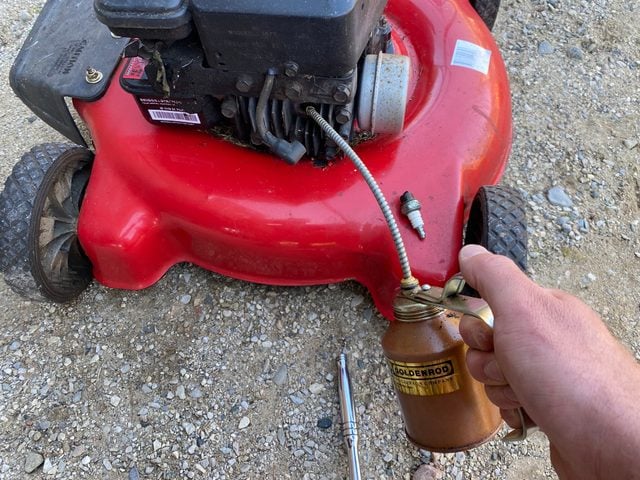
Credit: www.familyhandyman.com
Tools Needed
Changing a spark plug in a lawn mower requires a few simple tools. Having the right tools makes the job faster and easier. Preparing these tools before you start helps avoid interruptions. Here are the essential tools needed for this task.
Spark Plug Wrench
A spark plug wrench fits snugly around the spark plug. It helps loosen and tighten the plug without damage. Most lawn mower spark plugs need a 5/8-inch wrench. Some spark plug wrenches come with a long handle for better grip.
Replacement Spark Plug
Use a new spark plug made for your mower model. Check the owner’s manual for the correct type and size. A fresh spark plug ensures the engine runs smoothly. Keep the old spark plug for comparison before buying a new one.
Gap Gauge
A gap gauge measures the space between the spark plug’s electrodes. This gap must match the mower’s specifications. Adjusting the gap improves ignition and engine performance. A small, simple tool ensures the spark plug works right.
Cleaning Supplies
Cleaning supplies help remove dirt and debris from the spark plug area. Use a wire brush or a clean rag to wipe the plug. Carburetor cleaner or compressed air can clear stubborn grime. Clean parts prevent engine problems and extend mower life.
When To Change The Spark Plug
Knowing when to change your lawn mower’s spark plug keeps the engine running smoothly. A worn spark plug reduces performance and wastes fuel. Regular checks help avoid lawn mower problems and costly repairs.
Signs Of A Worn Spark Plug
- Hard starting or no start at all
- Engine runs rough or stalls frequently
- Reduced power during mowing
- Increased fuel consumption
- Visible deposits or corrosion on the spark plug
Recommended Maintenance Schedule
Change the spark plug after every 25 hours of use or once per mowing season. Check the owner’s manual for specific advice. For heavy use, inspect more often. Clean or replace the spark plug if it looks dirty or worn. Proper maintenance extends mower life and ensures reliable starts every time.
Preparing The Lawn Mower
Before you dive into changing the spark plug on your lawn mower, getting it ready is crucial. Proper preparation saves time and prevents accidents. It also helps you spot any issues that might affect the spark plug replacement.
Safety Precautions
First, make sure the lawn mower is completely off. Remove the key if your model has one, or disconnect the spark plug wire to stop accidental starts.
Wear gloves to protect your hands from dirt and sharp edges. Avoid loose clothing that could catch on parts.
Have a fire extinguisher nearby if you’re working with fuel. Gas vapors can ignite easily, so keep sparks and flames away.
Locating The Spark Plug
The spark plug usually sits on the side or top of the engine. Look for a thick wire leading to a small metal cylinder with a hexagonal shape.
If you can’t find it right away, check your lawn mower’s manual. It often shows a diagram pinpointing the exact spot.
Getting familiar with your spark plug location makes the swap faster. Have you ever wasted time searching for parts in the middle of a job? Knowing this ahead changes everything.

Credit: www.youtube.com
Removing The Old Spark Plug
Removing the old spark plug is a key step in maintaining your lawn mower’s engine. It requires care and attention to avoid damaging the engine or the spark plug itself. Let’s break down the process into manageable parts so you can handle it confidently.
Disconnecting The Spark Plug Wire
First, locate the spark plug wire attached to the top of the spark plug. This wire carries the electrical current necessary for ignition, so you need to disconnect it carefully.
Grip the spark plug boot firmly, not the wire, and pull it straight off. Pulling on the wire can cause internal damage, which might lead to ignition problems later. If the boot feels stuck, gently twist it back and forth while pulling.
Have you ever tried yanking the wire off and ended up with a loose connection? Taking your time here saves you from extra repairs down the line.
Using The Wrench Properly
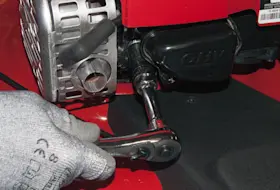
Next, use a spark plug wrench or a suitable socket wrench to loosen the spark plug. Fit the wrench snugly over the plug to avoid rounding off the edges.
Turn the wrench counterclockwise with steady pressure. If the plug feels stuck, avoid forcing it harshly; apply penetrating oil and wait a few minutes before trying again.
Removing a spark plug can sometimes feel like a test of patience. Have you noticed how using the right tool and technique makes the job smoother? It’s worth investing a little care here to prevent stripping the plug or damaging the engine threads.
Checking And Gapping The New Plug
Checking and gapping the new spark plug is crucial for your lawn mower’s engine. A correctly gapped spark plug ensures the engine runs smoothly and starts easily. The gap is the distance between the two electrodes on the plug. This distance affects the spark’s strength and timing. Too wide or too narrow a gap can cause poor performance or hard starts.
Before installing the new plug, check the gap using a tool. Adjust the gap if needed. The right gap size depends on your mower’s engine model. Consult the owner’s manual for the exact measurement. Proper gapping helps the spark jump correctly and ignite the fuel-air mix efficiently.
Measuring The Gap
Use a spark plug gap tool or feeler gauge to measure the gap. Slide the tool between the electrodes gently. The tool should fit snugly without forcing it. If the tool is too loose or tight, the gap needs adjustment. Accurate measurement prevents engine misfires and rough idling.
Adjusting The Gap
To adjust the gap, carefully bend the ground electrode. Use a small tool or the gap tool’s edge. Bend the electrode outward to increase the gap. Bend it inward to decrease the gap. Avoid touching the center electrode. After adjusting, measure the gap again to confirm it is correct. A perfect gap boosts engine efficiency and lifespan.
Installing The New Spark Plug
Installing the new spark plug is a simple but important task. It helps the lawn mower run smoothly. Take care to avoid cross-threading or overtightening. Follow these steps to install the spark plug properly.
Threading The Plug By Hand
Start by placing the spark plug into the hole. Turn it gently with your fingers. This prevents cross-threading and damage to the threads. Keep turning until the plug feels snug and cannot turn easily by hand.
Tightening With The Wrench
Use a spark plug wrench or socket wrench for this step. Turn the wrench slowly to tighten the plug. Stop when it feels firm but not too tight. Over-tightening can damage the plug or the engine.
Final Steps
After replacing the spark plug, the final steps prepare your lawn mower for use. These steps ensure the spark plug functions properly and the mower runs smoothly. Handle these tasks carefully to avoid damage and ensure safety.
Reattaching The Spark Plug Wire
Reconnect the spark plug wire by pushing it onto the new spark plug’s metal tip. Press firmly until it clicks into place. This connection is vital for the spark plug to receive electricity and ignite the engine. Avoid pulling on the wire; instead, hold the boot to connect or disconnect.
Testing The Lawn Mower
Start the lawn mower to check if it runs well. Listen for smooth engine sounds and steady operation. If the mower struggles or stalls, recheck the spark plug wire connection and the spark plug gap. A properly installed spark plug improves engine performance and fuel efficiency.
Credit: www.searspartsdirect.com
Frequently Asked Questions
How Often Should I Change Lawn Mower Spark Plugs?
Change spark plugs every 25 hours of use or once per season. Regular replacement ensures efficient engine performance and easier starting.
What Tools Do I Need To Change A Spark Plug?
You need a spark plug socket wrench, a ratchet, and a gap gauge. These tools help safely remove and install the spark plug.
How Do I Check The Spark Plug Gap Size?
Use a spark plug gap tool to measure the gap. Adjust the gap to your mower’s specifications for optimal engine performance.
Can I Reuse An Old Spark Plug In My Mower?
Reusing old spark plugs is not recommended. Worn plugs reduce engine efficiency and may cause starting problems.
Conclusion
Changing a spark plug keeps your lawn mower running well. It helps the engine start easily and work smoothly. Regular checks prevent bigger problems and save money. Use the right tools and follow steps carefully. A clean, new spark plug improves fuel use and cuts pollution.
Take time to do this simple task. Your mower will thank you with better performance. Simple care means a longer life for your machine. Keep your lawn mower ready for every mowing day.





